

Introduction:
The Mediterranean diet is celebrated for its numerous health benefits, including improved heart health, weight management, and reduced risk of chronic diseases. Characterized by a high intake of fruits, vegetables, whole grains, legumes, and healthy fats, this dietary pattern is often associated with the use of olive oil as a primary fat source. However, the question arises: is butter allowed in a Mediterranean diet? This article delves into the intricacies of the Mediterranean diet, the role of fats, and the implications of butter consumption within this framework.
Understanding the Mediterranean Diet: Key Components Explained
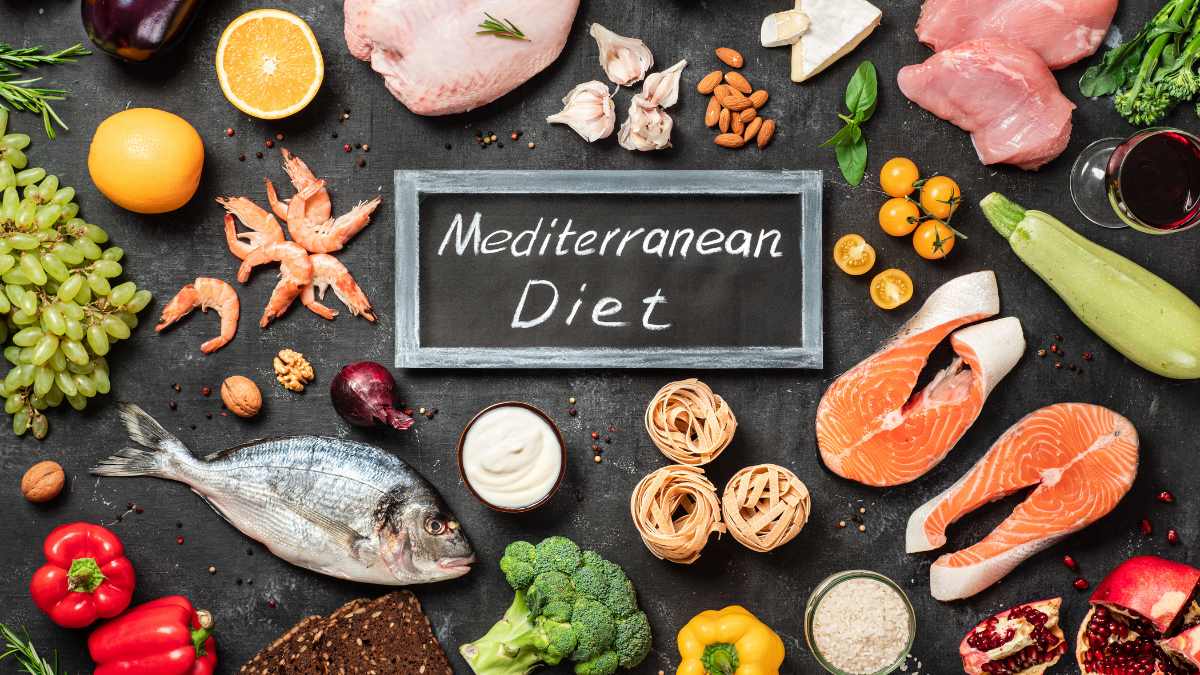
The Mediterranean diet is not merely a collection of foods but a lifestyle that emphasizes whole, minimally processed foods. Central to this dietary pattern are fruits, vegetables, whole grains, legumes, nuts, and seeds, which provide essential nutrients and fiber. Additionally, moderate consumption of fish and poultry is encouraged, while red meat and sweets are limited. This approach promotes a balanced intake of macronutrients and micronutrients, fostering overall health.
Another defining feature of the Mediterranean diet is the emphasis on social and cultural aspects of eating. Meals are often enjoyed with family and friends, promoting a sense of community and mindfulness. This social dimension contributes to the overall satisfaction and psychological well-being associated with this dietary pattern, making it more than just a means of nourishment.
The Mediterranean diet also encourages physical activity as an integral part of a healthy lifestyle. Regular exercise, combined with a balanced diet, enhances the benefits of this dietary approach, contributing to improved cardiovascular health and reduced risk of obesity.
Finally, the Mediterranean diet is characterized by its flexibility and adaptability. It can be tailored to individual preferences and cultural variations, making it accessible to a wide range of people. This adaptability is one of the reasons why the Mediterranean diet has gained popularity worldwide.
The Role of Fats in the Mediterranean Dietary Pattern
Fats play a crucial role in the Mediterranean diet, serving not only as a source of energy but also as carriers of flavor and essential nutrients. The primary source of fat in this dietary pattern is extra virgin olive oil, which is rich in monounsaturated fats and antioxidants. These healthy fats are associated with numerous health benefits, including reduced inflammation and improved heart health.
In addition to olive oil, the Mediterranean diet includes other sources of healthy fats, such as nuts, seeds, and fatty fish. These foods provide essential fatty acids, including omega-3s, which are vital for brain health and cardiovascular function. The inclusion of these fats contributes to the overall health-promoting properties of the Mediterranean diet.
While the Mediterranean diet emphasizes healthy fats, it does not exclude all saturated fats. Foods such as dairy products, including cheese and yogurt, are consumed in moderation. This raises the question of whether butter, a saturated fat, has a place in this dietary framework.
Understanding the balance of different types of fats is essential. While saturated fats should be consumed in moderation, the focus should be on the overall quality of the diet rather than the exclusion of specific foods. This perspective allows for a more nuanced approach to dietary fat consumption.
Butter vs. Olive Oil: A Comparative Nutritional Analysis
When comparing butter and olive oil, it’s essential to consider their nutritional profiles. Butter is primarily composed of saturated fats, which can raise LDL cholesterol levels when consumed in excess. However, it also contains fat-soluble vitamins such as A, D, E, and K, which are beneficial for health.
On the other hand, olive oil is predominantly made up of monounsaturated fats, particularly oleic acid, which has been shown to have heart-protective effects. Olive oil is also rich in antioxidants, such as polyphenols, which provide anti-inflammatory benefits and contribute to overall health.
In terms of caloric density, both butter and olive oil are high in calories, making portion control important. While butter can add a rich flavor to dishes, olive oil is often praised for its versatility and health benefits, making it a staple in Mediterranean cooking.
Ultimately, the choice between butter and olive oil may come down to personal preference and culinary application. While olive oil is more aligned with traditional Mediterranean practices, butter can still be enjoyed in moderation, particularly in certain recipes where its flavor is desired.
Health Implications of Butter Consumption in This Diet
The health implications of butter consumption within the Mediterranean diet are complex. While moderate consumption of butter may not pose significant health risks for most individuals, excessive intake can lead to negative outcomes, such as increased cholesterol levels and a higher risk of heart disease.
Research has shown that the type of fat consumed is crucial. Replacing saturated fats like butter with healthier fats, such as those found in olive oil, can lead to improved cardiovascular health. However, some studies suggest that the overall dietary pattern, rather than individual food components, plays a more significant role in health outcomes.
Moreover, the context in which butter is consumed matters. When included as part of a balanced diet rich in fruits, vegetables, and whole grains, butter may have a different impact than when consumed in isolation or as part of a diet high in processed foods.
It is essential to consider individual health conditions and dietary preferences when evaluating butter’s role in the Mediterranean diet. For some, moderation may be key, while others may choose to avoid butter altogether in favor of healthier fat sources.
Recommendations for Incorporating Butter Mindfully
For those who wish to include butter in their Mediterranean diet, moderation is key. Limiting portion sizes and frequency of consumption can help mitigate potential health risks associated with saturated fat intake. Using butter sparingly in cooking or as a flavor enhancer can allow for enjoyment without overindulgence.
Another strategy is to combine butter with healthier fats. For example, blending butter with olive oil can create a flavorful spread that retains some of the richness of butter while incorporating the health benefits of olive oil. This approach allows for a more balanced fat profile in meals.
Additionally, consider the quality of butter. Opting for grass-fed butter may provide additional nutrients, such as higher levels of omega-3 fatty acids and vitamin K2. This choice aligns with the Mediterranean diet’s emphasis on whole, high-quality foods.
Finally, being mindful of the overall dietary pattern is crucial. Incorporating a variety of healthy fats, such as nuts, seeds, and fatty fish, can help create a balanced approach to fat consumption while still allowing for the occasional use of butter.
Conclusion: Balancing Butter Within a Mediterranean Framework
In summary, butter can be included in a Mediterranean diet, but it should be approached with mindfulness and moderation. The Mediterranean diet’s focus on healthy fats, primarily from sources like olive oil, highlights the importance of making informed choices about fat consumption. While butter offers certain culinary benefits and can be enjoyed in moderation, it is essential to prioritize the overall quality of the diet.
By understanding the role of fats, evaluating the nutritional profiles of different fats, and considering individual health needs, one can effectively balance butter within the Mediterranean dietary framework. Ultimately, the Mediterranean diet is about enjoying food, fostering community, and promoting health, making it possible to include a variety of fats, including butter, in a thoughtful manner.
Read more:
- Mediterranean Diet: A Complete Guide – A comprehensive overview of the Mediterranean diet, its components, and health benefits.
- The Role of Fats in the Mediterranean Diet – An in-depth analysis of the types of fats consumed in the Mediterranean diet and their health implications.
- Butter vs. Olive Oil: Which is Healthier? – A comparative analysis of butter and olive oil, focusing on their nutritional profiles and health effects.
- Saturated Fats and Heart Disease: What You Need to Know – An article discussing the relationship between saturated fats and heart disease, providing insights into dietary choices.
- Mindful Eating: Incorporating Butter into a Healthy Diet – A guide on mindful eating practices and how to incorporate various foods, including butter, into a balanced diet.