
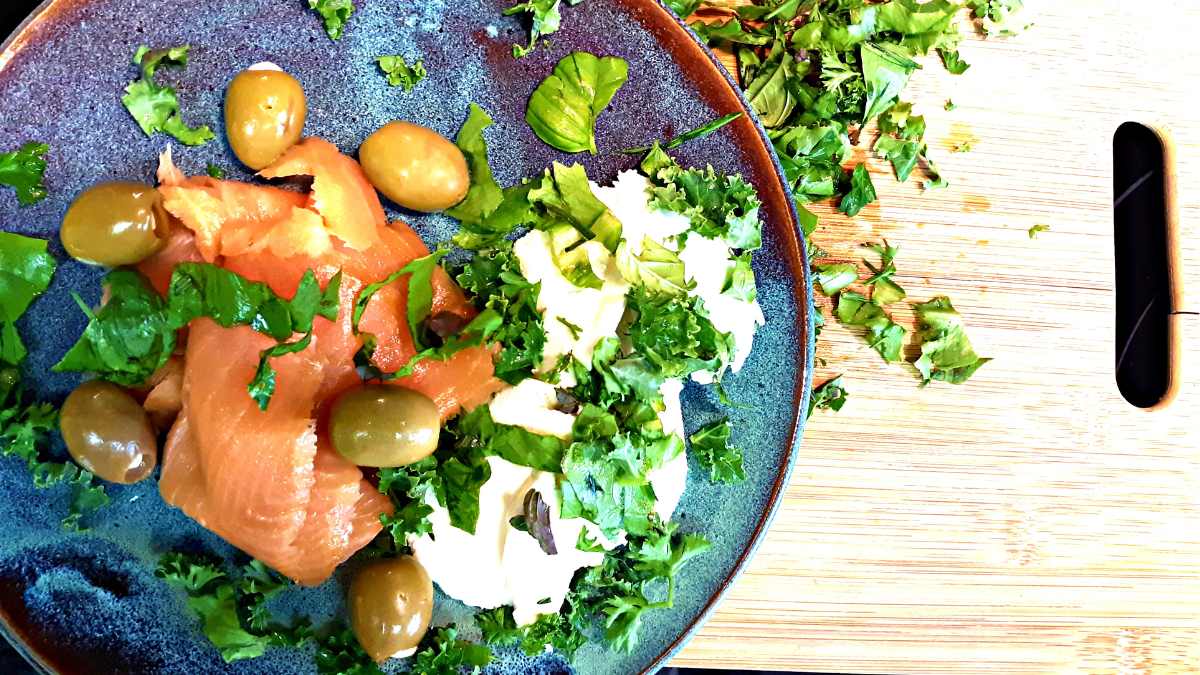

Introduction: The Mediterranean diet is renowned for its health benefits and balanced approach to nutrition, emphasizing whole foods, healthy fats, and a variety of fresh produce. However, questions often arise about the inclusion of certain foods, such as butter. This article delves into whether butter is permitted on the Mediterranean diet by examining its nutritional profile, comparing it to olive oil, and considering expert opinions and practical tips for moderate consumption.
Understanding the Mediterranean Diet Principles
The Mediterranean diet is rooted in the traditional eating habits of countries bordering the Mediterranean Sea, such as Greece, Italy, and Spain. It emphasizes the consumption of fruits, vegetables, whole grains, legumes, nuts, and seeds. The diet also includes moderate amounts of fish and poultry, while red meat is consumed sparingly.
A cornerstone of the Mediterranean diet is the use of healthy fats, particularly olive oil, which is rich in monounsaturated fats and antioxidants. These fats play a significant role in promoting heart health and reducing inflammation. The diet also encourages the consumption of dairy products in moderation, primarily in the form of cheese and yogurt.
Another key principle of the Mediterranean diet is the focus on whole, minimally processed foods. This approach helps to ensure a high intake of essential nutrients and fiber while limiting the consumption of added sugars and unhealthy fats. The diet also promotes the enjoyment of meals with family and friends, emphasizing the social and cultural aspects of eating.
Wine, particularly red wine, is often included in the Mediterranean diet in moderation. It is believed to contribute to heart health due to its content of polyphenols, which have antioxidant properties. However, the emphasis is always on moderate consumption, typically one glass per day for women and up to two glasses per day for men.
Physical activity is another integral component of the Mediterranean lifestyle. Regular exercise, combined with a balanced diet, helps to maintain a healthy weight and reduce the risk of chronic diseases. The Mediterranean diet is not just about food; it is a holistic approach to a healthy lifestyle.
In summary, the Mediterranean diet is characterized by its emphasis on whole foods, healthy fats, and a balanced approach to nutrition. It promotes heart health, reduces inflammation, and supports overall well-being through a combination of dietary choices and lifestyle factors.
Nutritional Profile of Butter in Detail
Butter is a dairy product made by churning cream to separate the butterfat from the buttermilk. It is primarily composed of fat, with a small amount of water and milk solids. The fat content of butter is approximately 80%, with the remaining 20% consisting of water and milk solids. This high fat content contributes to its rich flavor and creamy texture.
The fats in butter are mainly saturated fats, which have been associated with an increased risk of heart disease when consumed in excess. However, butter also contains small amounts of monounsaturated and polyunsaturated fats, which are considered healthier fats. Additionally, butter provides fat-soluble vitamins such as vitamins A, D, E, and K.
Butter contains conjugated linoleic acid (CLA), a type of polyunsaturated fat that has been studied for its potential health benefits, including anti-carcinogenic and anti-inflammatory properties. However, the levels of CLA in butter are relatively low, and more research is needed to fully understand its effects on health.
Cholesterol is another component of butter, with one tablespoon containing approximately 30 milligrams. While dietary cholesterol was once thought to significantly impact blood cholesterol levels, recent research suggests that its effect is less pronounced than previously believed. Nevertheless, individuals with certain health conditions may still need to monitor their cholesterol intake.
Butter also contains butyrate, a short-chain fatty acid that has been shown to support gut health by promoting the growth of beneficial bacteria and reducing inflammation in the digestive tract. This compound is produced by the fermentation of dietary fiber in the colon, but consuming butter can provide an additional source.
In conclusion, butter is a rich source of fat and fat-soluble vitamins, with some potential health benefits due to its content of CLA and butyrate. However, its high saturated fat and cholesterol content necessitate moderation, particularly for individuals with specific health concerns.
Butter vs. Olive Oil: A Comparative Analysis
Olive oil is a staple of the Mediterranean diet and is often touted for its numerous health benefits. It is primarily composed of monounsaturated fats, which are known to improve heart health by reducing bad cholesterol levels and increasing good cholesterol. Olive oil is also rich in antioxidants, particularly polyphenols, which have anti-inflammatory and anti-carcinogenic properties.
In contrast, butter is predominantly composed of saturated fats, which have been linked to an increased risk of heart disease when consumed in large quantities. While butter does contain some monounsaturated and polyunsaturated fats, the proportions are significantly lower than those found in olive oil. This difference in fat composition is a key factor in the health benefits associated with each fat source.
Olive oil also contains vitamins E and K, both of which play important roles in maintaining overall health. Vitamin E acts as an antioxidant, protecting cells from damage, while vitamin K is essential for blood clotting and bone health. Butter, on the other hand, provides vitamins A, D, and K, but in smaller amounts compared to the vitamin content in olive oil.
The smoke point of olive oil is higher than that of butter, making it more suitable for cooking at higher temperatures. This characteristic helps to preserve the nutritional integrity of the oil and reduces the formation of harmful compounds during cooking. Butter, with its lower smoke point, is better suited for low-heat cooking or as a finishing touch to dishes.
From a culinary perspective, both butter and olive oil offer unique flavors and textures that can enhance different types of dishes. Olive oil’s fruity and peppery notes are ideal for salads, marinades, and Mediterranean-inspired dishes, while butter’s rich and creamy texture is perfect for baking, sautéing, and adding depth to sauces.
In summary, while both butter and olive oil have their place in the kitchen, olive oil is generally considered the healthier option due to its higher content of monounsaturated fats and antioxidants. However, butter can still be enjoyed in moderation, particularly when used to enhance the flavor and texture of specific dishes.
Health Impacts of Butter in the Mediterranean Diet
The inclusion of butter in the Mediterranean diet has been a topic of debate among nutrition experts. While the diet traditionally emphasizes the use of olive oil as the primary fat source, there is room for moderate consumption of other fats, including butter, particularly when used in small amounts to enhance the flavor of dishes.
One of the main concerns with butter is its high saturated fat content, which has been linked to an increased risk of heart disease. However, recent research has suggested that the relationship between saturated fat and heart disease is more complex than previously thought. Some studies have found that moderate consumption of saturated fats may not have a significant impact on heart health, particularly when part of a balanced diet.
Butter also contains beneficial compounds such as butyrate and CLA, which have been shown to support gut health and reduce inflammation. These compounds may help to mitigate some of the potential negative effects of saturated fats, although more research is needed to fully understand their impact on health.
In the context of the Mediterranean diet, the key is moderation and balance. Including small amounts of butter occasionally can be part of a healthy diet, particularly when combined with a variety of other nutrient-dense foods. For example, using a small amount of butter to sauté vegetables or as a finishing touch on whole-grain bread can enhance the flavor without significantly increasing saturated fat intake.
It’s also important to consider the overall quality of the diet. The Mediterranean diet is rich in fruits, vegetables, whole grains, legumes, and healthy fats, which collectively contribute to its health benefits. When butter is consumed as part of this balanced diet, its potential negative effects may be offset by the positive impact of other nutrient-rich foods.
In conclusion, while butter is not a staple of the Mediterranean diet, it can be included in moderation without compromising the overall health benefits of the diet. The key is to focus on balance and variety, ensuring that butter is just one of many sources of fat and flavor in a diverse and nutrient-rich diet.
Expert Opinions on Butter Consumption
Nutrition experts have varying opinions on the inclusion of butter in the Mediterranean diet. Some argue that butter should be limited due to its high saturated fat content, while others believe that it can be enjoyed in moderation as part of a balanced diet.
Dr. Walter Willett, a professor of epidemiology and nutrition at Harvard T.H. Chan School of Public Health, suggests that while butter is not a health food, it is not as harmful as once believed. He emphasizes the importance of overall dietary patterns rather than focusing on individual foods, suggesting that moderate butter consumption can be part of a healthy diet when combined with other nutrient-dense foods.
Dr. Dariush Mozaffarian, dean of the Friedman School of Nutrition Science and Policy at Tufts University, also supports the idea of moderation. He points out that the health effects of butter are context-dependent, meaning that its impact on health can vary based on the overall quality of the diet. In a diet rich in fruits, vegetables, whole grains, and healthy fats, the occasional use of butter is unlikely to have a significant negative impact.
Registered dietitian and nutritionist Maya Feller highlights the importance of cultural and individual preferences in dietary choices. She notes that while olive oil is the preferred fat in the Mediterranean diet, butter can still be included in small amounts, particularly if it enhances the enjoyment of meals and contributes to a sustainable and enjoyable eating pattern.
Dr. Frank Hu, chair of the Department of Nutrition at Harvard T.H. Chan School of Public Health, cautions against overconsumption of butter but acknowledges that it can be part of a balanced diet when used sparingly. He emphasizes the importance of choosing high-quality, minimally processed foods and maintaining a diverse and nutrient-rich diet.
Overall, the consensus among experts is that butter can be included in the Mediterranean diet in moderation. The key is to focus on overall dietary patterns and ensure that butter is just one of many sources of fat and flavor in a balanced and varied diet.
Practical Tips for Including Butter Moderately
For those who enjoy the flavor of butter and wish to include it in their Mediterranean diet, there are several practical tips to ensure moderate consumption without compromising the overall health benefits of the diet.
First, consider using butter as a finishing touch rather than a primary cooking fat. For example, a small pat of butter can be added to steamed vegetables or whole-grain bread to enhance flavor without significantly increasing saturated fat intake. This approach allows you to enjoy the taste of butter while keeping portions in check.
Second, combine butter with other healthy fats, such as olive oil. Mixing a small amount of butter with olive oil can provide a richer flavor while still benefiting from the heart-healthy properties of monounsaturated fats. This combination can be used for sautéing, roasting, or as a salad dressing.
Third, be mindful of portion sizes. A little butter goes a long way in adding flavor to dishes. Measuring out small amounts, such as a teaspoon or tablespoon, can help you control your intake and avoid overconsumption. Using a butter dish or container with measurement markings can also be helpful.
Fourth, choose high-quality butter. Opt for grass-fed or organic butter, which may contain higher levels of beneficial nutrients such as omega-3 fatty acids and CLA. High-quality butter also tends to have a richer flavor, meaning you can use less while still achieving the desired taste.
Fifth, balance your overall fat intake. Ensure that your diet includes a variety of healthy fats from sources such as olive oil, nuts, seeds, and fatty fish. By diversifying your fat sources, you can enjoy the benefits of different types of fats while keeping saturated fat intake in moderation.
Finally, incorporate butter into a balanced and nutrient-rich diet. Focus on consuming a wide range of fruits, vegetables, whole grains, legumes, and lean proteins. When butter is part of a diverse and well-rounded diet, its potential negative effects are less likely to impact overall health.
Conclusion: Butter can be included in the Mediterranean diet in moderation, provided it is part of a balanced and nutrient-rich dietary pattern. By understanding the nutritional profile of butter, comparing it to olive oil, and considering expert opinions, individuals can make informed choices about incorporating butter into their diet. Practical tips for moderate consumption can help ensure that butter enhances the flavor of meals without compromising the health benefits of the Mediterranean diet.
Read More…
- Harvard T.H. Chan School of Public Health – The Nutrition Source: A comprehensive resource on nutrition and dietary patterns, including expert opinions on butter and other fats.
- Tufts University Friedman School of Nutrition Science and Policy: Offers research-based insights on the health impacts of various foods and dietary patterns, including the Mediterranean diet.
- Mayo Clinic – Mediterranean Diet: Provides an overview of the Mediterranean diet principles and practical tips for implementation.
- American Heart Association – Saturated Fat: Information on the health effects of saturated fats and recommendations for healthy fat consumption.
- National Institutes of Health – Butter vs. Olive Oil: A comparative analysis of butter and olive oil, including their nutritional profiles and health impacts.