

Se hai un abbonamento attivo ACCEDI QUI
Introduction:
The Mediterranean diet is often lauded as one of the healthiest dietary patterns in the world, characterized by its emphasis on whole foods, healthy fats, and a variety of flavors. A question that frequently arises in discussions about this diet is whether cheese has a place within it. This article delves into the various aspects of cheese in the context of the Mediterranean diet, examining its nutritional profile, historical significance, health benefits, and its role compared to other dairy products.
Understanding the Mediterranean Diet: Key Components Explored
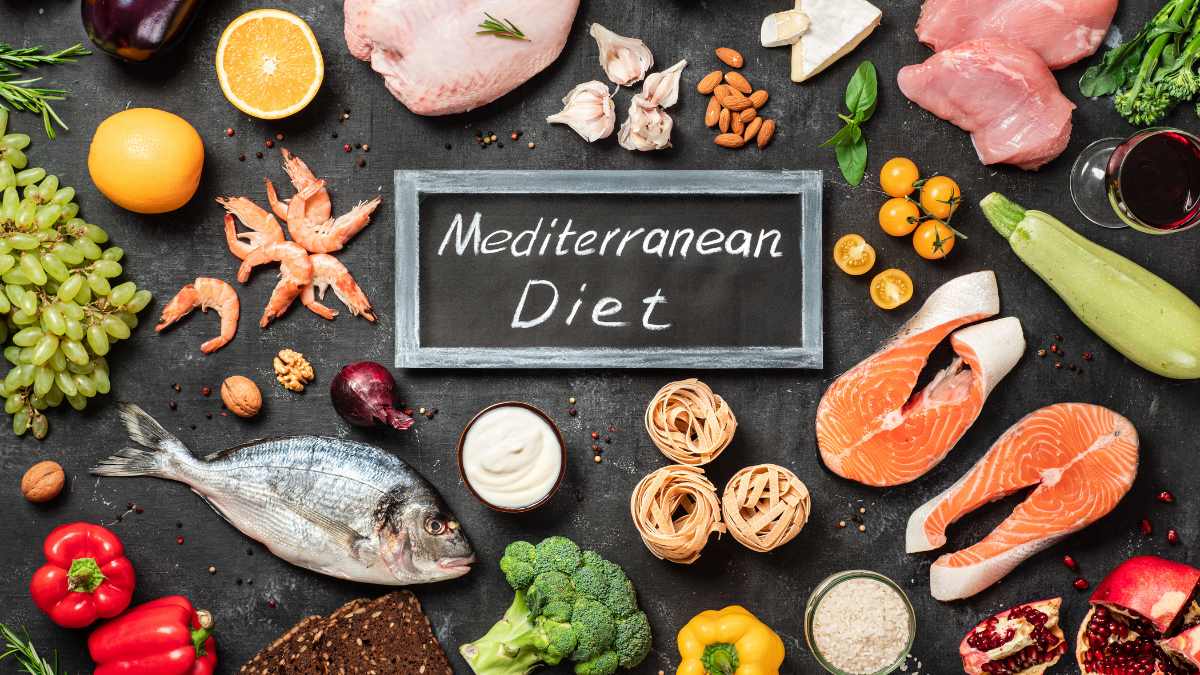
The Mediterranean diet is primarily based on the traditional eating habits of countries bordering the Mediterranean Sea. It emphasizes whole grains, fruits, vegetables, legumes, nuts, and seeds, alongside moderate consumption of fish and poultry. Olive oil serves as the primary source of fat, while red meat and sweets are consumed sparingly. This diet is not just about food; it also encompasses a lifestyle that promotes social interactions and physical activity.
Cheese, particularly varieties such as feta, ricotta, and pecorino, is often included in Mediterranean meals, enhancing both flavor and nutrition. While it is not a primary food group, it serves as a source of protein and calcium. The inclusion of cheese aligns with the Mediterranean diet’s principle of moderation, allowing for enjoyment of rich flavors without overindulgence.
Moreover, the Mediterranean diet is recognized for its flexibility. While it provides guidelines, there is room for personal preferences and regional variations. This adaptability is one reason why cheese can fit into the diet, as different cultures have their unique cheese-making traditions and recipes that contribute to the overall culinary experience.
Lastly, the Mediterranean diet is often associated with a low incidence of chronic diseases such as heart disease and diabetes. The inclusion of cheese, when consumed in moderation, can complement this dietary pattern by providing essential nutrients while also enhancing the enjoyment of meals.
Nutritional Profile of Cheese in Mediterranean Cuisine
Cheese is a rich source of essential nutrients, including calcium, protein, and vitamins such as B12 and A. Different types of cheese offer varying nutritional benefits. For instance, feta cheese, commonly used in Mediterranean salads, is lower in fat and calories compared to many other cheese varieties, making it a popular choice for those seeking a lighter option.
In addition to its nutritional content, cheese also contains probiotics, which are beneficial for gut health. These live bacteria can aid digestion and enhance the immune system, contributing to overall well-being. The fermentation process involved in cheese-making not only preserves the milk but also enriches it with these beneficial microorganisms.
However, it is essential to consider the sodium content in cheese, as some varieties can be quite high in salt. This factor is particularly relevant for individuals monitoring their sodium intake for health reasons. Choosing lower-sodium options or consuming cheese in moderation can help mitigate potential health risks.
Furthermore, cheese can be paired with various foods typical of the Mediterranean diet, such as whole-grain bread, olives, and fresh vegetables. This combination not only enhances the flavor profile of meals but also contributes to a more balanced nutrient intake.
Historical Context: Cheese Consumption in Mediterranean Regions
Cheese has been a staple in Mediterranean diets for thousands of years, with archaeological evidence suggesting that cheese-making dates back to ancient civilizations. The Greeks and Romans valued cheese not only for its nutritional benefits but also for its role in social and religious practices. It was often used in rituals and as offerings to the gods, reflecting its significance in their cultures.
Different regions within the Mediterranean have developed their unique cheese varieties, influenced by local ingredients and traditions. For example, Greek feta, Italian Parmigiano-Reggiano, and Spanish Manchego each carry distinct flavors and textures that showcase the diversity of cheese in this region. These cheeses often reflect the agricultural practices and climate of their respective areas.
The practice of cheese-making is also closely tied to the pastoral lifestyle prevalent in many Mediterranean countries. Shepherds and farmers would produce cheese as a means of preserving milk, allowing them to sustain their families during leaner months. This historical context underscores the importance of cheese as a practical and nutritious food source throughout Mediterranean history.
As globalization has increased, the popularity of Mediterranean cheeses has spread beyond their traditional boundaries. Today, they are enjoyed worldwide, contributing to the continued appreciation of Mediterranean culinary traditions.
Health Benefits of Including Cheese in the Diet
Incorporating cheese into a balanced Mediterranean diet can offer several health benefits. The calcium found in cheese is crucial for maintaining strong bones and teeth, making it an essential component of a healthy diet, particularly for older adults. Additionally, cheese provides a good source of protein, which is vital for muscle repair and growth.
Research has shown that moderate cheese consumption may be linked to a lower risk of cardiovascular diseases. The presence of beneficial fatty acids in certain cheeses, such as those derived from grass-fed animals, can contribute to heart health. Furthermore, cheese contains bioactive compounds that may help reduce inflammation in the body.
Moreover, cheese can enhance satiety, making it easier to manage hunger and potentially aiding in weight management. The combination of protein and fat in cheese can help individuals feel fuller for longer, reducing the likelihood of overeating or snacking on less nutritious foods.
However, it is essential to consume cheese in moderation, as excessive intake can lead to increased calorie and sodium consumption. Balancing cheese with other food groups within the Mediterranean diet ensures that individuals can enjoy its benefits without compromising their overall health.
Comparative Analysis: Cheese vs. Other Dairy Products
When comparing cheese to other dairy products, several factors come into play, including nutritional content, culinary uses, and health implications. Yogurt, for instance, is another staple in Mediterranean diets, known for its probiotic content and digestive benefits. While cheese is often higher in fat and calories, yogurt provides a lighter alternative that is also rich in protein and calcium.
Milk, the base ingredient for both cheese and yogurt, serves as a versatile component in Mediterranean cuisine. However, cheese offers a concentrated source of nutrients due to the fermentation and aging processes. This concentration can make cheese a more flavorful and satisfying option in various dishes, from salads to pasta.
In terms of health benefits, both cheese and yogurt can contribute positively to gut health, but they do so in different ways. While yogurt is typically consumed for its probiotic benefits, cheese can also provide these advantages, depending on the type and preparation method. For example, aged cheeses may have fewer probiotics than fresh varieties, but they still offer a wealth of nutrients.
Ultimately, the choice between cheese and other dairy products depends on individual dietary preferences and health goals. Incorporating a variety of dairy options, including cheese, can enhance the overall nutritional quality of the Mediterranean diet.
Conclusions: Cheese’s Role in a Balanced Mediterranean Diet
In summary, cheese can indeed play a valuable role in a balanced Mediterranean diet. Its rich nutritional profile, historical significance, and potential health benefits make it a worthy inclusion when consumed in moderation. The diversity of cheeses available allows for a wide range of culinary applications, enhancing the flavors and textures of Mediterranean dishes.
While it is essential to be mindful of sodium and fat content, the overall benefits of cheese, particularly when paired with other whole foods, contribute to the Mediterranean diet’s reputation as a health-promoting eating pattern. As with any food, moderation is key, and incorporating cheese thoughtfully can lead to a more enjoyable and nutritious dietary experience.
As the Mediterranean diet continues to gain popularity worldwide, understanding the role of cheese within this framework can help individuals make informed choices that align with their health and wellness goals.
Read more
Here are five reliable sources that provide additional insights into the Mediterranean diet and the role of cheese:
-
Mediterranean Diet: A Comprehensive Guide – A detailed overview of the Mediterranean diet, its components, and health benefits.
-
The Health Benefits of Cheese – An article discussing the nutritional benefits of cheese and its role in a healthy diet.
-
Cheese and Health: A Review – A scientific review exploring the health implications of cheese consumption.
-
Mediterranean Diet and Its Health Benefits – The American Heart Association’s perspective on the Mediterranean diet and its cardiovascular benefits.
-
Cheese Varieties and Their Nutritional Profiles – A resource for exploring different types of cheese and their nutritional information.