

Introduction:
The Mediterranean diet is widely recognized for its health benefits, emphasizing whole foods, healthy fats, and a variety of flavors. A common question that arises is whether chicken fits into this dietary pattern. This article will explore the Mediterranean diet’s components, the nutritional profile of chicken, its comparison to other protein sources, the role of lean proteins, culinary techniques for preparation, and how to integrate chicken into a balanced diet plan.
Understanding the Mediterranean Diet: Key Components Explained
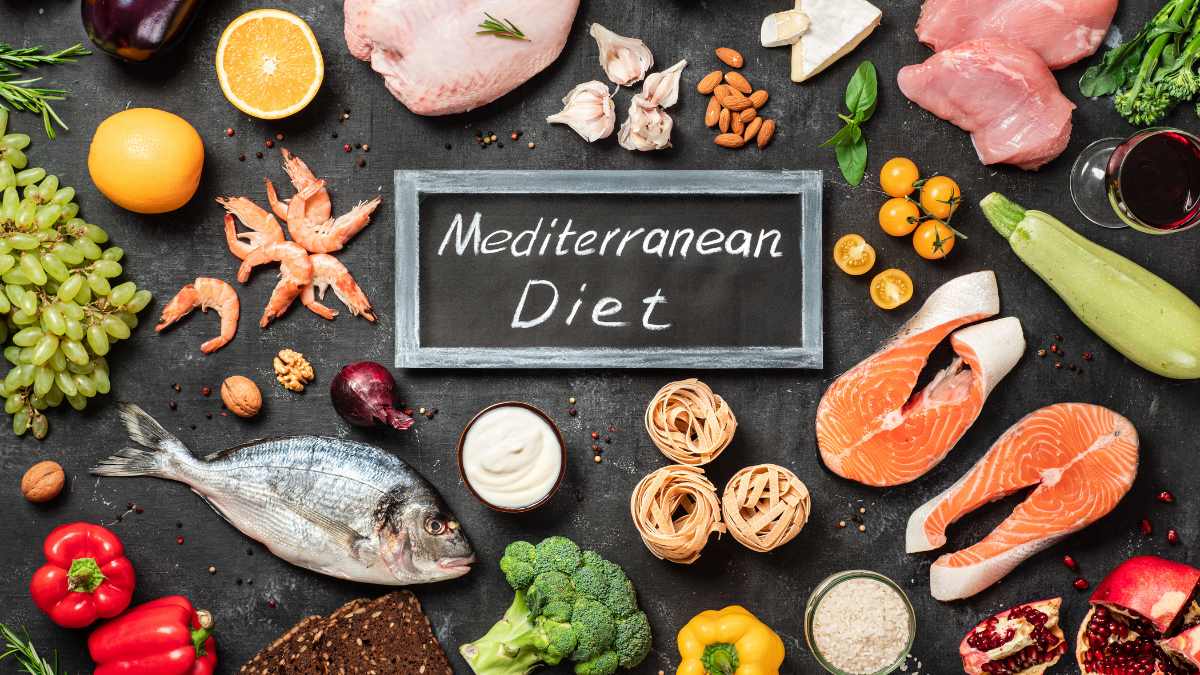
The Mediterranean diet is rooted in the traditional eating habits of countries bordering the Mediterranean Sea, such as Greece, Italy, and Spain. It is characterized by a high intake of fruits, vegetables, whole grains, legumes, nuts, and seeds. Healthy fats, particularly olive oil, are emphasized, while red meat and processed foods are limited. This diet is not just about food choices; it also promotes a lifestyle that includes physical activity and social connections during meals.
Another critical aspect of the Mediterranean diet is its focus on seasonality and local produce. Eating foods that are in season not only enhances flavor but also ensures maximum nutritional value. The diet encourages a variety of colors and textures, which can make meals more enjoyable and satisfying. In addition, the Mediterranean lifestyle promotes moderation, allowing for occasional indulgences without guilt.
The Mediterranean diet has been linked to numerous health benefits, including reduced risks of heart disease, stroke, and certain cancers. Studies suggest that the combination of its components contributes to improved metabolic health and longevity. This dietary pattern is not just a temporary diet but a sustainable way of eating that can be maintained over a lifetime.
Finally, the Mediterranean diet is flexible, allowing for personal preferences and cultural variations. This adaptability is one reason it has gained popularity worldwide. As we explore the role of chicken within this framework, it is essential to understand how it can complement the diet’s foundational principles.
Nutritional Profile of Chicken: Benefits and Considerations
Chicken is a popular source of lean protein, making it a favorable option for those following the Mediterranean diet. A 3.5-ounce serving of skinless chicken breast contains approximately 31 grams of protein, making it an excellent choice for muscle maintenance and repair. Additionally, chicken is low in saturated fat, especially when the skin is removed, which aligns with the Mediterranean emphasis on healthy fats.
One of the significant benefits of chicken is its versatility in culinary applications. It can be grilled, roasted, or sautéed, allowing for various flavor profiles that can complement Mediterranean ingredients like herbs, spices, and citrus. However, it is essential to consider the source of the chicken. Opting for organic or free-range chicken can enhance the nutritional quality and ethical considerations of your meals.
While chicken offers numerous benefits, it is crucial to be mindful of portion sizes and preparation methods. Fried or heavily processed chicken can negate the health benefits associated with lean protein. Therefore, focusing on healthier cooking techniques is vital to maintaining the integrity of the Mediterranean diet.
In summary, chicken can be a nutritious addition to the Mediterranean diet, provided it is prepared mindfully and sourced responsibly. Its high protein content, low saturated fat, and culinary versatility make it a valuable component of a balanced meal plan.
Comparing Chicken to Other Protein Sources in the Diet
When considering protein sources within the Mediterranean diet, chicken holds its ground alongside other options such as fish, legumes, and nuts. Fish, particularly fatty varieties like salmon and sardines, are rich in omega-3 fatty acids, which are essential for heart health. They also provide a different nutrient profile, including vitamin D and selenium. While chicken is an excellent source of protein, it lacks the omega-3s found in fish.
Legumes, such as lentils and chickpeas, are another staple in the Mediterranean diet. They are rich in fiber, which aids in digestion and promotes satiety. Legumes also provide plant-based protein, making them an excellent alternative for those looking to reduce meat consumption. However, chicken offers a higher protein density, making it a more efficient source for those needing increased protein intake.
Nuts and seeds are also integral to the Mediterranean diet, providing healthy fats, fiber, and various vitamins and minerals. They can be consumed as snacks or added to salads and dishes for added texture and flavor. While chicken is low in carbohydrates, nuts and seeds offer healthy fats that are crucial for overall health.
Ultimately, the Mediterranean diet encourages a diverse intake of protein sources. Incorporating chicken alongside fish, legumes, and nuts can provide a well-rounded approach to meeting protein needs while enjoying the diet’s rich flavors and health benefits.
The Role of Lean Proteins in Mediterranean Eating Patterns
Lean proteins, such as chicken, play a vital role in the Mediterranean diet by providing essential amino acids necessary for bodily functions. The diet emphasizes the importance of balancing protein intake with other macronutrients, particularly healthy fats and carbohydrates from whole foods. This balance helps maintain energy levels and supports overall health.
In Mediterranean eating patterns, lean proteins are often paired with colorful vegetables and whole grains. This combination not only enhances the meal’s nutritional profile but also promotes satiety. For example, a grilled chicken breast served with a quinoa salad and a variety of roasted vegetables creates a balanced plate that aligns with Mediterranean principles.
Moreover, lean proteins like chicken can help manage weight and support metabolic health. The high protein content can increase feelings of fullness, reducing the likelihood of overeating. When combined with the diet’s emphasis on whole foods and healthy fats, chicken can be a valuable ally in achieving and maintaining a healthy weight.
Incorporating lean proteins into meals can also facilitate social connections, a significant aspect of the Mediterranean lifestyle. Sharing a meal that includes chicken and vibrant sides encourages communal dining and fosters relationships, enhancing the overall experience of eating.
Culinary Techniques: Preparing Chicken in Mediterranean Cuisine
The Mediterranean diet is renowned for its delicious and aromatic dishes, and chicken can be prepared in various ways that highlight its versatility. Grilling is a popular method, as it imparts a smoky flavor while keeping the meat tender and juicy. Marinating chicken in olive oil, lemon juice, garlic, and fresh herbs before grilling can elevate its taste and nutritional value.
Roasting is another favored technique that allows for the infusion of flavors. Whole chickens can be roasted with a variety of vegetables, such as potatoes, carrots, and bell peppers, creating a one-pan meal that is both satisfying and visually appealing. The addition of herbs like rosemary or thyme can enhance the dish’s Mediterranean essence.
Sautéing chicken with seasonal vegetables is a quick and healthy option that retains the nutrients of both the protein and the vegetables. Using a small amount of olive oil and incorporating spices such as paprika or cumin can create a flavorful dish that is easy to prepare. This technique also allows for creativity, as various vegetables can be used depending on availability.
Finally, slow-cooking chicken in stews or soups can yield tender results and allow for the development of rich flavors. Incorporating legumes, tomatoes, and spices can transform a simple chicken dish into a hearty meal that embodies the Mediterranean spirit. These culinary techniques not only enhance the taste of chicken but also align with the diet’s focus on wholesome, fresh ingredients.
Conclusions: Integrating Chicken into a Balanced Diet Plan
Incorporating chicken into a Mediterranean diet can be both enjoyable and beneficial. Its nutritional profile, combined with its versatility in preparation, makes it a suitable choice for those seeking to adopt this dietary pattern. By focusing on lean cuts, mindful cooking methods, and pairing chicken with a variety of vegetables, whole grains, and healthy fats, individuals can create balanced meals that reflect Mediterranean principles.
Moreover, the Mediterranean diet encourages diversity in protein sources. Integrating chicken alongside fish, legumes, and nuts can provide a comprehensive approach to nutrition, ensuring that all essential amino acids and nutrients are consumed. This variety not only supports physical health but also enhances the enjoyment of meals through different flavors and textures.
As with any dietary pattern, moderation and mindfulness are key. Being aware of portion sizes and preparation methods will help maintain the health benefits associated with the Mediterranean diet. Additionally, embracing the social aspect of dining can further enrich the experience of eating chicken within this framework.
Ultimately, chicken can be a valuable addition to a Mediterranean diet, contributing to overall health and well-being while allowing for culinary creativity and enjoyment.
Read more
- Mediterranean Diet Overview – A comprehensive overview of the Mediterranean diet, its components, and health benefits.
- Nutritional Benefits of Chicken – A detailed look at the nutritional profile of chicken and its role in a balanced diet.
- Comparative Protein Sources – A comparison of various protein sources, including chicken, fish, legumes, and nuts.
- Healthy Cooking Techniques – An exploration of healthy cooking techniques that can be applied to chicken and other proteins.
- The Role of Lean Proteins – An academic article discussing the role of lean proteins in dietary patterns and health outcomes.