
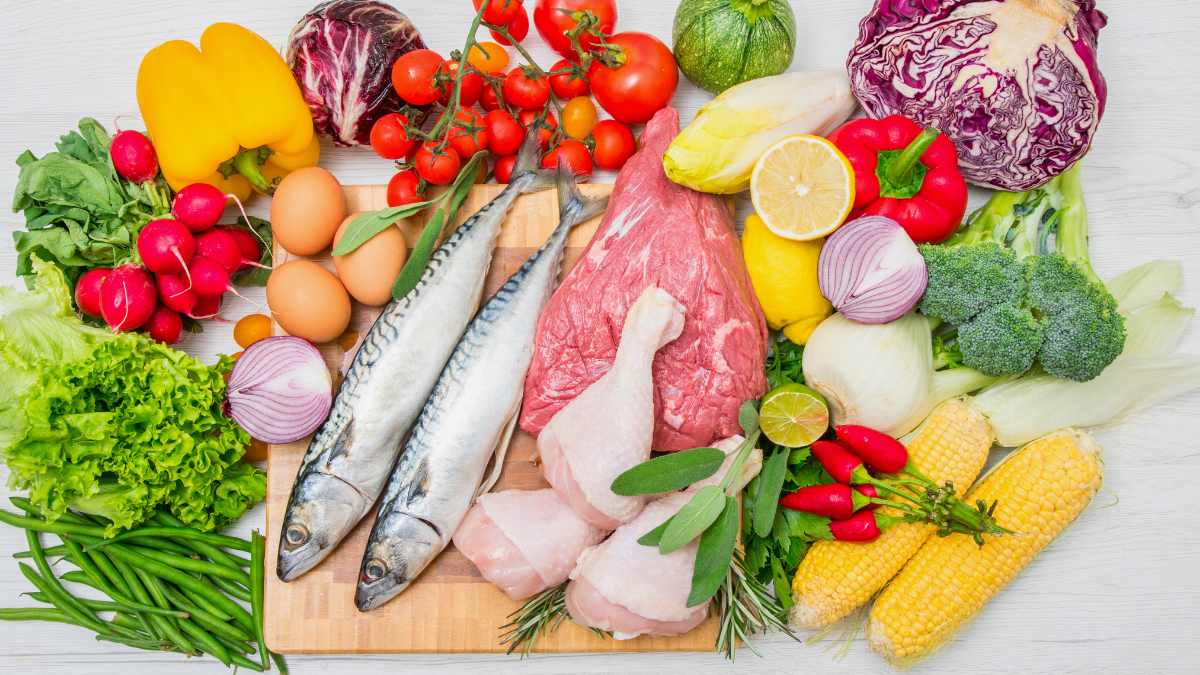

Introduction: The Mediterranean diet is renowned for its numerous health benefits, including promoting heart health, aiding in weight management, and reducing the risk of chronic diseases. One common question that arises is whether chicken, a popular protein source, is suitable for this diet. In this article, we will explore the role of chicken in the Mediterranean diet, examining its nutritional profile, health implications, and best cooking practices, while also considering expert opinions on its inclusion.
Introduction to Chicken in the Mediterranean Diet
Chicken has been a staple in various cuisines around the world, including those that follow the Mediterranean diet. This diet emphasizes the consumption of fruits, vegetables, whole grains, legumes, nuts, and lean proteins, with a particular focus on fish and plant-based sources of protein. However, chicken can also play a significant role due to its versatility and nutritional benefits.
The Mediterranean diet is not a rigid meal plan but rather a flexible eating pattern that can accommodate various foods, including chicken. The key is to consume it in moderation and prepare it in a way that aligns with the principles of the diet. This means avoiding fried or heavily processed chicken dishes and instead opting for grilled, baked, or roasted preparations.
Incorporating chicken into the Mediterranean diet can provide a welcome variety to meals, helping to prevent dietary monotony. It can be used in a wide range of dishes, from salads and soups to main courses, making it a versatile ingredient that can complement the diet’s emphasis on fresh, whole foods.
Moreover, chicken is a relatively affordable protein source, making it accessible to a broader population. This can be particularly beneficial for those looking to adopt the Mediterranean diet without significantly increasing their grocery bills.
While fish and plant-based proteins are often highlighted in the Mediterranean diet, chicken can serve as a valuable alternative, especially for individuals who may not enjoy seafood or are looking to diversify their protein sources. The key is to balance chicken with other recommended foods to ensure a well-rounded diet.
Ultimately, the inclusion of chicken in the Mediterranean diet can be a practical and nutritious choice, provided it is prepared and consumed in a manner consistent with the diet’s principles.
Nutritional Profile of Chicken: Key Benefits
Chicken is a rich source of high-quality protein, which is essential for muscle growth, repair, and overall body function. A 100-gram serving of chicken breast provides approximately 31 grams of protein, making it an excellent option for meeting daily protein requirements.
In addition to protein, chicken is also a good source of essential vitamins and minerals. It contains significant amounts of B vitamins, particularly niacin (B3) and pyridoxine (B6), which play crucial roles in energy metabolism and brain function. Chicken also provides important minerals such as phosphorus and selenium, which are vital for bone health and immune function, respectively.
One of the key benefits of chicken is its relatively low fat content, especially when compared to red meats. Skinless chicken breast, in particular, is low in saturated fat, making it a heart-healthy protein option. This aligns well with the Mediterranean diet’s emphasis on reducing saturated fat intake and promoting cardiovascular health.
Chicken also contains important amino acids, including tryptophan, which is a precursor to serotonin, a neurotransmitter that regulates mood and sleep. This can contribute to overall well-being and mental health, which are important aspects of the Mediterranean lifestyle.
Moreover, chicken is a source of bioavailable iron, which is more easily absorbed by the body compared to plant-based iron sources. This can be particularly beneficial for individuals at risk of iron deficiency, such as women of childbearing age and athletes.
Overall, the nutritional profile of chicken supports its inclusion in a balanced Mediterranean diet, offering a range of essential nutrients that contribute to overall health and well-being.
Comparing Chicken to Other Mediterranean Proteins
When comparing chicken to other protein sources commonly consumed in the Mediterranean diet, such as fish, legumes, and dairy, several factors need to be considered, including nutritional content, health benefits, and culinary versatility.
Fish, particularly fatty fish like salmon, mackerel, and sardines, is a cornerstone of the Mediterranean diet due to its high omega-3 fatty acid content. Omega-3s are known for their anti-inflammatory properties and cardiovascular benefits. While chicken does not provide the same level of omega-3s, it is still a valuable source of lean protein and can complement fish in a varied diet.
Legumes, such as beans, lentils, and chickpeas, are another important protein source in the Mediterranean diet. They are rich in fiber, vitamins, and minerals, and have been associated with numerous health benefits, including improved digestion and reduced risk of chronic diseases. While chicken lacks the fiber content of legumes, it offers a higher protein density, making it a suitable option for meeting protein needs.
Dairy products, including yogurt and cheese, are also integral to the Mediterranean diet. They provide calcium, probiotics, and additional protein. However, dairy products can be high in saturated fat, so choosing low-fat options is recommended. Chicken, particularly skinless breast, offers a leaner alternative with lower saturated fat content.
Nuts and seeds are another protein source in the Mediterranean diet, providing healthy fats, fiber, and various micronutrients. While they are excellent for heart health and can be included in various dishes, they are also calorie-dense. Chicken, on the other hand, provides a high protein content with fewer calories, which can be advantageous for those managing their weight.
Eggs are also consumed in moderation within the Mediterranean diet and are a good source of protein and essential nutrients. However, they can be high in cholesterol, so balancing egg consumption with other protein sources like chicken can help maintain a heart-healthy diet.
In summary, while chicken may not offer all the unique benefits of other Mediterranean proteins, it provides a complementary option that can enhance dietary variety and meet protein needs effectively.
Health Implications of Including Chicken
Including chicken in the Mediterranean diet can have several positive health implications, provided it is consumed in moderation and prepared using healthy cooking methods. One of the primary benefits is its contribution to lean muscle mass due to its high protein content. This is particularly important for maintaining muscle strength and function, especially as one ages.
Chicken’s low saturated fat content, especially when skinless, makes it a heart-healthy protein choice. Consuming lean proteins like chicken can help reduce the risk of cardiovascular diseases by lowering cholesterol levels and promoting better heart health. This aligns with the Mediterranean diet’s overall goal of supporting cardiovascular wellness.
The presence of essential vitamins and minerals in chicken, such as B vitamins, phosphorus, and selenium, contributes to various aspects of health, including energy production, bone health, and immune function. These nutrients are crucial for maintaining overall well-being and preventing nutrient deficiencies.
Chicken’s role in weight management should not be overlooked. As a high-protein, low-calorie food, it can help promote satiety and reduce overall calorie intake. This can be beneficial for individuals looking to lose weight or maintain a healthy weight, which is a key component of the Mediterranean lifestyle.
Moreover, chicken’s amino acid profile, including tryptophan, can positively impact mental health by supporting serotonin production. This can help improve mood and sleep quality, contributing to overall mental well-being.
However, it is important to be mindful of the potential risks associated with chicken consumption, such as the presence of harmful bacteria like Salmonella and Campylobacter. Proper handling, cooking, and storage of chicken are essential to prevent foodborne illnesses. Additionally, choosing organic or free-range chicken can reduce exposure to antibiotics and hormones, further aligning with the Mediterranean diet’s emphasis on natural and minimally processed foods.
Best Practices for Cooking Chicken Mediterranean Style
To fully integrate chicken into the Mediterranean diet, it is essential to adopt cooking methods that align with the diet’s principles. One of the best practices is to use healthy fats, such as extra virgin olive oil, for cooking. Olive oil is a staple of the Mediterranean diet and provides beneficial monounsaturated fats and antioxidants.
Grilling is a popular method for preparing chicken in Mediterranean cuisine. It allows for even cooking and imparts a delicious smoky flavor without the need for excessive fats. Marinating chicken in a mixture of olive oil, lemon juice, garlic, and Mediterranean herbs like oregano and thyme can enhance its flavor and tenderness while keeping it healthy.
Baking or roasting chicken is another excellent method that retains its nutritional value. Using a variety of vegetables, such as bell peppers, tomatoes, and zucchini, as a bed for the chicken can create a balanced and nutritious meal. Adding a splash of white wine or a sprinkle of fresh herbs can elevate the dish’s flavor profile.
Sautéing chicken with vegetables and legumes in a Mediterranean-style stir-fry can also be a quick and healthy option. Using a non-stick pan and a small amount of olive oil, you can create a flavorful and nutrient-dense meal that adheres to the diet’s principles.
Incorporating chicken into salads is another way to enjoy it Mediterranean-style. Grilled or baked chicken can be added to a bed of mixed greens, cherry tomatoes, cucumbers, olives, and feta cheese, drizzled with a light vinaigrette made from olive oil and balsamic vinegar. This creates a refreshing and balanced meal that is both satisfying and nutritious.
Lastly, soups and stews are traditional Mediterranean dishes that can include chicken. Combining chicken with legumes, vegetables, and aromatic herbs in a slow cooker or pot can produce a hearty and comforting meal. Using bone-in chicken can add extra flavor and nutrients to the broth, making it a wholesome option for colder months.
Expert Opinions on Chicken in Mediterranean Diets
Experts generally agree that chicken can be a suitable and beneficial addition to the Mediterranean diet when consumed in moderation and prepared using healthy methods. Dr. Walter Willett, a prominent nutrition expert from Harvard T.H. Chan School of Public Health, emphasizes the importance of variety and balance in the diet. He suggests that lean proteins like chicken can complement other protein sources and contribute to overall dietary diversity.
Nutritionist and author Dr. Michael Mosley also supports the inclusion of chicken in the Mediterranean diet. He highlights its high protein content and low saturated fat levels, which align with the diet’s goals of promoting heart health and maintaining a healthy weight. Dr. Mosley recommends choosing organic or free-range chicken to avoid exposure to antibiotics and hormones.
Registered dietitian Elena Paravantes, a specialist in Mediterranean nutrition, notes that while fish and plant-based proteins are often emphasized, chicken can provide a practical and nutritious alternative. She advises incorporating chicken into traditional Mediterranean dishes and using it to add variety to meals.
Dr. Dariush Mozaffarian, a cardiologist and dean of the Friedman School of Nutrition Science and Policy at Tufts University, underscores the importance of preparation methods. He cautions against fried or heavily processed chicken products and advocates for grilling, baking, or roasting to preserve the nutritional integrity of the meat.
The American Heart Association also recognizes chicken as a heart-healthy protein option when consumed without the skin and prepared using healthy cooking techniques. They recommend incorporating it into a balanced diet that includes a variety of other protein sources, such as fish, legumes, and nuts.
Overall, expert opinions support the inclusion of chicken in the Mediterranean diet, provided it is prepared in a manner consistent with the diet’s principles. This includes using healthy fats, avoiding processed forms, and balancing it with other nutrient-dense foods.
Conclusion: Chicken can be a valuable and nutritious addition to the Mediterranean diet when consumed in moderation and prepared using healthy cooking methods. Its high protein content, essential vitamins and minerals, and low saturated fat levels make it a suitable alternative to other protein sources. By incorporating chicken into a variety of dishes and balancing it with other recommended foods, individuals can enjoy a diverse and health-promoting diet.
Read More…
-
Harvard T.H. Chan School of Public Health – The Nutrition Source: Mediterranean Diet
- This resource provides a comprehensive overview of the Mediterranean diet, including its health benefits and recommended foods.
-
American Heart Association – Protein and Heart Health
- This article discusses the role of different protein sources, including chicken, in maintaining heart health.
-
Mayo Clinic – Mediterranean Diet: A Heart-Healthy Eating Plan
- Mayo Clinic provides detailed information on the Mediterranean diet, including food recommendations and health benefits.
-
Tufts University – Friedman School of Nutrition Science and Policy: Mediterranean Diet
- This resource offers insights from leading nutrition experts on the benefits and principles of the Mediterranean diet.
-
Oldways – Mediterranean Diet Pyramid
- Oldways presents a visual guide to the Mediterranean diet pyramid, highlighting the importance of various food groups, including lean proteins like chicken.