

Se hai un abbonamento attivo ACCEDI QUI
Introduction:
The Mediterranean diet is renowned for its health benefits, emphasizing whole foods, healthy fats, and a variety of plant-based ingredients. As people explore this dietary pattern, questions often arise about the inclusion of specific foods, such as corn. This article delves into whether corn fits within the Mediterranean diet framework, examining its nutritional profile, historical context, and compatibility with traditional Mediterranean grains.
Understanding the Mediterranean Diet: Key Components Explained
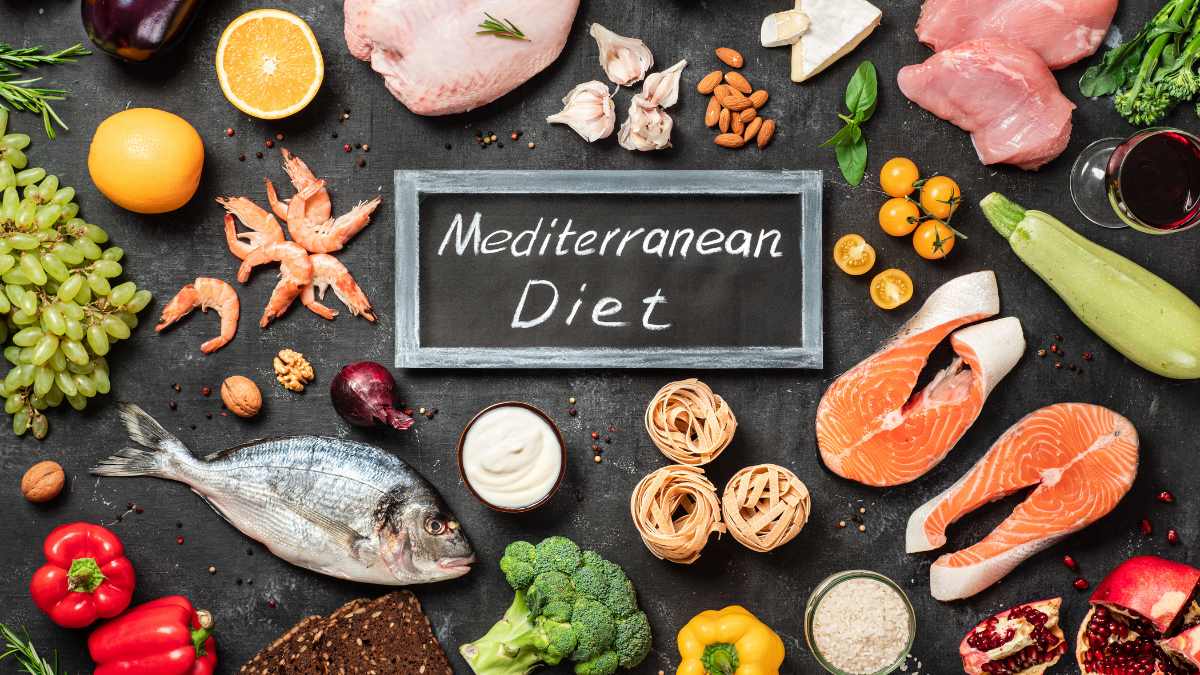
The Mediterranean diet is characterized by a high intake of fruits, vegetables, whole grains, legumes, nuts, and seeds, complemented by moderate consumption of fish and poultry. Olive oil serves as the primary source of fat, while red meat and sweets are limited. This dietary pattern is not just about food choices; it also emphasizes a lifestyle that includes regular physical activity and social interactions during meals.
Key components of this diet contribute to its health benefits, including reduced risk of heart disease, improved metabolic health, and enhanced longevity. The focus on whole, minimally processed foods ensures a rich supply of vitamins, minerals, and antioxidants. Additionally, the Mediterranean diet promotes dietary diversity, which is essential for gut health and overall well-being.
The Mediterranean diet also encourages the consumption of seasonal and local foods, which can vary by region. This aspect fosters a connection to the land and supports sustainable agricultural practices. As such, the inclusion of various grains, legumes, and vegetables can differ from one Mediterranean country to another, leading to unique culinary traditions.
Understanding these components is crucial when considering the role of corn within this dietary framework. While corn is not a staple in all Mediterranean regions, its nutritional value and culinary versatility may warrant its inclusion in a modern interpretation of the diet.
Nutritional Profile of Corn: Benefits and Drawbacks
Corn is a nutrient-dense grain that provides a variety of health benefits. It is a good source of carbohydrates, offering energy for daily activities. Additionally, corn contains essential nutrients, including fiber, vitamins B and C, and minerals such as magnesium and potassium. The fiber content in corn aids digestion and can help regulate blood sugar levels.
However, there are some drawbacks to consider. Corn is relatively high in calories compared to other vegetables, which may be a concern for those monitoring their caloric intake. Furthermore, most corn consumed today is genetically modified and often processed into products like corn syrup, which can detract from its nutritional value. Therefore, the form in which corn is consumed matters significantly.
Another aspect to consider is the glycemic index of corn. While it is lower than that of refined grains, it is still higher than many other whole grains commonly found in Mediterranean diets. This factor may impact blood sugar levels, making it essential to consume corn in moderation and in combination with other nutrient-rich foods.
In summary, corn offers both benefits and drawbacks. Its nutritional profile is robust, but careful consideration of its form and portion size is necessary to align with the principles of the Mediterranean diet.
Corn’s Role in Mediterranean Cuisine: A Historical Perspective
Historically, corn has played a varied role in Mediterranean cuisine, particularly in regions like southern Italy and Spain. Introduced to Europe from the Americas in the late 15th century, corn quickly adapted to local agricultural practices and became a staple in many rural diets. In Italy, for example, polenta, a dish made from ground corn, became a beloved comfort food.
In Spain, corn is often used in traditional dishes such as arepas and tortillas, showcasing its versatility. These dishes highlight how corn can be integrated into Mediterranean cuisine, providing a source of sustenance and flavor. The use of corn in these regions reflects the adaptability of the Mediterranean diet to incorporate new ingredients while maintaining its core principles.
Moreover, corn has been utilized in various forms, including fresh, dried, and ground. This adaptability allows for a wide range of culinary applications, from soups and stews to baked goods. As a result, corn has become a beloved ingredient in many Mediterranean households, contributing to the rich tapestry of flavors and textures characteristic of the region.
Despite its historical significance, corn is often overshadowed by more traditional grains like wheat, barley, and rice in Mediterranean diets. However, its inclusion in modern Mediterranean cooking continues to evolve, reflecting changing dietary preferences and cultural exchanges.
Comparing Corn with Traditional Mediterranean Grains
When comparing corn to traditional Mediterranean grains, several factors come into play, including nutritional content, culinary versatility, and cultural significance. Wheat, for instance, is a primary grain in Mediterranean diets, used in bread, pasta, and pastries. It offers a different nutrient profile, with higher protein content and gluten, which is essential for many baked goods.
Barley and farro are also staples in Mediterranean cuisine, known for their high fiber content and low glycemic index. These grains are often used in salads, soups, and side dishes, providing a hearty base for meals. In contrast, corn is primarily consumed as a side dish or ingredient rather than a staple grain, which may limit its role in traditional Mediterranean meals.
From a culinary perspective, corn offers unique flavors and textures that can complement Mediterranean dishes. Its natural sweetness pairs well with savory ingredients, making it a versatile addition to salads, salsas, and even risottos. However, the lack of gluten in corn means it cannot replace wheat in baking, which may limit its use in certain recipes.
Ultimately, while corn may not hold the same status as traditional Mediterranean grains, it can still play a valuable role in a contemporary Mediterranean diet. Its inclusion can enhance dietary diversity and provide new flavors, aligning with the diet’s emphasis on variety and health.
Dietary Guidelines: Is Corn Compatible with Mediterranean Eating?
The compatibility of corn with Mediterranean eating largely depends on how it is prepared and consumed. As a whole grain, corn can fit into the Mediterranean diet when enjoyed in moderation and as part of a balanced meal. Incorporating corn into dishes alongside other vegetables, legumes, and healthy fats can enhance its nutritional value and align with dietary principles.
When considering portion sizes, it is essential to treat corn as a complement rather than the main component of a meal. For instance, using corn in a salad with leafy greens, beans, and a drizzle of olive oil can create a nutrient-rich dish that reflects Mediterranean principles. This approach allows individuals to enjoy the flavors of corn while maintaining the diet’s focus on variety and balance.
Moreover, choosing whole corn products, such as polenta or cornmeal, can provide additional health benefits compared to processed corn products. Whole corn retains more of its natural nutrients and fiber, making it a healthier option. As with any food, moderation is key; excessive consumption of corn, particularly in processed forms, may lead to an imbalance in the diet.
In summary, corn can be compatible with Mediterranean eating when approached thoughtfully. By focusing on whole corn products, practicing portion control, and incorporating it into a diverse array of dishes, individuals can enjoy the benefits of corn while adhering to the Mediterranean diet’s principles.
Conclusions:
Incorporating corn into a Mediterranean diet is not only possible but can also be beneficial when done thoughtfully. By understanding its nutritional profile, historical context, and culinary versatility, individuals can make informed choices about including corn in their meals. Balancing corn with traditional grains and a variety of other ingredients can enhance dietary diversity and align with the Mediterranean diet’s core principles.
Read more:
- Mediterranean Diet: A Comprehensive Overview – An in-depth look at the Mediterranean diet, its components, and health benefits.
- Nutritional Profile of Corn – A detailed breakdown of the nutritional content of corn from the USDA FoodData Central.
- The Role of Grains in the Mediterranean Diet – A scholarly article discussing the significance of grains in Mediterranean eating patterns.
- Health Benefits of Corn – An overview of the health benefits and potential drawbacks of corn consumption.
- Exploring Mediterranean Cuisine – A guide to the flavors, ingredients, and dishes that define Mediterranean cuisine.