

Se hai un abbonamento attivo ACCEDI QUI
Introduction: The Mediterranean diet is renowned for its health benefits, including reduced risks of chronic diseases and improved longevity. This dietary pattern emphasizes whole grains, fruits, vegetables, legumes, nuts, and olive oil, with moderate consumption of fish and poultry. However, as global culinary practices evolve, questions arise about the inclusion of various foods in this diet. One such food is corn. This article delves into whether corn is permissible in a Mediterranean diet by examining its nutritional profile, traditional usage, health benefits, and expert opinions.
Understanding the Mediterranean Diet Basics
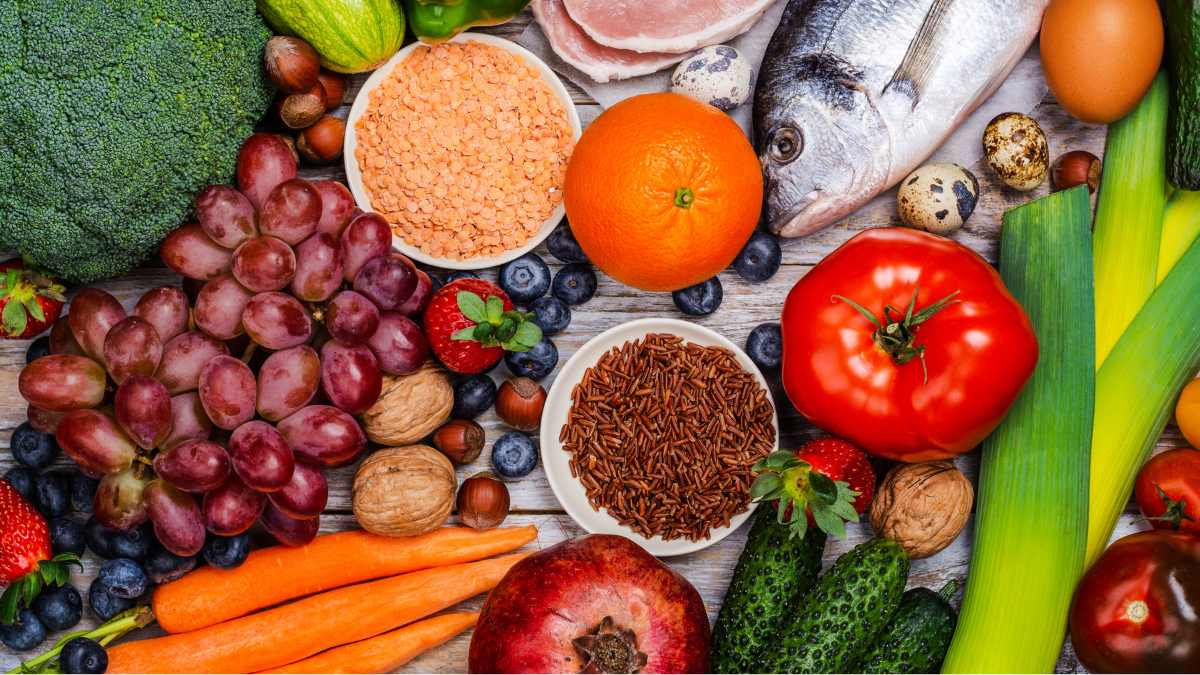
The Mediterranean diet is rooted in the traditional eating habits of countries bordering the Mediterranean Sea, such as Greece, Italy, and Spain. This diet is characterized by a high intake of plant-based foods, including fruits, vegetables, whole grains, legumes, and nuts. Olive oil serves as the primary source of fat, while fish and poultry are consumed in moderate amounts. Red meat and sweets are eaten sparingly.
Central to the Mediterranean diet is the concept of balance and variety. This dietary pattern promotes the consumption of seasonal and locally-sourced foods, which are often minimally processed. The focus is on whole foods that provide essential nutrients and support overall health.
The Mediterranean diet also emphasizes the importance of lifestyle factors, such as regular physical activity and social interactions during meals. This holistic approach contributes to the diet’s effectiveness in promoting health and well-being.
In terms of macronutrient distribution, the Mediterranean diet typically includes a higher proportion of healthy fats, primarily from olive oil, nuts, and fish. Carbohydrates are mainly derived from whole grains, fruits, and vegetables, while protein sources include legumes, fish, and poultry.
Given its emphasis on whole grains, the Mediterranean diet naturally raises questions about the inclusion of various grains, such as corn. While corn is not traditionally associated with Mediterranean cuisine, its nutritional profile and potential health benefits warrant consideration.
Nutritional Profile of Corn: A Detailed Analysis
Corn is a versatile grain that offers a range of nutrients essential for maintaining good health. It is a rich source of carbohydrates, providing energy for daily activities. A 100-gram serving of corn kernels contains approximately 19 grams of carbohydrates, making it a substantial energy source.
In addition to carbohydrates, corn provides dietary fiber, which aids in digestion and helps maintain healthy blood sugar levels. A 100-gram serving of corn contains about 2.7 grams of fiber, contributing to the recommended daily intake for adults.
Corn is also a good source of essential vitamins and minerals. It contains significant amounts of vitamin B6, thiamine (vitamin B1), and folate, which are crucial for energy metabolism and neurological health. Additionally, corn provides minerals such as magnesium, phosphorus, and potassium, which support bone health and cardiovascular function.
One of the unique aspects of corn is its content of antioxidants, including lutein and zeaxanthin. These compounds are known for their role in promoting eye health and reducing the risk of age-related macular degeneration.
Despite its nutritional benefits, corn has a relatively high glycemic index (GI), which means it can cause a rapid increase in blood sugar levels. This characteristic may be a concern for individuals with diabetes or those monitoring their blood sugar levels.
Overall, corn’s nutritional profile suggests that it can be a valuable addition to a balanced diet, provided it is consumed in moderation and as part of a varied diet.
Corn’s Role in Traditional Mediterranean Cuisine
Corn is not a staple in traditional Mediterranean cuisine, which primarily features grains such as wheat, barley, and rice. However, corn has found its way into certain Mediterranean dishes, particularly in regions where it has been introduced through trade and cultural exchange.
In some parts of Italy, for example, polenta—a dish made from boiled cornmeal—has become a popular staple. Polenta can be served in various forms, including creamy, baked, or grilled, and is often paired with vegetables, cheese, or meat.
In Spain, corn is occasionally used in dishes such as "pisto," a vegetable stew similar to ratatouille, where corn kernels add a sweet and crunchy texture. Additionally, cornmeal is sometimes used to make traditional Spanish breads and pastries.
In Greece, corn is less commonly used, but it can be found in certain regional dishes. For instance, "bobota" is a type of cornbread that has historical significance and is made with cornmeal, olive oil, and sometimes feta cheese.
While corn is not a primary ingredient in traditional Mediterranean cuisine, its presence in certain regional dishes indicates that it can be incorporated into the diet without straying from its core principles. The key is to use corn in moderation and in combination with other nutrient-dense foods.
Overall, corn’s role in Mediterranean cuisine is limited but not entirely absent. Its inclusion in certain dishes demonstrates the adaptability of the Mediterranean diet to incorporate diverse foods while maintaining its health benefits.
Evaluating Corn’s Health Benefits and Drawbacks
Corn offers several health benefits that align with the principles of the Mediterranean diet. Its high fiber content supports digestive health and helps regulate blood sugar levels. Fiber also promotes satiety, which can aid in weight management.
The presence of antioxidants such as lutein and zeaxanthin in corn is beneficial for eye health. These antioxidants help protect against oxidative stress and reduce the risk of age-related macular degeneration, a common cause of vision loss in older adults.
Corn is also a good source of B vitamins, which play a crucial role in energy metabolism and neurological function. These vitamins help convert food into energy and support brain health, which is important for maintaining cognitive function as we age.
However, there are some drawbacks to consider when incorporating corn into a Mediterranean diet. Corn has a relatively high glycemic index, which means it can cause rapid spikes in blood sugar levels. This characteristic may be a concern for individuals with diabetes or those who need to monitor their blood sugar levels closely.
Another potential drawback is the risk of consuming genetically modified (GM) corn. A significant portion of corn produced globally is genetically modified, which raises concerns about potential health and environmental impacts. Opting for organic or non-GM corn can help mitigate these concerns.
Finally, while corn provides essential nutrients, it should not replace other whole grains in the Mediterranean diet. Variety is a key principle of this dietary pattern, and relying too heavily on one type of grain can lead to nutrient imbalances.
Integrating Corn into a Balanced Mediterranean Diet
Integrating corn into a Mediterranean diet can be done thoughtfully to ensure it complements the overall dietary pattern. One approach is to use corn as a side dish or ingredient in mixed dishes rather than as a primary staple.
For example, adding corn kernels to salads can provide a sweet and crunchy texture while boosting the fiber and nutrient content. Corn can also be used in vegetable stews, soups, and casseroles, where it complements other vegetables and legumes.
Polenta, a dish made from boiled cornmeal, can be a versatile addition to the Mediterranean diet. It can be served creamy, baked, or grilled, and paired with a variety of toppings such as vegetables, cheese, or lean proteins. Polenta can also be used as a base for vegetable or seafood dishes.
Cornmeal can be used in baking to create cornbread or muffins, which can be enjoyed as part of a balanced breakfast or snack. When baking with cornmeal, it is important to use whole-grain cornmeal to maximize the fiber and nutrient content.
When incorporating corn into the Mediterranean diet, it is essential to maintain variety and balance. Corn should be consumed alongside other whole grains, such as wheat, barley, and quinoa, to ensure a diverse intake of nutrients.
Finally, choosing organic or non-GM corn can help address concerns about genetically modified organisms (GMOs) and potential health impacts. By making mindful choices, corn can be a valuable addition to a balanced Mediterranean diet.
Expert Opinions on Corn in Mediterranean Nutrition
Experts in nutrition and dietetics have varying opinions on the inclusion of corn in the Mediterranean diet. Some experts argue that corn can be a valuable addition due to its nutrient content and versatility in cooking.
Dr. Maria Papadopoulou, a nutritionist specializing in Mediterranean diets, suggests that corn can be included in moderation. She emphasizes the importance of variety and balance, stating that corn should complement other whole grains rather than replace them.
On the other hand, some experts caution against the overconsumption of corn due to its high glycemic index. Dr. John Smith, an endocrinologist, advises individuals with diabetes or those monitoring their blood sugar levels to consume corn in limited amounts and focus on low-GI grains.
Dietitian Elena Rossi highlights the potential benefits of corn’s antioxidant content, particularly for eye health. She recommends incorporating corn into the diet through dishes like polenta and vegetable stews, where it can enhance the overall nutrient profile.
Concerns about genetically modified corn are also addressed by experts. Dr. Laura Martinez, a food scientist, advocates for choosing organic or non-GM corn to avoid potential health risks associated with GMOs. She emphasizes the importance of informed choices when selecting corn products.
Overall, expert opinions suggest that corn can be included in a Mediterranean diet if consumed in moderation and as part of a varied and balanced diet. The key is to be mindful of portion sizes and to choose high-quality, non-GM corn products.
Conclusion: Corn can be a permissible and beneficial addition to a Mediterranean diet when consumed in moderation and as part of a varied and balanced diet. Its nutritional profile, including fiber, vitamins, and antioxidants, aligns with the principles of the Mediterranean diet. While corn is not a traditional staple in Mediterranean cuisine, its inclusion in certain regional dishes demonstrates its adaptability. By making informed choices and maintaining variety, corn can enhance the overall nutrient intake and support the health benefits associated with the Mediterranean diet.
Read More…
-
Harvard T.H. Chan School of Public Health – The Nutrition Source: The Mediterranean Diet
- An in-depth overview of the Mediterranean diet, its principles, and health benefits.
- Link
-
Mayo Clinic – Mediterranean Diet: A Heart-Healthy Eating Plan
- Detailed information on the Mediterranean diet, including food recommendations and health benefits.
- Link
-
Cornell University – Nutritional Information and Benefits of Corn
- A comprehensive analysis of corn’s nutritional profile and its health benefits.
- Link
-
American Diabetes Association – Glycemic Index and Diabetes
- Information on the glycemic index of foods, including corn, and its impact on blood sugar levels.
- Link
-
European Food Information Council (EUFIC) – Genetically Modified Foods
- An overview of genetically modified foods, including corn, and their potential health and environmental impacts.
- Link