

Se hai un abbonamento attivo ACCEDI QUI
Introduction:
The Mediterranean diet is widely acclaimed for its numerous health benefits, including improved heart health, weight management, and enhanced longevity. On the other hand, Diet Coke, a popular low-calorie soda, is often consumed by individuals seeking to reduce their sugar intake. This article explores whether Diet Coke aligns with the principles of the Mediterranean diet by examining its nutritional composition, the core tenets of the Mediterranean diet, and the potential health implications of incorporating Diet Coke into this dietary regimen.
Overview of Diet Coke and Mediterranean Diet
Diet Coke, introduced by The Coca-Cola Company in 1982, is a sugar-free soft drink sweetened primarily with aspartame and acesulfame potassium. It is marketed as a healthier alternative to regular Coca-Cola, appealing to those who wish to reduce their calorie and sugar intake without sacrificing the enjoyment of a carbonated beverage. Over the years, Diet Coke has become a staple in many people’s diets, particularly among those who are conscious of their weight and overall health.
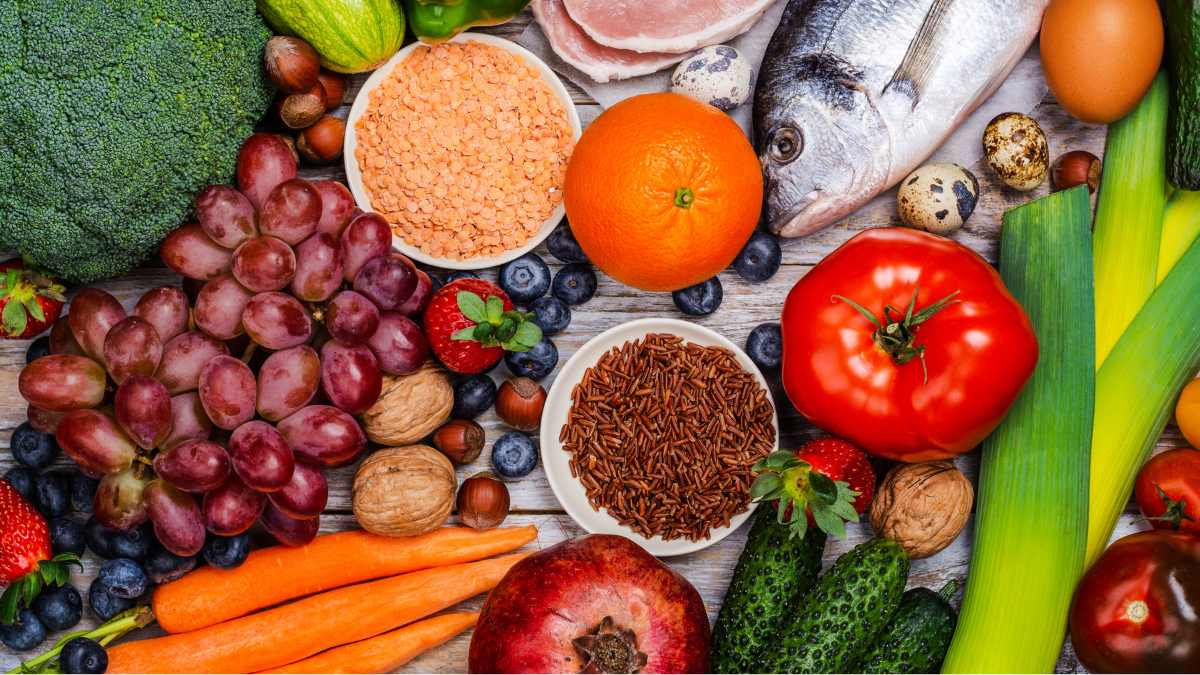
The Mediterranean diet, on the other hand, is a nutritional regimen inspired by the traditional dietary patterns of countries bordering the Mediterranean Sea, such as Greece, Italy, and Spain. This diet emphasizes the consumption of whole foods, including fruits, vegetables, whole grains, legumes, nuts, and seeds. It also advocates for the use of healthy fats, primarily from olive oil, and encourages moderate consumption of fish, poultry, and dairy products. Red meat and sweets are limited, while wine is consumed in moderation.
The Mediterranean diet is not just about specific foods but also promotes a holistic approach to eating, which includes enjoying meals with family and friends, being physically active, and savoring the flavors and textures of food. This diet has been extensively studied and is associated with numerous health benefits, including reduced risks of cardiovascular disease, certain cancers, and neurodegenerative disorders.
Given the contrasting nature of Diet Coke and the Mediterranean diet, it is essential to explore whether this popular beverage can be integrated into a diet that prioritizes whole, minimally processed foods. This article will delve into the nutritional composition of Diet Coke, the key principles of the Mediterranean diet, and the compatibility of the two.
Nutritional Composition of Diet Coke
Diet Coke is primarily composed of carbonated water, artificial sweeteners (aspartame and acesulfame potassium), colorings, flavorings, and preservatives. One of the key selling points of Diet Coke is its lack of calories, as it contains less than one calorie per serving. This is in stark contrast to regular Coca-Cola, which contains approximately 140 calories per 12-ounce can, primarily from high-fructose corn syrup.
Aspartame, one of the artificial sweeteners used in Diet Coke, is approximately 200 times sweeter than sugar, allowing for a sweet taste without the caloric content. Acesulfame potassium, another sweetener, is often used in combination with aspartame to enhance the overall sweetness and flavor profile of the beverage. These sweeteners are considered safe for consumption by major health authorities, including the U.S. Food and Drug Administration (FDA) and the European Food Safety Authority (EFSA).
In addition to sweeteners, Diet Coke contains phosphoric acid, which provides a tangy flavor and helps preserve the beverage. However, phosphoric acid has been linked to potential health concerns, such as reduced bone mineral density and kidney issues, when consumed in excessive amounts. Diet Coke also contains caffeine, with a 12-ounce can providing approximately 46 milligrams of caffeine, which is about half the amount found in a similar serving of regular coffee.
The sodium content in Diet Coke is relatively low, with a 12-ounce can containing around 40 milligrams of sodium. While this may not be a significant concern for most individuals, those who are monitoring their sodium intake for health reasons should be aware of this content. Lastly, Diet Coke contains various natural and artificial flavorings, as well as caramel color, which gives the beverage its characteristic appearance.
Key Principles of the Mediterranean Diet
The Mediterranean diet is grounded in several key principles that emphasize the consumption of nutrient-dense, whole foods while minimizing processed and refined products. One of the core tenets of this diet is the high intake of fruits and vegetables, which provide essential vitamins, minerals, antioxidants, and fiber. These plant-based foods form the foundation of the Mediterranean diet and contribute to its numerous health benefits.
Whole grains, such as whole wheat, barley, oats, and brown rice, are another staple of the Mediterranean diet. These grains are rich in fiber, vitamins, and minerals, and they help maintain stable blood sugar levels and promote digestive health. Legumes, including beans, lentils, and chickpeas, are also emphasized in the Mediterranean diet due to their high protein and fiber content, making them an excellent plant-based protein source.
Healthy fats, particularly from olive oil, are a cornerstone of the Mediterranean diet. Olive oil is rich in monounsaturated fats and antioxidants, which have been shown to reduce inflammation and improve heart health. Nuts and seeds, which provide healthy fats, protein, and fiber, are also encouraged as part of this dietary pattern. Fish and seafood, which are high in omega-3 fatty acids, are recommended at least twice a week to support cardiovascular health.
The Mediterranean diet also includes moderate consumption of dairy products, primarily in the form of cheese and yogurt. These foods provide calcium, protein, and probiotics, which are beneficial for bone and gut health. Poultry and eggs are consumed in moderation, while red meat is limited to occasional servings. Sweets and sugary beverages are minimized, with an emphasis on natural sweeteners like honey and fruit.
Another important aspect of the Mediterranean diet is the social and cultural context in which food is consumed. Meals are often enjoyed with family and friends, and there is a focus on mindful eating and savoring the flavors and textures of food. Physical activity and a balanced lifestyle are also integral components of the Mediterranean diet, contributing to its overall health benefits.
Compatibility Analysis: Diet Coke and Mediterranean Diet
To determine whether Diet Coke is compatible with the Mediterranean diet, it is essential to evaluate how its nutritional composition aligns with the key principles of this dietary pattern. One of the primary concerns is that Diet Coke is a highly processed beverage, which contrasts with the Mediterranean diet’s emphasis on whole, minimally processed foods. The artificial sweeteners, flavorings, and preservatives in Diet Coke do not align with the natural, nutrient-dense foods that are central to the Mediterranean diet.
While Diet Coke is low in calories and sugar, which may seem beneficial for weight management, the Mediterranean diet prioritizes natural sources of sweetness, such as fruits. The consumption of artificial sweeteners has been a topic of debate, with some studies suggesting potential negative health effects, including altered gut microbiota and increased cravings for sweet foods. These factors may undermine the health benefits associated with the Mediterranean diet.
Another consideration is the presence of phosphoric acid in Diet Coke, which has been linked to potential health concerns, particularly regarding bone health. The Mediterranean diet emphasizes nutrient-rich foods that support overall health, including bone health, through the consumption of calcium-rich dairy products and leafy greens. The potential negative impact of phosphoric acid on bone density may be at odds with the goals of the Mediterranean diet.
The caffeine content in Diet Coke is another factor to consider. While moderate caffeine consumption can be part of a healthy diet, excessive intake may lead to negative health effects, such as increased heart rate, anxiety, and sleep disturbances. The Mediterranean diet encourages moderation and balance, and excessive consumption of caffeinated beverages like Diet Coke may not align with these principles.
However, it is important to recognize that the Mediterranean diet is flexible and can accommodate individual preferences and occasional indulgences. While Diet Coke may not be a staple of the Mediterranean diet, occasional consumption in moderation may not significantly detract from the overall health benefits of this dietary pattern. It is crucial to maintain a balanced approach and prioritize whole, nutrient-dense foods as the foundation of the diet.
Health Implications of Consuming Diet Coke
The health implications of consuming Diet Coke have been the subject of extensive research and debate. One of the primary concerns is the potential impact of artificial sweeteners on metabolic health. Some studies have suggested that artificial sweeteners, such as aspartame and acesulfame potassium, may disrupt the gut microbiota and contribute to metabolic dysregulation, potentially increasing the risk of obesity and type 2 diabetes.
Another area of concern is the potential impact of Diet Coke on bone health. Phosphoric acid, a common ingredient in Diet Coke, has been associated with reduced bone mineral density and an increased risk of fractures, particularly in individuals who consume large amounts of cola beverages. This is particularly relevant for individuals following the Mediterranean diet, which emphasizes bone health through the consumption of calcium-rich foods.
Caffeine, present in Diet Coke, can have both positive and negative health effects. Moderate caffeine consumption has been linked to improved cognitive function and reduced risk of certain diseases, such as Parkinson’s disease. However, excessive caffeine intake can lead to negative health outcomes, including increased heart rate, anxiety, and sleep disturbances. Individuals following the Mediterranean diet should be mindful of their overall caffeine consumption to maintain balance and moderation.
The potential impact of Diet Coke on cardiovascular health is another important consideration. While Diet Coke is sugar-free and low in calories, some studies have suggested that artificial sweeteners may have adverse effects on cardiovascular health, including an increased risk of hypertension and stroke. These findings are still inconclusive, and more research is needed to fully understand the relationship between artificial sweeteners and cardiovascular health.
It is also important to consider the potential psychological effects of consuming Diet Coke. Some individuals may rely on artificially sweetened beverages as a way to satisfy sweet cravings without consuming sugar. However, this may lead to increased cravings for sweet foods and potentially undermine efforts to adopt healthier eating habits. The Mediterranean diet encourages mindful eating and savoring natural flavors, which may be at odds with the consumption of artificially sweetened beverages.
Expert Opinions on Diet Coke in Mediterranean Diet
Experts in nutrition and dietetics have varying opinions on the inclusion of Diet Coke in the Mediterranean diet. Some experts argue that occasional consumption of Diet Coke is unlikely to significantly impact the overall health benefits of the Mediterranean diet, as long as it is consumed in moderation and does not replace nutrient-dense, whole foods. They emphasize the importance of balance and flexibility in dietary patterns.
Others, however, caution against the regular consumption of Diet Coke due to potential health concerns associated with artificial sweeteners and phosphoric acid. These experts advocate for prioritizing natural, whole foods and minimizing the intake of processed and artificially sweetened beverages. They argue that the Mediterranean diet’s emphasis on natural sweetness from fruits and other whole foods is more in line with promoting long-term health.
Some nutritionists highlight the potential behavioral implications of consuming Diet Coke. They suggest that relying on artificially sweetened beverages may perpetuate cravings for sweet foods and hinder efforts to adopt healthier eating habits. These experts recommend focusing on developing a palate for natural flavors and reducing overall sweetness in the diet.
There are also experts who point out that individual responses to artificial sweeteners can vary. While some people may tolerate them well, others may experience negative effects, such as digestive issues or increased cravings. These experts recommend that individuals pay attention to their own bodies and make dietary choices that support their personal health and well-being.
Overall, the consensus among experts is that while Diet Coke may not be a perfect fit for the Mediterranean diet, occasional consumption in moderation is unlikely to negate the diet’s health benefits. The key is to maintain a balanced approach and prioritize whole, nutrient-dense foods as the foundation of the diet. Individuals should be mindful of their overall dietary patterns and make informed choices that align with their health goals.
Conclusion:
In conclusion, while Diet Coke is a popular low-calorie beverage, its compatibility with the Mediterranean diet is questionable due to its highly processed nature and the presence of artificial sweeteners and phosphoric acid. The Mediterranean diet emphasizes whole, nutrient-dense foods and natural sources of sweetness, which may be at odds with the consumption of Diet Coke. However, occasional consumption in moderation may not significantly detract from the overall health benefits of the Mediterranean diet. It is essential to maintain a balanced approach and prioritize whole foods while being mindful of individual responses to artificial sweeteners.
Read More…
- Mayo Clinic – Mediterranean Diet: A Heart-Healthy Eating Plan: This source provides an overview of the Mediterranean diet and its health benefits.
- FDA – Additional Information about High-Intensity Sweeteners Permitted for Use in Food in the United States: This source offers detailed information about the safety and regulation of artificial sweeteners like aspartame and acesulfame potassium.
- Harvard T.H. Chan School of Public Health – The Nutrition Source: Mediterranean Diet: This source provides an in-depth review of the Mediterranean diet and its key components.
- National Osteoporosis Foundation – Phosphoric Acid in Soda: Does It Harm Bones?: This source discusses the potential impact of phosphoric acid in soda on bone health.
- American Heart Association – Artificial Sweeteners and Other Sugar Substitutes: This source provides information on the health implications of artificial sweeteners and their role in a balanced diet.