
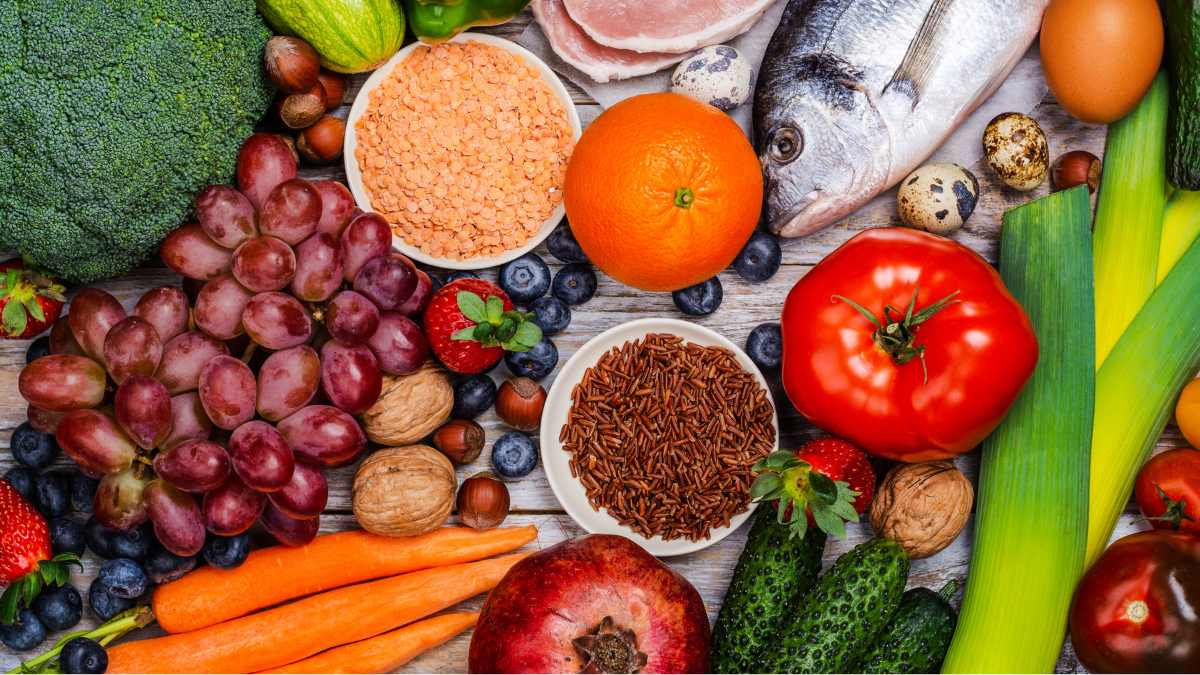

Introduction: The Mediterranean diet, renowned for its heart-healthy benefits and emphasis on whole foods, has garnered significant attention in recent years. This dietary pattern, inspired by the traditional eating habits of countries bordering the Mediterranean Sea, prioritizes fruits, vegetables, whole grains, legumes, nuts, and olive oil. However, the inclusion of certain sweeteners, such as honey, often raises questions among adherents. Is honey acceptable on a Mediterranean diet? This article delves into the compatibility of honey with the Mediterranean diet principles, its nutritional profile, health benefits, potential drawbacks, and expert opinions on its inclusion.
Understanding the Mediterranean Diet Basics
The Mediterranean diet is characterized by a high intake of plant-based foods, moderate consumption of fish and poultry, and limited intake of red meat and sweets. This diet emphasizes the use of olive oil as the primary fat source, which is rich in monounsaturated fats and antioxidants. Additionally, the Mediterranean diet encourages the consumption of fresh, seasonal produce and whole grains, which provide essential nutrients and fiber.
A key aspect of the Mediterranean diet is its focus on minimally processed foods. This means that foods are consumed in their most natural state, with minimal additives or preservatives. This approach not only enhances the nutritional quality of the diet but also helps to reduce the intake of unhealthy fats, sugars, and sodium.
The Mediterranean diet also promotes the consumption of fish and seafood at least twice a week. These foods are excellent sources of omega-3 fatty acids, which have been shown to reduce inflammation and improve heart health. Poultry, eggs, and dairy products are consumed in moderation, while red meat and sweets are limited to occasional treats.
Another important component of the Mediterranean diet is the emphasis on physical activity and social connections. Regular physical activity, such as walking, swimming, or cycling, is encouraged to complement the dietary habits. Additionally, meals are often enjoyed with family and friends, fostering a sense of community and well-being.
Wine, particularly red wine, is also a notable feature of the Mediterranean diet. It is typically consumed in moderation, with meals, and is believed to contribute to the diet’s cardiovascular benefits due to its polyphenol content. However, it is important to note that excessive alcohol consumption can have negative health effects.
Overall, the Mediterranean diet is not just a set of dietary guidelines but a lifestyle that promotes overall health and well-being. Its emphasis on whole, nutrient-dense foods, physical activity, and social connections makes it a sustainable and enjoyable way of eating.
Nutritional Profile of Honey in Detail
Honey, a natural sweetener produced by bees from the nectar of flowers, has been used for centuries for its medicinal and culinary properties. It is composed primarily of sugars, including fructose and glucose, but also contains small amounts of vitamins, minerals, and antioxidants.
The primary sugars in honey, fructose and glucose, are simple carbohydrates that provide a quick source of energy. However, unlike refined sugars, honey also contains trace amounts of vitamins such as vitamin C, B vitamins, and minerals like calcium, iron, magnesium, and potassium. These nutrients contribute to the overall nutritional value of honey.
In addition to its vitamin and mineral content, honey is rich in antioxidants. These include flavonoids and phenolic acids, which have been shown to have anti-inflammatory and antimicrobial properties. The antioxidant content of honey can vary depending on the floral source and processing methods, with darker honeys generally having higher antioxidant levels.
Honey also contains enzymes, such as glucose oxidase, which contribute to its antimicrobial properties. These enzymes help to break down sugars and produce hydrogen peroxide, which can inhibit the growth of bacteria and fungi. This makes honey a valuable natural remedy for wound healing and sore throats.
Despite its nutritional benefits, honey is still a source of added sugars and should be consumed in moderation. The American Heart Association recommends limiting added sugars to no more than 6 teaspoons per day for women and 9 teaspoons per day for men. One tablespoon of honey contains approximately 17 grams of sugar, so it is important to be mindful of portion sizes.
Overall, honey is a nutrient-dense natural sweetener that offers several health benefits. However, its high sugar content means that it should be consumed in moderation as part of a balanced diet.
Compatibility of Honey with Mediterranean Principles
The Mediterranean diet’s emphasis on whole, minimally processed foods aligns well with the use of honey as a natural sweetener. Unlike refined sugars, honey is a natural product that retains some of its nutritional properties, making it a more wholesome option for sweetening foods and beverages.
Honey’s antioxidant content is particularly compatible with the Mediterranean diet, which prioritizes foods rich in antioxidants and anti-inflammatory compounds. The antioxidants in honey can help to reduce oxidative stress and inflammation, which are key factors in the development of chronic diseases such as heart disease and cancer.
The moderate use of honey can also complement the Mediterranean diet’s focus on plant-based foods. Honey can be used to enhance the flavor of fruits, vegetables, and whole grains, making these nutrient-dense foods more palatable and enjoyable. For example, a drizzle of honey can add natural sweetness to a bowl of Greek yogurt with fresh berries, a common Mediterranean breakfast.
However, it is important to note that the Mediterranean diet recommends limiting the intake of sweets and added sugars. While honey is a natural sweetener, it is still a source of added sugars and should be consumed in moderation. Incorporating honey into the diet should be done thoughtfully, ensuring that it does not displace other nutrient-dense foods.
The Mediterranean diet also emphasizes the importance of balance and moderation. Including honey in small amounts can be part of a balanced diet, but it should not be relied upon as the primary source of sweetness. Other natural sweeteners, such as fresh fruit, can also be used to satisfy sweet cravings in a healthier way.
In conclusion, honey can be compatible with the principles of the Mediterranean diet when used in moderation. Its natural sweetness and nutritional benefits make it a better alternative to refined sugars, but it should be consumed mindfully to maintain the overall balance and healthfulness of the diet.
Health Benefits of Honey in the Diet
Honey has been praised for its numerous health benefits, many of which align with the goals of the Mediterranean diet. One of the most well-known benefits of honey is its antioxidant content. Antioxidants help to neutralize free radicals in the body, reducing oxidative stress and lowering the risk of chronic diseases such as heart disease and cancer.
In addition to its antioxidant properties, honey has anti-inflammatory effects. Chronic inflammation is a key factor in the development of many diseases, including heart disease, diabetes, and cancer. The anti-inflammatory compounds in honey, such as flavonoids and phenolic acids, can help to reduce inflammation and support overall health.
Honey also has antimicrobial properties, which can be beneficial for immune health. The enzymes in honey produce hydrogen peroxide, which can inhibit the growth of bacteria and fungi. This makes honey a valuable natural remedy for wound healing and sore throats. Additionally, honey has been shown to have prebiotic effects, promoting the growth of beneficial gut bacteria and supporting digestive health.
Another health benefit of honey is its potential to improve heart health. Some studies have suggested that honey can help to lower blood pressure, reduce cholesterol levels, and improve blood sugar control. These effects are likely due to the antioxidants and anti-inflammatory compounds in honey, which can help to protect the cardiovascular system.
Honey may also have benefits for weight management. While it is still a source of added sugars, honey has a lower glycemic index than refined sugars, meaning it has a slower impact on blood sugar levels. This can help to prevent spikes and crashes in blood sugar, reducing cravings and promoting satiety. Additionally, the natural sweetness of honey can help to satisfy sweet cravings in a healthier way, reducing the likelihood of overindulging in less healthy sweets.
Overall, the health benefits of honey make it a valuable addition to a balanced diet. Its antioxidant, anti-inflammatory, antimicrobial, and heart-healthy properties align well with the goals of the Mediterranean diet, supporting overall health and well-being.
Potential Drawbacks of Including Honey
While honey offers several health benefits, there are also potential drawbacks to consider when including it in the diet. One of the main concerns is its high sugar content. Despite being a natural sweetener, honey is still a source of added sugars, which can contribute to weight gain, insulin resistance, and other metabolic issues if consumed in excess.
The high sugar content of honey can also have negative effects on dental health. Sugars in honey can feed harmful bacteria in the mouth, leading to tooth decay and cavities. It is important to practice good oral hygiene and consume honey in moderation to minimize the risk of dental issues.
Another potential drawback of honey is the risk of allergic reactions. Honey is made from the nectar of flowers, and some individuals may be allergic to certain pollen or plant components present in honey. Symptoms of an allergic reaction can include itching, swelling, and difficulty breathing. Individuals with known allergies to pollen or bee products should exercise caution when consuming honey.
Honey can also pose a risk to infants under one year of age. It can contain spores of the bacteria Clostridium botulinum, which can cause infant botulism, a rare but serious illness. For this reason, it is recommended that honey not be given to infants under one year old.
Additionally, the quality of honey can vary widely depending on the source and processing methods. Some commercially available honeys may be adulterated with added sugars or syrups, reducing their nutritional value and potential health benefits. It is important to choose high-quality, raw, or minimally processed honey to ensure its purity and nutritional content.
Finally, while honey can be a healthier alternative to refined sugars, it is still important to consume it in moderation. Overconsumption of any sweetener, natural or otherwise, can lead to negative health effects. Balancing honey with other nutrient-dense foods and maintaining a varied diet is key to reaping its benefits without overindulging.
Expert Opinions on Honey in Mediterranean Diet
Experts in nutrition and dietetics generally agree that honey can be included in the Mediterranean diet when used in moderation. Its natural sweetness and nutritional benefits make it a better alternative to refined sugars, but it should not be relied upon as the primary source of sweetness.
Registered dietitians and nutritionists emphasize the importance of balance and moderation when incorporating honey into the diet. They recommend using honey sparingly to enhance the flavor of nutrient-dense foods, such as fruits, vegetables, and whole grains, rather than using it as a primary sweetener.
Some experts highlight the antioxidant and anti-inflammatory properties of honey as key benefits that align with the goals of the Mediterranean diet. They note that these properties can help to reduce oxidative stress and inflammation, supporting overall health and well-being.
However, experts also caution against overconsumption of honey due to its high sugar content. They advise being mindful of portion sizes and considering the overall intake of added sugars in the diet. The American Heart Association’s recommendations for limiting added sugars can serve as a useful guideline for incorporating honey in a balanced way.
In addition to its nutritional benefits, experts recognize the cultural and culinary significance of honey in Mediterranean cuisine. Honey has been used for centuries in traditional Mediterranean dishes and is often enjoyed as part of a balanced diet. Its use in moderation is consistent with the Mediterranean diet’s emphasis on whole, minimally processed foods.
Overall, expert opinions support the inclusion of honey in the Mediterranean diet when used thoughtfully and in moderation. Its natural sweetness and health benefits make it a valuable addition to the diet, but it should be balanced with other nutrient-dense foods to maintain overall health and well-being.
Conclusion: Honey, with its natural sweetness and nutritional benefits, can be a compatible and valuable addition to the Mediterranean diet when used in moderation. Its antioxidant, anti-inflammatory, and antimicrobial properties align well with the principles of the Mediterranean diet, supporting overall health and well-being. However, it is important to be mindful of its high sugar content and potential drawbacks, such as the risk of allergic reactions and dental issues. Expert opinions generally support the inclusion of honey in the Mediterranean diet, emphasizing the importance of balance and moderation. By incorporating honey thoughtfully, individuals can enjoy its benefits while maintaining the overall healthfulness of the Mediterranean diet.
Read More…
-
Mediterranean Diet: A Heart-Healthy Eating Plan – Mayo Clinic provides an in-depth overview of the Mediterranean diet, its components, and health benefits.
-
Honey: Health Benefits, Uses, and Risks – Medical News Today explores the nutritional profile of honey, its health benefits, and potential risks.
-
The Role of Antioxidants in the Mediterranean Diet – A scientific article from PubMed Central discussing the importance of antioxidants in the Mediterranean diet and their health effects.
-
American Heart Association’s Recommendations for Added Sugars – Guidelines from the American Heart Association on limiting added sugars for better health.
-
Honey and Its Health Benefits: A Review – A comprehensive review article from PubMed Central examining the health benefits and nutritional properties of honey.