
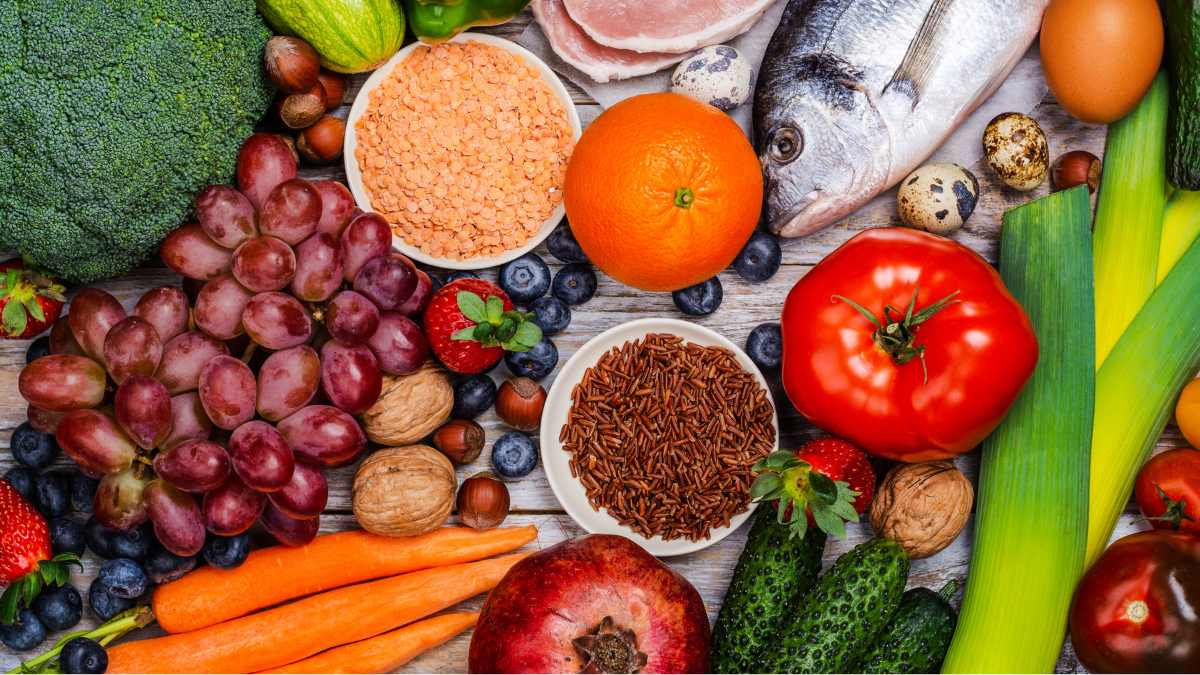

Introduction: The Mediterranean diet is renowned for its health benefits and emphasis on whole, unprocessed foods. It includes a variety of fruits, vegetables, whole grains, nuts, seeds, and healthy fats, primarily from olive oil. One question that often arises is whether honey, a natural sweetener, is permitted within this dietary framework. This article explores the role of honey in the Mediterranean diet, examining its nutritional profile, health benefits, compatibility with Mediterranean principles, and potential drawbacks.
Introduction to Honey in the Mediterranean Diet
Honey has been a staple in human diets for thousands of years, prized not only for its sweetness but also for its medicinal properties. In the context of the Mediterranean diet, which emphasizes natural and minimally processed foods, honey fits well as a natural sweetener. Historically, honey has been used in various Mediterranean cultures, from ancient Greece to Egypt, as both a food and a remedy.
The Mediterranean diet encourages the consumption of natural sugars found in fruits and vegetables, but it does not exclude other natural sources like honey. Honey is often used in moderation to sweeten dishes, beverages, and desserts. Its inclusion aligns with the diet’s principles of enjoying food in its most natural state.
While honey is a natural product, it is still a form of sugar and should be consumed mindfully. The Mediterranean diet promotes balance and moderation, and this applies to honey as well. Overconsumption of any sugar, even natural ones like honey, can lead to health issues such as weight gain and increased risk of chronic diseases.
In Mediterranean cuisine, honey is often paired with other healthy foods, such as yogurt, nuts, and fruits, enhancing both flavor and nutritional value. This combination not only satisfies sweet cravings but also provides a range of nutrients that support overall health.
The use of honey in the Mediterranean diet is not just about taste; it also reflects the diet’s holistic approach to health. Honey is appreciated for its potential health benefits, which include antioxidant properties and antimicrobial effects. These benefits align with the Mediterranean diet’s emphasis on foods that promote long-term health and well-being.
In summary, honey can be a part of the Mediterranean diet when used appropriately. Its natural sweetness and potential health benefits make it a suitable choice for those following this dietary pattern, provided it is consumed in moderation.
Nutritional Profile of Honey
Honey is a complex substance composed primarily of sugars, but it also contains a variety of other compounds that contribute to its nutritional value. The main sugars in honey are fructose and glucose, which are simple carbohydrates that provide quick energy. However, honey’s nutritional profile is more diverse than that of refined sugars.
In addition to sugars, honey contains small amounts of vitamins and minerals, including vitamin C, calcium, and iron. These nutrients are present in relatively low quantities, but they contribute to the overall nutritional value of honey. The presence of these micronutrients distinguishes honey from other sweeteners that offer little to no nutritional benefit.
Honey is also rich in antioxidants, which are compounds that help protect the body from oxidative stress and inflammation. The types and amounts of antioxidants in honey can vary depending on its floral source. Common antioxidants found in honey include flavonoids and phenolic acids, which have been linked to various health benefits.
Another important component of honey is its enzymes. These enzymes, such as glucose oxidase, play a role in honey’s antimicrobial properties. When honey is applied to wounds or consumed, these enzymes can help inhibit the growth of harmful bacteria, adding to honey’s medicinal value.
Despite its benefits, honey is still high in calories and sugars. One tablespoon of honey contains approximately 64 calories and 17 grams of sugar. Therefore, while honey can provide some nutritional benefits, it should be consumed in moderation to avoid excessive calorie and sugar intake.
In conclusion, honey offers a unique nutritional profile that includes sugars, vitamins, minerals, antioxidants, and enzymes. These components contribute to its health benefits, making it a valuable addition to the Mediterranean diet when used appropriately.
Health Benefits of Honey Consumption
Honey has been studied for its potential health benefits, many of which align with the principles of the Mediterranean diet. One of the most well-known benefits of honey is its antioxidant capacity. Antioxidants help neutralize free radicals in the body, reducing oxidative stress and lowering the risk of chronic diseases such as heart disease and cancer.
Another significant benefit of honey is its antimicrobial properties. Honey has been used for centuries as a natural remedy for wounds and infections. The enzymes in honey produce hydrogen peroxide, which has antibacterial effects. This makes honey a useful natural treatment for minor cuts, burns, and sore throats.
Honey also has anti-inflammatory properties, which can help reduce inflammation in the body. Chronic inflammation is a risk factor for many diseases, including heart disease, diabetes, and cancer. By incorporating honey into a balanced diet, individuals may benefit from its anti-inflammatory effects.
In addition to its antioxidant, antimicrobial, and anti-inflammatory properties, honey has been shown to support digestive health. Honey can act as a prebiotic, promoting the growth of beneficial bacteria in the gut. This can improve digestion and overall gut health, which is a key component of the Mediterranean diet.
Honey may also play a role in managing blood sugar levels. While it is a source of sugar, some studies suggest that honey has a lower glycemic index compared to refined sugars. This means it may cause a slower and more gradual rise in blood sugar levels, which can be beneficial for individuals with diabetes or those looking to manage their blood sugar.
In summary, honey offers a range of health benefits that align with the Mediterranean diet’s emphasis on natural, health-promoting foods. Its antioxidant, antimicrobial, anti-inflammatory, and digestive health properties make it a valuable addition to a balanced diet.
Compatibility of Honey with Mediterranean Principles
The Mediterranean diet is based on principles of balance, variety, and moderation, all of which are compatible with the inclusion of honey. One of the core tenets of the Mediterranean diet is the consumption of natural, minimally processed foods. Honey, being a natural sweetener, fits well within this framework.
Honey is often used in Mediterranean cuisine to enhance the flavor of various dishes, from breakfast items like yogurt and fruit to savory dishes and desserts. Its natural sweetness can complement the flavors of other healthy ingredients, making it a versatile addition to the diet.
The Mediterranean diet also emphasizes the importance of enjoying food and eating mindfully. Honey’s rich flavor and natural sweetness can help satisfy sweet cravings in a more healthful way compared to refined sugars. This aligns with the diet’s focus on enjoying food without overindulgence.
Another principle of the Mediterranean diet is the consumption of a variety of foods to ensure a wide range of nutrients. Honey, with its unique nutritional profile that includes antioxidants, enzymes, and small amounts of vitamins and minerals, can contribute to this variety. It provides a different set of nutrients compared to other sweeteners, adding to the overall nutritional diversity of the diet.
Moderation is a key aspect of the Mediterranean diet, and this applies to honey as well. While honey offers health benefits, it is still a source of sugar and calories. Consuming honey in moderation ensures that one can enjoy its benefits without the negative effects associated with excessive sugar intake.
In conclusion, honey is compatible with the principles of the Mediterranean diet. Its natural sweetness, nutritional value, and versatility make it a suitable addition to the diet when consumed mindfully and in moderation.
Potential Drawbacks of Including Honey
While honey offers several health benefits, there are potential drawbacks to consider when including it in the Mediterranean diet. One of the primary concerns is its high sugar content. Despite being a natural sweetener, honey is still a form of sugar and can contribute to increased calorie intake and potential weight gain if consumed in excess.
Excessive consumption of honey can also lead to spikes in blood sugar levels. Although honey has a lower glycemic index compared to refined sugars, it can still affect blood sugar levels, especially in individuals with diabetes or insulin resistance. It’s important for these individuals to monitor their honey intake and consult with a healthcare professional.
Another potential drawback is the risk of botulism in infants. Honey can contain spores of the bacterium Clostridium botulinum, which can be harmful to infants under one year old. For this reason, honey should not be given to infants, and caregivers should be aware of this risk.
Allergic reactions are another consideration. While rare, some individuals may be allergic to honey or the pollen it contains. Symptoms of an allergic reaction can range from mild, such as itching and hives, to severe, such as anaphylaxis. Those with known allergies to pollen or bee products should exercise caution when consuming honey.
The quality and source of honey can also impact its health benefits. Some commercially available honey may be adulterated with added sugars or syrups, reducing its nutritional value. It’s important to choose high-quality, raw, or minimally processed honey to ensure that you are getting the full range of benefits.
In conclusion, while honey can be a beneficial addition to the Mediterranean diet, it is important to be aware of its potential drawbacks. Moderation, quality, and individual health considerations should guide its consumption to maximize benefits and minimize risks.
Conclusion: Honey in Mediterranean Dietary Practices
Incorporating honey into the Mediterranean diet can offer several health benefits, provided it is consumed in moderation and with mindfulness. Honey’s natural sweetness, nutritional profile, and potential health-promoting properties make it a suitable addition to this dietary pattern, which emphasizes whole, minimally processed foods.
The Mediterranean diet’s principles of balance, variety, and enjoyment align well with the use of honey. Its versatility in culinary applications allows it to enhance the flavor and nutritional value of various dishes, from breakfast items to desserts. However, it is crucial to be mindful of honey’s sugar content and potential drawbacks, such as its impact on blood sugar levels and the risk of allergic reactions.
Choosing high-quality, raw, or minimally processed honey can help ensure that you are reaping the full range of benefits it offers. As with any food, moderation is key to enjoying honey’s advantages without experiencing negative effects associated with excessive sugar intake.
In summary, honey can be a valuable component of the Mediterranean diet when used appropriately. Its inclusion reflects the diet’s holistic approach to health, emphasizing natural, health-promoting foods that contribute to overall well-being.
Read More…
- Mayo Clinic: The Mediterranean Diet – An overview of the Mediterranean diet, its principles, and health benefits.
- National Center for Biotechnology Information (NCBI): Health Benefits of Honey – A comprehensive review of the nutritional profile and health benefits of honey.
- Harvard T.H. Chan School of Public Health: The Nutrition Source – Mediterranean Diet – Detailed information on the Mediterranean diet and its impact on health.
- American Heart Association: Sugars and Carbohydrates – Information on the impact of different types of sugars, including honey, on health.
- World Health Organization (WHO): Sugars Intake for Adults and Children – Guidelines on sugar intake and its implications for health.