

Introduction:
In the ever-evolving landscape of dietary trends, two popular diets have emerged: the Mayo Diet and the Mediterranean Diet. While both are designed to promote health and weight management, they stem from different philosophies and cultural backgrounds. This article aims to dissect the key principles and components of each diet, compare their macronutrient profiles, evaluate health outcomes, and explore cultural influences on dietary practices. By understanding these aspects, we can better appreciate the similarities and differences between these two dietary approaches.
Understanding the Mayo Diet: Key Principles and Components
The Mayo Diet, developed by the Mayo Clinic, is primarily a weight-loss plan that emphasizes a low-calorie intake combined with a structured eating schedule. It is often characterized by a short-term focus on rapid weight loss, typically recommending a daily caloric intake of around 1,200 to 1,500 calories. The diet encourages the consumption of fruits, vegetables, lean proteins, and whole grains while limiting sugars and processed foods.
One of the defining features of the Mayo Diet is its emphasis on meal timing and portion control. Participants are encouraged to eat smaller meals throughout the day, which helps to regulate hunger and maintain energy levels. Additionally, the diet promotes physical activity as a crucial component of weight loss and overall health, encouraging individuals to incorporate regular exercise into their daily routines.
The Mayo Diet also includes a psychological aspect, focusing on the importance of mindset and motivation in achieving weight loss goals. Participants are often advised to set realistic goals and track their progress, fostering a sense of accountability. This holistic approach aims to create sustainable lifestyle changes rather than merely focusing on short-term results.
However, critics of the Mayo Diet argue that its restrictive nature may lead to difficulties in maintaining weight loss over the long term. The rapid weight loss promoted by the diet can also result in muscle loss and nutritional deficiencies if not properly managed. Therefore, understanding the Mayo Diet’s principles is essential for evaluating its effectiveness and sustainability.
The Mediterranean Diet: Origins and Nutritional Benefits
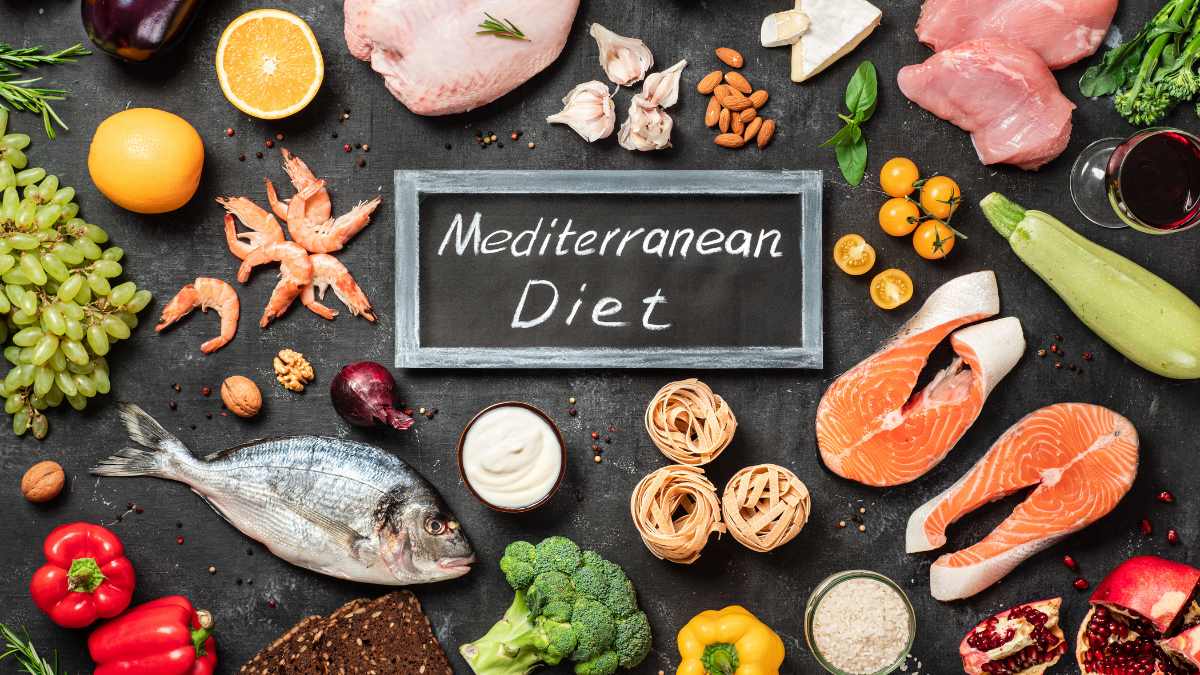
The Mediterranean Diet is rooted in the traditional eating patterns of countries bordering the Mediterranean Sea, such as Greece, Italy, and Spain. Its origins can be traced back to the early 20th century when researchers observed that populations in these regions exhibited lower rates of chronic diseases and longer life expectancies. This diet is characterized by a high intake of fruits, vegetables, whole grains, legumes, nuts, and olive oil, along with moderate consumption of fish, poultry, and dairy, while limiting red meat and processed foods.
One of the key nutritional benefits of the Mediterranean Diet is its richness in healthy fats, particularly monounsaturated fats from olive oil. These fats are known to support heart health by improving cholesterol levels and reducing inflammation. The diet also emphasizes the consumption of omega-3 fatty acids from fish, which are essential for brain health and cardiovascular function.
In addition to its macronutrient composition, the Mediterranean Diet is known for its abundance of antioxidants and phytochemicals found in fruits and vegetables. These compounds play a crucial role in reducing oxidative stress and inflammation, contributing to the diet’s overall health benefits. Research has shown that adherence to the Mediterranean Diet is associated with a lower risk of chronic diseases, including heart disease, diabetes, and certain cancers.
Furthermore, the Mediterranean Diet promotes a social aspect of eating, encouraging shared meals and family gatherings. This cultural practice enhances the overall dining experience and fosters a sense of community, which can positively impact mental well-being and emotional health.
Comparing Macronutrient Profiles of Both Diets
When examining the macronutrient profiles of the Mayo Diet and the Mediterranean Diet, significant differences emerge. The Mayo Diet typically emphasizes a low-calorie intake with a higher proportion of protein to facilitate weight loss. It encourages lean proteins, such as chicken and fish, while limiting carbohydrates and fats. This results in a diet that may be lower in overall fat content compared to the Mediterranean Diet.
In contrast, the Mediterranean Diet is characterized by a balanced macronutrient distribution that includes healthy fats, complex carbohydrates, and adequate protein. The diet encourages the consumption of whole grains and legumes, providing a rich source of fiber and essential nutrients. This balance is crucial for maintaining energy levels and promoting satiety, which can aid in weight management over the long term.
Additionally, the Mediterranean Diet’s focus on healthy fats, particularly from olive oil and fatty fish, sets it apart from the Mayo Diet. While the Mayo Diet may restrict fat intake to some extent, the Mediterranean Diet embraces these fats as beneficial for heart health and overall well-being. This fundamental difference in fat consumption can have significant implications for long-term health outcomes.
Ultimately, the contrasting macronutrient profiles reflect the differing goals of each diet. The Mayo Diet’s primary focus is on rapid weight loss, while the Mediterranean Diet promotes a holistic approach to health that emphasizes balanced nutrition and sustainable eating habits.
Health Outcomes: Mayo Diet vs. Mediterranean Diet
The health outcomes associated with the Mayo Diet and the Mediterranean Diet vary significantly due to their differing approaches to nutrition and weight management. Studies have shown that individuals following the Mayo Diet may experience short-term weight loss; however, the long-term sustainability of this weight loss can be challenging. The restrictive nature of the diet may lead to rebound weight gain once individuals return to their regular eating patterns.
On the other hand, the Mediterranean Diet has been linked to a multitude of long-term health benefits. Research indicates that adherence to this diet is associated with a reduced risk of chronic diseases, including cardiovascular disease, type 2 diabetes, and certain cancers. The anti-inflammatory properties of the foods consumed in the Mediterranean Diet contribute to these positive health outcomes, promoting overall longevity and quality of life.
Moreover, the Mediterranean Diet has been shown to have a positive impact on mental health. Studies suggest that individuals who follow this diet may experience lower rates of depression and cognitive decline, likely due to the diet’s rich nutrient profile and emphasis on social eating. This holistic approach to health encompasses both physical and mental well-being.
In summary, while the Mayo Diet may offer quick results for weight loss, the Mediterranean Diet provides a more sustainable and health-promoting approach. The long-term benefits associated with the Mediterranean Diet underscore its effectiveness in supporting overall health and preventing chronic diseases.
Cultural Influences on Dietary Practices and Choices
Cultural influences play a significant role in shaping dietary practices and choices. The Mediterranean Diet is deeply rooted in the traditions and lifestyles of the Mediterranean region, where food is often viewed as a source of pleasure and community. This cultural perspective encourages shared meals and the enjoyment of food, fostering a positive relationship with eating.
In contrast, the Mayo Diet, developed by a medical institution, is more clinical in nature, focusing primarily on weight loss and health outcomes. It lacks the cultural richness and social aspects found in the Mediterranean Diet. This difference may impact individuals’ adherence to the diet, as the Mayo Diet may feel more restrictive and less enjoyable compared to the communal and celebratory nature of Mediterranean eating.
Furthermore, cultural factors can influence food availability and preferences. In Mediterranean countries, the abundance of fresh, seasonal produce and local ingredients supports the diet’s principles. In contrast, individuals following the Mayo Diet may face challenges in accessing the recommended foods, especially if they live in areas with limited availability of fresh produce or lean proteins.
Ultimately, the cultural context in which a diet is practiced can significantly affect its success and sustainability. The Mediterranean Diet’s emphasis on community, enjoyment, and accessibility makes it a more adaptable and enduring choice for many individuals compared to the more rigid Mayo Diet.
Conclusions: Evaluating Similarities and Differences in Diets
In evaluating the similarities and differences between the Mayo Diet and the Mediterranean Diet, it becomes clear that each has its unique strengths and weaknesses. The Mayo Diet offers a structured approach to weight loss with a focus on short-term results, making it appealing for those seeking quick changes. However, its restrictive nature may hinder long-term adherence and overall health benefits.
Conversely, the Mediterranean Diet promotes a balanced and sustainable approach to eating, emphasizing the importance of healthy fats, whole grains, and social connections. Its long-term health benefits and positive impact on mental well-being make it a more holistic choice for individuals seeking to improve their overall quality of life.
Ultimately, the choice between these diets should be guided by individual health goals, preferences, and lifestyle factors. Understanding the principles and cultural influences behind each diet can help individuals make informed decisions that align with their personal health journeys.
Read more
- Mayo Clinic – Mayo Diet Overview – A comprehensive overview of the Mayo Diet, including its principles and guidelines.
- Harvard T.H. Chan School of Public Health – The Mediterranean Diet – An in-depth look at the Mediterranean Diet, its origins, and health benefits.
- American Heart Association – Mediterranean Diet – Information on how the Mediterranean Diet supports heart health and overall well-being.
- National Institutes of Health – Weight Loss and Dieting – A resource on various diets, including the Mayo Diet, and their effectiveness for weight loss.
- Journal of Nutrition – Health Benefits of the Mediterranean Diet – A scholarly article discussing the health benefits associated with the Mediterranean Diet.