

Introduction:
The Mediterranean diet is celebrated for its health benefits, emphasizing whole foods, healthy fats, and a balanced approach to nutrition. As individuals seek to embrace this dietary pattern, questions often arise about the compatibility of certain condiments, such as mayonnaise. This article explores whether mayonnaise fits within the Mediterranean diet framework, examining its nutritional profile, health implications, and potential alternatives.
Understanding the Mediterranean Diet: Key Principles and Foods
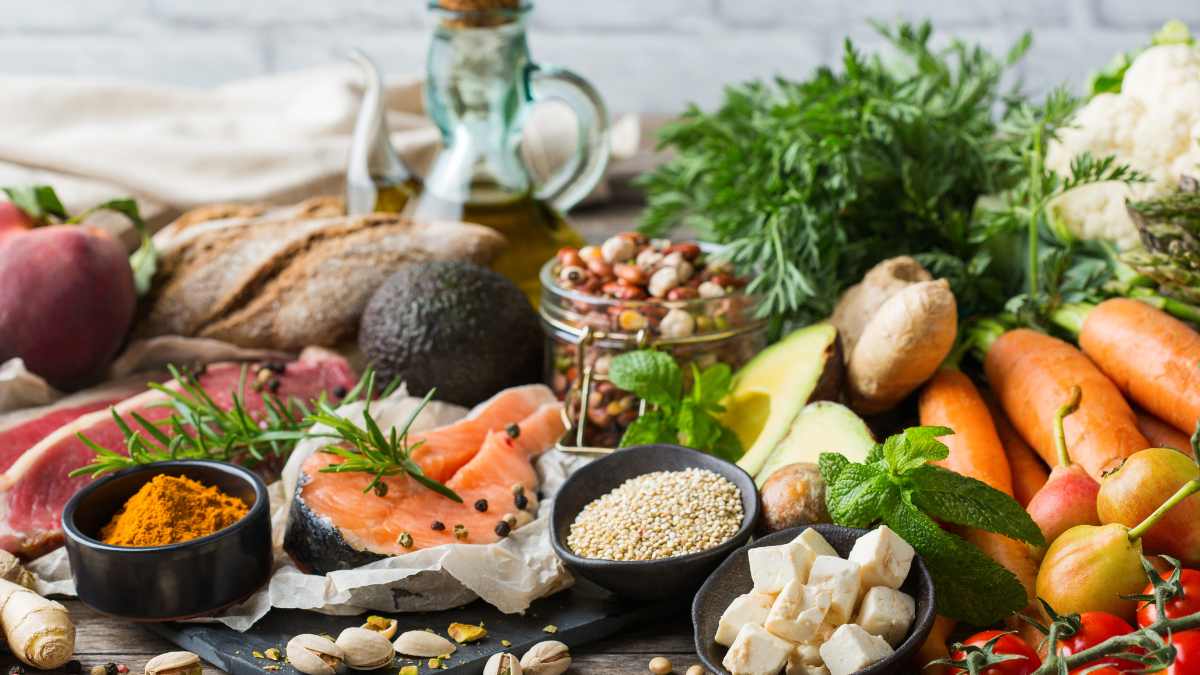
The Mediterranean diet is rooted in the traditional eating patterns of countries bordering the Mediterranean Sea, such as Greece, Italy, and Spain. Key principles include a high intake of fruits, vegetables, whole grains, legumes, and nuts, complemented by moderate consumption of fish and poultry, while red meat and sweets are limited. Olive oil serves as the primary source of fat, emphasizing the importance of healthy fats in this dietary approach.
In addition to food choices, the Mediterranean diet promotes a lifestyle that includes regular physical activity and social meals, fostering a holistic approach to health. This diet is not just about what you eat; it also encompasses how you eat, encouraging mindfulness and enjoyment during meals. The focus on seasonal and local produce further enhances the nutritional quality of the diet.
Moreover, the Mediterranean diet is rich in antioxidants and anti-inflammatory compounds, contributing to its reputation for reducing the risk of chronic diseases. Studies have shown that adherence to this dietary pattern is associated with improved cardiovascular health, better weight management, and enhanced longevity. Understanding these principles is crucial when evaluating the role of specific foods, such as mayonnaise, within this framework.
Finally, the Mediterranean diet encourages the use of herbs and spices for flavoring instead of relying on salt or heavy sauces. This approach not only enhances the taste of dishes but also provides additional health benefits through the consumption of phytochemicals found in these natural flavorings. Incorporating a variety of flavors is essential for maintaining interest and satisfaction in meals, making it a sustainable dietary choice.
Nutritional Profile of Mayonnaise: Ingredients and Composition
Mayonnaise is a thick, creamy condiment made primarily from oil, egg yolks, vinegar or lemon juice, and seasonings. The primary ingredient—oil—contributes to its high-fat content, which can vary depending on the type of oil used. Traditional mayonnaise often contains refined vegetable oils, while some variations may use olive oil, which aligns more closely with the Mediterranean diet.
The nutritional profile of mayonnaise is characterized by its high caloric density, with approximately 100 calories per tablespoon. This calorie content primarily comes from fats, with a tablespoon typically containing around 11 grams of fat, of which a portion may be saturated. While mayonnaise does provide some essential fatty acids, it lacks significant amounts of vitamins and minerals.
One of the key considerations when evaluating mayonnaise is its emulsification process, which stabilizes the mixture and enhances its texture. However, many commercially available mayonnaise products contain preservatives and artificial ingredients that may detract from their overall health value. Understanding the composition of mayonnaise is essential for making informed choices about its inclusion in a balanced diet.
Additionally, the presence of egg yolks in mayonnaise contributes to its richness and flavor but also raises concerns regarding cholesterol content. While moderate consumption of dietary cholesterol is generally considered acceptable for most individuals, those with specific health concerns may need to be cautious. Evaluating the ingredients helps clarify whether mayonnaise aligns with personal health goals and dietary preferences.
Evaluating Mayonnaise: Health Benefits and Risks Explained
When considering the health implications of mayonnaise, it’s essential to weigh both potential benefits and risks. On one hand, mayonnaise can provide a source of healthy fats, particularly if made with olive oil. These fats are beneficial for heart health, supporting cholesterol levels and providing essential fatty acids that the body cannot produce on its own.
On the other hand, the high caloric content of mayonnaise can pose a risk for those monitoring their weight or caloric intake. Excessive consumption of mayonnaise can contribute to an unbalanced diet, particularly if it replaces healthier fat sources like nuts or avocados. Furthermore, many commercial mayonnaise products are high in added sugars, preservatives, and unhealthy fats, which can negate their potential health benefits.
Another consideration is the potential for foodborne illness associated with raw egg yolks in traditional mayonnaise recipes. While commercially prepared mayonnaise is pasteurized and safe for consumption, homemade versions may carry a risk. Understanding these risks is crucial for individuals who may be more vulnerable to foodborne pathogens, such as pregnant women or those with compromised immune systems.
Ultimately, the decision to include mayonnaise in a Mediterranean-style diet should be based on individual health goals, preferences, and the quality of the product. Choosing high-quality, minimally processed mayonnaise made with healthy oils can help mitigate some of the concerns while still allowing for enjoyment of this popular condiment.
The Role of Fats in the Mediterranean Diet: A Closer Look
Fats play a pivotal role in the Mediterranean diet, serving as a primary source of energy and contributing to the overall flavor and satisfaction of meals. The emphasis on healthy fats, particularly from sources like olive oil, nuts, and fatty fish, is a hallmark of this dietary pattern. These fats are known for their anti-inflammatory properties and positive effects on heart health.
Olive oil, in particular, is celebrated for its high content of monounsaturated fats, which have been linked to reduced risk of cardiovascular diseases. Incorporating olive oil as a primary fat source aligns with the Mediterranean diet’s principles and provides a flavorful alternative to less healthy fats. This focus on quality fats is essential for promoting overall health and well-being.
However, not all fats are created equal. The Mediterranean diet encourages the consumption of fats from whole food sources while limiting saturated and trans fats found in processed foods. Understanding the types of fats consumed is critical for maintaining the health benefits associated with this dietary approach. Moderation is key, as excessive intake of any fat can lead to unwanted weight gain and associated health issues.
In this context, mayonnaise can be viewed as a source of fat, but its quality and quantity should be carefully considered. Opting for mayonnaise made with healthy oils can enhance its compatibility with the Mediterranean diet, while excessive consumption of lower-quality mayonnaise may detract from the overall health benefits of this eating pattern.
Alternatives to Mayonnaise: Healthier Options for Adherence
For those seeking to adhere to the Mediterranean diet while still enjoying creamy textures in their meals, several alternatives to mayonnaise exist. One popular option is Greek yogurt, which offers a similar creaminess with added protein and probiotics. Greek yogurt can be used in dressings, dips, and spreads, providing a tangy flavor while enhancing nutritional value.
Another alternative is hummus, a spread made from blended chickpeas, tahini, lemon juice, and garlic. Hummus is rich in fiber and plant-based protein, making it a nutritious substitute for mayonnaise. It can be used in sandwiches, salads, and as a dip, aligning well with the Mediterranean emphasis on legumes and whole foods.
Avocado is another excellent alternative, offering a creamy texture along with healthy monounsaturated fats. Avocado spread can be used on toast, in salads, or as a dip, providing a nutrient-dense option that complements the Mediterranean diet’s principles. Its versatility and health benefits make it a popular choice among those looking to reduce mayonnaise consumption.
Lastly, pesto made from fresh herbs, nuts, and olive oil can serve as a flavorful alternative to mayonnaise in various dishes. Pesto adds depth of flavor and a burst of nutrients, making it a suitable choice for those seeking to enhance their meals while adhering to Mediterranean dietary principles. Exploring these alternatives can help individuals maintain variety in their diets while prioritizing health.
Conclusions: Is Mayonnaise Compatible with Mediterranean Eating?
In conclusion, the compatibility of mayonnaise with the Mediterranean diet largely depends on the type of mayonnaise consumed and individual dietary goals. While traditional mayonnaise may not align perfectly with the Mediterranean emphasis on whole, unprocessed foods, healthier versions made with quality oils can be incorporated in moderation. Understanding the nutritional profile and potential health implications of mayonnaise is crucial for making informed choices.
For those who enjoy mayonnaise, opting for varieties made with olive oil or those that are homemade can enhance compatibility with the Mediterranean diet. However, individuals should be mindful of portion sizes and overall dietary balance, ensuring that mayonnaise does not replace healthier fat sources. Exploring alternatives such as Greek yogurt, hummus, and avocado can provide additional options for creamy textures without compromising health.
Ultimately, the Mediterranean diet is about balance, variety, and enjoyment of food. Incorporating mayonnaise thoughtfully can be part of a healthy eating pattern, but it is essential to prioritize whole, nutrient-dense foods that align with the diet’s core principles. By focusing on quality ingredients and mindful consumption, individuals can navigate their dietary choices effectively.
Read more
- Mediterranean Diet: A Comprehensive Guide – An in-depth overview of the Mediterranean diet, including its principles and health benefits.
- Understanding Mayonnaise: Nutritional Information – A detailed breakdown of mayonnaise’s nutritional profile and ingredients.
- The Role of Fats in the Mediterranean Diet – A scientific exploration of the types of fats consumed in the Mediterranean diet and their health implications.
- Healthy Alternatives to Mayonnaise – A list of healthier substitutes for mayonnaise, along with tips for incorporating them into meals.
- Benefits of Olive Oil in the Mediterranean Diet – An article discussing the health benefits of olive oil and its role in the Mediterranean diet.