

Introduction:
The Mediterranean diet is often hailed as one of the healthiest dietary patterns in the world, emphasizing fresh, whole foods and healthy fats. As individuals explore this dietary approach, questions arise about various condiments and their compatibility with the principles of the Mediterranean lifestyle. One such condiment that frequently comes under scrutiny is mayonnaise. This article delves into the Mediterranean diet’s core principles, the nutritional profile of mayonnaise, the role of fats, and alternative condiments that align more closely with Mediterranean dietary practices.
Understanding the Mediterranean Diet: Key Principles Explained
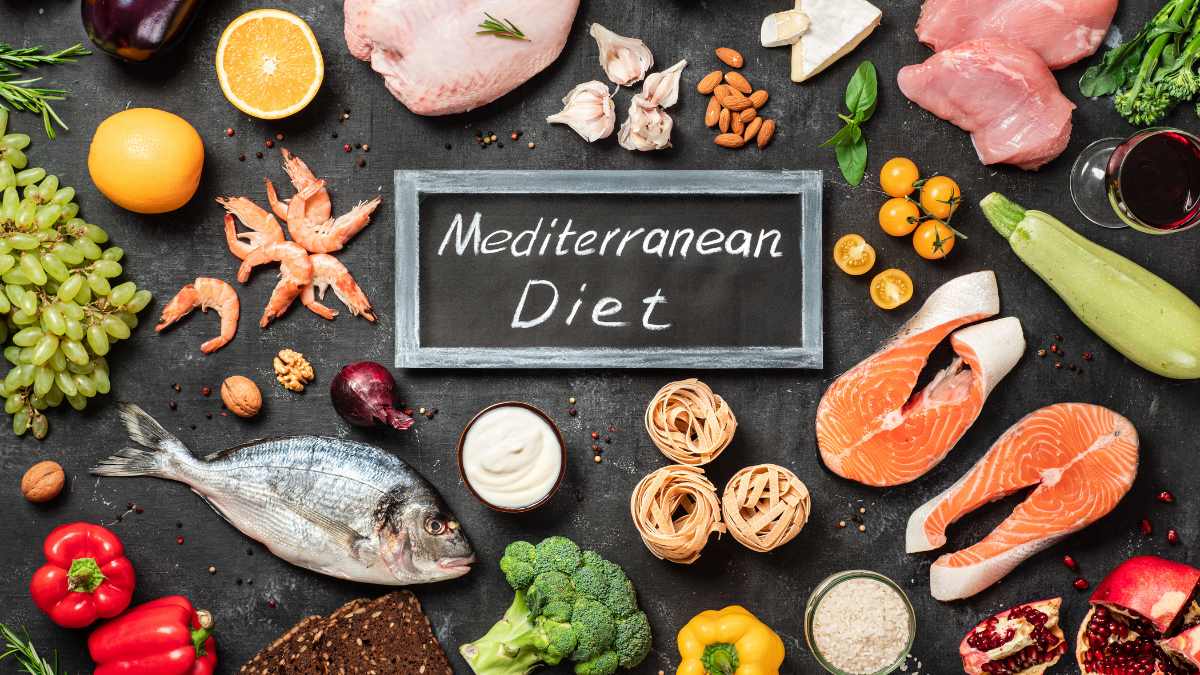
The Mediterranean diet is rooted in the traditional eating habits of countries bordering the Mediterranean Sea, such as Greece, Italy, and Spain. Its core principles revolve around a high intake of fruits, vegetables, whole grains, legumes, nuts, and olive oil, while limiting red meat and processed foods. This dietary pattern not only promotes physical health but also emphasizes the importance of social eating and enjoying meals with family and friends.
One of the defining characteristics of the Mediterranean diet is its focus on healthy fats. Unlike many Western diets that prioritize saturated fats, the Mediterranean approach encourages the consumption of unsaturated fats, particularly from sources like olive oil, nuts, and fatty fish. These fats are known to support heart health and reduce inflammation, making them a cornerstone of this dietary model.
In addition to its nutritional components, the Mediterranean diet is also about lifestyle choices. Regular physical activity, mindful eating, and enjoying meals in a communal setting are integral to this way of life. The diet is not merely a set of guidelines but a holistic approach to health and well-being that encompasses both food choices and lifestyle habits.
Furthermore, the Mediterranean diet is recognized for its potential to reduce the risk of chronic diseases, including cardiovascular disease, diabetes, and certain cancers. This preventive aspect is a significant reason why many individuals seek to adopt this dietary pattern, leading to questions about how various foods and condiments fit into this framework.
Nutritional Composition of Mayonnaise: A Detailed Analysis
Mayonnaise is a popular condiment made primarily from oil, egg yolks, and vinegar or lemon juice. The nutritional composition of mayonnaise can vary depending on the brand and whether it is homemade or store-bought. Typically, mayonnaise is high in calories and fat, with approximately 90 calories and 10 grams of fat per tablespoon. Most of this fat is derived from the oil used in its preparation.
The type of oil used in mayonnaise significantly impacts its healthfulness. Traditional mayonnaise is often made with soybean or canola oil, which are high in omega-6 fatty acids. While these fats are essential, an overabundance in the diet can lead to an imbalance in the omega-6 to omega-3 ratio, potentially contributing to inflammation. On the other hand, mayonnaise made with olive oil aligns more closely with the Mediterranean diet’s emphasis on healthy fats.
In addition to fats, mayonnaise contains small amounts of vitamins and minerals, primarily from the egg yolks. Vitamin E, an antioxidant, is present in mayonnaise, along with some B vitamins. However, the overall nutritional benefits are limited when compared to whole food sources of these nutrients, such as nuts or seeds.
Moreover, many commercial mayonnaise products contain preservatives, added sugars, and artificial flavors, which can detract from their overall health profile. Therefore, understanding the specific ingredients and nutritional values of mayonnaise is crucial for those considering its inclusion in a Mediterranean diet.
The Role of Fats in the Mediterranean Diet Framework
Fats play a vital role in the Mediterranean diet, serving not only as a source of energy but also as a means to enhance the absorption of fat-soluble vitamins (A, D, E, and K). The Mediterranean diet emphasizes the consumption of monounsaturated fats, particularly from sources like olive oil, avocados, and nuts. These fats are associated with numerous health benefits, including improved heart health and reduced inflammation.
In contrast, mayonnaise, particularly when made with refined oils, may not provide the same health benefits as the fats emphasized in the Mediterranean diet. While it does contain fats, the quality and type of fat are critical factors to consider. Oils high in omega-6 fatty acids can disrupt the balance of fatty acids in the body, leading to potential health issues when consumed in excess.
Furthermore, the Mediterranean diet encourages the use of fats in moderation, focusing on whole food sources rather than processed options. This approach promotes a more balanced intake of nutrients and encourages individuals to choose healthier fat sources that align with the diet’s principles.
Ultimately, while fats are essential to the Mediterranean diet, the quality of these fats and their sources is paramount. This consideration raises important questions about the role of mayonnaise and whether it fits within the framework of this dietary pattern.
Evaluating Mayonnaise: Health Benefits and Drawbacks
When evaluating mayonnaise’s place within the Mediterranean diet, it is essential to weigh its potential health benefits against its drawbacks. On one hand, mayonnaise can add flavor and creaminess to a variety of dishes, making it a popular choice for salads, sandwiches, and dips. Additionally, if made with high-quality ingredients, such as olive oil, it can provide some beneficial nutrients.
However, the drawbacks of mayonnaise are significant. The high caloric content can contribute to excessive calorie intake, particularly when used liberally. Moreover, many commercial mayonnaise products contain additives and preservatives, which may not align with the whole-food approach of the Mediterranean diet.
Another concern is the potential for mayonnaise to contribute to unhealthy eating patterns. Its creamy texture and flavor can lead to overconsumption, particularly in dishes that are already calorie-dense. This tendency may counteract the Mediterranean diet’s emphasis on moderation and portion control.
In conclusion, while mayonnaise can be enjoyed in moderation, it may not be the best choice for those strictly adhering to the Mediterranean diet. Individuals seeking to incorporate mayonnaise into their meals should consider its nutritional profile and opt for versions made with healthier oils, while also being mindful of portion sizes.
Alternative Condiments: Exploring Mediterranean-Friendly Options
For those following the Mediterranean diet, several alternative condiments provide flavor without compromising health. Olive oil is a primary choice, serving as a versatile ingredient for dressings, marinades, and dips. Its rich flavor and health benefits make it a staple in Mediterranean cuisine.
Another excellent alternative is tzatziki, a yogurt-based sauce made with cucumbers, garlic, and herbs. Tzatziki is low in calories and high in protein, making it a nutritious option that aligns well with the Mediterranean diet. Its refreshing taste can enhance salads, grilled meats, and vegetable dishes.
Hummus is another popular condiment that fits seamlessly into the Mediterranean diet. Made from chickpeas, tahini, olive oil, and lemon juice, hummus is rich in fiber and protein. It can be used as a dip, spread, or dressing, providing a nutritious and flavorful alternative to mayonnaise.
Lastly, pesto, made from basil, garlic, pine nuts, and olive oil, offers a burst of flavor and healthy fats. Pesto can be used in various dishes, from pasta to sandwiches, providing a delicious way to enjoy the benefits of the Mediterranean diet.
Conclusions:
In summary, while mayonnaise can be enjoyed in moderation, it is essential to consider its nutritional profile and the quality of its ingredients. The Mediterranean diet emphasizes whole foods and healthy fats, which may not align with traditional mayonnaise made from refined oils. By exploring alternative condiments such as olive oil, tzatziki, hummus, and pesto, individuals can enjoy flavorful meals that adhere to the principles of the Mediterranean diet.
Read more:
- Mediterranean Diet Overview – A comprehensive overview of the Mediterranean diet, its principles, and health benefits.
- Nutritional Composition of Mayonnaise – Detailed nutritional information about mayonnaise, including its ingredients and health implications.
- The Role of Fats in the Mediterranean Diet – A scientific exploration of the importance of fats in the Mediterranean dietary framework.
- Healthy Condiments for the Mediterranean Diet – Suggestions for healthier condiment alternatives that fit the Mediterranean diet.
- Health Benefits of Olive Oil – An article discussing the numerous health benefits of olive oil, a staple in the Mediterranean diet.