

Se hai un abbonamento attivo ACCEDI QUI
Introduction:
The Mediterranean diet is renowned for its numerous health benefits, including reduced risks of heart disease, stroke, and certain cancers. Rooted in the traditional eating habits of countries bordering the Mediterranean Sea, this diet emphasizes whole foods, healthy fats, and a balanced intake of nutrients. However, as global culinary practices evolve, questions arise about the compatibility of certain foods with the Mediterranean diet. One such query is whether mayonnaise, a popular condiment, fits within the parameters of this dietary regimen. This article delves into the intricacies of the Mediterranean diet, the nutritional profile of mayonnaise, and expert opinions on its inclusion.
Understanding the Mediterranean Diet Basics
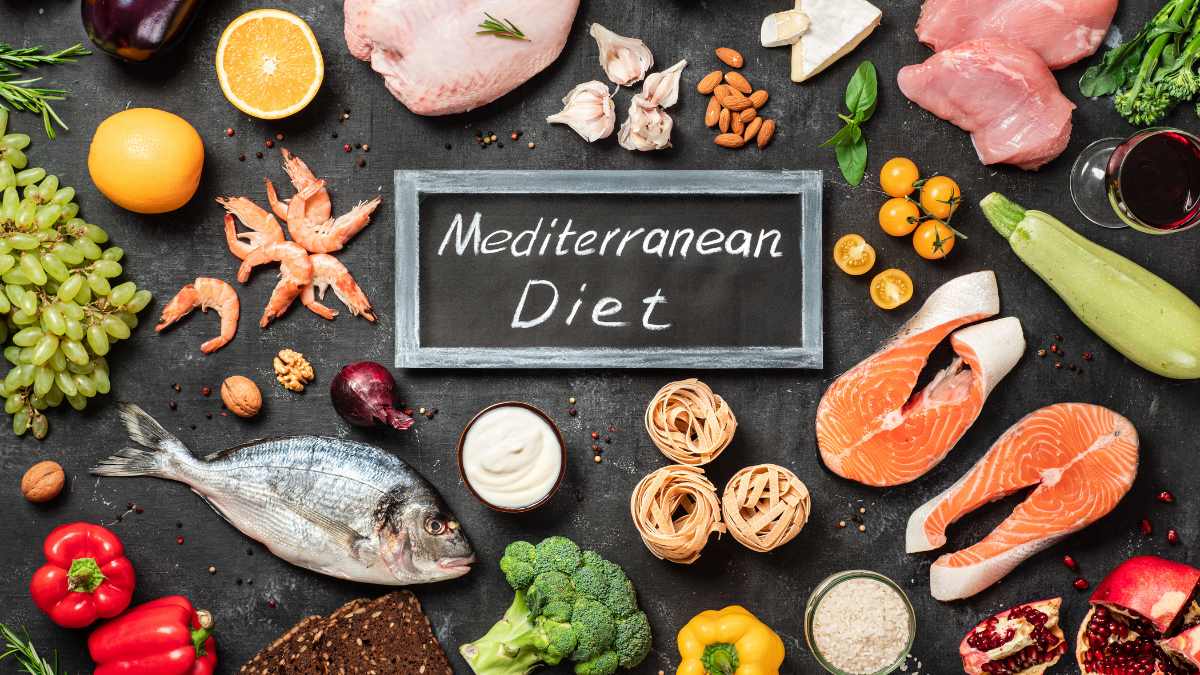
The Mediterranean diet is characterized by its emphasis on plant-based foods, healthy fats, and lean proteins. Central to this diet are fruits, vegetables, whole grains, legumes, nuts, and seeds. Olive oil serves as the primary source of fat, replacing butter and other saturated fats commonly found in Western diets. This diet also includes moderate consumption of fish and poultry, while red meat is limited to occasional servings.
One of the key principles of the Mediterranean diet is the consumption of fresh, minimally processed foods. This approach not only enhances nutrient intake but also reduces the consumption of additives and preservatives. Herbs and spices are used liberally to flavor dishes, reducing the need for salt and other high-sodium seasonings. This diet also encourages regular physical activity and social interactions during meals, promoting overall well-being.
Dairy products are consumed in moderation, primarily in the form of yogurt and cheese. These provide essential nutrients like calcium and probiotics, which support digestive health. Wine, particularly red wine, is consumed in moderation, often with meals. This practice is believed to contribute to the cardiovascular benefits associated with the Mediterranean diet.
The diet’s emphasis on healthy fats, particularly monounsaturated fats from olive oil, is a significant factor in its health benefits. These fats help reduce bad cholesterol levels and are associated with a lower risk of heart disease. Omega-3 fatty acids from fish also play a crucial role in maintaining heart health and reducing inflammation.
Whole grains, such as barley, oats, and brown rice, are staples of the Mediterranean diet. These grains provide essential nutrients and fiber, which aid in digestion and help maintain stable blood sugar levels. Legumes, including beans, lentils, and chickpeas, are another important component, offering plant-based protein and fiber.
Overall, the Mediterranean diet is not just a set of dietary guidelines but a lifestyle that promotes long-term health and well-being. Its focus on whole, nutrient-dense foods and healthy fats sets it apart from many other dietary patterns.
Nutritional Profile of Mayonnaise
Mayonnaise is a popular condiment made primarily from oil, egg yolks, and an acidic ingredient such as vinegar or lemon juice. Its nutritional profile varies depending on the specific ingredients and preparation methods used. A typical serving of mayonnaise (about one tablespoon) contains approximately 90 calories, 10 grams of fat, and negligible amounts of protein and carbohydrates.
The fat content in mayonnaise is predominantly from the oil used in its preparation. Traditional mayonnaise is made with oils high in monounsaturated and polyunsaturated fats, such as soybean or canola oil. These fats are considered healthier compared to saturated and trans fats found in many processed foods. However, some commercial mayonnaise brands may use oils with higher saturated fat content, which can impact its overall healthiness.
Mayonnaise also contains cholesterol, primarily from the egg yolks. While dietary cholesterol has less of an impact on blood cholesterol levels than previously thought, individuals with specific health concerns may still need to monitor their intake. Additionally, mayonnaise is often high in sodium, which can contribute to elevated blood pressure if consumed in large quantities.
Despite its high-fat content, mayonnaise can provide some essential nutrients. The egg yolks offer vitamins such as vitamin E and vitamin K, along with minerals like phosphorus and selenium. These nutrients play various roles in maintaining overall health, including supporting immune function and bone health.
Some mayonnaise varieties are fortified with additional nutrients or made with healthier oils, such as olive oil. These versions can offer a better nutritional profile, aligning more closely with the principles of the Mediterranean diet. However, it’s essential to read labels carefully to ensure that these products do not contain unhealthy additives or excessive sodium.
In summary, while mayonnaise is calorie-dense and high in fat, its nutritional value can vary significantly based on the ingredients used. Understanding its composition is crucial for making informed choices about its inclusion in a Mediterranean diet.
Mayonnaise Ingredients and Health Impact
The primary ingredients in mayonnaise are oil, egg yolks, and an acidic component like vinegar or lemon juice. Each of these ingredients contributes to the overall nutritional profile and health impact of the condiment. The type of oil used is particularly significant, as it determines the fat content and quality.
Oils high in monounsaturated and polyunsaturated fats, such as olive oil or canola oil, are considered healthier options. These fats can help reduce bad cholesterol levels and lower the risk of heart disease. In contrast, oils high in saturated fats, like palm oil or coconut oil, can contribute to higher cholesterol levels and increased cardiovascular risk.
Egg yolks are another critical component of mayonnaise, providing both fat and cholesterol. While egg yolks offer essential nutrients such as vitamins A, D, E, and K, as well as minerals like iron and zinc, they also contribute to the overall calorie and cholesterol content. For individuals monitoring their cholesterol intake, this can be a consideration.
The acidic ingredient, typically vinegar or lemon juice, adds flavor and acts as a preservative. Vinegar, particularly apple cider vinegar, has been associated with various health benefits, including improved digestion and blood sugar regulation. Lemon juice provides vitamin C and antioxidants, which support immune function and overall health.
Commercial mayonnaise often contains additional ingredients such as stabilizers, emulsifiers, and preservatives to enhance texture and shelf life. These additives can impact the healthiness of the product. For example, some emulsifiers have been linked to digestive issues and inflammation in certain individuals.
Moreover, the sodium content in mayonnaise can vary widely. High sodium intake is associated with increased blood pressure and a higher risk of heart disease. Choosing low-sodium varieties or making homemade mayonnaise can help mitigate this concern.
In conclusion, the health impact of mayonnaise largely depends on its ingredients. Opting for versions made with healthy oils and minimal additives can make it a more suitable choice for inclusion in a Mediterranean diet.
Comparing Mayonnaise with Mediterranean Staples
When evaluating mayonnaise in the context of the Mediterranean diet, it’s essential to compare it with traditional Mediterranean staples. Olive oil, for instance, is a cornerstone of the diet, known for its heart-healthy monounsaturated fats and antioxidant properties. Unlike mayonnaise, olive oil is typically consumed in its pure form, drizzled over salads or used in cooking.
Another staple is Greek yogurt, which is often used as a base for sauces and dressings. Greek yogurt is rich in protein, probiotics, and calcium, offering numerous health benefits. It can be a healthier alternative to mayonnaise, providing a creamy texture with fewer calories and less fat.
Hummus, made from chickpeas, tahini, olive oil, lemon juice, and garlic, is another popular Mediterranean condiment. Hummus is high in fiber, protein, and healthy fats, making it a nutritious option. Its ingredients align well with the principles of the Mediterranean diet, offering both flavor and health benefits.
Tahini, a paste made from sesame seeds, is another versatile ingredient in Mediterranean cuisine. It is rich in healthy fats, protein, and essential minerals like calcium and magnesium. Tahini can be used as a base for dressings and sauces, providing a nutrient-dense alternative to mayonnaise.
Pesto, traditionally made from basil, pine nuts, garlic, Parmesan cheese, and olive oil, is another flavorful option. Pesto offers healthy fats, vitamins, and antioxidants, making it a nutrient-rich choice. Its ingredients are consistent with the Mediterranean diet’s emphasis on whole, minimally processed foods.
In summary, while mayonnaise can be included in a Mediterranean diet, there are numerous traditional staples that offer similar flavors and textures with added health benefits. These alternatives align more closely with the diet’s principles, providing nutrient-dense options that support overall health.
Expert Opinions on Mayonnaise in the Diet
Nutrition experts have varying opinions on the inclusion of mayonnaise in a Mediterranean diet. Some argue that mayonnaise can be part of a healthy diet when consumed in moderation and made with high-quality ingredients. They emphasize the importance of choosing mayonnaise made with healthy oils, such as olive oil, and minimal additives.
Others caution against regular consumption of mayonnaise due to its high calorie and fat content. They suggest that individuals focus on traditional Mediterranean staples, which offer more nutrients and health benefits. For example, using olive oil, Greek yogurt, or hummus as alternatives can provide similar flavors with better nutritional profiles.
Dietitians often recommend homemade mayonnaise as a healthier option. By making mayonnaise at home, individuals can control the ingredients and avoid unhealthy additives. Using olive oil and fresh, organic eggs can enhance the nutritional value, making it a more suitable choice for a Mediterranean diet.
Some experts highlight the importance of portion control. While mayonnaise can be calorie-dense, using it sparingly can help manage overall calorie intake. They suggest incorporating mayonnaise in small amounts, such as a thin spread on sandwiches or a minor component in dressings and sauces.
There is also a consensus on the importance of reading labels when purchasing commercial mayonnaise. Experts advise looking for products with simple, natural ingredients and avoiding those with high levels of sodium, sugar, and artificial additives. Choosing brands that use healthy oils can make a significant difference in the overall health impact.
In conclusion, expert opinions on mayonnaise in a Mediterranean diet vary, but there is a general agreement on the importance of moderation, ingredient quality, and portion control. Making informed choices can help individuals enjoy mayonnaise while adhering to the principles of the Mediterranean diet.
Practical Tips for Including Mayonnaise
For those who wish to include mayonnaise in their Mediterranean diet, there are several practical tips to consider. First, opt for mayonnaise made with healthy oils, such as olive oil or avocado oil. These oils provide beneficial fats that align with the diet’s principles.
Consider making homemade mayonnaise to control the ingredients and ensure a healthier product. Use fresh, organic eggs and high-quality oils, and experiment with adding herbs and spices for extra flavor. Homemade mayonnaise can be stored in the refrigerator for up to a week.
When using mayonnaise, practice portion control. A small amount can add flavor and creaminess to dishes without significantly increasing calorie and fat intake. Use it as a thin spread on sandwiches or as a minor component in dressings and sauces.
Combine mayonnaise with other healthy ingredients to enhance its nutritional profile. For example, mix mayonnaise with Greek yogurt to reduce the fat content while adding protein and probiotics. This combination can be used as a base for creamy dressings and dips.
Experiment with using mayonnaise in Mediterranean-inspired recipes. For instance, create a light aioli by mixing mayonnaise with garlic, lemon juice, and olive oil. Use it as a dip for vegetables or a topping for grilled fish. This approach allows you to enjoy mayonnaise while incorporating traditional Mediterranean flavors.
Finally, be mindful of the overall balance of your diet. While mayonnaise can be included, it should not replace nutrient-dense foods like fruits, vegetables, whole grains, and legumes. Focus on maintaining a varied and balanced diet that adheres to the principles of the Mediterranean lifestyle.
Conclusion:
Mayonnaise can be included in a Mediterranean diet when chosen and used thoughtfully. By selecting high-quality ingredients, practicing portion control, and combining mayonnaise with other healthy foods, individuals can enjoy this popular condiment while adhering to the principles of the Mediterranean diet. Ultimately, the key is to make informed choices that support overall health and well-being.
Read More…
- Mayo Clinic – Mediterranean Diet: A Heart-Healthy Eating Plan: This comprehensive guide from the Mayo Clinic provides an overview of the Mediterranean diet and its health benefits.
- Harvard T.H. Chan School of Public Health – The Nutrition Source: Mediterranean Diet: An in-depth resource on the Mediterranean diet, including its key components and scientific backing.
- American Heart Association – Monounsaturated Fats: Information on the health benefits of monounsaturated fats, which are a key component of the Mediterranean diet.
- Cleveland Clinic – Is Mayonnaise Unhealthy?: An article discussing the nutritional profile of mayonnaise and its health implications.
- Oldways – Mediterranean Diet Pyramid: A visual representation of the Mediterranean diet, highlighting its key food groups and recommended servings.