

Introduction:
The Mediterranean diet is renowned for its numerous health benefits and its emphasis on whole, natural foods. Pasta, a staple in many Mediterranean countries, often raises questions regarding its suitability within this diet. This article delves into the role of pasta in the Mediterranean diet, examining its nutritional profile, health benefits, and how it can be incorporated into a balanced eating plan.
Understanding Pasta in the Mediterranean Diet
Pasta has long been a fundamental component of Mediterranean cuisine, particularly in countries like Italy and Greece. It serves as a versatile base for a variety of dishes, often paired with vegetables, lean proteins, and healthy fats. The Mediterranean diet emphasizes moderation and balance, and pasta fits well within this framework when consumed in appropriate portions.
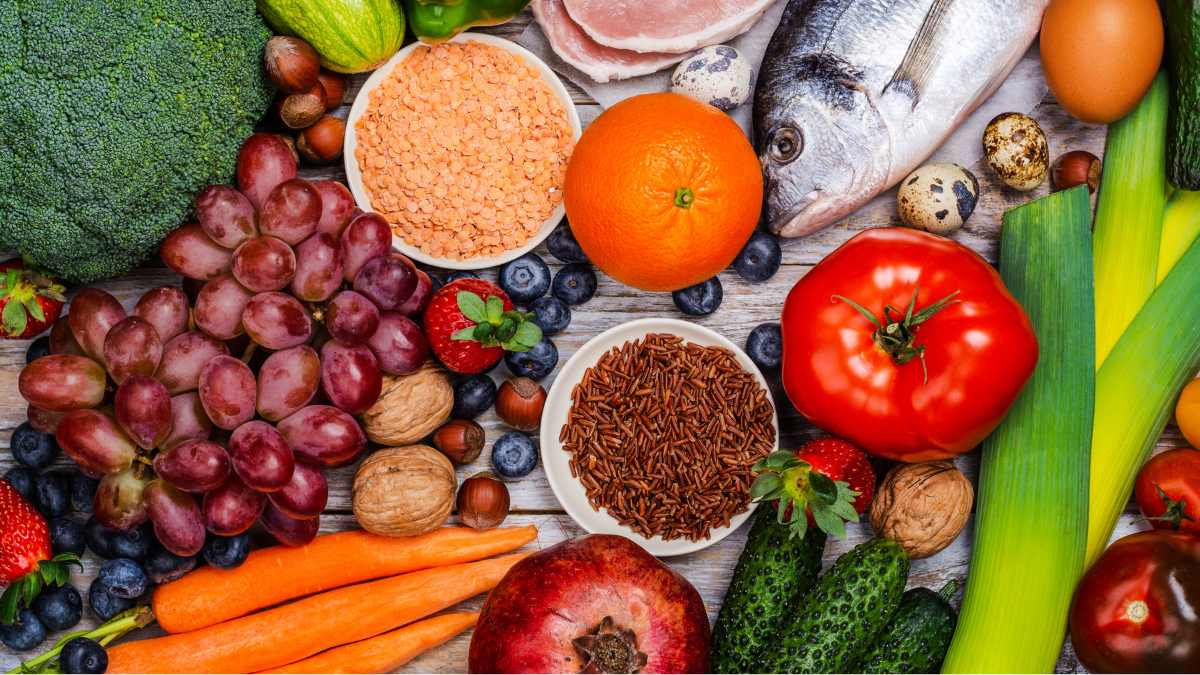
The Mediterranean diet is characterized by a high intake of fruits, vegetables, whole grains, legumes, nuts, and olive oil, with moderate consumption of fish and poultry, and limited intake of red meat and sweets. Pasta, especially when made from whole grains, aligns with these principles, providing a source of complex carbohydrates and dietary fiber.
In traditional Mediterranean dishes, pasta is rarely the main focus. Instead, it is often combined with a variety of nutrient-dense ingredients, such as tomatoes, garlic, olive oil, and fresh herbs. This approach not only enhances the flavor but also boosts the nutritional value of the meal.
Pasta’s role in the Mediterranean diet is also influenced by cultural and regional variations. For instance, in southern Italy, pasta is frequently served with seafood and vegetables, while in northern regions, it may be paired with richer sauces and meats. These variations reflect the adaptability of pasta within the Mediterranean dietary framework.
The Mediterranean diet’s emphasis on whole foods and balanced meals means that pasta can be enjoyed without guilt, provided it is consumed mindfully and in moderation. This approach helps prevent overconsumption and supports overall health and well-being.
Ultimately, pasta’s place in the Mediterranean diet is secured by its versatility, nutritional benefits, and compatibility with the diet’s core principles. When integrated thoughtfully, pasta can contribute to a wholesome and satisfying eating pattern.
Nutritional Profile of Different Pasta Types
Pasta comes in various forms, each with its unique nutritional profile. Traditional semolina pasta, made from durum wheat, is a common choice and provides a good source of carbohydrates, protein, and some essential vitamins and minerals.
Whole grain pasta, made from whole wheat flour, offers additional nutritional benefits compared to refined pasta. It contains more dietary fiber, which aids in digestion and helps maintain stable blood sugar levels. Whole grain pasta also provides higher amounts of vitamins and minerals, such as B vitamins, iron, and magnesium.
Gluten-free pasta options, such as those made from rice, corn, or legumes, cater to individuals with gluten sensitivities or celiac disease. These alternatives can vary widely in their nutritional content, so it’s important to choose options that offer a good balance of protein, fiber, and essential nutrients.
Specialty pastas, such as those made from quinoa, chickpeas, or lentils, have gained popularity for their higher protein and fiber content. These options can be particularly beneficial for vegetarians or those looking to increase their plant-based protein intake.
Enriched pasta, which has been fortified with additional nutrients like folic acid, iron, and B vitamins, offers another option for enhancing the nutritional value of meals. This type of pasta can help address specific nutrient deficiencies and support overall health.
Understanding the nutritional differences between various pasta types allows individuals to make informed choices that align with their dietary needs and preferences. By selecting nutrient-dense options, pasta can be a valuable component of a balanced Mediterranean diet.
Health Benefits of Including Pasta
Including pasta in a Mediterranean diet can offer several health benefits, particularly when it is consumed as part of a balanced and varied eating plan. One of the primary advantages is its role as a source of complex carbohydrates, which provide sustained energy and support overall metabolic function.
Pasta is also a low-fat food, making it a suitable option for those looking to manage their fat intake. When paired with healthy fats, such as olive oil or avocado, pasta dishes can contribute to a heart-healthy diet that supports cardiovascular health.
The dietary fiber found in whole grain pasta aids in digestion and promotes a healthy gut microbiome. Fiber helps regulate bowel movements, reduce the risk of constipation, and may lower the risk of developing certain gastrointestinal disorders.
Pasta can also be a vehicle for incorporating a variety of nutrient-rich ingredients into the diet. By adding vegetables, lean proteins, and healthy fats, pasta dishes can become nutritionally balanced meals that provide essential vitamins, minerals, and antioxidants.
The versatility of pasta allows for endless culinary creativity, making it easier to adhere to a Mediterranean diet. Whether served hot or cold, as a main course or a side dish, pasta can be adapted to suit different tastes and dietary preferences, ensuring that meals remain enjoyable and satisfying.
Research has shown that diets rich in whole grains, like those found in whole grain pasta, are associated with a lower risk of chronic diseases such as heart disease, diabetes, and certain cancers. By incorporating pasta into a Mediterranean diet, individuals can benefit from these protective effects and support long-term health.
Comparing Whole Grain and Refined Pasta
When comparing whole grain and refined pasta, several key differences emerge that can influence their suitability within a Mediterranean diet. Whole grain pasta, made from whole wheat flour, retains the bran, germ, and endosperm of the grain, resulting in a higher fiber content and more nutrients.
Refined pasta, on the other hand, is made from refined wheat flour, which has been stripped of the bran and germ during processing. This results in a product with a finer texture but lower nutritional value, as many of the beneficial nutrients are removed.
One of the main advantages of whole grain pasta is its higher fiber content. Dietary fiber is essential for maintaining healthy digestion, regulating blood sugar levels, and promoting satiety. Consuming whole grain pasta can help individuals feel fuller for longer, reducing the likelihood of overeating.
Whole grain pasta also contains more vitamins and minerals compared to refined pasta. These include B vitamins (such as thiamine, riboflavin, and niacin), iron, magnesium, and zinc. These nutrients play vital roles in energy metabolism, immune function, and overall health.
Refined pasta, while lower in fiber and nutrients, can still be part of a healthy diet when consumed in moderation and paired with nutrient-dense ingredients. For example, adding vegetables, lean proteins, and healthy fats to a refined pasta dish can enhance its nutritional profile and make it more balanced.
Ultimately, the choice between whole grain and refined pasta depends on individual dietary preferences and health goals. For those looking to maximize their nutrient intake and support digestive health, whole grain pasta is the preferred option. However, refined pasta can still be enjoyed occasionally as part of a varied and balanced Mediterranean diet.
Pasta Portion Control and Serving Suggestions
Portion control is crucial when incorporating pasta into a Mediterranean diet, as it helps prevent overconsumption and ensures that meals remain balanced. A typical serving size of cooked pasta is about one cup, which provides approximately 200 calories and 40 grams of carbohydrates.
To maintain portion control, it’s helpful to measure pasta before cooking. Using a kitchen scale or measuring cups can ensure that servings are consistent and appropriate for individual dietary needs. Additionally, balancing pasta with other food groups, such as vegetables and proteins, can create a more satisfying and nutritious meal.
One effective strategy for portion control is to use pasta as a base for a variety of nutrient-dense ingredients. For example, a pasta salad with mixed greens, cherry tomatoes, grilled chicken, and a light vinaigrette can provide a balanced combination of carbohydrates, protein, and healthy fats.
Another approach is to use pasta as a side dish rather than the main course. Pairing a smaller portion of pasta with a larger serving of vegetables or a lean protein can help control calorie intake while still enjoying the flavors and textures of the pasta.
Incorporating whole grain pasta can also aid in portion control, as the higher fiber content promotes satiety and helps individuals feel fuller for longer. This can reduce the likelihood of consuming excessive amounts of pasta and support overall dietary balance.
Experimenting with different pasta shapes and sizes can add variety to meals and make portion control more manageable. For example, using smaller pasta shapes like orzo or ditalini can create the illusion of a larger portion, helping to satisfy hunger without overindulging.
By practicing mindful eating and focusing on portion control, individuals can enjoy pasta as part of a Mediterranean diet without compromising their health goals. This approach ensures that pasta remains a delicious and nutritious component of a balanced eating plan.
Integrating Pasta into a Balanced Diet
Integrating pasta into a balanced Mediterranean diet involves combining it with a variety of nutrient-dense foods to create well-rounded meals. The key is to focus on incorporating a diverse array of ingredients that provide essential vitamins, minerals, and other nutrients.
One way to achieve this is by pairing pasta with a colorful assortment of vegetables. Vegetables like spinach, bell peppers, zucchini, and tomatoes not only add flavor and texture but also contribute important nutrients such as vitamins A and C, potassium, and antioxidants.
Adding lean proteins to pasta dishes can enhance their nutritional value and support muscle health. Options like grilled chicken, shrimp, tofu, or legumes can provide high-quality protein while keeping the meal light and balanced. These proteins also complement the complex carbohydrates found in pasta, creating a satisfying and energy-sustaining dish.
Healthy fats are another crucial component of a balanced Mediterranean diet. Incorporating sources of healthy fats, such as olive oil, avocado, nuts, and seeds, into pasta dishes can improve heart health and provide essential fatty acids. These fats also enhance the absorption of fat-soluble vitamins present in other ingredients.
Herbs and spices play a significant role in Mediterranean cuisine and can elevate the flavor of pasta dishes without adding extra calories or sodium. Fresh herbs like basil, parsley, oregano, and thyme, along with spices like garlic, red pepper flakes, and black pepper, can create vibrant and aromatic meals.
For those looking to reduce their carbohydrate intake, using pasta alternatives such as spiralized vegetables (zucchini noodles) or legume-based pasta can provide similar textures and flavors while offering additional nutrients. These alternatives can be seamlessly integrated into traditional pasta recipes, maintaining the essence of Mediterranean cuisine.
By thoughtfully combining pasta with a variety of nutrient-rich ingredients, individuals can create balanced and satisfying meals that align with the principles of the Mediterranean diet. This approach ensures that pasta remains a versatile and enjoyable part of a healthy eating pattern.
Conclusion:
Pasta can undoubtedly be a suitable and beneficial component of a Mediterranean diet when consumed mindfully and in moderation. By understanding the nutritional differences between various pasta types, practicing portion control, and integrating pasta with a diverse array of nutrient-dense ingredients, individuals can enjoy the health benefits and culinary pleasures that pasta offers. Embracing the principles of the Mediterranean diet, which emphasizes balance, variety, and whole foods, allows pasta to contribute to a wholesome and satisfying eating plan.
Read More…
-
Harvard T.H. Chan School of Public Health – The Nutrition Source: The Mediterranean Diet
- This resource provides an in-depth overview of the Mediterranean diet, its health benefits, and practical tips for implementation.
-
Oldways – Mediterranean Diet Pyramid
- Oldways offers a detailed guide to the Mediterranean diet pyramid, highlighting the importance of various food groups, including pasta.
-
Mayo Clinic – Mediterranean Diet: A Heart-Healthy Eating Plan
- The Mayo Clinic provides a comprehensive look at the Mediterranean diet, including its health benefits and how to incorporate it into daily life.
-
Academy of Nutrition and Dietetics – Whole Grains: Benefits and Nutrition
- This article explores the nutritional benefits of whole grains, including whole grain pasta, and their role in a healthy diet.
-
Healthline – Whole Grain vs. Refined Grains: What’s the Difference?
- Healthline explains the differences between whole grain and refined grains, helping readers make informed choices about their pasta consumption.