

Introduction:
The Mediterranean diet is renowned for its health benefits, emphasizing whole foods, healthy fats, and a balanced approach to eating. As individuals explore this dietary pattern, questions arise regarding the inclusion of various foods, including peanut butter. This article delves into the compatibility of peanut butter with the Mediterranean diet, examining its nutritional profile, health benefits, and potential risks, while providing a comprehensive understanding of how it can fit into this eating pattern.
Understanding the Mediterranean Diet: Key Components Explained
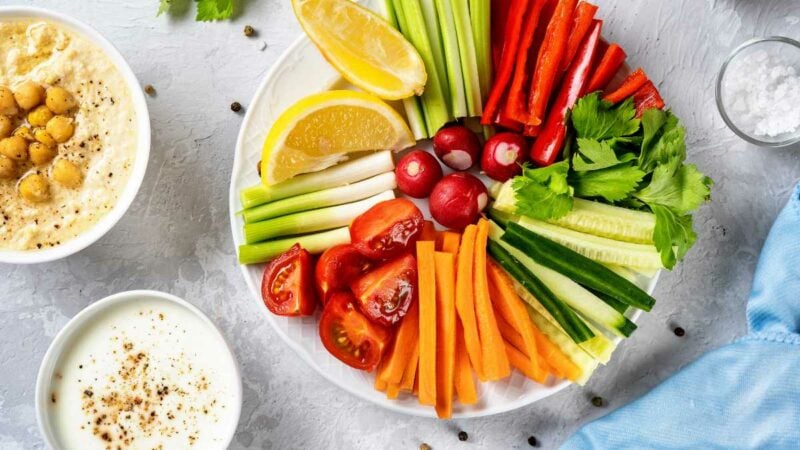
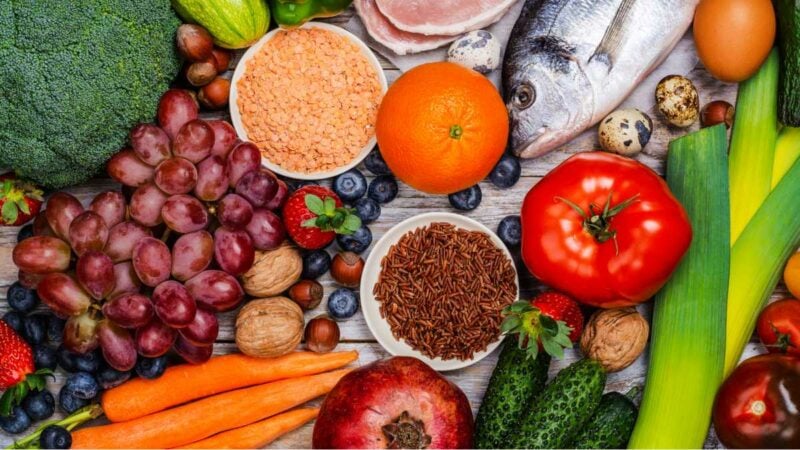
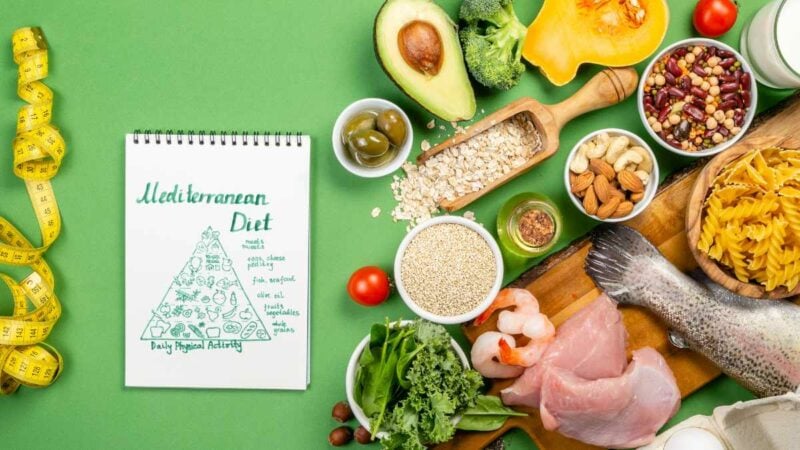
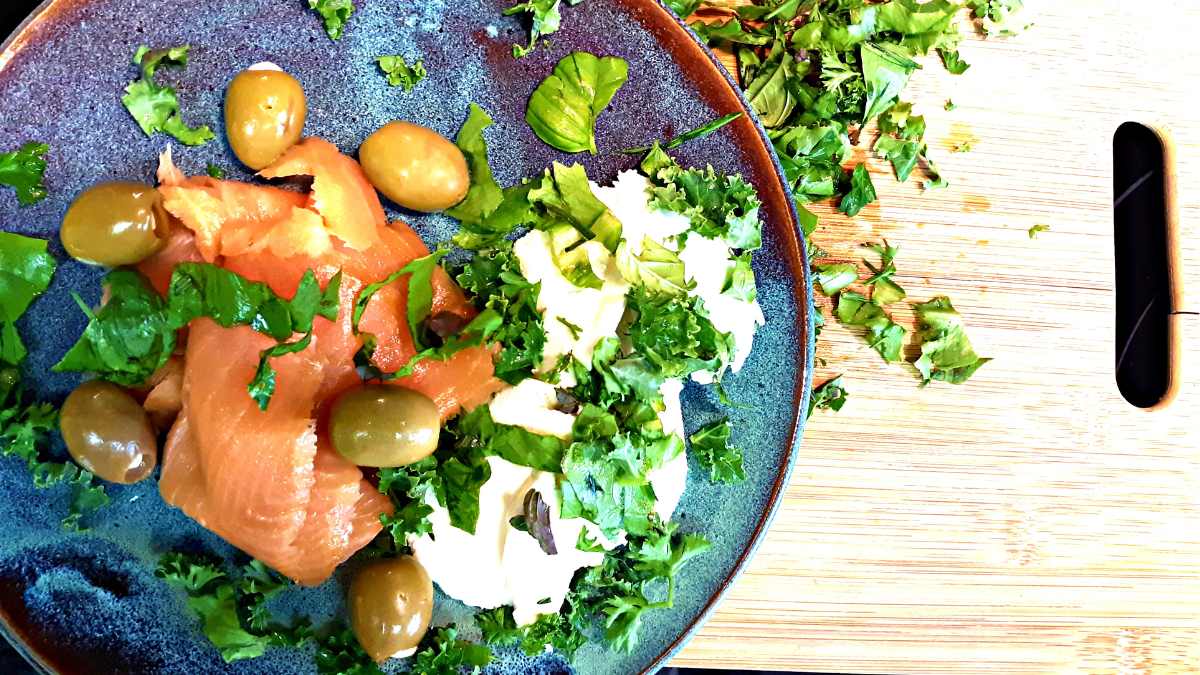
The Mediterranean diet is characterized by a high intake of fruits, vegetables, whole grains, legumes, nuts, and seeds. These foods are rich in essential nutrients, fiber, and antioxidants, promoting overall health. Healthy fats, primarily from olive oil, are a cornerstone of this diet, providing monounsaturated fats that are beneficial for heart health. Additionally, moderate consumption of fish and poultry is encouraged, while red meat and processed foods are limited.
A unique aspect of the Mediterranean diet is its emphasis on social and cultural practices surrounding food. Meals are often enjoyed with family and friends, promoting a sense of community and mindfulness while eating. This approach not only enhances the enjoyment of food but also encourages healthier eating habits, as individuals are more likely to savor their meals and make conscious choices.
Another key component is the inclusion of herbs and spices instead of salt to flavor dishes. This not only enhances the taste but also adds additional health benefits, as many herbs and spices possess anti-inflammatory and antioxidant properties. Overall, the Mediterranean diet is not merely a set of food guidelines but a holistic lifestyle that promotes physical, mental, and social well-being.
Lastly, the Mediterranean diet is adaptable and can be modified to fit various dietary preferences and restrictions. Whether one is vegetarian, vegan, or has specific food allergies, the principles of this diet can be tailored to meet individual needs while still adhering to its foundational elements.
Nutritional Profile of Peanut Butter: A Detailed Analysis
Peanut butter is a nutrient-dense food that offers a variety of essential nutrients. It is primarily composed of healthy fats, particularly monounsaturated and polyunsaturated fats, which are beneficial for heart health. A typical serving of peanut butter (about two tablespoons) contains approximately 190 calories, 16 grams of fat, 8 grams of protein, and 2 grams of carbohydrates, making it a calorie-dense food that can contribute to satiety.
In addition to its fat and protein content, peanut butter is a good source of several vitamins and minerals, including vitamin E, magnesium, potassium, and phosphorus. These nutrients play vital roles in various bodily functions, from supporting immune health to maintaining muscle function and bone health. Moreover, peanut butter contains antioxidants, which help combat oxidative stress and inflammation in the body.
However, it is essential to consider the quality of peanut butter when evaluating its nutritional profile. Natural peanut butter, which contains minimal ingredients (typically just peanuts and salt), is preferable to processed varieties that may contain added sugars, hydrogenated oils, and preservatives. These additives can diminish the health benefits of peanut butter and contribute to unhealthy eating patterns.
Lastly, while peanut butter is nutritious, it is also energy-dense, meaning that portion control is crucial. Understanding the caloric content and serving sizes can help individuals incorporate peanut butter into their diets without exceeding their daily caloric needs.
Health Benefits of Peanut Butter in a Balanced Diet
Incorporating peanut butter into a balanced diet can yield several health benefits. One of the most notable advantages is its potential to support heart health. The monounsaturated fats found in peanut butter can help lower LDL cholesterol levels, reducing the risk of cardiovascular diseases. Additionally, peanut butter contains resveratrol, an antioxidant that may provide further cardiovascular benefits.
Peanut butter is also an excellent source of plant-based protein, making it a valuable addition to vegetarian and vegan diets. Protein is essential for muscle repair, immune function, and overall health. Including peanut butter in meals or snacks can help individuals meet their protein needs while providing a satisfying and delicious option.
Furthermore, the fiber content in peanut butter contributes to digestive health. Fiber aids in regular bowel movements and can help manage blood sugar levels by slowing the absorption of sugar into the bloodstream. This can be particularly beneficial for individuals with diabetes or those looking to maintain stable energy levels throughout the day.
Lastly, the satiety factor of peanut butter can assist in weight management. The combination of healthy fats, protein, and fiber can help individuals feel fuller for longer, reducing the likelihood of overeating and snacking on less nutritious options.
Evaluating Peanut Butter’s Role in Mediterranean Eating Patterns
When considering the Mediterranean diet, peanut butter can fit into the framework as a source of healthy fats and protein. While traditional Mediterranean diets may emphasize olive oil and other nuts, peanut butter can serve as a convenient and versatile alternative. It can be used in various dishes, from smoothies to dressings, adding flavor and nutritional value.
However, it is essential to approach peanut butter with an understanding of moderation and balance. While it offers health benefits, excessive consumption can lead to an imbalance in caloric intake. Individuals following the Mediterranean diet should ensure that peanut butter complements other nutrient-dense foods, such as fruits, vegetables, whole grains, and legumes, rather than replacing them.
Additionally, the cultural context of the Mediterranean diet emphasizes diversity in food choices. While peanut butter can be included, it should not overshadow traditional Mediterranean staples like olives, nuts, and seeds. Incorporating a variety of sources of healthy fats will provide a broader range of nutrients and flavors, enhancing the overall eating experience.
Lastly, individuals should consider their personal health goals and dietary preferences when integrating peanut butter into their Mediterranean eating patterns. For some, it may be a suitable addition, while others may prefer to stick with more traditional sources of healthy fats. Listening to one’s body and making informed choices is key to a successful dietary approach.
Potential Risks of Peanut Butter Consumption in Moderation
While peanut butter offers numerous health benefits, there are potential risks associated with its consumption, particularly when not moderated. One concern is the caloric density of peanut butter. Due to its high-fat content, it is easy to consume more calories than intended, which can contribute to weight gain if not accounted for in the overall diet.
Another risk is the potential for allergies. Peanut allergies are among the most common food allergies, particularly in children. For individuals with a peanut allergy, even a small amount of peanut butter can trigger severe allergic reactions, necessitating strict avoidance of the food. It is crucial for those with known allergies to be cautious and seek alternatives that align with their dietary needs.
Additionally, some commercially available peanut butter products contain added sugars, unhealthy fats, and preservatives. These additives can negate the health benefits of peanut butter and contribute to unhealthy eating patterns. It is essential to read labels carefully and choose natural varieties with minimal ingredients to ensure a healthier option.
Lastly, individuals with certain health conditions, such as pancreatitis or gallbladder disease, may need to limit their intake of high-fat foods, including peanut butter. Consulting with a healthcare professional or registered dietitian can provide personalized guidance on incorporating peanut butter into a balanced diet while considering individual health needs.
Conclusions: Integrating Peanut Butter into Mediterranean Diets
In summary, peanut butter can be a nutritious addition to the Mediterranean diet when consumed in moderation and with attention to quality. Its rich nutritional profile, including healthy fats, protein, and essential vitamins and minerals, aligns well with the principles of this dietary pattern. However, it is crucial to approach its consumption mindfully, considering portion sizes and the overall balance of the diet.
Incorporating peanut butter alongside traditional Mediterranean foods can enhance the diversity of flavors and nutrients in meals. By doing so, individuals can enjoy the benefits of peanut butter while still adhering to the foundational elements of the Mediterranean diet. Ultimately, listening to one’s body and making informed dietary choices is key to achieving a healthy and satisfying eating pattern.
Read more
- Mediterranean Diet Overview – A comprehensive guide to the Mediterranean diet, including its health benefits and key components.
- Nutritional Profile of Peanut Butter – Detailed nutritional information about peanut butter, including its macronutrient and micronutrient content.
- Health Benefits of Nuts and Seeds – An article discussing the health benefits of nuts and seeds, including peanut butter, in various diets.
- Understanding Food Allergies – A resource providing information about food allergies, including peanut allergies, and how to manage them.
- The Role of Healthy Fats in Diet – An overview of healthy fats, their importance in the diet, and how to incorporate them effectively.