

Introduction:
The Mediterranean diet is widely celebrated for its health benefits, emphasizing whole foods, healthy fats, and a balanced approach to eating. As people seek snacks that align with this lifestyle, the question arises: is popcorn a suitable choice? This article explores the compatibility of popcorn with the Mediterranean diet by examining its nutritional profile, comparing it to traditional snacks, and assessing its health benefits and potential drawbacks.
Understanding the Mediterranean Diet: Key Principles Explained
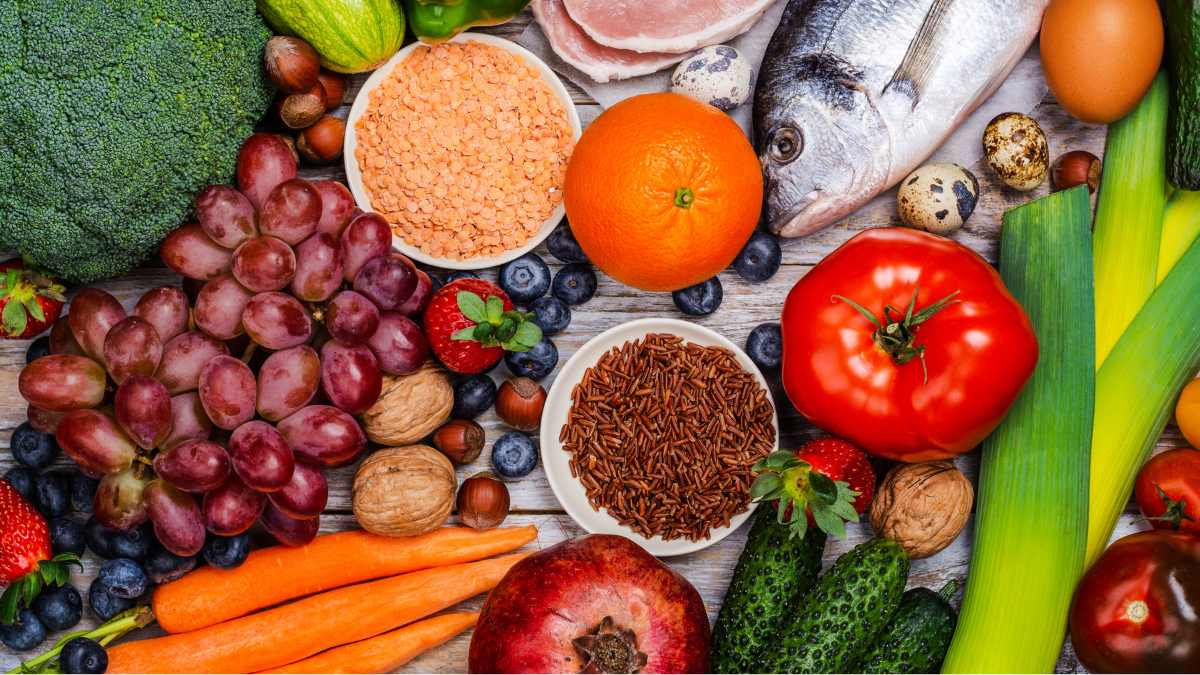
The Mediterranean diet is rooted in the traditional eating habits of countries bordering the Mediterranean Sea, such as Italy, Greece, and Spain. Key principles of this diet include a high intake of fruits, vegetables, whole grains, legumes, nuts, and seeds, complemented by moderate consumption of fish and poultry. Healthy fats, particularly olive oil, are favored over saturated fats, while red meat and sweets are consumed sparingly.
Another essential aspect of the Mediterranean diet is its focus on sustainability and seasonality. Foods are often locally sourced and in season, which not only enhances flavor but also supports local economies and reduces environmental impact. Additionally, the diet encourages mindful eating practices, promoting social connections and enjoyment during meals.
Physical activity is also a cornerstone of the Mediterranean lifestyle, contributing to overall well-being. This holistic approach not only supports physical health but also mental and emotional wellness, making it a comprehensive lifestyle choice rather than just a dietary regimen.
In essence, the Mediterranean diet is about balance, variety, and moderation, encouraging individuals to enjoy a wide range of foods while prioritizing nutrient-dense options.
Nutritional Profile of Popcorn: A Comprehensive Analysis
Popcorn is a whole grain, making it a nutritionally rich snack option. It is low in calories, with approximately 30 calories per cup of air-popped popcorn, and is high in fiber, which aids in digestion and promotes satiety. Fiber is essential for maintaining a healthy digestive system and can help regulate blood sugar levels, making popcorn a potentially beneficial snack for those monitoring their weight or blood sugar.
In addition to fiber, popcorn contains several essential vitamins and minerals. It is a source of antioxidants, particularly polyphenols, which can help combat oxidative stress and inflammation in the body. These compounds are linked to various health benefits, including improved heart health and reduced risk of chronic diseases.
However, the nutritional value of popcorn can vary significantly based on preparation methods. Air-popped popcorn is the healthiest option, while varieties prepared with excessive butter, oil, or salt can negate many of its health benefits. Thus, understanding the preparation methods is crucial when considering popcorn as a snack.
Overall, popcorn can be a nutritious addition to a balanced diet, but it is essential to consider how it is prepared and consumed.
Comparing Popcorn to Traditional Mediterranean Snacks
When comparing popcorn to traditional Mediterranean snacks, it is essential to consider the ingredients and nutritional profiles of each option. Common Mediterranean snacks include olives, hummus, and various nuts, all of which provide healthy fats, protein, and fiber. While popcorn offers fiber and is low in calories, it lacks the healthy fats found in these traditional snacks.
Olives, for example, are rich in monounsaturated fats and antioxidants, contributing to heart health and reducing inflammation. Hummus, made from chickpeas, provides protein and additional fiber, making it a more satiating option than popcorn. Nuts, such as almonds and walnuts, are nutrient-dense and offer a combination of healthy fats, protein, and vitamins.
In contrast, popcorn can be seen as a lighter snack, suitable for those looking for a quick, low-calorie option. It can also be flavored in various ways, allowing for creativity in preparation. However, it may not provide the same level of satiety or nutritional density as traditional Mediterranean snacks.
Ultimately, while popcorn can fit into a Mediterranean lifestyle, it may not replace the nutritional benefits offered by more traditional options.
Health Benefits of Popcorn in a Balanced Diet Context
Incorporating popcorn into a balanced diet can offer several health benefits. Its high fiber content aids in digestion and can help promote feelings of fullness, which may assist in weight management. Snacking on popcorn can be a way to curb hunger between meals without consuming excessive calories.
Moreover, the antioxidants present in popcorn contribute to overall health by fighting oxidative stress. Regular consumption of antioxidant-rich foods is associated with a lower risk of chronic diseases, including heart disease and certain cancers. This aligns well with the Mediterranean diet’s emphasis on antioxidant-rich foods.
Popcorn is also gluten-free, making it an excellent snack for individuals with gluten sensitivities or celiac disease. Its versatility allows it to be seasoned in various ways, from savory to sweet, making it an appealing option for diverse palates.
While popcorn can be a beneficial addition to a balanced diet, it is essential to consume it mindfully and in moderation, ensuring it complements other nutrient-dense foods.
Potential Drawbacks of Popcorn in Mediterranean Eating
Despite its benefits, there are potential drawbacks to including popcorn in a Mediterranean diet. One concern is the preparation methods that can significantly affect its healthiness. Popcorn that is heavily buttered or salted can lead to excessive calorie intake and may contribute to health issues such as hypertension and obesity.
Additionally, popcorn lacks the healthy fats and protein found in many Mediterranean snacks. While it can serve as a light snack, it may not provide the same level of satisfaction or nutritional value as options like nuts or seeds. This could lead to overeating if individuals consume popcorn in an attempt to feel full.
Another consideration is the potential for additives and flavorings in commercially prepared popcorn. Many pre-packaged varieties contain artificial flavors, preservatives, and unhealthy fats, which can detract from the overall health benefits. It is crucial for consumers to read labels carefully and opt for air-popped or minimally processed popcorn.
Lastly, while popcorn can be a fun and enjoyable snack, it should not be relied upon as a primary source of nutrition. A balanced approach that includes a variety of foods is essential for maintaining optimal health.
Conclusion: Popcorn’s Role in a Mediterranean Lifestyle
In conclusion, popcorn can be a suitable snack within the Mediterranean diet, provided it is prepared healthily and consumed in moderation. Its high fiber content and low-calorie profile make it an appealing option for those seeking a light snack. However, it is essential to recognize that popcorn should complement a diet rich in fruits, vegetables, whole grains, and healthy fats.
While popcorn offers some health benefits, it cannot replace the nutritional density of traditional Mediterranean snacks. Therefore, it is best enjoyed as part of a diverse diet that prioritizes whole, nutrient-rich foods. By making mindful choices about preparation and consumption, individuals can enjoy popcorn while still adhering to the principles of the Mediterranean lifestyle.
Conclusions:
In summary, popcorn can fit into a Mediterranean diet when prepared healthily and consumed mindfully. It offers a low-calorie, high-fiber snack option but should not overshadow the benefits of traditional Mediterranean foods. A balanced approach that incorporates a variety of nutrient-dense snacks will ultimately support overall health and well-being.
Read more
- Mediterranean Diet Basics – An overview of the Mediterranean diet, including its principles and health benefits.
- Nutritional Profile of Popcorn – A comprehensive study on the nutritional aspects of popcorn and its health implications.
- Health Benefits of Whole Grains – Information on the health benefits of incorporating whole grains, including popcorn, into your diet.
- Mediterranean Diet and Chronic Disease – Research discussing the link between the Mediterranean diet and reduced risk of chronic diseases.
- Popcorn: A Healthy Snack – An article detailing the health benefits and potential drawbacks of popcorn as a snack option.