

Se hai un abbonamento attivo ACCEDI QUI
Introduction: The Mediterranean diet is renowned for its health benefits and is often considered one of the most balanced and nutritious dietary patterns. This diet emphasizes the consumption of fruits, vegetables, whole grains, and healthy fats, primarily from olive oil. However, as new foods gain popularity, questions arise about their compatibility with this diet. One such food is popcorn. This article explores whether popcorn can be included in the Mediterranean diet by examining its nutritional components, role in a balanced diet, and how it compares to traditional Mediterranean snacks.
Introduction to the Mediterranean Diet
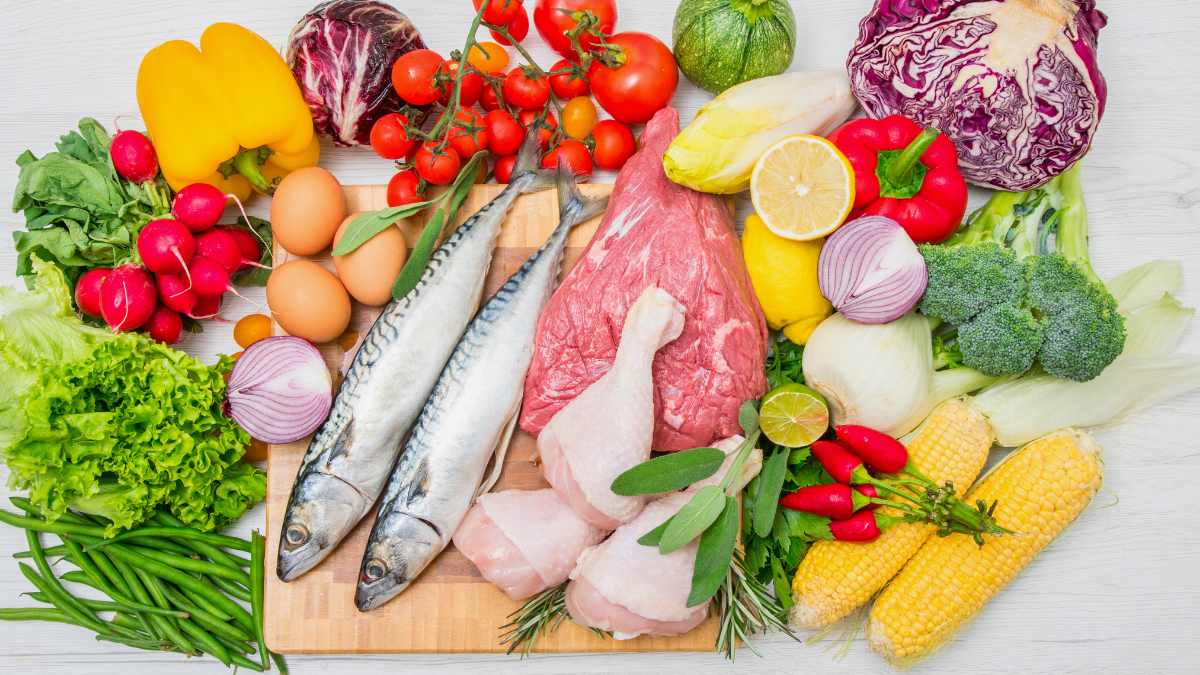
The Mediterranean diet is inspired by the traditional eating habits of people living in countries bordering the Mediterranean Sea, such as Greece, Italy, and Spain. This diet is characterized by a high intake of plant-based foods, including fruits, vegetables, legumes, nuts, and whole grains. Olive oil is the primary source of fat, and moderate consumption of fish, poultry, and dairy is encouraged. Red meat is consumed sparingly, and meals are often accompanied by a glass of red wine.
One of the key principles of the Mediterranean diet is its emphasis on whole, minimally processed foods. This focus on natural ingredients is believed to contribute to the diet’s numerous health benefits, including reduced risk of heart disease, stroke, and certain cancers. Additionally, the diet is rich in antioxidants, fiber, and healthy fats, which support overall well-being.
The Mediterranean diet also promotes a balanced approach to eating, where portion control and mindful eating are essential. This means enjoying meals slowly, savoring flavors, and being conscious of hunger and fullness cues. Social aspects of eating, such as sharing meals with family and friends, are also integral to this dietary pattern.
Given its emphasis on whole foods and balanced eating, the Mediterranean diet is often considered more of a lifestyle than a strict diet. It encourages sustainable eating habits that can be maintained long-term, rather than short-term dietary restrictions.
As new foods become popular, it’s essential to consider their compatibility with the Mediterranean diet’s principles. Popcorn, a beloved snack, is one such food that has garnered attention. To determine whether popcorn fits into this dietary pattern, it’s crucial to examine its nutritional components and how it aligns with the Mediterranean diet’s core values.
By understanding the Mediterranean diet’s foundation, we can better assess whether incorporating popcorn is consistent with its principles and health benefits.
Nutritional Components of Popcorn
Popcorn is a whole grain, which means it contains all three parts of the grain kernel: the bran, germ, and endosperm. This makes it a rich source of fiber, which is essential for digestive health and can help regulate blood sugar levels. A single serving of air-popped popcorn (approximately three cups) contains about 3.5 grams of fiber, making it a satisfying and low-calorie snack option.
In addition to fiber, popcorn provides a variety of essential nutrients. It is a good source of several B vitamins, including niacin, thiamine, and folate, which play crucial roles in energy metabolism and maintaining healthy skin, hair, and eyes. Popcorn also contains minerals such as magnesium, phosphorus, and zinc, which are important for bone health, immune function, and enzyme activity.
Popcorn is naturally low in fat and calories, especially when air-popped without added butter or oil. A three-cup serving of air-popped popcorn contains approximately 90 calories and less than 1 gram of fat. This makes it a suitable option for those looking to manage their weight while still enjoying a satisfying snack.
One of the unique nutritional components of popcorn is its polyphenol content. Polyphenols are antioxidants that help protect cells from damage caused by free radicals. Studies have shown that popcorn contains higher levels of polyphenols than many fruits and vegetables, making it a valuable addition to a diet rich in antioxidants.
However, the nutritional value of popcorn can be significantly altered by the way it is prepared. Adding large amounts of butter, oil, salt, or sugary coatings can turn this healthy snack into a less nutritious option. To maintain its health benefits, it’s essential to prepare popcorn in a way that preserves its natural nutritional components.
Understanding the nutritional profile of popcorn is crucial when considering its place in the Mediterranean diet. By focusing on its whole grain benefits and nutrient content, we can assess whether popcorn aligns with the diet’s emphasis on natural, minimally processed foods.
Popcorn’s Role in a Balanced Diet
Incorporating popcorn into a balanced diet can offer several benefits, particularly when it is prepared in a healthy manner. As a whole grain, popcorn can contribute to daily fiber intake, which is essential for maintaining digestive health and preventing constipation. The fiber content in popcorn also helps promote satiety, making it a useful snack for those looking to manage their weight.
Popcorn can be a versatile addition to a balanced diet, as it can be flavored in various ways to suit different tastes without compromising its nutritional value. For example, seasoning popcorn with herbs and spices, such as rosemary, thyme, or paprika, can enhance its flavor without adding unhealthy fats or excessive sodium. This aligns with the Mediterranean diet’s emphasis on using natural and flavorful ingredients.
When considering popcorn’s role in a balanced diet, it’s important to focus on portion control. While popcorn is a low-calorie snack, consuming large quantities can still contribute to an excessive calorie intake. A recommended serving size is about three cups of air-popped popcorn, which provides a satisfying amount without overindulging.
Popcorn can also be paired with other nutrient-dense foods to create a more balanced snack. For example, combining popcorn with a handful of nuts or seeds can provide a good mix of fiber, healthy fats, and protein, making it a more filling and nutritious option. This approach aligns with the Mediterranean diet’s principle of combining different food groups to achieve a balanced nutritional profile.
Including popcorn in a balanced diet also means being mindful of its preparation methods. Air-popping is the healthiest way to prepare popcorn, as it avoids the addition of unhealthy fats and excessive calories. Using a hot air popper or even popping kernels in a microwave-safe bowl with a lid can achieve this. Avoiding pre-packaged microwave popcorn, which often contains added fats, salt, and artificial flavors, is crucial for maintaining popcorn’s health benefits.
By understanding how to incorporate popcorn into a balanced diet, we can ensure that it complements the Mediterranean diet’s principles of whole, minimally processed foods and mindful eating. This allows us to enjoy popcorn as a healthy and satisfying snack without compromising our overall dietary goals.
Comparing Popcorn to Mediterranean Snacks
When comparing popcorn to traditional Mediterranean snacks, it’s essential to consider both nutritional value and cultural relevance. Traditional Mediterranean snacks often include items like olives, nuts, fresh fruits, and vegetables, which are rich in healthy fats, fiber, vitamins, and minerals. These snacks align well with the Mediterranean diet’s emphasis on natural, whole foods.
Olives, for example, are a staple in the Mediterranean diet and are known for their high content of monounsaturated fats, which support heart health. They also provide antioxidants and anti-inflammatory compounds. Nuts, such as almonds and walnuts, are another common snack, offering a good source of protein, healthy fats, and fiber. These snacks are nutrient-dense and provide sustained energy.
Fresh fruits and vegetables, such as grapes, figs, cucumbers, and cherry tomatoes, are also popular Mediterranean snacks. They are low in calories but high in vitamins, minerals, and antioxidants. These snacks contribute to the diet’s overall nutrient density and support various aspects of health, including immune function and skin health.
Compared to these traditional snacks, popcorn stands out as a whole grain option that offers a different nutritional profile. While it may not provide the same healthy fats as olives or nuts, it is a good source of fiber and antioxidants. Popcorn’s low calorie and fat content make it a suitable option for those looking to manage their weight while still enjoying a satisfying snack.
One advantage of popcorn is its versatility and ease of preparation. It can be quickly made at home with minimal equipment and can be seasoned in various ways to suit different tastes. This makes it a convenient snack option that can be enjoyed in moderation as part of a balanced diet.
However, it’s important to note that while popcorn can be a healthy addition to the Mediterranean diet, it should not replace traditional snacks entirely. Instead, it can be included as an occasional alternative that adds variety to the diet. By balancing popcorn with other nutrient-dense Mediterranean snacks, individuals can enjoy a diverse and satisfying range of foods that support overall health.
In conclusion, while popcorn differs from traditional Mediterranean snacks in terms of nutritional content, it can still be a valuable addition to the diet when prepared healthily and consumed in moderation. Its inclusion can provide variety and additional fiber, complementing the diet’s overall principles.
Health Benefits of Including Popcorn
Including popcorn in the diet can offer several health benefits, particularly when it is prepared in a healthy manner. One of the primary benefits of popcorn is its high fiber content. Dietary fiber is essential for maintaining digestive health, preventing constipation, and promoting regular bowel movements. It also helps regulate blood sugar levels and can contribute to a feeling of fullness, which is beneficial for weight management.
Popcorn is also rich in antioxidants, particularly polyphenols. These compounds help protect cells from damage caused by free radicals, which can contribute to chronic diseases such as heart disease and cancer. The antioxidant content of popcorn is comparable to that of many fruits and vegetables, making it a valuable addition to a diet rich in antioxidants.
Another health benefit of popcorn is its low calorie and fat content, especially when air-popped. This makes it a suitable snack option for those looking to manage their weight without sacrificing satiety. Popcorn’s volume and fiber content can help individuals feel full and satisfied, reducing the likelihood of overeating.
Popcorn also provides several essential nutrients, including B vitamins, magnesium, phosphorus, and zinc. These nutrients play crucial roles in energy metabolism, bone health, immune function, and overall well-being. Including popcorn as part of a balanced diet can help ensure adequate intake of these important nutrients.
In addition to its nutritional benefits, popcorn can also support mindful eating practices. Preparing and enjoying popcorn can be a mindful activity that encourages individuals to slow down and savor their food. This aligns with the Mediterranean diet’s emphasis on mindful eating and enjoying meals with family and friends.
However, it’s important to note that the health benefits of popcorn are best realized when it is prepared in a healthy manner. Air-popping is the preferred method, as it avoids the addition of unhealthy fats and excessive calories. Adding large amounts of butter, oil, salt, or sugary coatings can negate the health benefits of popcorn and turn it into a less nutritious option.
In summary, including popcorn in the diet can offer several health benefits, including increased fiber intake, antioxidant protection, and essential nutrients. When prepared healthily, popcorn can be a satisfying and nutritious snack that complements the Mediterranean diet’s principles of whole, minimally processed foods and mindful eating.
Expert Opinions on Popcorn in the Diet
Experts in nutrition and dietetics generally agree that popcorn can be a healthy addition to the diet when prepared in a healthy manner. As a whole grain, popcorn provides valuable nutrients and fiber that support overall health. Dietitians often recommend air-popped popcorn as a low-calorie, high-fiber snack that can help with weight management and digestive health.
Dr. David Katz, a prominent nutrition expert and founder of the Yale-Griffin Prevention Research Center, has highlighted the benefits of whole grains like popcorn. He emphasizes that whole grains are an important part of a balanced diet and can contribute to long-term health. However, he also cautions against the consumption of popcorn that is heavily processed or laden with unhealthy additives.
Registered dietitian nutritionist (RDN) Keri Gans also supports the inclusion of popcorn in a balanced diet. She notes that popcorn’s fiber content can help promote satiety and prevent overeating. Gans recommends seasoning popcorn with herbs and spices instead of butter and salt to maintain its health benefits while enhancing its flavor.
Nutrition expert Dr. Marion Nestle, author of several books on food and nutrition, also acknowledges the potential benefits of popcorn as a whole grain. She advises consumers to be mindful of portion sizes and preparation methods to ensure that popcorn remains a healthy snack option. Dr. Nestle suggests pairing popcorn with other nutrient-dense foods, such as nuts or seeds, to create a more balanced snack.
The American Heart Association (AHA) recognizes popcorn as a whole grain that can be part of a heart-healthy diet. The AHA recommends choosing air-popped popcorn and avoiding varieties with added butter, oil, and salt. They highlight that whole grains, including popcorn, can help reduce the risk of heart disease by providing essential nutrients and fiber.
Overall, expert opinions support the inclusion of popcorn in a balanced diet, provided it is prepared healthily and consumed in moderation. Popcorn’s nutritional benefits, including its fiber and antioxidant content, make it a valuable addition to the diet. However, experts emphasize the importance of avoiding unhealthy additives and being mindful of portion sizes.
In conclusion, expert opinions align with the view that popcorn can be a healthy and satisfying snack when prepared in a way that preserves its nutritional value. By following expert recommendations, individuals can enjoy popcorn as part of a balanced diet that supports overall health and well-being.
Conclusion: Popcorn can be a nutritious and satisfying snack that aligns with the principles of the Mediterranean diet when prepared healthily. Its high fiber content, antioxidants, and essential nutrients make it a valuable addition to a balanced diet. By choosing air-popped popcorn and avoiding unhealthy additives, individuals can enjoy the health benefits of this whole grain while adhering to the Mediterranean diet’s emphasis on whole, minimally processed foods and mindful eating.
Read More…
- Harvard T.H. Chan School of Public Health: The Nutrition Source – Mediterranean Diet
- American Heart Association: Whole Grains and Fiber
- Yale-Griffin Prevention Research Center: Dr. David Katz
- Keri Gans, RDN: The Small Change Diet
- Dr. Marion Nestle: Food Politics