
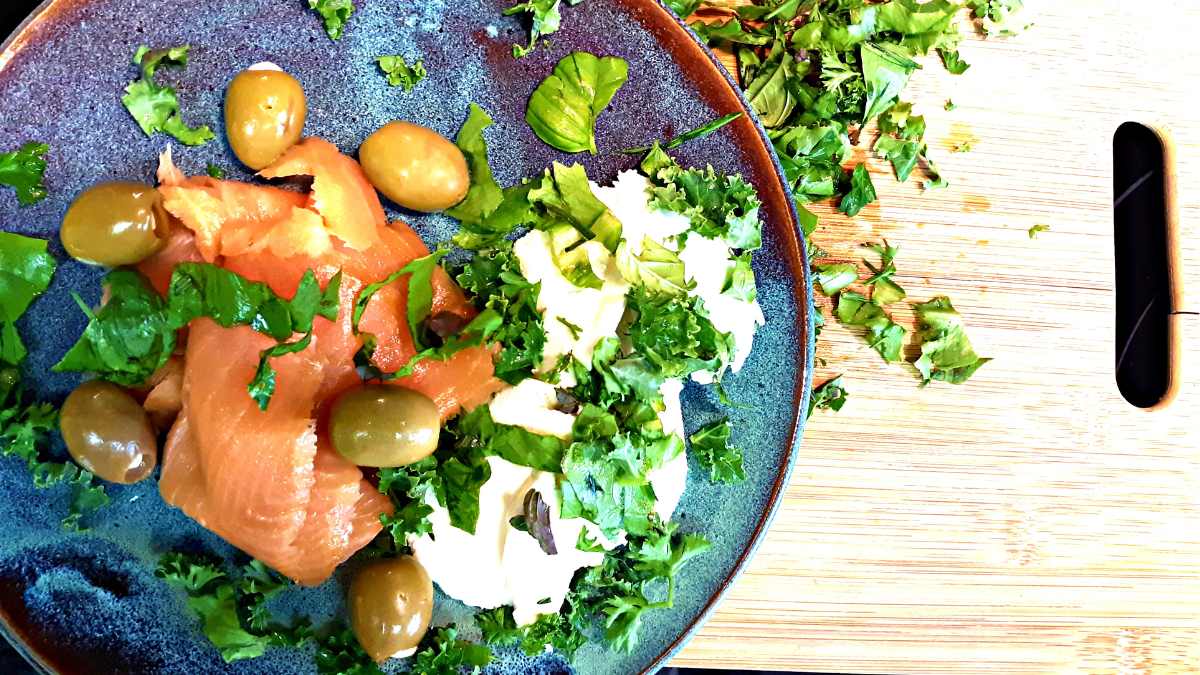

Introduction: The Mediterranean diet is renowned for its health benefits, emphasizing whole foods like fruits, vegetables, whole grains, and healthy fats. However, the inclusion of certain condiments, such as mayonnaise, often raises questions. This article delves into the role of mayonnaise within the Mediterranean diet, analyzing its nutritional composition, health impacts, and how it can be integrated into Mediterranean meals. We will also explore expert opinions on the subject to provide a comprehensive view.
Introduction to Mayonnaise in Mediterranean Diet
Mayonnaise, a popular condiment worldwide, is traditionally made from egg yolks, oil, vinegar or lemon juice, and seasonings. Despite its widespread use, its place in the Mediterranean diet is often debated. The Mediterranean diet, known for its heart-healthy benefits, typically emphasizes natural, unprocessed foods, which raises questions about the compatibility of mayonnaise with this dietary pattern.
In the Mediterranean region, traditional condiments often include olive oil-based dressings, tahini, and yogurt-based sauces. Mayonnaise, although not native to Mediterranean cuisine, has found its way into various dishes, particularly in regions influenced by Western culinary practices. This integration prompts an examination of whether mayonnaise can be harmoniously included in a Mediterranean diet without compromising its health benefits.
The Mediterranean diet is characterized by its emphasis on monounsaturated fats, primarily from olive oil, nuts, and seeds. Mayonnaise, depending on its ingredients, can either align with or deviate from these principles. Traditional homemade mayonnaise, made with olive oil, can be a source of healthy fats, whereas commercial varieties often contain refined oils and additives that may not align with the diet’s principles.
Understanding the role of mayonnaise in the Mediterranean diet requires a nuanced approach, considering both its traditional preparation methods and modern commercial variations. This analysis will explore whether mayonnaise can be part of a balanced Mediterranean diet and how it can be incorporated without undermining the diet’s health benefits.
In this article, we will examine the nutritional composition of mayonnaise, its health impacts, and the differences between traditional and commercial varieties. We will also provide practical tips for integrating mayonnaise into Mediterranean meals and review expert opinions on its suitability within this dietary framework.
Nutritional Composition of Mayonnaise
Mayonnaise is primarily composed of fats, with a typical serving containing around 10 grams of fat, of which 1.5 grams are saturated fats. The type of oil used in mayonnaise significantly influences its nutritional profile. Traditional homemade mayonnaise often uses olive oil, which is rich in monounsaturated fats and has been linked to numerous health benefits, including reduced inflammation and improved heart health.
Commercial mayonnaise, on the other hand, frequently uses refined vegetable oils such as soybean oil or canola oil. These oils are higher in polyunsaturated fats, which can be beneficial in moderation but may also contribute to inflammation if consumed in excess. Additionally, commercial mayonnaise often contains additives and preservatives to extend shelf life, which can impact its overall nutritional quality.
Egg yolks, another key ingredient in mayonnaise, are a source of essential nutrients such as choline, which is important for brain health, and vitamins A, D, E, and K. However, they also contribute to the cholesterol content of mayonnaise, which is a consideration for individuals managing their cholesterol levels.
Vinegar or lemon juice in mayonnaise provides a tangy flavor and acts as an emulsifier, helping to stabilize the mixture. These acidic components also offer some health benefits, such as aiding digestion and providing antioxidants. Seasonings like mustard, salt, and sugar are often added to enhance flavor, but they can also increase the sodium and sugar content of the condiment.
Overall, the nutritional composition of mayonnaise can vary widely depending on its ingredients. Homemade versions made with high-quality oils and minimal additives can be a healthier option compared to commercial varieties. Understanding these differences is crucial for making informed choices about incorporating mayonnaise into a Mediterranean diet.
Health Impacts of Mayonnaise Consumption
The health impacts of mayonnaise consumption largely depend on its ingredients and the quantity consumed. When made with heart-healthy oils like olive oil, mayonnaise can provide beneficial monounsaturated fats that support cardiovascular health. These fats can help lower bad cholesterol levels (LDL) and raise good cholesterol levels (HDL), contributing to a reduced risk of heart disease.
However, commercial mayonnaise made with refined vegetable oils may have different health implications. These oils are often high in omega-6 fatty acids, which, when consumed in excess, can lead to an imbalance with omega-3 fatty acids and promote inflammation in the body. Chronic inflammation is a risk factor for various diseases, including heart disease, diabetes, and certain cancers.
The high-fat content of mayonnaise also means it is calorie-dense, with a typical tablespoon containing around 90 calories. While fats are an essential part of a healthy diet, overconsumption of calorie-dense foods can lead to weight gain and associated health issues. Moderation is key when incorporating mayonnaise into meals, especially for individuals monitoring their caloric intake.
Egg yolks in mayonnaise contribute dietary cholesterol, which has been a concern for heart health. However, recent research suggests that dietary cholesterol has a smaller impact on blood cholesterol levels than previously thought, particularly when consumed as part of a balanced diet. For most people, moderate consumption of egg yolk-based condiments like mayonnaise is unlikely to significantly impact cholesterol levels.
Mayonnaise also contains small amounts of vitamins and minerals, such as vitamin E from the oils and choline from the egg yolks. These nutrients play important roles in maintaining overall health, including supporting brain function and protecting cells from oxidative damage. However, the amounts present in mayonnaise are relatively small and should be considered as part of a broader nutrient-rich diet.
In summary, the health impacts of mayonnaise consumption are influenced by its ingredients and portion sizes. Choosing mayonnaise made with healthy oils and consuming it in moderation can align with the principles of the Mediterranean diet and contribute to overall health.
Mayonnaise: Traditional vs. Commercial Varieties
The distinction between traditional and commercial mayonnaise is significant when considering its place in the Mediterranean diet. Traditional mayonnaise, often homemade, typically uses simple, high-quality ingredients such as olive oil, egg yolks, vinegar or lemon juice, and seasonings. This version aligns more closely with the Mediterranean diet’s emphasis on whole, unprocessed foods and healthy fats.
Commercial mayonnaise, however, is produced on a large scale and often includes refined vegetable oils, stabilizers, preservatives, and artificial flavorings. These additives can detract from the nutritional quality of the mayonnaise and may introduce ingredients that are less desirable from a health perspective. For instance, refined oils used in commercial mayonnaise are often high in omega-6 fatty acids, which can contribute to inflammation if not balanced with omega-3 fatty acids.
The taste and texture of traditional versus commercial mayonnaise can also differ significantly. Homemade mayonnaise tends to have a richer, more authentic flavor, while commercial varieties may have a more uniform consistency and taste due to the use of emulsifiers and stabilizers. These differences can influence not only the nutritional profile but also the culinary experience of using mayonnaise in Mediterranean dishes.
Another consideration is the presence of additives and preservatives in commercial mayonnaise. These substances are used to extend shelf life and maintain consistency, but they can also introduce unwanted chemicals into the diet. For those following the Mediterranean diet, which prioritizes natural and minimally processed foods, these additives may be a point of concern.
Price and convenience are also factors that differentiate traditional and commercial mayonnaise. While homemade mayonnaise can be more cost-effective and allow for greater control over ingredients, it requires time and effort to prepare. Commercial mayonnaise offers convenience and longer shelf life, making it a practical option for many households. However, it is essential to read labels carefully to choose products with healthier ingredients.
In conclusion, traditional mayonnaise made with high-quality ingredients can be a better fit for the Mediterranean diet compared to commercial varieties. Understanding these differences can help individuals make informed choices that align with their dietary goals and health priorities.
Integrating Mayonnaise into Mediterranean Meals
Integrating mayonnaise into Mediterranean meals requires a thoughtful approach to ensure it complements the diet’s health benefits. One way to do this is by making homemade mayonnaise using olive oil, which aligns with the Mediterranean diet’s emphasis on healthy fats. This version can be used in various dishes, from salads to sandwiches, providing a rich and creamy texture without compromising nutritional quality.
Mayonnaise can be used as a base for creating healthier dressings and sauces. For example, combining mayonnaise with Greek yogurt, lemon juice, and herbs can create a flavorful and nutritious dressing for salads or grilled vegetables. This approach not only enhances the taste but also adds beneficial nutrients from the yogurt and herbs.
Incorporating mayonnaise into Mediterranean-style sandwiches and wraps is another way to enjoy this condiment. Using whole grain bread, lean proteins like grilled chicken or fish, and plenty of fresh vegetables can create a balanced and satisfying meal. A light spread of homemade mayonnaise can add moisture and flavor without overwhelming the dish.
Mayonnaise can also be used in moderation as a dip for fresh vegetables or as a spread for whole grain crackers. Pairing it with nutrient-dense foods ensures that the overall meal remains balanced and aligned with the principles of the Mediterranean diet. Additionally, using mayonnaise sparingly can help manage calorie intake while still enjoying its creamy texture and taste.
Another creative way to integrate mayonnaise into Mediterranean meals is by using it in marinades for fish or poultry. Mixing mayonnaise with herbs, spices, and a bit of lemon juice can create a flavorful marinade that keeps the meat moist and tender during cooking. This method adds variety to meal preparation and enhances the overall flavor profile.
Finally, it is important to practice portion control when using mayonnaise. While it can be part of a healthy Mediterranean diet, overconsumption can lead to excessive calorie and fat intake. Using small amounts as a flavor enhancer rather than a primary ingredient can help maintain a balanced diet and support overall health.
Expert Opinions on Mayonnaise in Mediterranean Diet
Experts in nutrition and dietetics have varying opinions on the inclusion of mayonnaise in the Mediterranean diet. Some nutritionists argue that when made with healthy oils like olive oil, mayonnaise can be a suitable addition to the diet. They emphasize the importance of using high-quality, natural ingredients and consuming mayonnaise in moderation to avoid excessive calorie and fat intake.
Dr. Mary Flynn, a nutrition researcher specializing in the Mediterranean diet, suggests that homemade mayonnaise made with olive oil can provide beneficial monounsaturated fats and enhance the flavor of Mediterranean dishes. She advises against commercial varieties that contain refined oils and additives, which may not align with the health benefits of the Mediterranean diet.
On the other hand, some experts caution against the regular consumption of mayonnaise, particularly commercial types. Dr. Walter Willett, a professor of epidemiology and nutrition, highlights the potential health risks associated with the high omega-6 fatty acid content in refined vegetable oils commonly used in commercial mayonnaise. He recommends limiting the intake of such products to reduce the risk of inflammation and related health issues.
Registered dietitian Elena Paravantes, an expert in Mediterranean nutrition, advocates for using traditional Mediterranean condiments like tahini, hummus, and yogurt-based sauces instead of mayonnaise. She points out that these alternatives are more consistent with the diet’s principles and offer additional health benefits, such as higher protein and fiber content.
Despite differing views, there is a consensus among experts that the quality of ingredients and portion control are crucial when incorporating mayonnaise into the Mediterranean diet. Choosing homemade or high-quality commercial mayonnaise with healthy oils and minimal additives can make a significant difference in its health impact.
Ultimately, the decision to include mayonnaise in the Mediterranean diet should be based on individual preferences, dietary goals, and health considerations. Consulting with a healthcare professional or a registered dietitian can provide personalized guidance and help individuals make informed choices that align with their overall health and wellness objectives.
Conclusion: Mayonnaise can be included in the Mediterranean diet if made with high-quality ingredients and consumed in moderation. Traditional homemade mayonnaise, particularly when made with olive oil, aligns better with the diet’s principles compared to commercial varieties. Understanding the nutritional composition and health impacts of mayonnaise is essential for making informed dietary choices. By integrating mayonnaise thoughtfully into Mediterranean meals and considering expert opinions, individuals can enjoy this condiment without compromising the health benefits of their diet.
Read More…
- Mayo Clinic: Mediterranean Diet – Provides an overview of the Mediterranean diet and its health benefits.
- Harvard T.H. Chan School of Public Health: The Nutrition Source – Fats and Cholesterol – Discusses the types of fats and their health impacts, relevant to understanding the role of oils in mayonnaise.
- American Heart Association: Dietary Fats – Offers insights into different types of dietary fats and their effects on heart health.
- Oldways: Mediterranean Diet Pyramid – Explains the structure of the Mediterranean diet and the recommended food groups.
- Elena Paravantes: Olive Tomato – The Mediterranean Diet – Provides practical tips and recipes for following the Mediterranean diet, including alternatives to mayonnaise.