
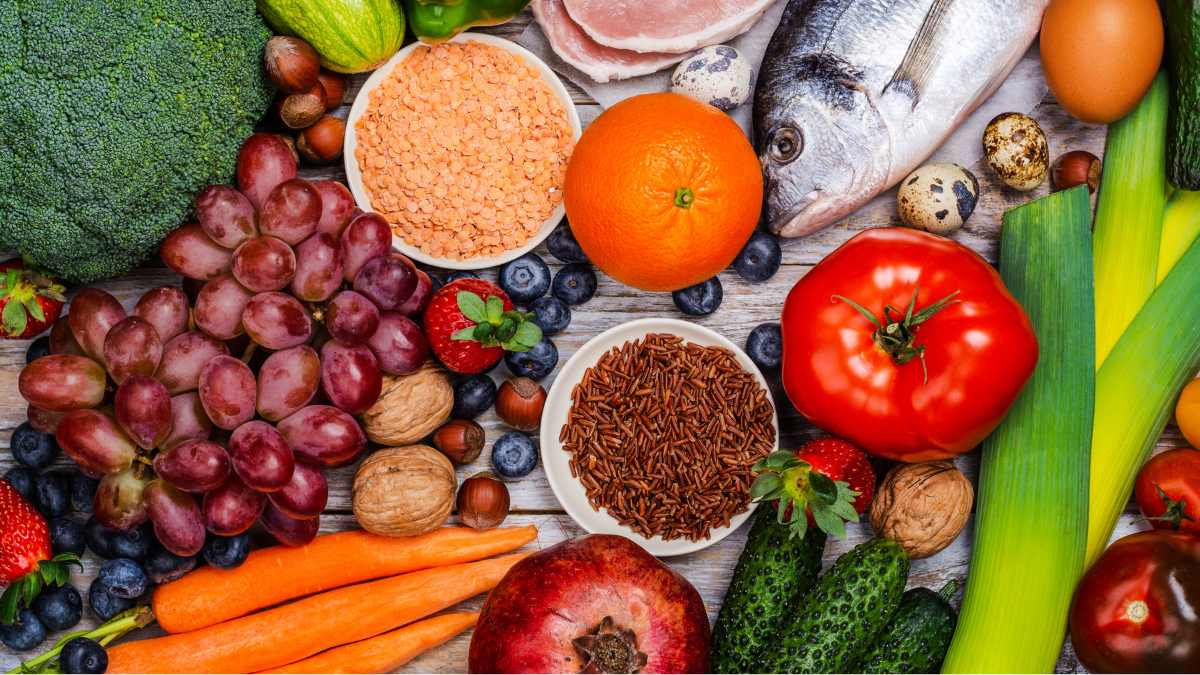

Introduction: The Mediterranean diet is celebrated worldwide for its health benefits and delicious flavors. One of the most important meals of the day, breakfast, is no exception. In this article, we will delve into the typical breakfast foods of the Mediterranean diet, exploring their nutritional benefits, key ingredients, traditional dishes, preparation methods, and expert tips for creating a balanced meal.
Introduction to Mediterranean Diet Breakfast Foods
The Mediterranean diet, originating from the countries bordering the Mediterranean Sea, emphasizes whole foods, healthy fats, and fresh produce. Breakfast, often considered the most important meal of the day, is no different. It typically includes a variety of nutrient-dense foods that provide sustained energy and satiety.
A typical Mediterranean breakfast may include whole grains, fruits, vegetables, nuts, seeds, and healthy fats like olive oil. Dairy products, such as yogurt and cheese, are also common, providing a good source of protein and calcium. Eggs, fish, and lean meats are occasionally included, adding variety and additional nutrients.
Unlike the sugary cereals and pastries often seen in Western breakfasts, Mediterranean morning meals focus on whole, unprocessed foods. This approach not only supports overall health but also aligns with the principles of the Mediterranean diet, which emphasizes natural, minimally processed ingredients.
The emphasis on fresh, seasonal produce means that Mediterranean breakfasts can vary significantly depending on the region and time of year. This diversity ensures that meals are not only nutritious but also flavorful and enjoyable.
Incorporating Mediterranean breakfast foods into your diet can be a simple yet effective way to improve your overall health. By focusing on whole foods and balanced nutrition, you can start your day with a meal that supports your well-being and sets the tone for healthy eating throughout the day.
Nutritional Benefits of Mediterranean Breakfasts
One of the primary benefits of a Mediterranean breakfast is its nutrient density. Whole grains, such as oats, barley, and whole wheat, provide complex carbohydrates that offer sustained energy and help maintain stable blood sugar levels. These grains are also rich in fiber, which supports digestive health and promotes a feeling of fullness.
Fruits and vegetables, staples of the Mediterranean diet, are packed with vitamins, minerals, and antioxidants. These nutrients play a crucial role in maintaining overall health, supporting immune function, and reducing the risk of chronic diseases. The high fiber content of fruits and vegetables also aids in digestion and helps regulate blood sugar levels.
Healthy fats, particularly those from olive oil, nuts, and seeds, are another cornerstone of the Mediterranean breakfast. These fats are essential for brain health, hormone production, and cellular function. They also help absorb fat-soluble vitamins, such as vitamins A, D, E, and K, enhancing the nutritional value of the meal.
Protein is an important component of a balanced breakfast, and Mediterranean breakfasts often include sources such as yogurt, cheese, eggs, and occasionally fish or lean meats. Protein helps build and repair tissues, supports immune function, and provides a sense of satiety, reducing the likelihood of overeating later in the day.
The inclusion of dairy products, such as yogurt and cheese, provides additional benefits. These foods are rich in calcium, which is essential for bone health, as well as probiotics, which support gut health and enhance digestion.
Overall, the combination of whole grains, fruits, vegetables, healthy fats, and protein in a Mediterranean breakfast ensures a well-rounded meal that supports overall health and well-being. By prioritizing nutrient-dense foods, you can enjoy a breakfast that not only tastes great but also provides lasting energy and numerous health benefits.
Key Ingredients in Mediterranean Morning Meals
The foundation of a Mediterranean breakfast lies in its key ingredients, which are both nutritious and flavorful. Whole grains, such as oats, barley, and whole wheat, are commonly used in various forms, including bread, porridge, and pastries. These grains provide complex carbohydrates, fiber, and essential nutrients, making them a staple in many Mediterranean morning meals.
Fruits and vegetables are integral to the Mediterranean diet and are often included in breakfast dishes. Fresh fruits, such as oranges, berries, and figs, are enjoyed on their own or added to yogurt and cereals. Vegetables, such as tomatoes, cucumbers, and bell peppers, are commonly used in salads, omelets, and savory pastries.
Healthy fats are another essential component of Mediterranean breakfasts. Olive oil, a cornerstone of the Mediterranean diet, is used in cooking and as a dressing for salads and vegetables. Nuts and seeds, such as almonds, walnuts, and sesame seeds, are often included in breakfast dishes, providing healthy fats, protein, and fiber.
Dairy products, particularly yogurt and cheese, are frequently consumed in Mediterranean breakfasts. Greek yogurt, known for its thick and creamy texture, is a popular choice and is often paired with fruits, honey, and nuts. Cheese varieties, such as feta and halloumi, are used in salads, sandwiches, and savory pastries.
Eggs are a versatile ingredient in Mediterranean breakfasts and can be prepared in various ways, including boiled, scrambled, or as part of an omelet. They provide high-quality protein and essential nutrients, making them a valuable addition to the morning meal.
Fish and lean meats are occasionally included in Mediterranean breakfasts, particularly in coastal regions. Smoked salmon, sardines, and lean cuts of meat add protein and healthy fats to the meal, enhancing its nutritional profile and providing a satisfying start to the day.
Traditional Mediterranean Breakfast Dishes
One of the most iconic Mediterranean breakfast dishes is the Greek yogurt bowl. Greek yogurt, known for its thick and creamy texture, is often topped with fresh fruits, honey, and nuts. This dish provides a balance of protein, healthy fats, and carbohydrates, making it a nutritious and satisfying option.
Another popular breakfast dish is the Spanish tortilla, a type of omelet made with potatoes and onions. This dish is typically cooked in olive oil and can be enjoyed hot or cold. The combination of eggs, potatoes, and onions provides a hearty and flavorful meal that is rich in protein and healthy fats.
In Italy, a common breakfast item is the cornetto, a type of pastry similar to a croissant. Cornetti are often filled with jam, cream, or chocolate and enjoyed with a cup of coffee. While this dish is more indulgent, it reflects the Mediterranean emphasis on enjoying food and savoring meals.
The Middle Eastern breakfast dish, shakshuka, is another traditional option. Shakshuka consists of poached eggs in a sauce made from tomatoes, peppers, and onions, seasoned with spices such as cumin and paprika. This dish is typically served with bread for dipping and provides a flavorful and nutritious start to the day.
In Turkey, a traditional breakfast spread, known as kahvaltı, includes a variety of small dishes such as olives, cheese, tomatoes, cucumbers, bread, and eggs. This meal emphasizes variety and balance, allowing individuals to enjoy a range of flavors and nutrients.
Lastly, the French breakfast often includes a simple yet delicious combination of fresh bread, butter, and jam, accompanied by coffee or tea. While this meal may be lighter than other Mediterranean breakfasts, it still emphasizes quality ingredients and the enjoyment of food.
How to Prepare a Mediterranean Breakfast at Home
Preparing a Mediterranean breakfast at home can be a simple and enjoyable process. Start by incorporating whole grains into your meal. Options include whole grain bread, oatmeal, or barley porridge. These grains provide a nutritious base and can be paired with various toppings and ingredients.
Next, add a variety of fruits and vegetables to your breakfast. Fresh fruits such as berries, oranges, and figs can be enjoyed on their own or added to yogurt and cereals. Vegetables like tomatoes, cucumbers, and bell peppers can be included in salads, omelets, or savory pastries.
Healthy fats are essential for a balanced Mediterranean breakfast. Use olive oil for cooking or as a dressing for salads and vegetables. Include nuts and seeds, such as almonds, walnuts, and sesame seeds, in your dishes for added flavor and nutrition.
Incorporate dairy products, such as Greek yogurt and cheese, into your breakfast. Greek yogurt can be topped with fruits, honey, and nuts for a delicious and nutritious meal. Cheese varieties like feta and halloumi can be used in salads, sandwiches, and savory pastries.
Eggs are a versatile ingredient that can be prepared in various ways. Try making a Spanish tortilla, shakshuka, or a simple omelet with vegetables. Eggs provide high-quality protein and essential nutrients, making them a valuable addition to your breakfast.
Finally, consider adding fish or lean meats to your meal. Smoked salmon, sardines, and lean cuts of meat can enhance the nutritional profile of your breakfast and provide a satisfying start to the day. Experiment with different combinations and flavors to create a Mediterranean breakfast that suits your taste and dietary preferences.
Expert Tips for a Balanced Mediterranean Breakfast
To create a balanced Mediterranean breakfast, start by prioritizing whole, unprocessed foods. Choose whole grains, fresh fruits and vegetables, healthy fats, and high-quality protein sources. This approach ensures that your meal is nutrient-dense and provides sustained energy throughout the day.
Variety is key to a balanced breakfast. Include a range of different foods and flavors to ensure that you are getting a wide array of nutrients. This can also make your meals more enjoyable and satisfying. Try to incorporate seasonal produce to take advantage of the freshest and most flavorful ingredients.
Portion control is important for maintaining a balanced diet. While Mediterranean breakfasts are generally healthy, it is still important to be mindful of portion sizes. Aim for a balanced plate that includes a mix of carbohydrates, protein, and healthy fats.
Stay hydrated by including beverages such as water, herbal teas, or freshly squeezed juices. Avoid sugary drinks and opt for natural, hydrating options that complement your meal. Coffee and tea can also be enjoyed in moderation as part of a Mediterranean breakfast.
Plan your breakfast in advance to ensure that you have all the necessary ingredients on hand. This can help you avoid the temptation of less healthy options and make it easier to stick to a Mediterranean-style breakfast. Preparing some components, such as chopping fruits and vegetables or cooking grains, ahead of time can also save you time in the morning.
Finally, take the time to enjoy your breakfast. The Mediterranean diet emphasizes the importance of savoring meals and eating mindfully. Sit down, relax, and appreciate the flavors and textures of your food. This practice can enhance your overall eating experience and contribute to a healthier relationship with food.
Conclusion: The Mediterranean diet offers a wealth of delicious and nutritious breakfast options that can support overall health and well-being. By focusing on whole, unprocessed foods and incorporating a variety of ingredients, you can create balanced and satisfying morning meals. Whether you are enjoying a traditional dish or experimenting with new flavors, a Mediterranean breakfast can provide a nourishing start to your day.
Read More…
-
Harvard T.H. Chan School of Public Health – The Nutrition Source: Mediterranean Diet
- This source provides an in-depth overview of the Mediterranean diet, including its health benefits and key components.
-
Mayo Clinic – Mediterranean Diet: A Heart-Healthy Eating Plan
- Mayo Clinic offers detailed information on the Mediterranean diet, including tips for incorporating it into your daily routine.
-
Oldways – Mediterranean Diet Pyramid
- Oldways provides a visual guide to the Mediterranean diet, highlighting the importance of various food groups and their recommended consumption.
-
WebMD – Mediterranean Diet: What You Need to Know
- WebMD offers a comprehensive slideshow on the Mediterranean diet, covering its benefits, foods to eat, and tips for getting started.
-
Healthline – 10 Ways to Eat Like a Mediterranean
- Healthline provides practical tips and meal plans for adopting a Mediterranean diet, making it easier to incorporate these principles into your daily life.