
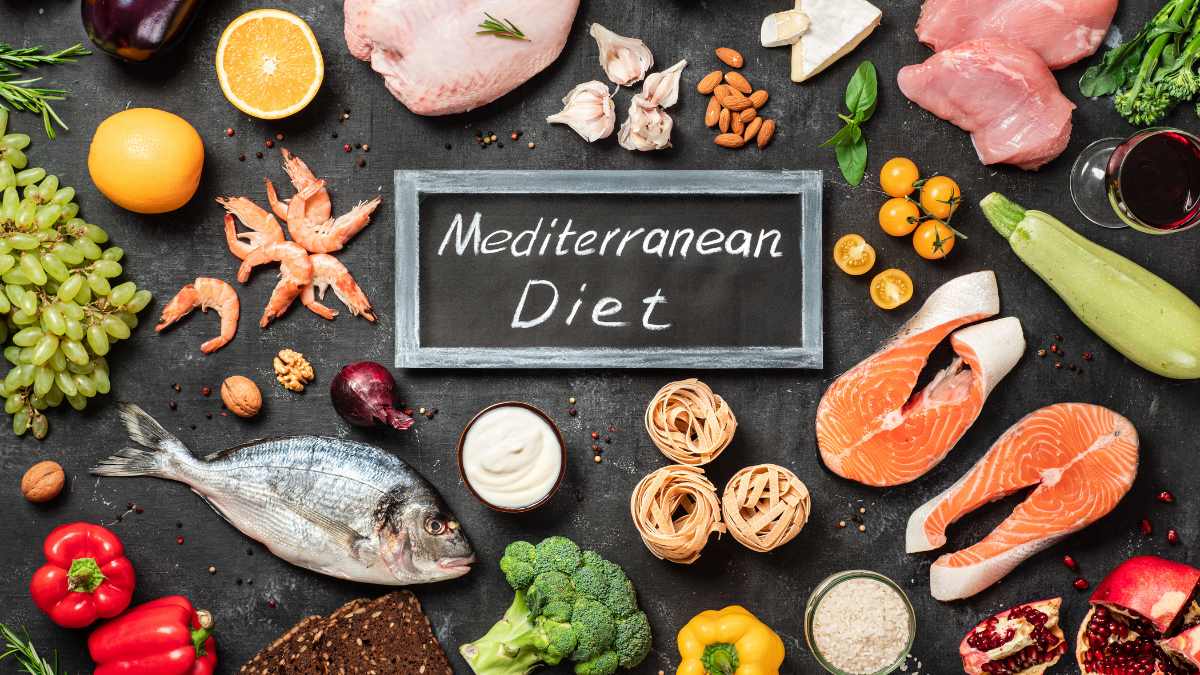

Introduction:
The Mediterranean diet, renowned for its health benefits and delicious flavors, is a way of eating that emphasizes whole, unprocessed foods. While much attention is given to the foods that are included in this diet, it is equally important to understand the foods that are typically avoided. This article delves into the non-consumed foods in the Mediterranean diet, exploring the principles behind their exclusion, the scientific basis for these choices, and the health implications of adhering to these dietary guidelines.
Introduction to Non-consumed Foods in Mediterranean Diet
The Mediterranean diet is celebrated for its emphasis on fresh fruits, vegetables, whole grains, and healthy fats, particularly olive oil. However, an essential aspect of this diet is the avoidance of certain foods that are considered detrimental to health. These non-consumed foods are often high in saturated fats, sugars, and artificial additives, which can negate the benefits of the diet’s healthier components.
Understanding what not to eat is crucial for those looking to adopt the Mediterranean diet effectively. By eliminating specific foods, individuals can better align with the diet’s core principles and maximize its health benefits. This approach not only supports weight management but also reduces the risk of chronic diseases such as heart disease, diabetes, and certain cancers.
The Mediterranean diet is not just about food choices but also about a lifestyle that includes regular physical activity and social interactions during meals. Avoiding certain foods helps maintain the diet’s integrity and ensures that the body receives the nutrients it needs without the harmful effects of processed and unhealthy foods.
In this article, we will explore the foods commonly avoided in the Mediterranean diet, the scientific reasons behind their exclusion, and the health benefits of adhering to these guidelines. By understanding these aspects, individuals can make informed decisions and fully embrace the Mediterranean way of eating.
Whether you are new to the Mediterranean diet or looking to deepen your understanding, this comprehensive guide will provide valuable insights into the non-consumed foods and their impact on health. Let’s begin by examining the principles of the Mediterranean diet and how they guide food choices.
Understanding the Mediterranean Diet Principles
The Mediterranean diet is rooted in the traditional eating habits of countries bordering the Mediterranean Sea, such as Greece, Italy, and Spain. It emphasizes the consumption of plant-based foods, healthy fats, and lean proteins while minimizing the intake of processed and unhealthy foods. The diet’s foundation is built on several key principles that guide food choices and overall lifestyle.
One of the primary principles of the Mediterranean diet is the emphasis on whole, unprocessed foods. This means choosing fresh fruits and vegetables, whole grains, legumes, nuts, and seeds over processed and refined foods. These whole foods are rich in essential nutrients, fiber, and antioxidants, which contribute to overall health and well-being.
Healthy fats, particularly from olive oil, are a cornerstone of the Mediterranean diet. Olive oil is a monounsaturated fat that has been shown to reduce inflammation and lower the risk of heart disease. Other sources of healthy fats include avocados, nuts, and fatty fish like salmon and sardines, which are high in omega-3 fatty acids.
The Mediterranean diet also encourages moderate consumption of dairy products, primarily in the form of yogurt and cheese. These dairy products are typically lower in fat and less processed than their counterparts in other diets. Additionally, the diet includes lean proteins such as poultry, eggs, and legumes, with red meat being consumed sparingly.
Another critical aspect of the Mediterranean diet is the limited intake of sweets and sugary beverages. Instead, natural sweeteners like honey and fresh fruit are preferred. This helps to reduce the risk of obesity, diabetes, and other metabolic disorders.
Finally, the Mediterranean diet promotes an active lifestyle and social interactions during meals. Regular physical activity, such as walking, swimming, or gardening, is encouraged, along with enjoying meals with family and friends. This holistic approach to eating and living supports both physical and mental health.
Foods Commonly Avoided in Mediterranean Diet
The Mediterranean diet is not just about what you eat but also about what you avoid. Certain foods are commonly excluded from this diet due to their negative impact on health. Understanding these non-consumed foods is essential for adhering to the Mediterranean diet principles effectively.
One of the primary categories of foods avoided in the Mediterranean diet is processed foods. These include packaged snacks, ready-to-eat meals, and processed meats like sausages and hot dogs. Processed foods are often high in unhealthy fats, sugars, and artificial additives, which can contribute to various health issues, including obesity and heart disease.
Refined grains are another group of foods typically avoided in the Mediterranean diet. This includes white bread, white rice, and pasta made from refined flour. These foods have been stripped of their nutrients and fiber during processing, leading to rapid spikes in blood sugar levels and increased risk of metabolic disorders.
Sugary beverages, such as sodas, energy drinks, and sweetened fruit juices, are also excluded from the Mediterranean diet. These drinks are high in added sugars and empty calories, which can lead to weight gain and increased risk of type 2 diabetes. Instead, water, herbal teas, and moderate amounts of red wine are preferred.
Trans fats, found in partially hydrogenated oils, margarine, and many fried foods, are strictly avoided in the Mediterranean diet. Trans fats have been linked to increased inflammation, higher LDL cholesterol levels, and a greater risk of heart disease. The diet emphasizes healthy fats from sources like olive oil, nuts, and fatty fish.
Red and processed meats are consumed sparingly in the Mediterranean diet. While lean proteins like poultry and fish are encouraged, red meats such as beef, pork, and lamb are limited due to their high saturated fat content. Processed meats, in particular, are associated with an increased risk of cancer and heart disease.
Finally, the Mediterranean diet minimizes the intake of sweets and desserts. Traditional desserts in Mediterranean countries are often fruit-based or made with natural sweeteners like honey. By avoiding sugary treats and opting for healthier alternatives, individuals can better manage their weight and reduce the risk of chronic diseases.
Scientific Basis for Avoiding Certain Foods
The exclusion of certain foods in the Mediterranean diet is not arbitrary but is supported by scientific research. Numerous studies have investigated the health effects of various foods and have provided a solid foundation for the dietary guidelines of the Mediterranean diet.
Processed foods are avoided in the Mediterranean diet due to their high content of unhealthy fats, sugars, and artificial additives. Research has shown that a diet high in processed foods is associated with an increased risk of obesity, heart disease, and other chronic conditions. These foods often contain trans fats and high levels of sodium, which can contribute to inflammation and hypertension.
Refined grains are excluded because they lack the nutrients and fiber found in whole grains. Studies have demonstrated that diets high in refined grains can lead to rapid spikes in blood sugar levels, increasing the risk of insulin resistance and type 2 diabetes. In contrast, whole grains have been shown to improve glycemic control and reduce the risk of metabolic disorders.
Sugary beverages are avoided due to their high sugar content and lack of nutritional value. Research has linked the consumption of sugary drinks to weight gain, obesity, and an increased risk of type 2 diabetes. These beverages can also contribute to dental problems and other health issues. The Mediterranean diet’s preference for water and herbal teas helps to mitigate these risks.
Trans fats are strictly avoided in the Mediterranean diet because of their well-documented negative health effects. Studies have shown that trans fats can increase LDL cholesterol levels, lower HDL cholesterol levels, and promote inflammation. These effects contribute to a higher risk of heart disease, stroke, and other cardiovascular conditions.
The limited consumption of red and processed meats is based on evidence linking these foods to various health issues. Research has shown that high intake of red and processed meats is associated with an increased risk of colorectal cancer, heart disease, and other chronic conditions. The Mediterranean diet’s emphasis on lean proteins and plant-based foods helps to reduce these risks.
Finally, the avoidance of sweets and desserts is supported by studies showing the negative impact of high sugar intake on health. Excessive consumption of sugary foods can lead to weight gain, insulin resistance, and an increased risk of type 2 diabetes. By choosing healthier alternatives like fresh fruit, individuals can satisfy their sweet cravings without compromising their health.
Health Implications of Non-consumed Foods
The foods avoided in the Mediterranean diet have significant health implications. By understanding the impact of these non-consumed foods, individuals can appreciate the benefits of adhering to the Mediterranean diet and make informed dietary choices.
Processed foods, high in unhealthy fats, sugars, and artificial additives, contribute to various health issues. Regular consumption of processed foods has been linked to obesity, heart disease, and metabolic disorders. By avoiding these foods, individuals can reduce their risk of these conditions and promote overall health.
Refined grains, which lack essential nutrients and fiber, can lead to rapid spikes in blood sugar levels. This can increase the risk of insulin resistance, type 2 diabetes, and other metabolic disorders. By choosing whole grains instead, individuals can improve glycemic control and support digestive health.
Sugary beverages, high in added sugars and empty calories, can contribute to weight gain and increase the risk of type 2 diabetes. These drinks can also lead to dental problems and other health issues. By opting for water, herbal teas, and moderate amounts of red wine, individuals can reduce their sugar intake and support overall health.
Trans fats, found in partially hydrogenated oils and many fried foods, have been shown to increase inflammation and raise LDL cholesterol levels. This can lead to a higher risk of heart disease, stroke, and other cardiovascular conditions. By avoiding trans fats and choosing healthy fats like olive oil, individuals can support heart health and reduce inflammation.
Red and processed meats, high in saturated fats and associated with various health risks, are consumed sparingly in the Mediterranean diet. High intake of these meats has been linked to an increased risk of colorectal cancer, heart disease, and other chronic conditions. By focusing on lean proteins and plant-based foods, individuals can reduce these risks and support overall health.
Finally, the avoidance of sweets and desserts helps to manage weight and reduce the risk of chronic diseases. High sugar intake has been linked to obesity, insulin resistance, and type 2 diabetes. By choosing healthier alternatives like fresh fruit, individuals can satisfy their sweet cravings without compromising their health.
Conclusion: Benefits of Adhering to the Diet
Adhering to the Mediterranean diet and avoiding certain foods offers numerous health benefits. By understanding the principles behind the exclusion of specific foods, individuals can make informed dietary choices and fully embrace the Mediterranean way of eating.
The Mediterranean diet’s emphasis on whole, unprocessed foods, healthy fats, and lean proteins supports overall health and well-being. By avoiding processed foods, refined grains, sugary beverages, trans fats, red and processed meats, and sweets, individuals can reduce their risk of chronic diseases and promote a healthy lifestyle.
Scientific research supports the exclusion of these non-consumed foods, highlighting their negative impact on health. By following the Mediterranean diet guidelines, individuals can improve glycemic control, reduce inflammation, support heart health, and manage weight effectively.
The health implications of avoiding certain foods are significant. By making conscious dietary choices and focusing on nutrient-dense, whole foods, individuals can support their physical and mental health and reduce the risk of chronic conditions.
In conclusion, the Mediterranean diet is not just about what you eat but also about what you avoid. By understanding the foods commonly excluded from this diet and the scientific basis for their exclusion, individuals can make informed decisions and fully embrace the Mediterranean way of eating.
Read More…
-
Harvard T.H. Chan School of Public Health – The Nutrition Source: Mediterranean Diet
- This resource provides an in-depth overview of the Mediterranean diet, including its health benefits and guidelines for food choices.
-
Mayo Clinic – Mediterranean Diet: A Heart-Healthy Eating Plan
- Mayo Clinic offers a comprehensive guide to the Mediterranean diet, emphasizing its heart health benefits and practical tips for adoption.
-
American Heart Association – The Mediterranean Diet
- The American Heart Association provides a detailed explanation of the Mediterranean diet, including its impact on cardiovascular health.
-
National Institutes of Health – Mediterranean Diet for Heart Health
- This resource from the NIH explores the Mediterranean diet’s role in promoting heart health and preventing chronic diseases.
-
Oldways – Mediterranean Diet Overview
- Oldways offers a thorough overview of the Mediterranean diet, including its history, principles, and practical advice for implementation.