
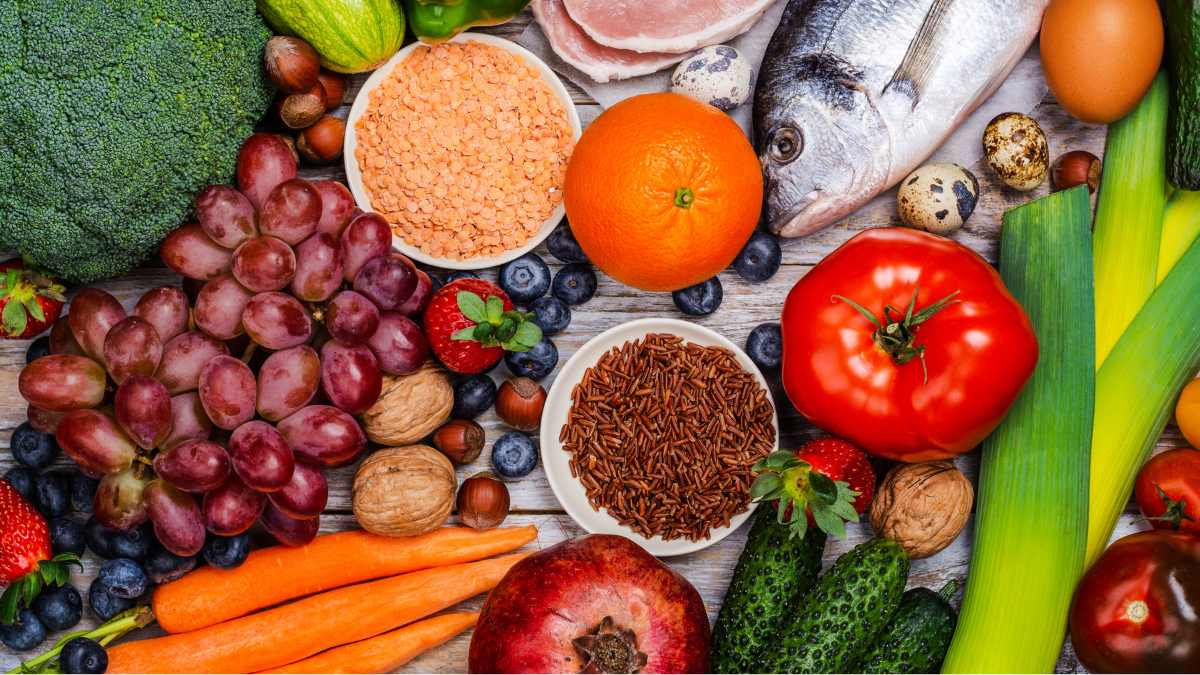

Introduction: The Mediterranean diet is renowned for its health benefits, emphasizing whole foods, healthy fats, and a balanced approach to nutrition. While olive oil, fish, and fresh vegetables are staples, there’s room for other nutritious foods like peanut butter. This article explores how peanut butter fits into the Mediterranean diet, its nutritional profile, health benefits, and how to incorporate it into meals.
Introduction to Peanut Butter in Mediterranean Diet
Peanut butter, a protein-rich spread made from ground peanuts, is a popular food in many parts of the world. Traditionally, the Mediterranean diet includes foods like nuts and seeds, which are known for their healthy fats and protein content. Peanut butter, while not a traditional Mediterranean food, shares many of these beneficial properties.
Incorporating peanut butter into the Mediterranean diet can provide variety and additional nutrients. It offers a convenient and tasty way to enjoy the health benefits associated with nuts. However, it’s essential to choose natural peanut butter without added sugars or unhealthy fats to align with the diet’s principles.
The Mediterranean diet emphasizes plant-based foods, lean proteins, and healthy fats. Peanut butter fits well within this framework, providing a plant-based protein source rich in monounsaturated fats. These fats are known for their heart health benefits, making peanut butter a suitable addition to the diet.
Moreover, peanut butter can be a versatile ingredient in Mediterranean cuisine. It can be used in various dishes, from breakfast to dinner, adding a creamy texture and nutty flavor. Its compatibility with fruits, vegetables, and whole grains makes it an excellent choice for those following the Mediterranean diet.
While peanut butter is not a traditional component of the Mediterranean diet, its nutritional profile aligns well with the diet’s principles. By choosing high-quality, natural peanut butter, individuals can enjoy its benefits without compromising the diet’s integrity.
Nutritional Profile of Peanut Butter
Peanut butter is a nutrient-dense food, offering a range of essential vitamins and minerals. A typical serving of peanut butter (about two tablespoons) contains approximately 190 calories, 16 grams of fat, 7 grams of protein, and 3 grams of fiber. This makes it a substantial and satisfying food choice.
The fat content in peanut butter is primarily monounsaturated and polyunsaturated fats, which are beneficial for heart health. These healthy fats can help reduce bad cholesterol levels and lower the risk of heart disease. Additionally, peanut butter contains a small amount of saturated fat, which should be consumed in moderation.
Peanut butter is also a good source of several essential vitamins and minerals. It provides vitamin E, an antioxidant that helps protect cells from damage, and magnesium, which is important for muscle and nerve function. Other nutrients found in peanut butter include potassium, phosphorus, and B vitamins.
Protein is another significant component of peanut butter. The protein content makes it an excellent option for those looking to increase their protein intake, especially in a plant-based diet like the Mediterranean diet. Protein is essential for building and repairing tissues and maintaining muscle mass.
Fiber is another important nutrient found in peanut butter. Fiber aids in digestion, helps maintain healthy blood sugar levels, and can contribute to a feeling of fullness, which can be beneficial for weight management. The combination of protein and fiber makes peanut butter a satisfying and nutritious food choice.
Overall, the nutritional profile of peanut butter makes it a valuable addition to the Mediterranean diet. Its combination of healthy fats, protein, fiber, and essential vitamins and minerals supports overall health and well-being.
Health Benefits of Peanut Butter
Peanut butter offers several health benefits, making it a valuable addition to the Mediterranean diet. One of the primary benefits is its positive impact on heart health. The monounsaturated and polyunsaturated fats in peanut butter can help lower LDL (bad) cholesterol levels and reduce the risk of heart disease.
In addition to heart health, peanut butter can support weight management. The protein and fiber content in peanut butter can promote satiety, helping individuals feel full for longer periods. This can reduce overall calorie intake and support weight loss or maintenance efforts.
Peanut butter is also beneficial for blood sugar control. The healthy fats, protein, and fiber in peanut butter can help stabilize blood sugar levels, preventing spikes and crashes. This makes it a suitable food choice for individuals with diabetes or those looking to maintain stable energy levels throughout the day.
The antioxidant properties of peanut butter, primarily due to its vitamin E content, can help protect the body from oxidative stress. Antioxidants neutralize free radicals, which can damage cells and contribute to chronic diseases. Including peanut butter in the diet can support overall health and reduce the risk of chronic conditions.
Peanut butter also contains resveratrol, a compound found in peanuts that has been linked to various health benefits. Resveratrol has anti-inflammatory properties and may help protect against certain cancers and neurodegenerative diseases. While more research is needed, these potential benefits add to the appeal of peanut butter.
Finally, peanut butter can support muscle health and recovery. The protein content in peanut butter is essential for muscle repair and growth, making it a valuable food for individuals who engage in regular physical activity. Including peanut butter in post-workout meals or snacks can aid in muscle recovery and overall fitness.
Integrating Peanut Butter into Meals
Integrating peanut butter into the Mediterranean diet can be both delicious and nutritious. There are numerous ways to incorporate this versatile ingredient into meals, enhancing both flavor and nutritional value.
For breakfast, peanut butter can be spread on whole-grain toast or added to oatmeal for a protein-packed start to the day. It pairs well with fruits like bananas and apples, providing a balanced and satisfying meal. Adding a spoonful of peanut butter to smoothies can also boost protein content and create a creamy texture.
Incorporating peanut butter into lunch and dinner can be equally simple. It can be used as a base for sauces and dressings, adding a rich and nutty flavor to salads and stir-fries. Peanut butter can also be used in marinades for chicken or tofu, infusing dishes with a unique taste and additional nutrients.
Snacks are another opportunity to enjoy peanut butter. It can be paired with vegetables like celery and carrots for a healthy and satisfying snack. Peanut butter can also be used as a dip for whole-grain crackers or rice cakes, providing a convenient and nutritious option for between meals.
For those with a sweet tooth, peanut butter can be used in various dessert recipes. It can be added to yogurt with a drizzle of honey and a sprinkle of nuts for a healthy dessert option. Peanut butter can also be used in baking, adding flavor and moisture to cookies, muffins, and energy bars.
When integrating peanut butter into meals, it’s important to choose natural, unsweetened varieties to avoid added sugars and unhealthy fats. Reading labels and selecting high-quality peanut butter ensures that it aligns with the principles of the Mediterranean diet.
Overall, the versatility of peanut butter makes it easy to incorporate into a variety of meals. Its rich flavor and nutritional benefits can enhance the Mediterranean diet, providing a delicious and healthful addition to daily meals.
Scientific Studies on Peanut Butter
Scientific studies have explored the health benefits of peanut butter, providing evidence to support its inclusion in a healthy diet. Research has shown that peanut butter can positively impact heart health, weight management, and overall well-being.
One study published in the Journal of the American Medical Association found that consuming nuts, including peanuts and peanut butter, was associated with a lower risk of coronary heart disease. The study highlighted the beneficial effects of the healthy fats found in nuts and peanut butter on heart health.
Another study published in the International Journal of Obesity examined the role of peanut butter in weight management. The researchers found that including peanut butter in the diet can help control appetite and promote satiety, leading to reduced calorie intake and potential weight loss.
Research has also explored the impact of peanut butter on blood sugar control. A study published in the British Journal of Nutrition found that consuming peanuts or peanut butter with a meal can help stabilize blood sugar levels and improve glycemic control. This makes peanut butter a suitable food choice for individuals with diabetes or those looking to maintain stable energy levels.
The antioxidant properties of peanut butter have been studied as well. A study published in the Journal of Agricultural and Food Chemistry found that peanuts and peanut butter contain significant levels of antioxidants, including resveratrol. These antioxidants can help protect the body from oxidative stress and reduce the risk of chronic diseases.
Additionally, research has examined the potential anti-inflammatory effects of peanut butter. A study published in the Journal of Nutrition found that consuming peanuts and peanut butter was associated with lower levels of inflammatory markers in the body. This suggests that peanut butter may help reduce inflammation and support overall health.
Overall, scientific studies provide strong evidence for the health benefits of peanut butter. Its positive impact on heart health, weight management, blood sugar control, and inflammation supports its inclusion in a healthy diet like the Mediterranean diet.
Conclusion: Peanut Butter’s Role in Health
Conclusion: Peanut butter, while not a traditional component of the Mediterranean diet, offers numerous health benefits that align with the diet’s principles. Its rich nutritional profile, including healthy fats, protein, fiber, and essential vitamins and minerals, supports overall health and well-being.
Incorporating peanut butter into the Mediterranean diet can provide variety and additional nutrients. Its versatility allows it to be used in various meals, from breakfast to dinner, enhancing both flavor and nutritional value. Choosing high-quality, natural peanut butter ensures that it aligns with the diet’s principles.
Scientific studies support the health benefits of peanut butter, highlighting its positive impact on heart health, weight management, blood sugar control, and inflammation. These benefits make peanut butter a valuable addition to a healthy diet, including the Mediterranean diet.
By understanding the nutritional profile and health benefits of peanut butter, individuals can make informed choices about incorporating it into their diet. Whether used in savory dishes, snacks, or desserts, peanut butter can enhance the Mediterranean diet and support overall health.
In conclusion, peanut butter’s role in health is well-supported by its nutritional profile and scientific research. Its compatibility with the Mediterranean diet makes it a valuable and delicious addition to daily meals, promoting overall health and well-being.
Read More…
-
Journal of the American Medical Association – Nut Consumption and Coronary Heart Disease
- This study explores the relationship between nut consumption, including peanuts and peanut butter, and the risk of coronary heart disease.
-
International Journal of Obesity – Peanut Butter and Weight Management
- This research examines the role of peanut butter in controlling appetite and promoting satiety, contributing to weight management.
-
British Journal of Nutrition – Peanuts, Peanut Butter, and Glycemic Control
- This study investigates the impact of consuming peanuts or peanut butter with a meal on blood sugar levels and glycemic control.
-
Journal of Agricultural and Food Chemistry – Antioxidants in Peanuts and Peanut Butter
- This research highlights the antioxidant properties of peanuts and peanut butter, including the presence of resveratrol.
-
Journal of Nutrition – Anti-inflammatory Effects of Peanut Butter
- This study explores the association between peanut butter consumption and lower levels of inflammatory markers in the body.