
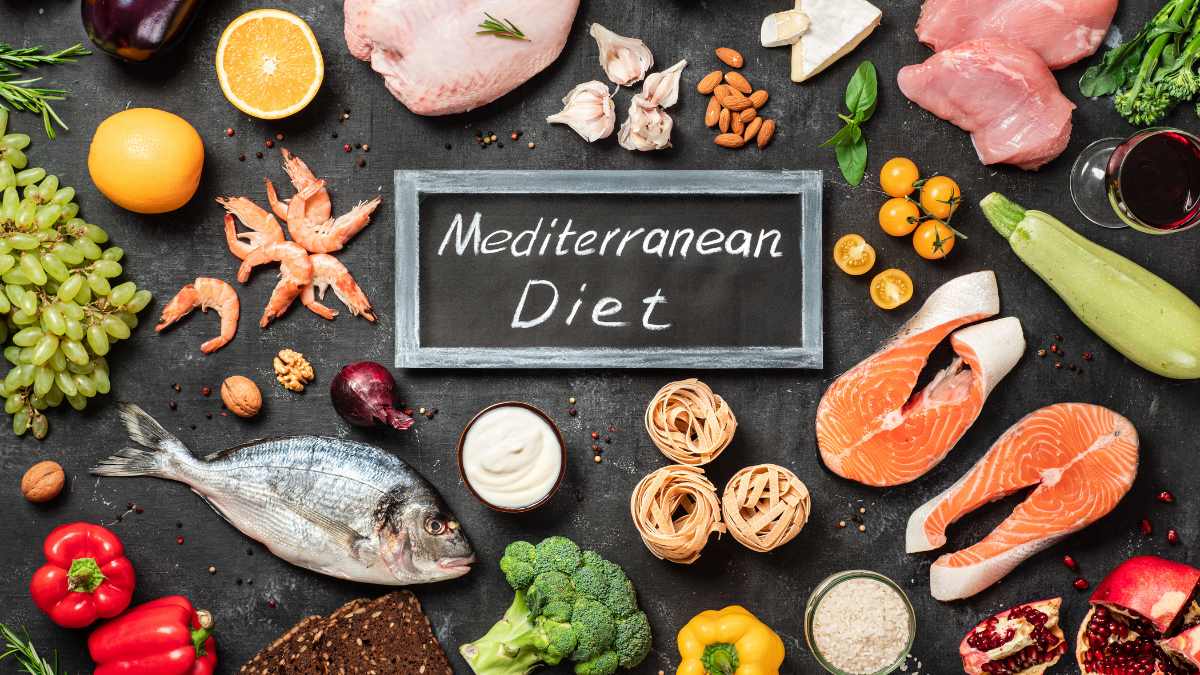

Introduction: The Mediterranean diet is renowned for its health benefits, including improved heart health, weight management, and reduced risk of chronic diseases. A key component of this diet is the inclusion of various cheeses, which provide essential nutrients and enhance the overall flavor of meals. This article delves into the permissible cheeses on a Mediterranean diet, offering insights into their nutritional benefits, selection criteria, and ways to incorporate them into your meals.
Introduction to Mediterranean Diet and Cheese
The Mediterranean diet is a dietary pattern traditionally followed by people living in countries bordering the Mediterranean Sea, such as Greece, Italy, and Spain. It emphasizes the consumption of plant-based foods, whole grains, lean proteins, and healthy fats, particularly olive oil. Dairy products, including cheese, are consumed in moderation and are considered an integral part of this diet.
Cheese, in the context of the Mediterranean diet, is valued not only for its rich flavor but also for its nutritional profile. It provides a good source of protein, calcium, and other essential nutrients. However, not all cheeses are created equal, and selecting the right types is crucial to maintaining the health benefits associated with this diet.
The Mediterranean diet encourages the consumption of cheeses that are minimally processed and made from high-quality ingredients. Traditional cheeses from the Mediterranean region, such as feta, halloumi, and pecorino, are often preferred due to their authenticity and nutritional value.
Incorporating cheese into the Mediterranean diet involves understanding its role in enhancing dishes without compromising the diet’s health benefits. This requires a careful balance of quantity and quality, ensuring that cheese complements other nutrient-dense foods.
Cheese can be enjoyed in various forms within the Mediterranean diet, from crumbled feta on salads to grilled halloumi as a protein source. The key is to use cheese as a flavorful addition rather than the main component of meals.
Understanding the types of permissible cheeses and how to incorporate them effectively can help individuals adhere to the Mediterranean diet while enjoying the diverse flavors and health benefits it offers.
Nutritional Benefits of Cheese in the Diet
Cheese is a rich source of high-quality protein, which is essential for muscle repair and growth. It provides all the essential amino acids needed by the body, making it a complete protein source. This is particularly beneficial for individuals following the Mediterranean diet, which emphasizes balanced nutrition.
In addition to protein, cheese is an excellent source of calcium, a mineral crucial for maintaining strong bones and teeth. Adequate calcium intake is vital for preventing osteoporosis and other bone-related conditions, especially in older adults.
Cheese also contains a variety of vitamins, including vitamin A, vitamin B12, and riboflavin (vitamin B2). Vitamin A is important for vision and immune function, while vitamin B12 is essential for nerve function and the production of red blood cells. Riboflavin plays a key role in energy metabolism.
The fat content in cheese, particularly the presence of conjugated linoleic acid (CLA), has been associated with various health benefits. CLA is a type of healthy fat that may help reduce body fat, improve immune function, and lower the risk of certain cancers. However, it is important to consume cheese in moderation to avoid excessive calorie intake.
Cheese also contains probiotics, which are beneficial bacteria that support gut health. Probiotics can help improve digestion, boost the immune system, and may even have a positive impact on mental health. Fermented cheeses like feta and kefalotyri are particularly rich in probiotics.
While cheese offers numerous nutritional benefits, it is important to choose varieties that are low in sodium and saturated fat. Excessive intake of these components can negate the health benefits and contribute to conditions such as hypertension and cardiovascular disease.
Criteria for Selecting Permissible Cheeses
When selecting cheeses for the Mediterranean diet, it is essential to consider their nutritional profile and how they align with the diet’s principles. The following criteria can help ensure that the chosen cheeses contribute to overall health and well-being.
First, opt for cheeses that are minimally processed and made from natural ingredients. Traditional Mediterranean cheeses, such as feta, halloumi, and pecorino, are often made using time-honored methods and contain fewer additives and preservatives compared to highly processed varieties.
Second, consider the fat content of the cheese. While cheese can be a good source of healthy fats, it is important to choose varieties that are lower in saturated fat. Cheeses made from sheep’s or goat’s milk, such as feta and manchego, tend to have a healthier fat profile compared to those made from cow’s milk.
Third, pay attention to the sodium content. High sodium intake can lead to hypertension and other cardiovascular issues. Select cheeses that are lower in sodium, and be mindful of portion sizes to keep sodium intake within recommended limits.
Fourth, look for cheeses that are rich in probiotics. Fermented cheeses, such as kefalotyri and certain types of feta, contain beneficial bacteria that support gut health. Including these cheeses in the diet can enhance digestive health and overall well-being.
Fifth, consider the cheese’s origin and production methods. Cheeses that are locally sourced and produced using sustainable practices are often fresher and of higher quality. Supporting local producers also aligns with the Mediterranean diet’s emphasis on fresh, seasonal, and locally sourced foods.
Finally, assess the cheese’s versatility and how it can be incorporated into various meals. Cheeses that can be used in multiple dishes, such as salads, main courses, and snacks, offer greater flexibility and can help maintain dietary variety and interest.
List of Approved Cheeses on Mediterranean Diet
The Mediterranean diet includes a variety of cheeses that align with its principles of balanced nutrition and minimal processing. Here is a list of approved cheeses that can be enjoyed as part of this diet:
-
Feta: A staple in Greek cuisine, feta is a brined cheese made from sheep’s milk or a combination of sheep’s and goat’s milk. It is rich in probiotics, calcium, and protein, making it a nutritious addition to salads, wraps, and other dishes.
-
Halloumi: Originating from Cyprus, halloumi is a semi-hard cheese known for its high melting point, making it ideal for grilling or frying. It is typically made from a mixture of goat’s and sheep’s milk and provides a good source of protein and calcium.
-
Pecorino Romano: This hard, salty cheese made from sheep’s milk is a popular choice in Italian cuisine. It is often grated over pasta dishes and salads, adding a rich, savory flavor. Pecorino Romano is high in protein and calcium but should be consumed in moderation due to its sodium content.
-
Manchego: A Spanish cheese made from sheep’s milk, manchego is aged for varying periods, resulting in different textures and flavors. It is a versatile cheese that can be enjoyed on its own, with fruits, or as part of a charcuterie board. Manchego is rich in protein, calcium, and healthy fats.
-
Ricotta: Unlike other cheeses, ricotta is made from whey, a byproduct of cheese production. It has a creamy texture and is lower in fat compared to many other cheeses. Ricotta is an excellent source of protein and can be used in both sweet and savory dishes, such as lasagna, pancakes, and desserts.
-
Kefalotyri: A traditional Greek cheese made from sheep’s or goat’s milk, kefalotyri is a hard cheese with a tangy flavor. It is often used in cooking and can be grilled or fried. Kefalotyri is rich in protein, calcium, and probiotics, supporting both bone and gut health.
Health Impacts of Including Cheese
Including cheese in the Mediterranean diet can have several positive health impacts when consumed in moderation and as part of a balanced diet. Here are some key health benefits associated with cheese consumption:
-
Bone Health: Cheese is an excellent source of calcium and vitamin D, both of which are essential for maintaining strong bones and preventing osteoporosis. Regular consumption of calcium-rich cheeses can help support bone density and overall skeletal health.
-
Muscle Repair and Growth: The high-quality protein found in cheese provides the essential amino acids needed for muscle repair and growth. This is particularly beneficial for individuals who engage in regular physical activity and need to support muscle recovery.
-
Digestive Health: Fermented cheeses, such as feta and kefalotyri, contain probiotics that promote a healthy gut microbiome. Probiotics can improve digestion, enhance nutrient absorption, and support a healthy immune system.
-
Weight Management: Cheese can be a satisfying and nutrient-dense snack that helps control appetite and reduce overall calorie intake. The protein and fat content in cheese can promote satiety, making it easier to adhere to a balanced diet and manage weight.
-
Cardiovascular Health: While cheese contains saturated fat, it also provides healthy fats, such as CLA, which have been linked to improved heart health. Consuming cheese in moderation, particularly varieties that are lower in sodium and saturated fat, can support cardiovascular health.
-
Cognitive Function: Certain nutrients found in cheese, such as vitamin B12 and omega-3 fatty acids, are important for brain health. Adequate intake of these nutrients can support cognitive function, memory, and overall mental well-being.
Tips for Incorporating Cheese into Meals
Incorporating cheese into meals can enhance flavor and provide nutritional benefits. Here are some tips for adding cheese to your Mediterranean diet:
-
Salads: Add crumbled feta or grated pecorino Romano to salads for a burst of flavor and a boost of protein and calcium. Pairing cheese with fresh vegetables, olive oil, and herbs creates a nutritious and satisfying dish.
-
Grilled Dishes: Use halloumi or kefalotyri as a protein source in grilled dishes. These cheeses hold up well to high heat and can be grilled alongside vegetables or added to kebabs for a delicious and nutritious meal.
-
Pasta and Grains: Incorporate cheese into pasta and grain dishes for added richness and flavor. Ricotta can be mixed into pasta sauces, while grated manchego or pecorino Romano can be sprinkled over whole grain dishes like quinoa or farro.
-
Snacks and Appetizers: Enjoy cheese as a snack or appetizer by pairing it with fruits, nuts, and whole grain crackers. Manchego with sliced apples or pears, or feta with olives and cherry tomatoes, makes for a tasty and balanced snack.
-
Breakfast: Add ricotta or feta to breakfast dishes for a protein-packed start to the day. Spread ricotta on whole grain toast with honey and berries, or add crumbled feta to omelets and scrambled eggs.
-
Desserts: Use cheese in desserts for a unique twist. Ricotta can be used in cheesecakes, pancakes, and pastries, while mascarpone (another permissible cheese) can be used in desserts like tiramisu. These cheeses add creaminess and richness to sweet dishes without overwhelming the flavors.
Conclusion: Cheese plays a significant role in the Mediterranean diet, offering both nutritional benefits and culinary versatility. By selecting permissible cheeses that align with the diet’s principles and incorporating them into meals mindfully, individuals can enjoy the rich flavors and health benefits that cheese has to offer. Understanding the criteria for selecting cheeses and the various ways to include them in the diet can help maintain a balanced and enjoyable Mediterranean dietary pattern.
Read More…
-
Harvard T.H. Chan School of Public Health – The Nutrition Source: Mediterranean Diet
- This source provides an overview of the Mediterranean diet, including its health benefits and key components.
-
Mayo Clinic – Mediterranean Diet: A Heart-Healthy Eating Plan
- This article discusses the principles of the Mediterranean diet and offers practical tips for following it.
-
National Institutes of Health – Calcium and Bone Health
- A comprehensive resource on the importance of calcium for bone health and the role of dairy products like cheese in providing this essential nutrient.
-
Cleveland Clinic – The Benefits of Probiotics
- This article explores the health benefits of probiotics, including their presence in fermented cheeses and their impact on gut health.
-
American Heart Association – Saturated Fat
- An informative source on the effects of saturated fat on cardiovascular health and guidelines for consuming dairy products like cheese in a heart-healthy diet.