
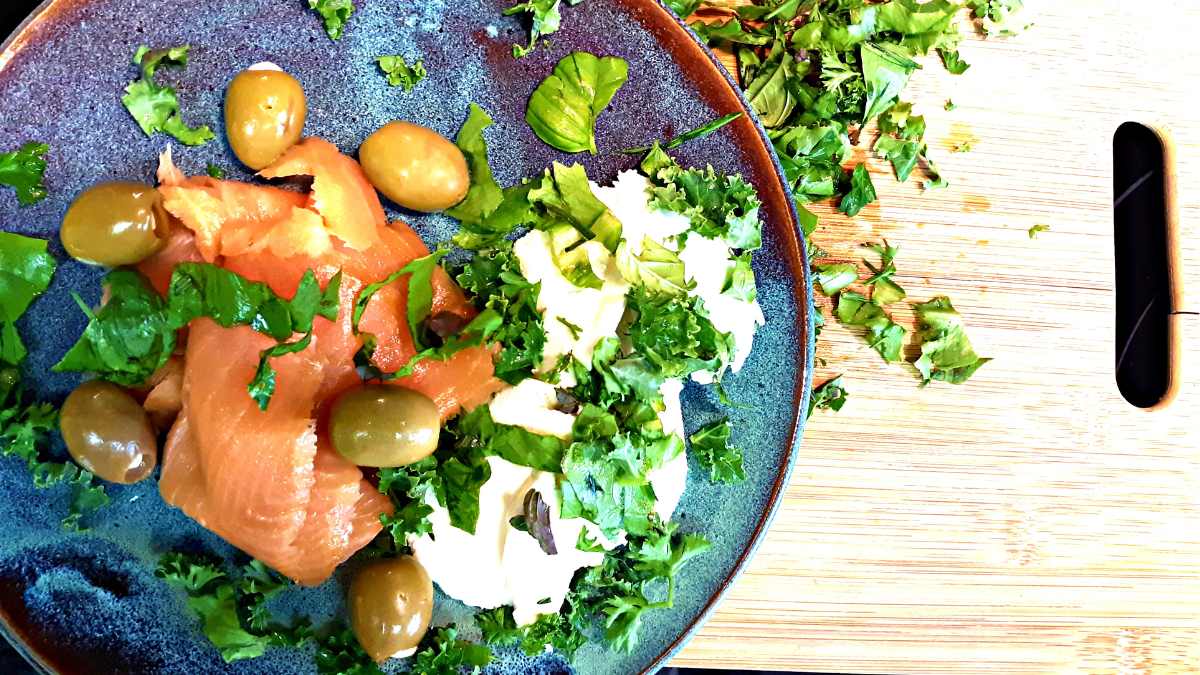

Introduction: The Mediterranean diet is renowned for its health benefits, emphasizing whole foods, healthy fats, and a variety of fruits and vegetables. Potatoes, often overlooked, play a significant role in this diet. This article delves into the importance of potatoes in the Mediterranean diet, their nutritional profile, health benefits, and how to incorporate them into meals effectively.
Introduction to Potatoes in Mediterranean Diet
Potatoes have been a staple in many cultures, including those surrounding the Mediterranean Sea. They are versatile, nutritious, and can be prepared in numerous ways. Despite their humble appearance, potatoes are a vital component of the Mediterranean diet, contributing to its overall nutritional value.
The Mediterranean diet is characterized by its emphasis on plant-based foods, healthy fats, and lean proteins. Potatoes fit well within this framework, providing essential nutrients and serving as a versatile ingredient that can be paired with various foods. Their inclusion in the diet supports the principles of balance and variety.
Historically, potatoes were introduced to the Mediterranean region in the 16th century and quickly became a popular food source. They are now a common ingredient in many traditional Mediterranean dishes, from Spanish tapas to Greek stews. Their adaptability and nutritional benefits make them a valuable addition to the diet.
Potatoes are often misunderstood and sometimes unfairly maligned in modern diets. However, when prepared and consumed appropriately, they offer numerous health benefits. They are a good source of vitamins, minerals, and fiber, which are essential for maintaining overall health.
Incorporating potatoes into the Mediterranean diet can help individuals meet their daily nutritional needs while enjoying a variety of delicious and satisfying meals. This article will explore the nutritional profile of potatoes, their health benefits, and provide guidelines on how to include them in your diet effectively.
Understanding the role of potatoes in the Mediterranean diet can help dispel myths and highlight their importance as a nutritious and versatile food. By following the guidelines provided, you can make informed choices about incorporating potatoes into your meals.
Nutritional Profile of Potatoes
Potatoes are rich in essential nutrients that support overall health. They are an excellent source of vitamin C, which is important for immune function, skin health, and wound healing. A medium-sized potato provides about 30% of the recommended daily intake of vitamin C.
In addition to vitamin C, potatoes contain significant amounts of potassium, a mineral that helps regulate blood pressure and supports proper muscle and nerve function. A medium-sized potato contains more potassium than a banana, making it an excellent choice for maintaining electrolyte balance.
Potatoes are also a good source of vitamin B6, which plays a crucial role in brain health and the production of neurotransmitters. This vitamin is essential for cognitive function and mood regulation, making potatoes a valuable food for mental well-being.
Dietary fiber is another important component of potatoes. Fiber aids in digestion, helps maintain healthy blood sugar levels, and promotes a feeling of fullness, which can aid in weight management. A medium-sized potato with the skin provides about 2 grams of fiber.
Potatoes contain antioxidants, including flavonoids, carotenoids, and phenolic acids. These compounds help protect the body from oxidative stress and may reduce the risk of chronic diseases such as heart disease and cancer. The antioxidant content varies depending on the potato variety and preparation method.
Lastly, potatoes are a source of complex carbohydrates, which provide a steady supply of energy. Unlike simple carbohydrates, complex carbs are digested slowly, preventing spikes in blood sugar levels. This makes potatoes a suitable food for sustained energy throughout the day.
Health Benefits of Potatoes
Potatoes offer numerous health benefits when included as part of a balanced diet. One of the primary benefits is their role in supporting heart health. The potassium content in potatoes helps regulate blood pressure, reducing the risk of hypertension and related cardiovascular issues.
The fiber in potatoes contributes to digestive health by promoting regular bowel movements and preventing constipation. A diet high in fiber can also reduce the risk of developing digestive disorders such as diverticulitis and colorectal cancer.
Potatoes are beneficial for weight management due to their high satiety index. Foods with a high satiety index help individuals feel full for longer periods, reducing overall calorie intake. This can be particularly helpful for those looking to maintain or lose weight.
The antioxidants in potatoes, such as flavonoids and carotenoids, play a role in reducing inflammation and protecting cells from damage. This can lower the risk of chronic diseases, including heart disease, diabetes, and certain types of cancer.
Vitamin B6 in potatoes supports brain health by aiding in the production of neurotransmitters such as serotonin and dopamine. These neurotransmitters are essential for mood regulation, cognitive function, and overall mental health.
Potatoes also have a positive impact on athletic performance. The complex carbohydrates provide a steady source of energy, while the potassium helps prevent muscle cramps and supports proper muscle function. This makes potatoes an excellent food choice for athletes and active individuals.
Incorporating Potatoes in Meals
Incorporating potatoes into your meals can be both delicious and nutritious. One way to include potatoes is by adding them to salads. A potato salad with olive oil, lemon juice, and fresh herbs aligns perfectly with the principles of the Mediterranean diet.
Potatoes can also be roasted with a variety of Mediterranean spices such as rosemary, thyme, and oregano. Roasting enhances their natural flavors and creates a satisfying side dish that pairs well with lean proteins like chicken or fish.
Another option is to include potatoes in soups and stews. Traditional Mediterranean dishes like Spanish gazpacho or Greek avgolemono soup often feature potatoes as a key ingredient. These dishes are not only flavorful but also packed with nutrients.
Mashed potatoes can be made healthier by using olive oil instead of butter and adding garlic or other herbs for flavor. This preparation method retains the nutritional benefits of potatoes while keeping the dish aligned with Mediterranean dietary principles.
Potatoes can also be used as a base for vegetable medleys. Combining potatoes with other Mediterranean vegetables such as tomatoes, zucchini, and bell peppers creates a nutrient-dense and visually appealing dish.
For a quick and easy meal, consider making a potato frittata. This dish can be prepared with eggs, potatoes, and a variety of vegetables, providing a balanced meal that is rich in protein, fiber, and essential nutrients.
Cooking Methods for Optimal Nutrition
The way you cook potatoes can significantly impact their nutritional value. Boiling potatoes with their skins on helps retain most of their nutrients, including vitamins and minerals. Steaming is another excellent method that preserves the nutritional integrity of potatoes.
Baking potatoes is a popular method that enhances their natural flavors without adding extra calories or fats. When baked, potatoes can be topped with healthy ingredients such as Greek yogurt, chives, and a drizzle of olive oil for added flavor and nutrition.
Roasting potatoes with a small amount of olive oil and herbs can create a delicious and nutritious side dish. This method allows the potatoes to develop a crispy texture while maintaining their nutritional benefits. It’s important to use a moderate amount of oil to keep the dish healthy.
Avoid frying potatoes, as this method adds unnecessary fats and calories, diminishing their health benefits. Frying can also lead to the formation of harmful compounds such as acrylamides, which are associated with an increased risk of cancer.
Microwaving potatoes is a quick and convenient method that retains most of their nutrients. When microwaving, it’s best to pierce the potatoes with a fork to allow steam to escape and prevent them from bursting. This method is ideal for preparing potatoes quickly without compromising their nutritional value.
Grilling potatoes can add a unique flavor while keeping them healthy. Slicing potatoes into wedges and grilling them with a light coating of olive oil and herbs can create a tasty and nutritious dish. Grilling is a great way to enjoy potatoes during outdoor meals and barbecues.
Expert Tips for Selecting Quality Potatoes
Selecting high-quality potatoes is essential for maximizing their nutritional benefits and ensuring they taste great. When choosing potatoes, look for ones that are firm and free of blemishes, cuts, or sprouts. Avoid potatoes that have green spots, as this indicates the presence of solanine, a toxic compound.
Different potato varieties offer unique flavors and textures. For example, russet potatoes are ideal for baking and mashing, while red potatoes are perfect for roasting and salads. Understanding the characteristics of each variety can help you select the best potatoes for your recipes.
Store potatoes in a cool, dark, and well-ventilated place to prolong their shelf life. Avoid storing potatoes in the refrigerator, as the cold temperature can convert their starches into sugars, altering their flavor and texture. A pantry or cellar is an ideal storage location.
When preparing potatoes, it’s best to wash them thoroughly under running water to remove any dirt or pesticides. If you prefer to peel your potatoes, use a vegetable peeler to remove only a thin layer of skin, as many nutrients are concentrated just beneath the surface.
Consider buying organic potatoes to reduce exposure to pesticides and other chemicals. Organic potatoes are grown without synthetic pesticides or fertilizers, making them a healthier choice for you and the environment. Look for organic certification labels when shopping.
Lastly, buy potatoes in small quantities to ensure they are used while still fresh. Potatoes can lose their quality over time, so it’s best to purchase only what you need for a week or two. This practice helps reduce food waste and ensures you always have fresh potatoes on hand.
Conclusion: Potatoes are a valuable and nutritious component of the Mediterranean diet. Their versatility and rich nutrient profile make them an excellent choice for a variety of dishes. By understanding their health benefits and incorporating them into meals using healthy cooking methods, you can enjoy the many advantages potatoes have to offer. Selecting high-quality potatoes and storing them properly further enhances their nutritional value and taste. Embrace the humble potato and discover its potential to contribute to a balanced and healthy Mediterranean diet.
Read More…
-
Harvard T.H. Chan School of Public Health: Potatoes and Health
- This resource provides an in-depth look at the nutritional benefits of potatoes and their role in a healthy diet.
-
Oldways: Mediterranean Diet 101
- Oldways offers comprehensive information on the Mediterranean diet, including guidelines and recipes.
-
National Institutes of Health: Potassium
- This fact sheet from the NIH details the importance of potassium in the diet and its health benefits.
-
Mayo Clinic: Dietary Fiber: Essential for a Healthy Diet
- The Mayo Clinic explains the health benefits of dietary fiber and how to incorporate it into your diet.
-
American Heart Association: Tips for Cooking Healthier at Home
- This guide from the American Heart Association offers tips for cooking nutritious meals at home, including methods for preparing potatoes.