
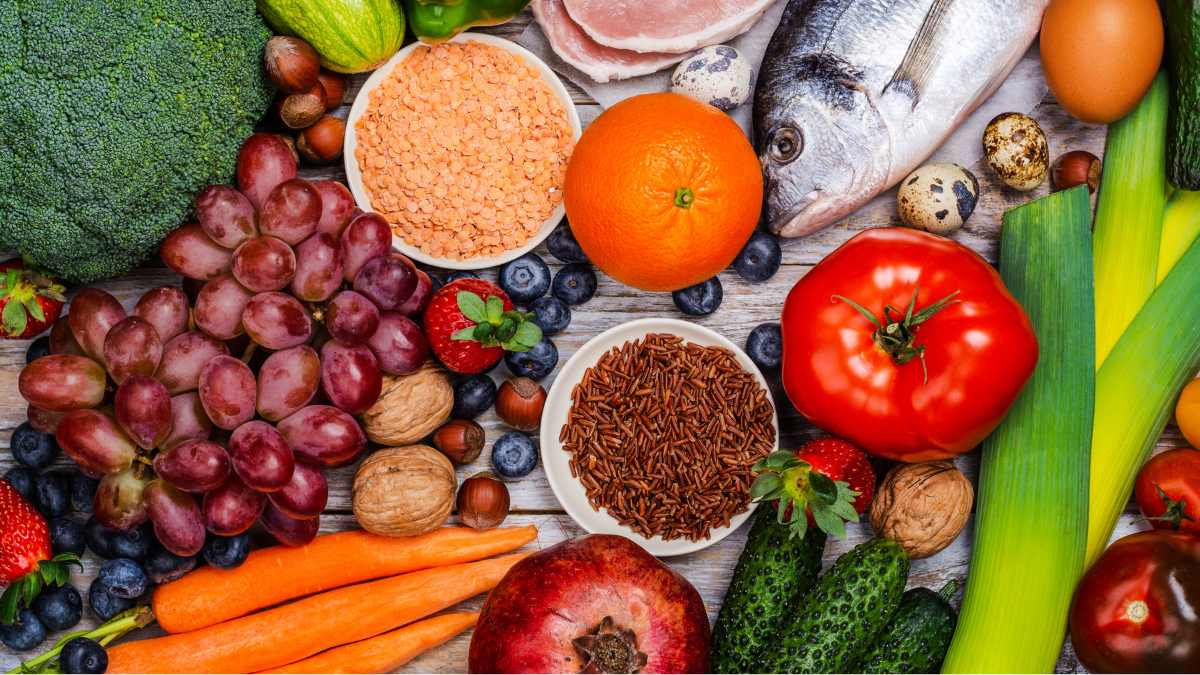

Introduction: The Mediterranean Diet is renowned for its health benefits, including reduced risk of chronic diseases and improved longevity. This diet emphasizes whole foods such as fruits, vegetables, whole grains, nuts, and olive oil. However, to maximize its benefits, it’s essential to understand which foods should be limited or avoided. This article delves into the restricted foods in the Mediterranean Diet, providing a comprehensive guide to help you make informed dietary choices.
Overview of Restricted Foods in Mediterranean Diet
The Mediterranean Diet, while flexible and inclusive, does have certain restrictions to ensure optimal health benefits. These restrictions are primarily focused on foods that are high in sugar, processed, or refined. The goal is to minimize the intake of foods that can lead to health issues such as obesity, diabetes, and cardiovascular diseases.
One of the primary categories of restricted foods in the Mediterranean Diet is high-sugar foods. These include sugary snacks, desserts, and beverages that can lead to spikes in blood sugar levels and contribute to weight gain. Limiting these foods helps maintain stable blood sugar levels and supports overall metabolic health.
Processed meats are another category of foods that are restricted in the Mediterranean Diet. These meats, such as sausages, hot dogs, and deli meats, often contain high levels of sodium, preservatives, and unhealthy fats. Consuming these can increase the risk of heart disease and other chronic conditions.
Refined grains are also limited in the Mediterranean Diet. Unlike whole grains, refined grains have been stripped of their fiber and nutrients, leading to rapid spikes in blood sugar levels. Foods like white bread, white rice, and pasta fall into this category and should be consumed in moderation.
High-fat dairy products are another group of foods that should be limited. While dairy is not entirely excluded, the focus is on consuming low-fat or fat-free options to reduce the intake of saturated fats. This helps in maintaining heart health and managing weight effectively.
Lastly, alcohol consumption is moderated in the Mediterranean Diet. While moderate consumption, particularly of red wine, is allowed, excessive drinking is discouraged. This moderation helps in reaping the benefits of antioxidants found in wine without the adverse effects of high alcohol intake.
High-Sugar Foods to Limit in Mediterranean Diet
High-sugar foods are a significant concern in the Mediterranean Diet due to their impact on metabolic health. These foods cause rapid spikes in blood sugar levels, which can lead to insulin resistance over time. Examples include candies, pastries, sugary cereals, and sweetened beverages.
Consuming high-sugar foods can also contribute to weight gain, as they are often calorie-dense but nutritionally poor. This can lead to obesity, which is a risk factor for various chronic diseases, including type 2 diabetes and cardiovascular disease. Therefore, it is crucial to limit these foods to maintain a healthy weight.
In the Mediterranean Diet, natural sources of sweetness, such as fruits, are preferred over processed sugary foods. Fruits provide essential vitamins, minerals, and fiber, which help in maintaining overall health. They also have a lower glycemic index compared to processed sugary foods, leading to more stable blood sugar levels.
Another reason to limit high-sugar foods is their impact on dental health. Sugary foods can lead to tooth decay and other dental issues. By reducing the intake of these foods, you can maintain better oral health, which is an often-overlooked aspect of overall well-being.
It’s also worth noting that high-sugar foods can affect mood and energy levels. While they may provide a quick energy boost, this is often followed by a rapid decline, leading to fatigue and irritability. By limiting these foods, you can maintain more stable energy levels throughout the day.
Finally, high-sugar foods can interfere with the body’s natural hunger and satiety signals. This can lead to overeating and poor dietary choices. By focusing on whole, nutrient-dense foods, you can better regulate your appetite and make healthier eating decisions.
Processed Meats: Why They Are Restricted
Processed meats are restricted in the Mediterranean Diet due to their association with various health risks. These meats often contain high levels of sodium, preservatives, and unhealthy fats, which can contribute to chronic diseases. Examples include sausages, hot dogs, bacon, and deli meats.
One of the primary concerns with processed meats is their high sodium content. Excessive sodium intake can lead to high blood pressure, which is a significant risk factor for heart disease and stroke. By limiting processed meats, you can better manage your sodium intake and support cardiovascular health.
Processed meats also contain preservatives such as nitrates and nitrites, which have been linked to an increased risk of cancer. These chemicals can form harmful compounds in the body, particularly in the digestive tract. Reducing the intake of processed meats can help lower the risk of developing certain types of cancer.
Another issue with processed meats is their high saturated fat content. Saturated fats can raise LDL (bad) cholesterol levels, leading to the buildup of plaque in the arteries. This can increase the risk of atherosclerosis, heart attacks, and strokes. By choosing leaner protein sources, you can support better heart health.
Processed meats are also often calorie-dense and low in essential nutrients. This can contribute to weight gain and poor nutritional status. By focusing on whole, unprocessed foods, you can ensure a more balanced intake of vitamins, minerals, and other nutrients.
Additionally, the consumption of processed meats has been linked to an increased risk of type 2 diabetes. This is likely due to their high fat and sodium content, which can affect insulin sensitivity and glucose metabolism. Limiting these meats can help in managing blood sugar levels more effectively.
Finally, processed meats can contribute to inflammation in the body. Chronic inflammation is a key factor in the development of many diseases, including heart disease, diabetes, and cancer. By reducing the intake of processed meats, you can help lower inflammation and support overall health.
Refined Grains: Understanding Their Limitations
Refined grains are limited in the Mediterranean Diet due to their lower nutritional value compared to whole grains. Refined grains have been stripped of their bran and germ, which contain most of the fiber, vitamins, and minerals. Examples include white bread, white rice, and pasta.
One of the main issues with refined grains is their impact on blood sugar levels. Without the fiber content, these grains are quickly digested and absorbed, leading to rapid spikes in blood sugar. This can contribute to insulin resistance and increase the risk of type 2 diabetes.
Refined grains also lack the essential nutrients found in whole grains. Whole grains provide important vitamins and minerals such as B vitamins, iron, and magnesium, which are crucial for overall health. By choosing whole grains over refined ones, you can ensure a more nutrient-dense diet.
Another concern with refined grains is their association with weight gain. These grains are often calorie-dense but not very filling, leading to overeating and increased calorie intake. Whole grains, on the other hand, are more satiating due to their fiber content, helping to control appetite and support weight management.
The consumption of refined grains has also been linked to an increased risk of cardiovascular disease. This is likely due to their impact on blood sugar levels and their lack of beneficial nutrients. By focusing on whole grains, you can support better heart health and reduce the risk of cardiovascular issues.
Refined grains can also affect digestive health. The lack of fiber can lead to constipation and other digestive problems. Whole grains, with their higher fiber content, support healthy digestion and regular bowel movements.
Finally, refined grains are often found in processed foods that contain added sugars and unhealthy fats. These foods can contribute to poor dietary quality and increase the risk of chronic diseases. By limiting refined grains and choosing whole, unprocessed foods, you can improve the overall quality of your diet.
High-Fat Dairy Products: Moderation Guidelines
High-fat dairy products are limited in the Mediterranean Diet due to their high saturated fat content. While dairy is not entirely excluded, the focus is on consuming low-fat or fat-free options. Examples of high-fat dairy products include whole milk, full-fat cheese, and butter.
One of the main concerns with high-fat dairy products is their impact on heart health. Saturated fats can raise LDL (bad) cholesterol levels, leading to the buildup of plaque in the arteries. This can increase the risk of atherosclerosis, heart attacks, and strokes. By choosing lower-fat dairy options, you can support better cardiovascular health.
High-fat dairy products are also calorie-dense, which can contribute to weight gain if consumed in excess. Managing weight is crucial for reducing the risk of chronic diseases such as type 2 diabetes and heart disease. Low-fat or fat-free dairy options provide the same essential nutrients without the added calories.
Another issue with high-fat dairy products is their potential impact on inflammation. Saturated fats can contribute to chronic inflammation, which is a key factor in the development of many diseases. By limiting high-fat dairy products, you can help lower inflammation and support overall health.
It’s also worth noting that high-fat dairy products can be harder to digest for some individuals, particularly those who are lactose intolerant. Choosing lower-fat options or lactose-free alternatives can help improve digestive comfort and nutrient absorption.
Despite these concerns, it’s important to note that dairy products are a valuable source of essential nutrients such as calcium, vitamin D, and protein. The key is to choose lower-fat options to reap the benefits without the drawbacks. For example, opting for skim milk, low-fat yogurt, and reduced-fat cheese can provide the necessary nutrients while minimizing saturated fat intake.
Finally, moderation is key when it comes to dairy consumption in the Mediterranean Diet. While it’s important to limit high-fat options, completely eliminating dairy is not necessary. Incorporating moderate amounts of low-fat or fat-free dairy products can help you maintain a balanced and nutritious diet.
Alcohol Consumption: Mediterranean Diet Restrictions
Alcohol consumption is moderated in the Mediterranean Diet, with a particular emphasis on red wine. While moderate consumption is allowed, excessive drinking is discouraged due to its potential health risks. Understanding the guidelines for alcohol consumption can help you make informed choices.
Moderate alcohol consumption in the Mediterranean Diet is defined as up to one glass per day for women and up to two glasses per day for men. This moderation helps in reaping the benefits of antioxidants found in red wine, such as resveratrol, without the adverse effects of high alcohol intake.
Excessive alcohol consumption can lead to a range of health issues, including liver disease, cardiovascular problems, and an increased risk of certain cancers. By limiting alcohol intake, you can reduce these risks and support overall health.
Alcohol can also contribute to weight gain due to its high-calorie content. Additionally, it can lower inhibitions and lead to poor dietary choices, further impacting weight management. Moderation helps in managing calorie intake and maintaining a healthy weight.
It’s also important to consider the impact of alcohol on mental health. Excessive drinking can lead to mood swings, anxiety, and depression. By consuming alcohol in moderation, you can support better mental well-being and overall quality of life.
While red wine is often highlighted in the Mediterranean Diet, it’s essential to remember that the benefits come from moderate consumption. Other alcoholic beverages, such as beer and spirits, do not offer the same health benefits and should be consumed with caution.
Finally, it’s worth noting that alcohol may not be suitable for everyone. Individuals with certain medical conditions, those taking specific medications, and pregnant women should avoid alcohol altogether. Consulting with a healthcare provider can help determine the best approach to alcohol consumption based on individual health needs.
Conclusion: The Mediterranean Diet is a holistic approach to eating that emphasizes whole, nutrient-dense foods while limiting those that can negatively impact health. By understanding and adhering to the restrictions on high-sugar foods, processed meats, refined grains, high-fat dairy products, and alcohol, you can maximize the health benefits of this diet. Making informed choices and focusing on moderation can help you achieve better overall health and well-being.
Read More…
- Mayo Clinic: Mediterranean Diet – This comprehensive guide provides an overview of the Mediterranean Diet, including its benefits and food recommendations.
- Harvard T.H. Chan School of Public Health: The Nutrition Source – An in-depth look at the Mediterranean Diet, including research findings and practical tips for following the diet.
- American Heart Association: Mediterranean Eating – This resource outlines the heart health benefits of the Mediterranean Diet and provides guidelines for incorporating it into your lifestyle.
- Cleveland Clinic: Mediterranean Diet – A detailed guide to the Mediterranean Diet, including meal plans, recipes, and tips for success.
- Oldways: Mediterranean Diet Pyramid – This resource provides a visual representation of the Mediterranean Diet, along with practical advice and recipes to help you follow the diet.