

Se hai un abbonamento attivo ACCEDI QUI
Introduction: The Mediterranean diet is renowned for its health benefits, emphasizing whole foods, healthy fats, and lean proteins. Snacks play a crucial role in maintaining energy levels and preventing overeating during main meals. This article delves into the world of Mediterranean diet snacks, exploring their nutritional benefits, key ingredients, and how to prepare them at home. Whether you’re new to this diet or looking to diversify your snack options, this guide will provide valuable insights.
Introduction to Mediterranean Diet Snacks
The Mediterranean diet is not just about main meals; snacks are an integral part of this eating pattern. Unlike typical Western snacks that are often high in sugar and unhealthy fats, Mediterranean snacks are nutrient-dense and balanced. They are designed to provide sustained energy and satiety, making them ideal for anyone looking to maintain a healthy lifestyle.
Mediterranean snacks often include a variety of fruits, vegetables, nuts, seeds, and whole grains. These snacks are not only delicious but also packed with essential nutrients that support overall health. By incorporating these snacks into your daily routine, you can enjoy the benefits of the Mediterranean diet throughout the day.
One of the key principles of Mediterranean snacking is moderation. Portion control is essential to ensure that snacks complement your diet without adding excessive calories. This approach helps in maintaining a healthy weight and preventing chronic diseases.
Another important aspect is the quality of ingredients. Fresh, seasonal, and locally sourced foods are preferred, as they are more nutritious and flavorful. This focus on quality over quantity is a hallmark of the Mediterranean diet.
In addition to being nutritious, Mediterranean snacks are also versatile and easy to prepare. Whether you’re at home, at work, or on the go, there are plenty of options to choose from. This makes it easier to stick to the diet and enjoy its benefits.
Finally, Mediterranean snacks are a great way to introduce variety into your diet. With a wide range of flavors and textures, these snacks can keep your taste buds satisfied and prevent dietary boredom.
Nutritional Benefits of Mediterranean Snacks
Mediterranean snacks are rich in essential nutrients that contribute to overall health and well-being. They are often high in fiber, which aids in digestion and helps maintain a healthy gut. Fiber also plays a role in controlling blood sugar levels and reducing the risk of diabetes.
Healthy fats, particularly from sources like olive oil, nuts, and seeds, are a cornerstone of Mediterranean snacks. These fats are known to support heart health by reducing bad cholesterol levels and increasing good cholesterol. They also provide a steady source of energy and help in the absorption of fat-soluble vitamins.
Protein is another important component of Mediterranean snacks. Sources like yogurt, cheese, and legumes provide high-quality protein that supports muscle health and repair. Protein also helps in maintaining a feeling of fullness, reducing the likelihood of overeating.
Antioxidants are abundant in Mediterranean snacks, thanks to the inclusion of fruits, vegetables, and nuts. These compounds help combat oxidative stress and inflammation, which are linked to chronic diseases such as cancer and heart disease. Antioxidants also support skin health and slow down the aging process.
Vitamins and minerals are plentiful in Mediterranean snacks. For example, nuts and seeds are rich in magnesium and zinc, while fruits and vegetables provide vitamins A, C, and E. These nutrients are essential for various bodily functions, including immune support, bone health, and energy production.
Lastly, Mediterranean snacks are low in added sugars and unhealthy fats. This makes them a healthier alternative to conventional snacks, which are often laden with empty calories. By choosing Mediterranean snacks, you can enjoy tasty treats without compromising your health.
Key Ingredients in Mediterranean Diet Snacks
The foundation of Mediterranean snacks lies in their high-quality, nutrient-dense ingredients. Olive oil is a staple, known for its heart-healthy monounsaturated fats and antioxidant properties. It is often used in dressings, dips, and as a drizzle over vegetables and grains.
Nuts and seeds are another key component. Almonds, walnuts, and sunflower seeds are popular choices, providing healthy fats, protein, and a range of vitamins and minerals. They are often consumed on their own or added to salads and yogurt.
Fruits and vegetables are central to Mediterranean snacking. Fresh, seasonal produce like tomatoes, cucumbers, and berries are commonly used. These ingredients are rich in fiber, vitamins, and antioxidants, making them ideal for a healthy snack.
Legumes such as chickpeas and lentils are also important. They are high in protein and fiber, and can be used in various forms, from hummus to roasted chickpeas. Legumes are versatile and can be easily incorporated into different snack recipes.
Whole grains like quinoa, bulgur, and barley provide complex carbohydrates that offer sustained energy. These grains are often used in salads, snack bars, and as a base for various dishes. They are also rich in fiber and essential nutrients.
Lastly, dairy products such as yogurt and cheese are frequently included in Mediterranean snacks. Greek yogurt, in particular, is a favorite due to its high protein content and probiotics. Cheese, in moderation, provides calcium and other essential nutrients, adding flavor and richness to snacks.
Top 5 Nutritious Mediterranean Snack Options
-
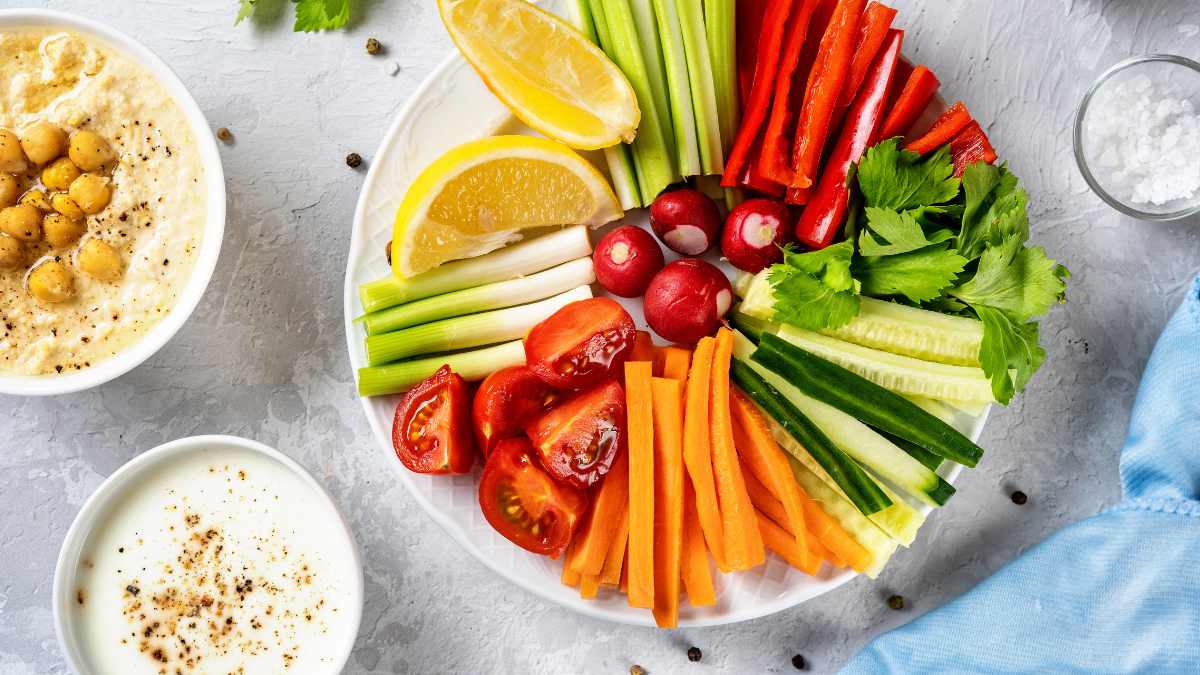
Hummus and Veggie Sticks: Hummus, made from blended chickpeas, tahini, olive oil, and lemon juice, is a protein-rich dip. Pair it with fresh vegetable sticks like carrots, cucumbers, and bell peppers for a crunchy, satisfying snack.
-
Greek Yogurt with Honey and Nuts: Greek yogurt is high in protein and probiotics. Top it with a drizzle of honey and a handful of nuts like almonds or walnuts for added crunch and sweetness. This snack is not only delicious but also packed with nutrients.
-
Olives and Cheese: A small serving of olives and cheese can be a delightful snack. Olives are rich in healthy fats and antioxidants, while cheese provides protein and calcium. This combination is both flavorful and nutritious.
-
Stuffed Grape Leaves (Dolmas): These are grape leaves stuffed with a mixture of rice, herbs, and sometimes meat. They are often served cold and make for a tasty and portable snack. Dolmas are high in fiber and provide a good balance of carbohydrates and protein.
-
Fruit and Nut Mix: A simple mix of dried fruits like apricots, figs, and dates with nuts such as almonds, pistachios, and walnuts can be a quick and energy-boosting snack. This mix is rich in fiber, healthy fats, and natural sugars, making it a perfect on-the-go option.
How to Prepare Mediterranean Snacks at Home
Preparing Mediterranean snacks at home is both simple and rewarding. Start by stocking your pantry with essential ingredients like olive oil, nuts, seeds, legumes, and whole grains. Fresh fruits and vegetables should also be a staple in your kitchen.
For a quick and easy snack, try making your own hummus. Blend canned chickpeas with tahini, olive oil, lemon juice, and garlic until smooth. Serve with a variety of fresh vegetable sticks for dipping. This snack is not only nutritious but also versatile, as you can customize the flavors to your liking.
Greek yogurt is another versatile ingredient. You can create a delicious parfait by layering yogurt with fresh fruits, a drizzle of honey, and a sprinkle of nuts or seeds. This snack is perfect for breakfast or a mid-day energy boost.
Roasting chickpeas is a great way to enjoy a crunchy, protein-packed snack. Simply toss canned chickpeas with olive oil, salt, and your favorite spices, then roast in the oven until crispy. These can be stored in an airtight container for a convenient, grab-and-go snack.
Stuffed grape leaves, or dolmas, can be made in advance and stored in the refrigerator. Prepare a filling of cooked rice, herbs, and spices, then wrap in grape leaves and steam until tender. These make for a flavorful and portable snack option.
Lastly, creating your own fruit and nut mix is easy and customizable. Combine your favorite dried fruits and nuts in a large bowl, then portion into small containers or bags for a convenient snack. This mix can be tailored to your taste preferences and nutritional needs.
Expert Tips for Choosing Mediterranean Snacks
When selecting Mediterranean snacks, it’s important to focus on quality and variety. Choose fresh, seasonal produce whenever possible, as it is more nutritious and flavorful. Local farmers’ markets can be a great source of high-quality fruits and vegetables.
Portion control is key to maintaining a balanced diet. While Mediterranean snacks are healthy, it’s important to enjoy them in moderation. Pre-portioning snacks into small containers can help prevent overeating and ensure you stay on track with your dietary goals.
Reading labels is essential when purchasing packaged snacks. Look for products with minimal ingredients and no added sugars or unhealthy fats. Whole, unprocessed foods are always the best choice.
Incorporating a variety of snacks into your diet can help prevent boredom and ensure you get a wide range of nutrients. Try to include different types of fruits, vegetables, nuts, seeds, and whole grains in your snack rotation.
Planning ahead can make it easier to stick to healthy snacking habits. Prepare snacks in advance and keep them readily available, whether at home, work, or on the go. This can help you avoid reaching for less healthy options when hunger strikes.
Finally, listen to your body and choose snacks that satisfy your hunger and taste preferences. The Mediterranean diet is flexible and adaptable, so find what works best for you and enjoy the process of discovering new and delicious snack options.
Conclusion: Incorporating Mediterranean snacks into your diet can provide numerous health benefits, from improved heart health to better digestion. By focusing on high-quality ingredients and balanced nutrition, you can enjoy delicious and satisfying snacks that support your overall well-being. Whether you’re preparing snacks at home or choosing pre-made options, the Mediterranean diet offers a wealth of tasty and nutritious possibilities.
Read More…
- The Mediterranean Diet: A Complete Beginner’s Guide – Healthline provides a comprehensive guide to the Mediterranean diet, including meal plans and snack ideas.
- Mediterranean Diet 101: A Meal Plan and Beginner’s Guide – Medical News Today offers an in-depth look at the Mediterranean diet, including its benefits and how to get started.
- Mediterranean Diet: A Heart-Healthy Eating Plan – The Mayo Clinic explains the heart health benefits of the Mediterranean diet and provides practical tips for incorporating it into your lifestyle.
- Oldways Mediterranean Diet Pyramid – Oldways offers a visual guide to the Mediterranean diet pyramid, along with recipes and resources for incorporating Mediterranean foods into your diet.
- Mediterranean Diet Recipes – EatingWell provides a collection of Mediterranean diet recipes, including snacks, that are both delicious and nutritious.