
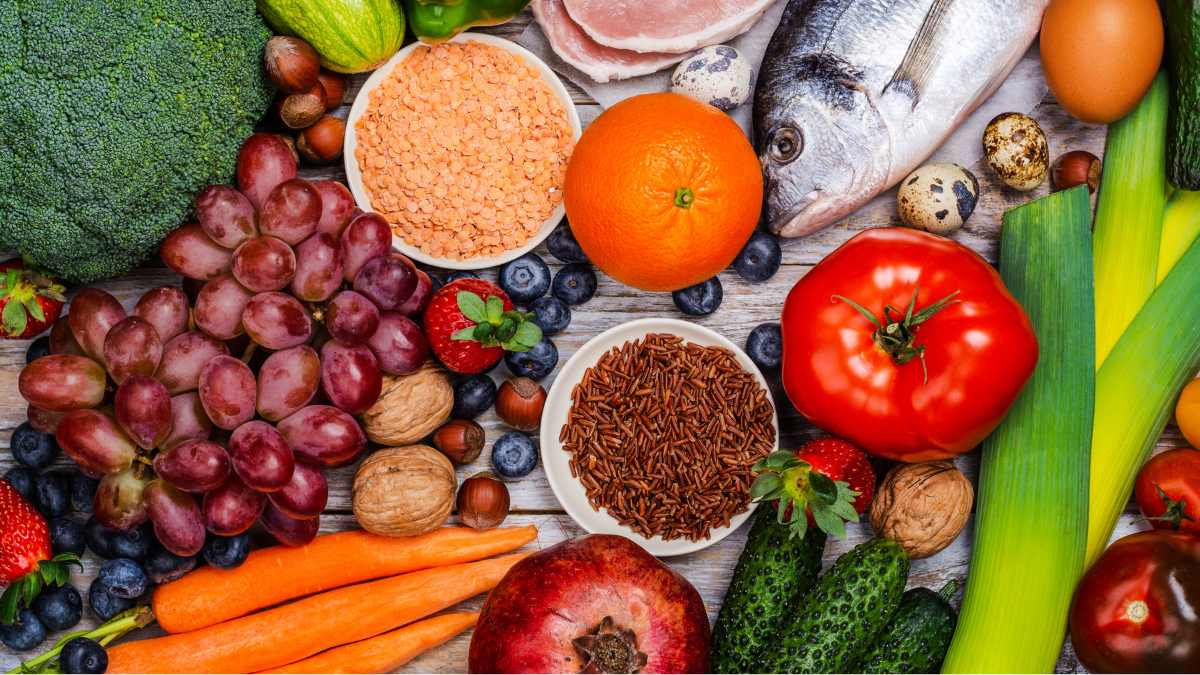

Introduction:
The Mediterranean diet has long been celebrated for its numerous health benefits and delicious flavors. Rooted in the traditional eating habits of countries bordering the Mediterranean Sea, this diet emphasizes whole foods, healthy fats, and lean proteins. In this article, we will explore the eight essential foods that form the cornerstone of the Mediterranean diet, delving into their nutritional benefits and how they contribute to overall health and well-being.
Introduction to the Mediterranean Diet Principles
The Mediterranean diet is more than just a meal plan; it is a lifestyle that promotes balanced eating patterns, physical activity, and social connections. Central to this diet are the principles of consuming a variety of nutrient-dense foods, prioritizing plant-based ingredients, and incorporating healthy fats. This approach not only supports physical health but also fosters mental well-being and longevity.
One of the key principles of the Mediterranean diet is the emphasis on whole, unprocessed foods. This means choosing fresh vegetables, fruits, whole grains, and lean proteins over refined and processed options. By doing so, individuals can benefit from a higher intake of essential nutrients and antioxidants that support overall health.
Another fundamental aspect of the Mediterranean diet is the use of healthy fats, particularly from olive oil. Unlike diets that restrict fat intake, the Mediterranean diet encourages the consumption of monounsaturated and polyunsaturated fats, which have been shown to improve heart health and reduce inflammation.
The Mediterranean diet also places a strong emphasis on the consumption of plant-based foods. Vegetables, fruits, legumes, nuts, and seeds are staples, providing a rich source of vitamins, minerals, fiber, and antioxidants. These foods not only support digestive health but also help in the prevention of chronic diseases.
In addition to plant-based foods, the Mediterranean diet includes moderate amounts of fish, poultry, and dairy. These sources of lean protein provide essential amino acids and other nutrients necessary for muscle maintenance and overall health. Red meat is consumed sparingly, further reducing the intake of saturated fats.
Finally, the Mediterranean diet encourages mindful eating and enjoying meals with others. This social aspect of dining can enhance the overall eating experience, promote better digestion, and contribute to mental well-being. By following these principles, individuals can enjoy a balanced and nutritious diet that supports long-term health.
Nutritional Benefits of the Mediterranean Diet
The Mediterranean diet is renowned for its numerous health benefits, many of which are attributed to its rich nutritional profile. One of the most significant advantages is its positive impact on heart health. Studies have shown that individuals who follow the Mediterranean diet have a lower risk of cardiovascular diseases, thanks to the diet’s emphasis on healthy fats, fiber, and antioxidants.
Another notable benefit of the Mediterranean diet is its ability to support weight management. The diet’s focus on whole foods and balanced meals helps individuals feel satiated and reduces the likelihood of overeating. Additionally, the high fiber content from fruits, vegetables, and whole grains aids in digestion and promotes a healthy metabolism.
The Mediterranean diet is also associated with a reduced risk of type 2 diabetes. The diet’s emphasis on complex carbohydrates, healthy fats, and lean proteins helps regulate blood sugar levels and improve insulin sensitivity. This makes it an excellent dietary choice for individuals looking to manage or prevent diabetes.
Inflammation is a common underlying factor in many chronic diseases, and the Mediterranean diet has been shown to have anti-inflammatory effects. The diet’s rich content of antioxidants, omega-3 fatty acids, and polyphenols helps reduce inflammation and protect the body from oxidative stress. This can lead to a lower risk of conditions such as arthritis, cancer, and neurodegenerative diseases.
Mental health is another area where the Mediterranean diet shines. Research suggests that the diet’s nutrient-dense foods, particularly those rich in omega-3 fatty acids and antioxidants, can improve mood and cognitive function. This makes the Mediterranean diet a valuable tool in the prevention and management of mental health disorders such as depression and anxiety.
Finally, the Mediterranean diet promotes longevity and overall well-being. The combination of nutrient-rich foods, healthy fats, and a balanced approach to eating supports a healthy lifestyle that can extend life expectancy and improve quality of life. By adhering to the principles of the Mediterranean diet, individuals can enjoy a wide range of health benefits that contribute to long-term vitality.
Olive Oil: The Heart-Healthy Fat Source
Olive oil is a cornerstone of the Mediterranean diet and is renowned for its numerous health benefits. Rich in monounsaturated fats, particularly oleic acid, olive oil has been shown to improve heart health by reducing bad cholesterol levels (LDL) and increasing good cholesterol levels (HDL). This helps lower the risk of cardiovascular diseases, including heart attacks and strokes.
In addition to its heart-healthy properties, olive oil is packed with antioxidants, such as vitamin E and polyphenols. These compounds help combat oxidative stress and inflammation, protecting the body from chronic diseases and promoting overall health. The antioxidants in olive oil also play a role in preventing the oxidation of LDL cholesterol, further reducing the risk of heart disease.
Olive oil’s anti-inflammatory properties are another significant benefit. Chronic inflammation is a contributing factor to many health conditions, including arthritis, cancer, and neurodegenerative diseases. The polyphenols in olive oil, particularly oleocanthal, have been shown to have similar anti-inflammatory effects as ibuprofen, making olive oil a natural remedy for reducing inflammation.
The Mediterranean diet encourages the use of extra virgin olive oil, which is the least processed form and retains the highest levels of nutrients and antioxidants. Extra virgin olive oil is ideal for drizzling over salads, vegetables, and whole grains, as well as for cooking at low to medium temperatures. Its rich flavor and health benefits make it a versatile and essential ingredient in Mediterranean cuisine.
Olive oil also supports brain health and cognitive function. The healthy fats and antioxidants in olive oil have been linked to improved memory and reduced risk of cognitive decline. Regular consumption of olive oil as part of a balanced diet can help protect against neurodegenerative diseases such as Alzheimer’s and Parkinson’s.
Incorporating olive oil into daily meals is a simple yet effective way to enhance the nutritional value of the diet. Whether used in salad dressings, marinades, or as a cooking oil, olive oil provides a delicious and healthful addition to a variety of dishes. Its numerous health benefits make it a staple in the Mediterranean diet and a valuable component of a heart-healthy lifestyle.
Fresh Vegetables: Vitamins and Antioxidants
Fresh vegetables are a fundamental component of the Mediterranean diet, providing a rich source of vitamins, minerals, and antioxidants. These nutrients are essential for maintaining overall health and preventing chronic diseases. Vegetables such as tomatoes, bell peppers, spinach, and broccoli are particularly nutrient-dense and offer a wide range of health benefits.
One of the key advantages of consuming fresh vegetables is their high antioxidant content. Antioxidants, such as vitamin C, vitamin E, and beta-carotene, help protect the body from oxidative stress and free radical damage. This can reduce the risk of chronic diseases, including heart disease, cancer, and neurodegenerative disorders.
Vegetables are also an excellent source of dietary fiber, which is crucial for digestive health. Fiber helps regulate bowel movements, prevent constipation, and support a healthy gut microbiome. A diet rich in fiber can also help lower cholesterol levels, control blood sugar levels, and promote weight management.
The Mediterranean diet emphasizes the consumption of a variety of colorful vegetables, each offering unique health benefits. For example, leafy greens like spinach and kale are rich in iron, calcium, and folate, which are essential for bone health and red blood cell production. Cruciferous vegetables like broccoli and Brussels sprouts contain compounds that have been shown to have cancer-protective properties.
Incorporating fresh vegetables into daily meals is easy and versatile. They can be enjoyed raw in salads, steamed, roasted, or sautéed as side dishes, or incorporated into main courses such as soups, stews, and casseroles. The Mediterranean diet encourages the use of herbs and spices to enhance the flavor of vegetables, making them a delicious and nutritious part of any meal.
The high water content in vegetables also contributes to hydration and overall health. Staying hydrated is essential for maintaining bodily functions, including temperature regulation, nutrient transport, and waste elimination. Consuming water-rich vegetables such as cucumbers, tomatoes, and zucchini can help meet daily hydration needs.
Overall, fresh vegetables are a vital component of the Mediterranean diet, offering a wide range of health benefits. Their rich nutrient profile, high antioxidant content, and versatility in cooking make them an essential part of a balanced and nutritious diet. By prioritizing the consumption of fresh vegetables, individuals can support their overall health and well-being.
Whole Grains: Sustained Energy and Fiber
Whole grains are a staple in the Mediterranean diet, providing a valuable source of sustained energy and dietary fiber. Unlike refined grains, whole grains retain all parts of the grain kernel, including the bran, germ, and endosperm, which are rich in nutrients and fiber. Common whole grains in the Mediterranean diet include whole wheat, barley, oats, quinoa, and brown rice.
One of the primary benefits of whole grains is their high fiber content. Dietary fiber is essential for digestive health, as it helps regulate bowel movements, prevent constipation, and support a healthy gut microbiome. Fiber also plays a role in weight management by promoting feelings of fullness and reducing overall calorie intake.
Whole grains are also a good source of complex carbohydrates, which provide sustained energy throughout the day. Unlike simple carbohydrates, which can cause rapid spikes and crashes in blood sugar levels, complex carbohydrates are digested more slowly, providing a steady release of glucose into the bloodstream. This helps maintain stable energy levels and supports overall metabolic health.
In addition to fiber and complex carbohydrates, whole grains are rich in essential nutrients such as B vitamins, iron, magnesium, and selenium. B vitamins are crucial for energy production and brain function, while iron is necessary for oxygen transport and red blood cell production. Magnesium and selenium play important roles in muscle function, bone health, and immune support.
The Mediterranean diet encourages the consumption of whole grains in various forms, from bread and pasta to salads and side dishes. For example, whole wheat bread and pasta are common staples, while grains like quinoa and barley can be used in salads or as a base for grain bowls. Incorporating a variety of whole grains into daily meals ensures a diverse intake of nutrients and flavors.
Whole grains also have a positive impact on heart health. Studies have shown that regular consumption of whole grains can help lower cholesterol levels, reduce blood pressure, and decrease the risk of cardiovascular diseases. The combination of fiber, antioxidants, and healthy fats in whole grains contributes to these heart-protective effects.
Overall, whole grains are an essential component of the Mediterranean diet, offering numerous health benefits. Their high fiber content, sustained energy release, and rich nutrient profile make them a valuable addition to a balanced and nutritious diet. By prioritizing whole grains over refined grains, individuals can support their digestive health, maintain stable energy levels, and reduce the risk of chronic diseases.
Lean Proteins: Fish, Poultry, and Legumes
Lean proteins are a key component of the Mediterranean diet, providing essential amino acids and other nutrients necessary for muscle maintenance, tissue repair, and overall health. The diet emphasizes the consumption of fish, poultry, and legumes as primary sources of protein, while red meat is consumed sparingly. This approach supports heart health and reduces the intake of saturated fats.
Fish is a particularly important source of lean protein in the Mediterranean diet, especially fatty fish such as salmon, mackerel, and sardines. These fish are rich in omega-3 fatty acids, which have been shown to improve heart health, reduce inflammation, and support brain function. Regular consumption of fish can help lower the risk of cardiovascular diseases and promote overall well-being.
Poultry, such as chicken and turkey, is another valuable source of lean protein. Poultry is lower in saturated fat compared to red meat and provides essential nutrients such as B vitamins, iron, and zinc. These nutrients play important roles in energy production, immune function, and muscle maintenance. The Mediterranean diet encourages the consumption of poultry in moderation, often prepared with herbs and spices for added flavor.
Legumes, including beans, lentils, and chickpeas, are a plant-based source of protein that is highly valued in the Mediterranean diet. Legumes are rich in fiber, vitamins, minerals, and antioxidants, making them a nutritious and versatile addition to meals. They can be used in soups, stews, salads, and side dishes, providing a hearty and satisfying source of protein.
In addition to their protein content, legumes offer numerous health benefits. Their high fiber content supports digestive health, helps regulate blood sugar levels, and promotes feelings of fullness. Legumes are also associated with a reduced risk of chronic diseases, including heart disease, diabetes, and certain cancers. Their nutrient-dense profile makes them an excellent choice for a balanced and nutritious diet.
The Mediterranean diet encourages a balanced approach to protein consumption, with a focus on variety and moderation. By incorporating fish, poultry, and legumes into daily meals, individuals can ensure they receive a diverse range of essential nutrients. This approach not only supports muscle maintenance and tissue repair but also promotes overall health and well-being.
Overall, lean proteins are an essential component of the Mediterranean diet, offering numerous health benefits. Their rich nutrient profile, heart-healthy properties, and versatility in cooking make them a valuable addition to a balanced and nutritious diet. By prioritizing lean proteins over red meat, individuals can support their overall health and reduce the risk of chronic diseases.
Nuts and Seeds: Essential Fatty Acids
Nuts and seeds are a vital component of the Mediterranean diet, providing a rich source of essential fatty acids, protein, fiber, vitamins, and minerals. These nutrient-dense foods offer numerous health benefits and are a convenient and versatile addition to meals and snacks. Common nuts and seeds in the Mediterranean diet include almonds, walnuts, pistachios, chia seeds, and flaxseeds.
One of the primary benefits of nuts and seeds is their high content of healthy fats, particularly monounsaturated and polyunsaturated fats. These fats have been shown to improve heart health by reducing bad cholesterol levels (LDL) and increasing good cholesterol levels (HDL). Regular consumption of nuts and seeds can help lower the risk of cardiovascular diseases and promote overall heart health.
Nuts and seeds are also an excellent source of protein, making them a valuable addition to a plant-based diet. They provide essential amino acids necessary for muscle maintenance, tissue repair, and overall health. Combining nuts and seeds with other plant-based protein sources, such as legumes and whole grains, can ensure a complete and balanced intake of amino acids.
In addition to healthy fats and protein, nuts and seeds are rich in dietary fiber. Fiber supports digestive health by regulating bowel movements, preventing constipation, and promoting a healthy gut microbiome. The high fiber content in nuts and seeds also helps control blood sugar levels, reduce cholesterol levels, and promote feelings of fullness, aiding in weight management.
Nuts and seeds are packed with essential vitamins and minerals, including vitamin E, magnesium, zinc, and selenium. Vitamin E is a powerful antioxidant that protects cells from oxidative stress and supports skin health. Magnesium plays a crucial role in muscle function, bone health, and energy production. Zinc and selenium are important for immune function and overall well-being.
The Mediterranean diet encourages the consumption of a variety of nuts and seeds to ensure a diverse intake of nutrients. They can be enjoyed as a snack, added to salads, yogurt, and oatmeal, or used in cooking and baking. Nuts and seeds can also be used to make nut butters and seed spreads, providing a delicious and nutritious alternative to traditional spreads.
Overall, nuts and seeds are an essential component of the Mediterranean diet, offering numerous health benefits. Their rich nutrient profile, heart-healthy fats, and versatility in cooking make them a valuable addition to a balanced and nutritious diet. By incorporating a variety of nuts and seeds into daily meals, individuals can support their overall health and well-being.
Fruits: Natural Sugars and Vital Nutrients
Fruits are a cornerstone of the Mediterranean diet, providing a rich source of natural sugars, vitamins, minerals, and antioxidants. These nutrient-dense foods offer numerous health benefits and are a delicious and refreshing addition to meals and snacks. Common fruits in the Mediterranean diet include apples, oranges, grapes, berries, and melons.
One of the primary benefits of consuming fruits is their high content of vitamins and minerals. Fruits are particularly rich in vitamin C, which supports immune function, skin health, and wound healing. They also provide essential nutrients such as potassium, which helps regulate blood pressure, and folate, which is important for cell division and growth.
Fruits are also an excellent source of antioxidants, such as flavonoids and carotenoids. These compounds help protect the body from oxidative stress and free radical damage, reducing the risk of chronic diseases such as heart disease, cancer, and neurodegenerative disorders. The antioxidants in fruits also support overall health and well-being.
The natural sugars in fruits provide a quick and easily digestible source of energy. Unlike refined sugars, the natural sugars in fruits are accompanied by fiber, vitamins, and minerals, making them a healthier option for satisfying sweet cravings. The fiber in fruits also helps regulate blood sugar levels and promotes feelings of fullness, aiding in weight management.
The Mediterranean diet encourages the consumption of a variety of colorful fruits to ensure a diverse intake of nutrients. Different fruits offer unique health benefits, such as the anti-inflammatory properties of berries, the hydration benefits of melons, and the digestive support of apples. Incorporating a range of fruits into daily meals can provide a wide array of health benefits.
Fruits can be enjoyed in various ways, from fresh and raw to cooked and baked. They can be added to salads, yogurt, smoothies, and desserts, or simply enjoyed on their own as a snack. The Mediterranean diet also encourages the use of fruits in cooking, such as adding citrus fruits to marinades and dressings or using dried fruits in baking and cooking.
Overall, fruits are an essential component of the Mediterranean diet, offering numerous health benefits. Their rich nutrient profile, high antioxidant content, and natural sweetness make them a valuable addition to a balanced and nutritious diet. By prioritizing the consumption of a variety of fruits, individuals can support their overall health and well-being.
Conclusion:
The Mediterranean diet is a time-tested approach to healthy eating that emphasizes the consumption of whole, nutrient-dense foods. By incorporating essential foods such as olive oil, fresh vegetables, whole grains, lean proteins, nuts and seeds, and fruits, individuals can enjoy a wide range of health benefits. This balanced and flavorful diet supports heart health, weight management, digestive health, and overall well-being. By following the principles of the Mediterranean diet, individuals can promote long-term vitality and reduce the risk of chronic diseases.
Read More…
-
Harvard T.H. Chan School of Public Health – The Nutrition Source: Mediterranean Diet
- This source provides an in-depth overview of the Mediterranean diet, including its health benefits and key components.
-
Mayo Clinic – Mediterranean Diet: A Heart-Healthy Eating Plan
- This article from the Mayo Clinic outlines the principles of the Mediterranean diet and its impact on heart health.
-
American Heart Association – The Mediterranean Diet
- The American Heart Association provides information on how the Mediterranean diet supports cardiovascular health and offers practical tips for incorporating it into daily life.
-
Oldways – Mediterranean Diet Pyramid