
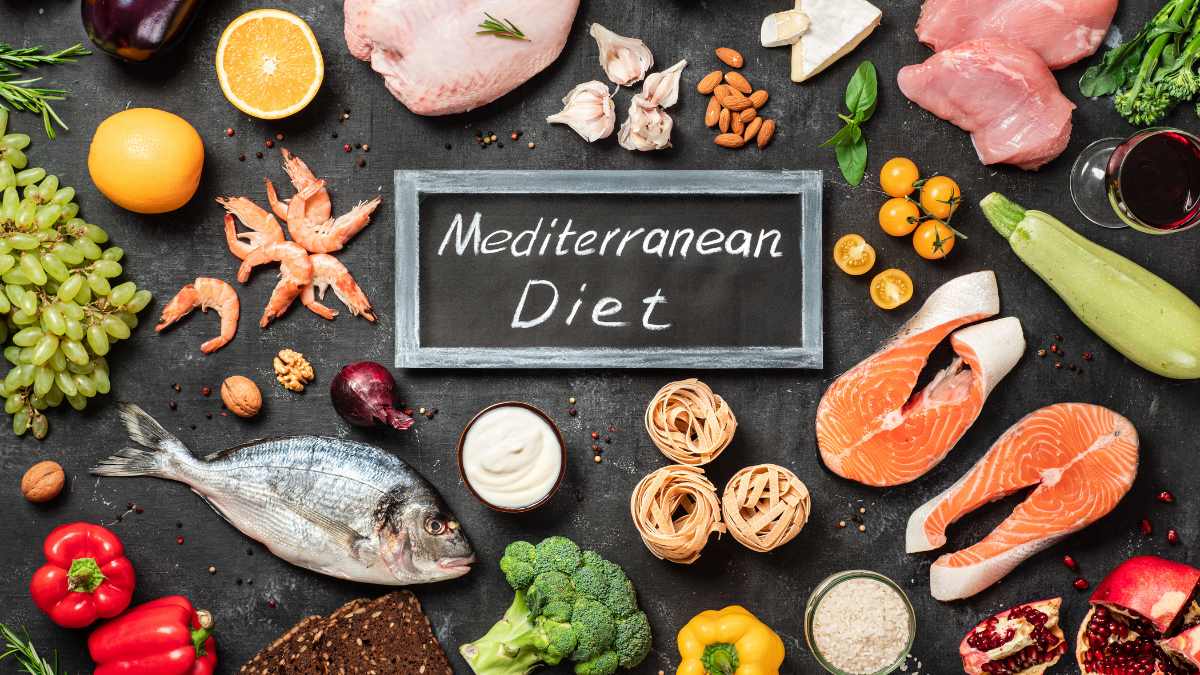

Introduction: The Mediterranean diet has long been celebrated for its health benefits and flavorful dishes. Rooted in the traditional eating habits of countries bordering the Mediterranean Sea, this diet emphasizes whole foods, healthy fats, and a balanced approach to nutrition. In this article, we will explore the principles of the Mediterranean diet, its health benefits, and provide three exemplary recipes that embody its essence.
Introduction to the Mediterranean Diet Principles
The Mediterranean diet is not just a diet but a way of life that has been followed for centuries in countries like Greece, Italy, and Spain. It focuses on consuming a variety of foods that are rich in nutrients and low in unhealthy fats. The primary components include fruits, vegetables, whole grains, legumes, nuts, and seeds. Olive oil is the main source of fat, and moderate consumption of fish, poultry, and dairy is encouraged.
One of the key principles of the Mediterranean diet is the emphasis on plant-based foods. These foods are packed with essential vitamins, minerals, and antioxidants that promote overall health. Additionally, the diet encourages the consumption of fresh, seasonal produce, which ensures that meals are nutrient-dense and flavorful.
Another important aspect is the inclusion of healthy fats, particularly from olive oil. Olive oil is rich in monounsaturated fats, which have been shown to reduce the risk of heart disease and improve cholesterol levels. The diet also allows for moderate consumption of fatty fish, such as salmon and sardines, which are high in omega-3 fatty acids.
Whole grains are a staple in the Mediterranean diet, providing a good source of fiber and essential nutrients. Foods like whole wheat bread, brown rice, and quinoa are preferred over refined grains. Legumes, such as beans, lentils, and chickpeas, are also important sources of protein and fiber.
The Mediterranean diet promotes moderate consumption of dairy products, primarily in the form of yogurt and cheese. These foods provide calcium and probiotics, which are beneficial for bone health and digestion. Red meat is limited, and instead, fish and poultry are the preferred sources of animal protein.
Lastly, the Mediterranean diet encourages the enjoyment of meals with family and friends. This social aspect of eating is believed to contribute to the overall well-being and satisfaction associated with the diet. It is not just about what you eat, but also how you eat and the lifestyle you lead.
Health Benefits of the Mediterranean Diet
The Mediterranean diet has been extensively studied for its numerous health benefits. One of the most well-documented advantages is its positive impact on cardiovascular health. Studies have shown that individuals who follow this diet have a lower risk of heart disease, stroke, and hypertension. The high intake of fruits, vegetables, and healthy fats contributes to better heart health.
Another significant benefit is the diet’s role in weight management. The Mediterranean diet is naturally low in processed foods and added sugars, which helps in maintaining a healthy weight. The high fiber content from fruits, vegetables, and whole grains also promotes satiety, reducing the likelihood of overeating.
The Mediterranean diet has also been linked to a reduced risk of type 2 diabetes. The emphasis on whole foods and healthy fats helps in maintaining stable blood sugar levels. Additionally, the diet’s anti-inflammatory properties are beneficial for individuals with insulin resistance or metabolic syndrome.
Cognitive health is another area where the Mediterranean diet shines. Research suggests that the diet may help in reducing the risk of cognitive decline and Alzheimer’s disease. The antioxidants and healthy fats present in the diet are believed to protect brain cells and improve cognitive function.
The diet’s anti-inflammatory and antioxidant properties also contribute to a lower risk of certain cancers. High consumption of fruits, vegetables, and whole grains provides essential nutrients that help in preventing the development of cancer cells. The diet’s emphasis on healthy fats and lean proteins also plays a role in cancer prevention.
Lastly, the Mediterranean diet promotes overall longevity and quality of life. The combination of nutrient-dense foods, healthy fats, and a balanced approach to eating contributes to better physical and mental health. The social aspect of the diet, which encourages shared meals and a relaxed eating environment, also enhances overall well-being.
Example 1: Traditional Greek Salad Recipe
A traditional Greek salad is a perfect example of a Mediterranean dish that is both delicious and nutritious. This salad is simple to prepare and uses fresh, seasonal ingredients that are staples in the Mediterranean diet. The key components include tomatoes, cucumbers, red onions, Kalamata olives, and feta cheese, all dressed with olive oil and oregano.
To prepare a traditional Greek salad, start by washing and chopping the vegetables. Cut the tomatoes into wedges, slice the cucumbers into rounds, and thinly slice the red onions. Place the chopped vegetables in a large salad bowl. Add a handful of Kalamata olives, which provide a rich, briny flavor and are packed with healthy fats.
Next, crumble a generous amount of feta cheese over the salad. Feta cheese is a traditional Greek cheese made from sheep’s milk or a combination of sheep’s and goat’s milk. It adds a tangy, creamy texture to the salad and is a good source of calcium and protein.
For the dressing, drizzle extra virgin olive oil over the salad. Olive oil is a cornerstone of the Mediterranean diet and provides heart-healthy monounsaturated fats. Sprinkle dried oregano over the salad for an authentic Greek flavor. You can also add a splash of red wine vinegar for a bit of acidity.
Toss the salad gently to combine all the ingredients. Be careful not to over-mix, as you want to keep the vegetables intact. The beauty of a Greek salad lies in its simplicity and the freshness of its ingredients. Serve the salad immediately, preferably with a slice of whole-grain bread to soak up the delicious dressing.
This traditional Greek salad is not only a feast for the taste buds but also a nutritional powerhouse. It is rich in vitamins, minerals, and antioxidants that promote overall health. The combination of fresh vegetables, healthy fats, and lean protein makes it a perfect example of a Mediterranean diet meal.
Example 2: Classic Italian Caprese Salad
The Caprese salad is a classic Italian dish that embodies the principles of the Mediterranean diet. Named after the island of Capri, this salad is known for its simplicity and the use of high-quality, fresh ingredients. The main components are ripe tomatoes, fresh mozzarella cheese, basil leaves, and extra virgin olive oil.
To make a Caprese salad, start by selecting the best tomatoes you can find. Heirloom tomatoes are a great choice due to their rich flavor and vibrant colors. Slice the tomatoes into thick rounds and arrange them on a serving platter. The quality of the tomatoes is crucial, as they are the star of the dish.
Next, slice fresh mozzarella cheese into rounds that are similar in size to the tomato slices. Fresh mozzarella is a soft, mild cheese that pairs perfectly with the acidity of the tomatoes. Arrange the mozzarella slices on the platter, alternating with the tomato slices to create a visually appealing pattern.
Add fresh basil leaves to the salad. Basil is a fragrant herb that adds a burst of flavor and a touch of green to the dish. Tear the basil leaves by hand and scatter them over the tomatoes and mozzarella. The combination of tomatoes, mozzarella, and basil is a classic trio in Italian cuisine.
Drizzle extra virgin olive oil over the salad. Olive oil enhances the flavors of the tomatoes and mozzarella and provides healthy monounsaturated fats. For an added touch of flavor, you can also drizzle a bit of balsamic reduction over the salad. This adds a sweet and tangy element that complements the other ingredients.
Season the salad with a pinch of sea salt and freshly ground black pepper. These simple seasonings bring out the natural flavors of the ingredients without overpowering them. The beauty of a Caprese salad lies in its simplicity and the quality of its components.
Serve the Caprese salad as an appetizer or a light main course. It is a perfect example of how the Mediterranean diet emphasizes fresh, seasonal ingredients and simple preparations. The combination of tomatoes, mozzarella, basil, and olive oil creates a dish that is both delicious and nutritious.
Example 3: Spanish Gazpacho Soup Preparation
Gazpacho is a traditional Spanish soup that is served cold and made from raw, blended vegetables. It is a refreshing and healthy dish that is perfect for hot summer days. The main ingredients include ripe tomatoes, cucumbers, bell peppers, onions, garlic, olive oil, and vinegar.
To prepare gazpacho, start by washing and chopping the vegetables. Cut the tomatoes into quarters, peel and chop the cucumbers, and dice the bell peppers and onions. Place the chopped vegetables in a blender or food processor. Add a couple of cloves of garlic for a bit of a kick.
Blend the vegetables until smooth. The consistency of gazpacho can vary depending on personal preference. Some people prefer a smooth, velvety texture, while others like a bit of chunkiness. If you prefer a smoother soup, you can strain the mixture through a fine-mesh sieve to remove any solids.
Once the vegetables are blended, add extra virgin olive oil and vinegar to the mixture. Olive oil provides healthy fats and a rich flavor, while vinegar adds acidity and brightness. Traditional gazpacho uses sherry vinegar, but red wine vinegar or apple cider vinegar can also be used.
Season the gazpacho with salt and pepper to taste. You can also add a pinch of cumin or smoked paprika for an extra layer of flavor. Chill the soup in the refrigerator for at least an hour before serving. Gazpacho is best served cold, allowing the flavors to meld together.
When ready to serve, pour the gazpacho into bowls and garnish with a drizzle of olive oil and a sprinkle of chopped fresh herbs, such as parsley or cilantro. You can also add diced vegetables or croutons for added texture. Gazpacho is a versatile dish that can be customized to suit individual tastes.
Gazpacho is a perfect example of a Mediterranean diet dish that is both healthy and delicious. It is packed with vitamins, minerals, and antioxidants from the fresh vegetables. The use of olive oil adds healthy fats, making it a well-rounded and nutritious meal.
Conclusion: Integrating Mediterranean Diet Daily
Integrating the Mediterranean diet into your daily routine is easier than you might think. Start by incorporating more fruits and vegetables into your meals. Aim to fill half your plate with these nutrient-dense foods. Choose whole grains over refined grains and include legumes in your diet for added protein and fiber.
Replace unhealthy fats with healthy fats from sources like olive oil, nuts, and seeds. Use olive oil as your primary cooking oil and drizzle it over salads and vegetables. Include fatty fish in your diet at least twice a week to benefit from the omega-3 fatty acids.
Limit your intake of red meat and processed foods. Instead, opt for lean proteins like poultry and fish. Incorporate dairy products like yogurt and cheese in moderation. These foods provide essential nutrients without the added sugars and unhealthy fats found in many processed foods.
Make an effort to enjoy meals with family and friends. The social aspect of eating is an important part of the Mediterranean diet. Sharing meals with loved ones can enhance your overall well-being and make mealtime more enjoyable.
Stay active and incorporate physical activity into your daily routine. The Mediterranean lifestyle is not just about diet but also about leading an active and balanced life. Aim for at least 30 minutes of moderate exercise most days of the week.
Lastly, be mindful of portion sizes and listen to your body’s hunger and fullness cues. The Mediterranean diet is about enjoying food in moderation and savoring each bite. By following these principles, you can reap the numerous health benefits of the Mediterranean diet and improve your overall quality of life.
Read More…
- Mayo Clinic: Mediterranean Diet – A comprehensive guide to the Mediterranean diet, including its health benefits and how to get started.
- Harvard T.H. Chan School of Public Health: The Nutrition Source – An in-depth review of the Mediterranean diet, its components, and scientific evidence supporting its health benefits.
- Oldways: Mediterranean Diet Pyramid – A visual representation of the Mediterranean diet pyramid and practical tips for incorporating it into your daily life.
- American Heart Association: Mediterranean Eating Pattern – Information on how the Mediterranean diet supports heart health and guidelines for following this eating pattern.
- National Institutes of Health: Mediterranean Diet and Health – A scientific article discussing the health benefits of the Mediterranean diet and its impact on chronic diseases.