
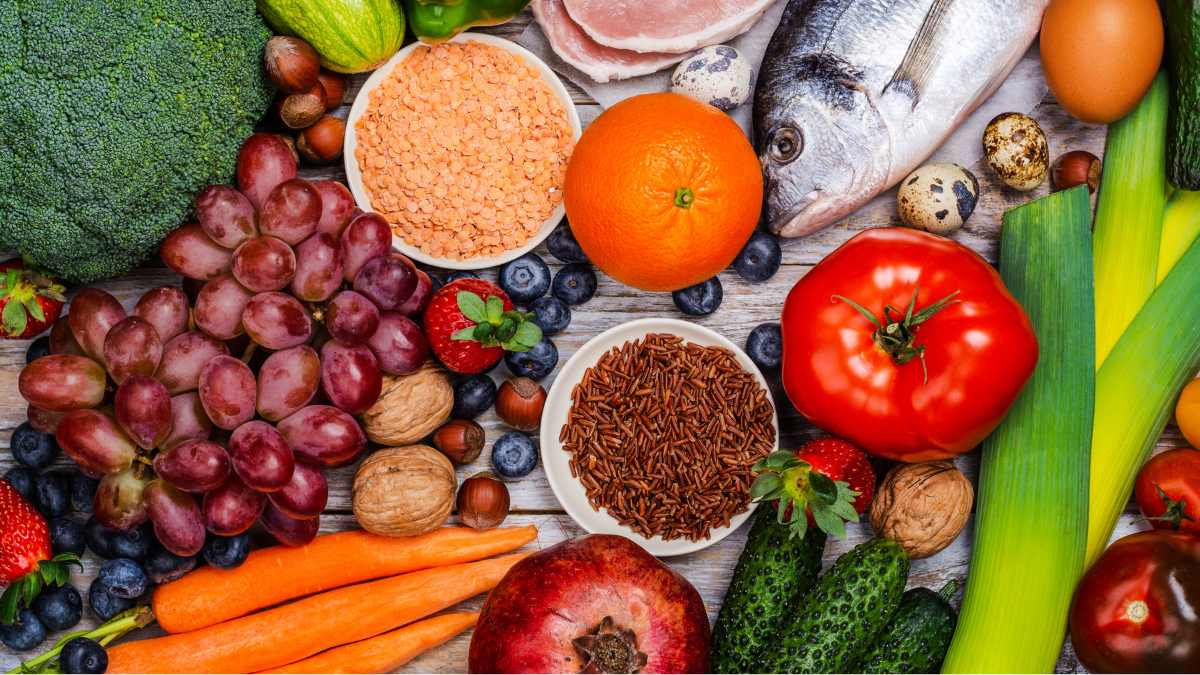

Introduction:
Mediterranean cuisine is a culinary tradition rooted in the diverse cultures surrounding the Mediterranean Sea. Known for its vibrant flavors, fresh ingredients, and health benefits, it has gained global recognition and admiration. This article delves into the intricacies of Mediterranean food, exploring its key ingredients, health benefits, traditional recipes, regional variations, and sustainable practices.
Introduction to Mediterranean Cuisine
Mediterranean cuisine is a mosaic of culinary traditions from countries like Italy, Greece, Spain, Turkey, and Morocco. Each region brings its unique flavors and techniques, but they all share a common emphasis on fresh, seasonal ingredients. This cuisine is characterized by its simplicity and reliance on natural flavors, often enhanced with herbs and spices.
The Mediterranean diet is not just about food; it’s a lifestyle. It emphasizes the importance of communal meals, enjoying food slowly, and incorporating physical activity into daily life. This holistic approach contributes to the overall well-being of those who follow it.
Historical influences have shaped Mediterranean cuisine significantly. The ancient Greeks and Romans introduced olive oil, wine, and bread, while the Arab influence brought spices, citrus fruits, and nuts. These historical layers have created a rich tapestry of flavors and techniques.
Seafood is a staple in many Mediterranean countries due to the proximity to the sea. Fish, squid, octopus, and shellfish are often grilled, baked, or stewed with vegetables and herbs. Meat is consumed less frequently, with a preference for lean options like chicken and lamb.
Vegetables play a crucial role in Mediterranean dishes. Tomatoes, eggplants, zucchinis, and bell peppers are commonly used, often roasted or grilled to bring out their natural sweetness. Legumes like chickpeas and lentils are also prevalent, providing a valuable source of plant-based protein.
Mediterranean cuisine also places a strong emphasis on dairy products, particularly cheese and yogurt. Feta, halloumi, and ricotta are just a few examples of the diverse cheeses that add depth and richness to many dishes.
Key Ingredients in Mediterranean Dishes
Olive oil is the cornerstone of Mediterranean cooking. It is used in everything from salad dressings to frying, and its health benefits are well-documented. Extra virgin olive oil, in particular, is prized for its rich flavor and high antioxidant content.
Garlic and onions are fundamental to Mediterranean cuisine. They form the base of many sauces, soups, and stews, providing a depth of flavor that is both robust and aromatic. These alliums are often sautéed in olive oil to release their natural sweetness.
Herbs and spices are essential in Mediterranean cooking. Oregano, basil, thyme, rosemary, and parsley are commonly used fresh or dried. Spices like cumin, coriander, and saffron add complexity and warmth to various dishes.
Tomatoes are another key ingredient, used in sauces, salads, and as a base for many dishes. Whether fresh, canned, or sun-dried, tomatoes provide a vibrant acidity that balances the richness of other ingredients.
Whole grains such as bulgur, farro, and couscous are staples in Mediterranean diets. They are often used in salads, pilafs, and as accompaniments to main dishes. These grains are not only nutritious but also versatile, absorbing the flavors of the ingredients they are paired with.
Nuts and seeds, including almonds, pine nuts, and sesame seeds, are frequently used in Mediterranean cuisine. They add texture and flavor to dishes and are often incorporated into sauces, salads, and desserts.
Health Benefits of Mediterranean Diet
The Mediterranean diet is renowned for its health benefits, which have been extensively studied and documented. It is associated with a reduced risk of chronic diseases such as heart disease, diabetes, and certain cancers. The diet’s emphasis on fresh, whole foods contributes to its health-promoting properties.
One of the key health benefits of the Mediterranean diet is its positive impact on cardiovascular health. The high intake of monounsaturated fats from olive oil, combined with the consumption of omega-3 fatty acids from fish, helps to lower bad cholesterol levels and reduce the risk of heart disease.
The diet is also rich in antioxidants, thanks to the abundance of fruits, vegetables, nuts, and seeds. These antioxidants help to combat oxidative stress and inflammation, which are linked to various chronic diseases. The consumption of red wine in moderation is also believed to contribute to these benefits.
Weight management is another advantage of the Mediterranean diet. The emphasis on whole grains, lean proteins, and healthy fats helps to promote satiety and prevent overeating. Additionally, the diet’s focus on physical activity and mindful eating supports a healthy lifestyle.
The Mediterranean diet is also beneficial for mental health. Studies have shown that it can reduce the risk of depression and cognitive decline. The diet’s anti-inflammatory properties, combined with the consumption of omega-3 fatty acids and antioxidants, are believed to support brain health.
Gut health is another area where the Mediterranean diet excels. The high fiber content from fruits, vegetables, legumes, and whole grains promotes a healthy digestive system. Fermented foods like yogurt and kefir also contribute to a balanced gut microbiome.
Traditional Mediterranean Recipes
One of the most iconic Mediterranean dishes is the Greek salad. Made with fresh tomatoes, cucumbers, red onions, olives, and feta cheese, it is dressed with olive oil, lemon juice, and oregano. This simple yet flavorful salad is a staple in Greek cuisine.
Paella is a traditional Spanish dish that showcases the region’s love for seafood and rice. It is made with saffron-infused rice, a variety of seafood like shrimp, clams, and mussels, and often includes chicken and chorizo. The dish is cooked in a wide, shallow pan to create a crispy layer of rice at the bottom.
Italian cuisine offers a plethora of traditional dishes, but one of the most beloved is pasta al pomodoro. This simple dish features pasta tossed in a fresh tomato sauce made with garlic, basil, and extra virgin olive oil. It exemplifies the Italian philosophy of using high-quality ingredients to create delicious meals.
Moroccan tagine is a slow-cooked stew named after the earthenware pot in which it is cooked. It typically includes meat, such as lamb or chicken, along with a variety of vegetables, dried fruits, and spices like cumin, coriander, and cinnamon. The result is a rich, flavorful dish that is both savory and sweet.
Turkish meze is a selection of small dishes served as appetizers or a light meal. It includes a variety of items such as hummus, baba ghanoush, stuffed grape leaves, and grilled vegetables. Meze is often enjoyed with flatbread and is a perfect example of the Mediterranean tradition of sharing food.
Lebanese tabbouleh is a refreshing salad made with bulgur wheat, parsley, mint, tomatoes, and cucumbers. It is dressed with lemon juice and olive oil, creating a light and zesty dish that is perfect for warm weather. Tabbouleh is a staple in Lebanese cuisine and is often served as part of a mezze platter.
Regional Variations in Mediterranean Food
Italian cuisine varies significantly from region to region. In the north, dishes are often richer and creamier, with a focus on dairy products like butter and cheese. In contrast, southern Italian cuisine is characterized by its use of olive oil, tomatoes, and seafood. Each region has its unique pasta shapes and traditional dishes.
Greek cuisine also exhibits regional diversity. In the islands, seafood is the star of the show, with dishes like grilled octopus and fish stews. Mainland Greece, on the other hand, features heartier dishes like moussaka and souvlaki. The use of herbs and spices varies, reflecting the local flora and historical influences.
Spanish cuisine is a tapestry of regional specialties. In the north, the Basque Country is known for its pintxos, small snacks often served on bread. The region of Andalusia in the south is famous for its gazpacho, a cold tomato soup perfect for hot summer days. Each region brings its unique flavors and ingredients to the table.
Turkish cuisine is influenced by its diverse geography and history. Coastal regions focus on seafood, while inland areas feature more meat and dairy products. The use of spices and herbs varies, with some regions favoring bold flavors and others opting for more subtle seasoning.
Moroccan cuisine is a blend of Berber, Arab, and French influences. Coastal areas feature seafood dishes, while inland regions are known for their tagines and couscous. The use of spices is a hallmark of Moroccan cooking, with blends like ras el hanout adding depth and complexity to dishes.
Lebanese cuisine is known for its fresh, vibrant flavors. Coastal regions focus on seafood, while mountainous areas feature heartier dishes like kibbeh and lamb stews. The use of fresh herbs, citrus, and olive oil is prevalent throughout the country, creating a cuisine that is both flavorful and healthy.
Sustainability in Mediterranean Food Practices
Sustainability is a core principle of Mediterranean food practices. The emphasis on seasonal, locally-sourced ingredients reduces the carbon footprint associated with food production and transportation. This approach supports local farmers and promotes biodiversity.
The Mediterranean diet’s reliance on plant-based foods also contributes to its sustainability. Fruits, vegetables, legumes, and whole grains have a lower environmental impact compared to meat and dairy products. This plant-forward approach is not only healthier but also more sustainable.
Fishing practices in the Mediterranean region are often more sustainable compared to other parts of the world. Many communities rely on traditional, small-scale fishing methods that help to preserve marine ecosystems. The focus on local, seasonal seafood also reduces the pressure on fish populations.
Water conservation is another important aspect of Mediterranean food practices. The cultivation of drought-resistant crops like olives, grapes, and certain grains helps to reduce water usage. Traditional farming methods, such as terracing, also contribute to efficient water management.
Waste reduction is a key component of Mediterranean food practices. The emphasis on fresh, whole foods means less packaging waste. Additionally, many traditional recipes make use of leftovers and minimize food waste, reflecting a resourceful and sustainable approach to cooking.
Community and social sustainability are also integral to Mediterranean food practices. The tradition of communal meals and sharing food fosters social connections and strengthens community bonds. This holistic approach to food and eating promotes overall well-being and sustainability.
Conclusion:
Mediterranean cuisine is a rich and diverse culinary tradition that offers a wealth of flavors, health benefits, and sustainable practices. From its key ingredients and traditional recipes to its regional variations and emphasis on sustainability, Mediterranean food is a testament to the importance of fresh, seasonal ingredients and mindful eating. By embracing the principles of the Mediterranean diet, we can enjoy delicious meals while supporting our health and the environment.
Read More…
- Oldways: Mediterranean Diet – A comprehensive guide to the Mediterranean diet, including its history, key components, and health benefits.
- Harvard T.H. Chan School of Public Health: The Nutrition Source – Provides an in-depth look at the Mediterranean diet and its impact on health.
- Mayo Clinic: Mediterranean Diet – Offers practical advice on how to incorporate the Mediterranean diet into your daily life.
- BBC Good Food: Mediterranean Recipes – A collection of traditional Mediterranean recipes to try at home.
- National Geographic: The Science of the Mediterranean Diet – Explores the scientific research behind the health benefits of the Mediterranean diet.