

Se hai un abbonamento attivo ACCEDI QUI
Introduction: The Mediterranean diet is renowned for its numerous health benefits and rich flavors. It’s based on the traditional eating habits of people living in countries bordering the Mediterranean Sea. This diet emphasizes whole grains, fresh fruits and vegetables, healthy fats, and lean proteins. Understanding the components of the Mediterranean diet can help you incorporate these beneficial foods into your daily routine.
Introduction to the Mediterranean Diet Components
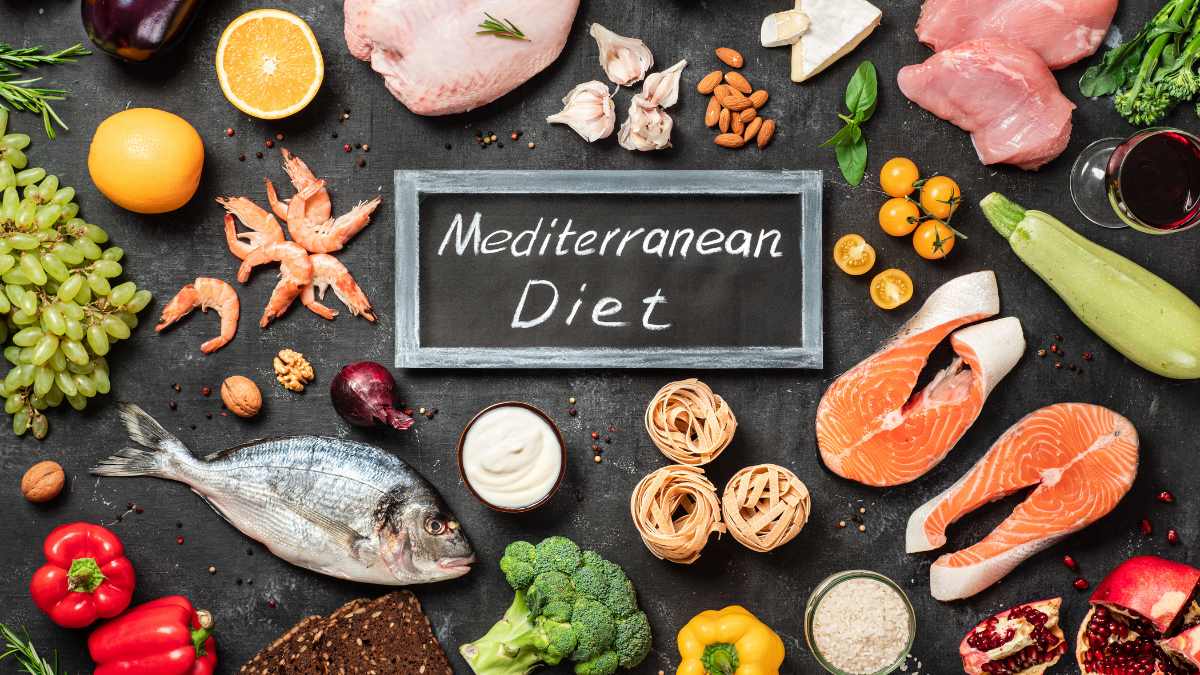
The Mediterranean diet is not just a diet but a lifestyle that includes a variety of nutrient-rich foods. This diet is characterized by its emphasis on plant-based foods, healthy fats, and lean proteins. It also encourages the consumption of whole grains and moderate wine intake, particularly red wine.
A key component of the Mediterranean diet is the high intake of fruits and vegetables. These foods are rich in vitamins, minerals, and antioxidants, which are essential for maintaining good health. The diet also includes a significant amount of whole grains, which provide fiber and other important nutrients.
Healthy fats, particularly olive oil, are another cornerstone of the Mediterranean diet. Olive oil is a primary source of fat and is used in cooking, dressings, and as a condiment. Nuts and seeds also contribute to the healthy fat intake in this diet.
Lean proteins, such as fish, poultry, and legumes, are important components of the Mediterranean diet. These proteins are lower in saturated fat compared to red meat and provide essential amino acids necessary for muscle repair and growth.
The Mediterranean diet also includes moderate consumption of dairy products, mainly in the form of cheese and yogurt. These foods provide calcium and probiotics, which are beneficial for bone health and digestion.
Finally, the Mediterranean diet encourages the consumption of herbs and spices instead of salt to flavor foods. This not only enhances the taste but also provides additional health benefits.
Health Benefits of Mediterranean Diet Foods
The Mediterranean diet is associated with numerous health benefits, primarily due to its emphasis on nutrient-dense foods. One of the most significant benefits is its potential to reduce the risk of cardiovascular diseases. Studies have shown that individuals who follow the Mediterranean diet have lower levels of LDL cholesterol and higher levels of HDL cholesterol.
Another health benefit of the Mediterranean diet is its anti-inflammatory properties. The diet is rich in antioxidants and omega-3 fatty acids, which help reduce inflammation in the body. This can be particularly beneficial for individuals with chronic inflammatory conditions such as arthritis.
The Mediterranean diet is also linked to improved brain health. The high intake of fruits, vegetables, and healthy fats supports cognitive function and may reduce the risk of neurodegenerative diseases such as Alzheimer’s. The diet’s emphasis on whole grains and legumes also provides a steady source of energy, which is crucial for brain function.
Weight management is another advantage of the Mediterranean diet. The diet’s focus on whole, unprocessed foods and its balanced approach to macronutrients can help individuals maintain a healthy weight. The high fiber content from fruits, vegetables, and whole grains promotes satiety, reducing the likelihood of overeating.
Additionally, the Mediterranean diet supports gut health. The high intake of fiber from plant-based foods promotes a healthy gut microbiome, which is essential for digestion and overall health. The inclusion of fermented dairy products like yogurt also provides probiotics that support gut health.
Lastly, the Mediterranean diet may reduce the risk of certain cancers. The diet’s emphasis on antioxidant-rich foods, such as fruits and vegetables, helps protect cells from damage. Studies have shown that individuals who follow the Mediterranean diet have a lower risk of developing cancers such as breast cancer and colorectal cancer.
Whole Grains: Foundation of Mediterranean Eating
Whole grains are a fundamental component of the Mediterranean diet, providing a rich source of fiber, vitamins, and minerals. Unlike refined grains, whole grains include the entire grain kernel, which consists of the bran, germ, and endosperm. This makes them more nutritious and beneficial for health.
One of the primary whole grains consumed in the Mediterranean diet is wheat, particularly in the form of whole wheat bread and pasta. These foods are staples in Mediterranean cuisine and provide a steady source of energy. Whole wheat products are also rich in B vitamins, which are essential for energy metabolism.
Another important whole grain in the Mediterranean diet is barley. Barley is often used in soups, stews, and salads. It is high in soluble fiber, which can help lower cholesterol levels and improve heart health. Barley also has a low glycemic index, making it a good choice for individuals with diabetes.
Oats are also commonly consumed in the Mediterranean diet. Oats are known for their high fiber content, particularly beta-glucan, which has been shown to reduce cholesterol levels and improve heart health. Oats are often eaten as a breakfast cereal or used in baking.
Quinoa, although not traditionally Mediterranean, has become a popular whole grain in the diet due to its high protein content and nutritional profile. Quinoa is a complete protein, meaning it contains all nine essential amino acids. It is also gluten-free, making it suitable for individuals with gluten intolerance.
Brown rice is another whole grain that is included in the Mediterranean diet. Unlike white rice, brown rice retains its bran and germ, making it more nutritious. Brown rice is a good source of magnesium, which is important for bone health, and selenium, which supports immune function.
Lastly, bulgur is a whole grain commonly used in Mediterranean dishes such as tabbouleh. Bulgur is made from cracked wheat and is quick to cook. It is high in fiber and protein, making it a filling and nutritious addition to meals.
Incorporating Fresh Fruits and Vegetables
Fresh fruits and vegetables are a cornerstone of the Mediterranean diet, providing essential vitamins, minerals, and antioxidants. These foods are consumed in large quantities and in a variety of forms, including raw, cooked, and juiced.
One of the key benefits of consuming fresh fruits and vegetables is their high vitamin content. Vitamins such as vitamin C, found in citrus fruits, and vitamin A, found in leafy greens, are crucial for immune function and skin health. These vitamins also act as antioxidants, protecting the body from oxidative stress.
Minerals such as potassium, found in bananas and tomatoes, and magnesium, found in leafy greens and nuts, are also abundant in fresh fruits and vegetables. These minerals are essential for maintaining healthy blood pressure and supporting muscle and nerve function.
The fiber content in fresh fruits and vegetables is another important aspect of the Mediterranean diet. Fiber aids in digestion, helps maintain healthy blood sugar levels, and promotes satiety. High-fiber foods such as apples, berries, and broccoli are particularly beneficial for digestive health.
Antioxidants, which are abundant in fresh fruits and vegetables, play a crucial role in protecting the body from chronic diseases. Foods such as berries, tomatoes, and spinach are rich in antioxidants like flavonoids and carotenoids. These compounds help reduce inflammation and protect cells from damage.
Incorporating a variety of fresh fruits and vegetables into your diet can also support weight management. These foods are low in calories but high in volume, helping you feel full without consuming excess calories. This can be particularly beneficial for individuals looking to maintain or lose weight.
Finally, fresh fruits and vegetables add flavor, color, and texture to meals, making them more enjoyable and satisfying. The Mediterranean diet encourages the consumption of a wide range of fruits and vegetables, ensuring that you get a diverse array of nutrients and flavors.
Healthy Fats: Olive Oil and Nuts Explained
Healthy fats are a key component of the Mediterranean diet, with olive oil and nuts being the primary sources. These fats are essential for overall health and provide numerous benefits, including supporting heart health and reducing inflammation.
Olive oil is the most commonly used fat in the Mediterranean diet. It is rich in monounsaturated fats, which have been shown to reduce LDL cholesterol levels and increase HDL cholesterol levels. Olive oil is also high in antioxidants, particularly polyphenols, which help protect the body from oxidative stress.
Extra virgin olive oil, which is the least processed form of olive oil, retains the highest levels of antioxidants and nutrients. It is often used in cooking, dressings, and as a condiment. The consumption of extra virgin olive oil has been linked to a reduced risk of cardiovascular diseases and improved overall health.
Nuts are another important source of healthy fats in the Mediterranean diet. Nuts such as almonds, walnuts, and pistachios are rich in monounsaturated and polyunsaturated fats, which support heart health. They are also high in protein, fiber, and essential vitamins and minerals.
Almonds, for example, are a good source of vitamin E, an antioxidant that supports skin health and protects cells from damage. Walnuts are particularly high in omega-3 fatty acids, which have anti-inflammatory properties and support brain health. Pistachios are rich in fiber and protein, making them a satisfying snack.
In addition to their healthy fat content, nuts also provide important minerals such as magnesium, potassium, and calcium. These minerals are essential for maintaining healthy blood pressure, supporting bone health, and regulating muscle and nerve function.
Incorporating olive oil and nuts into your diet is relatively easy. Olive oil can be used in cooking, drizzled over salads, or used as a dip for bread. Nuts can be eaten as a snack, added to salads, or used in baking. Moderation is key, as nuts are calorie-dense, but their health benefits make them a valuable addition to the Mediterranean diet.
Lean Proteins: Fish, Poultry, and Legumes
Lean proteins are a crucial component of the Mediterranean diet, providing essential amino acids needed for muscle repair and growth. The diet emphasizes fish, poultry, and legumes as primary sources of protein, which are lower in saturated fat compared to red meat.
Fish, particularly fatty fish such as salmon, mackerel, and sardines, are rich in omega-3 fatty acids. These healthy fats have been shown to reduce inflammation, support heart health, and improve brain function. The Mediterranean diet recommends consuming fish at least twice a week.
Poultry, such as chicken and turkey, is another important source of lean protein in the Mediterranean diet. Poultry is lower in saturated fat compared to red meat and provides essential nutrients such as B vitamins and selenium. It is often prepared using healthy cooking methods such as grilling, baking, or roasting.
Legumes, including beans, lentils, and chickpeas, are a staple in the Mediterranean diet. They are an excellent source of plant-based protein, fiber, and essential nutrients such as iron and folate. Legumes are also low in fat and have a low glycemic index, making them a good choice for individuals with diabetes.
Chickpeas, for example, are commonly used in Mediterranean dishes such as hummus and falafel. They are high in protein and fiber, which help promote satiety and support digestive health. Lentils are another versatile legume that can be used in soups, stews, and salads.
Beans, including black beans, kidney beans, and cannellini beans, are also widely consumed in the Mediterranean diet. They are rich in protein, fiber, and antioxidants, which support heart health and reduce inflammation. Beans can be used in a variety of dishes, from soups and stews to salads and casseroles.
Incorporating lean proteins into your diet is essential for maintaining muscle mass and overall health. The Mediterranean diet encourages the consumption of a variety of lean proteins, ensuring that you get a diverse array of nutrients. By choosing fish, poultry, and legumes over red meat, you can reduce your intake of saturated fat and support heart health.
Conclusion: The Mediterranean diet is a well-balanced and nutrient-rich eating pattern that offers numerous health benefits. By understanding and incorporating the key components of the Mediterranean diet, including whole grains, fresh fruits and vegetables, healthy fats, and lean proteins, you can improve your overall health and well-being. This diet not only supports heart health and weight management but also promotes brain health, reduces inflammation, and supports gut health. Embracing the Mediterranean diet can lead to a healthier and more enjoyable way of eating.
Read More…
-
Harvard T.H. Chan School of Public Health – The Nutrition Source: Mediterranean Diet
- This source provides an in-depth overview of the Mediterranean diet, including its health benefits and key components.
-
Mayo Clinic – Mediterranean Diet: A Heart-Healthy Eating Plan
- This article from the Mayo Clinic explains the heart health benefits of the Mediterranean diet and offers practical tips for incorporating it into your daily routine.
-
American Heart Association – The Mediterranean Diet
- The American Heart Association provides a detailed guide to the Mediterranean diet, including its impact on heart health and guidelines for following the diet.
-
Oldways – Mediterranean Diet Pyramid
- Oldways offers a visual representation of the Mediterranean diet pyramid, along with resources and recipes to help you adopt this eating pattern.
-
PubMed – Health Benefits of the Mediterranean Diet: Metabolic and Molecular Mechanisms
- This scientific article explores the metabolic and molecular mechanisms behind the health benefits of the Mediterranean diet, providing evidence-based insights into its effectiveness.