
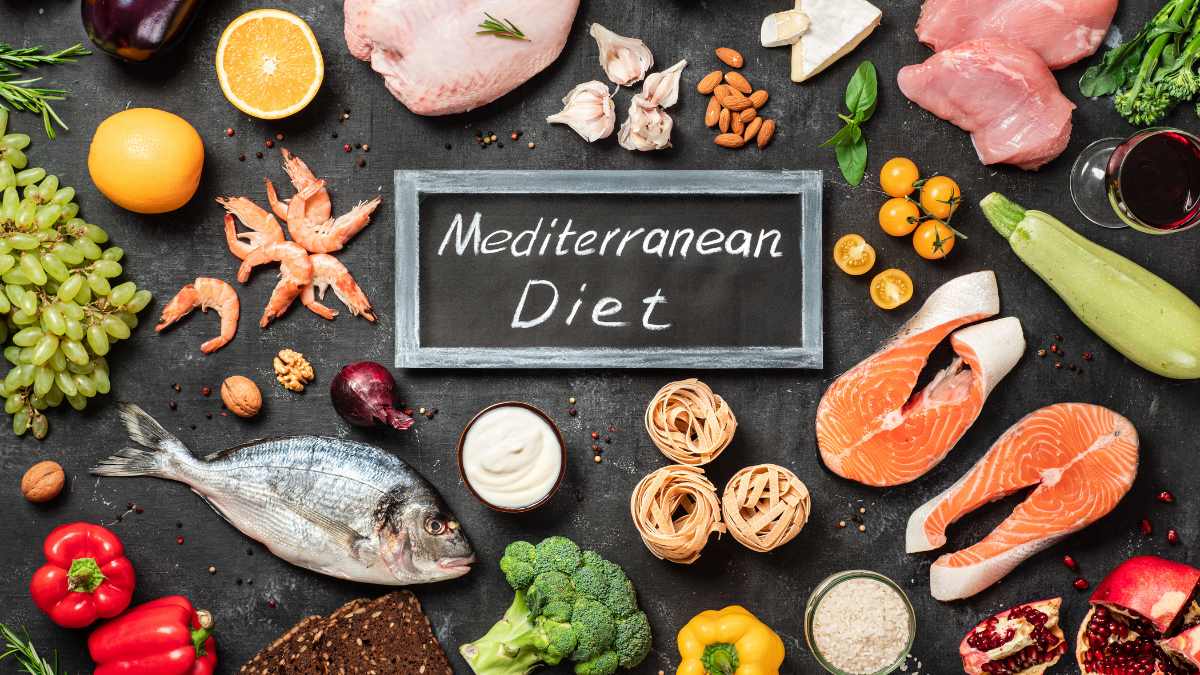

Introduction: The Mediterranean Fat Burning Diet has garnered significant attention for its potential to promote weight loss and improve overall health. Rooted in the traditional eating habits of countries bordering the Mediterranean Sea, this diet emphasizes whole foods, healthy fats, and a balanced intake of nutrients. In this article, we will delve into the key principles, nutritional benefits, scientific evidence, practical tips, and common misconceptions surrounding the Mediterranean Fat Burning Diet.
Introduction to the Mediterranean Fat Burning Diet
The Mediterranean Fat Burning Diet is not just a weight loss plan; it’s a lifestyle rooted in the dietary traditions of Mediterranean countries. This diet focuses on consuming a variety of whole foods, including fruits, vegetables, whole grains, nuts, seeds, and healthy fats, particularly from olive oil. Unlike many restrictive diets, it allows for moderate consumption of fish, poultry, dairy, and even red wine.
One of the core principles of this diet is its emphasis on healthy fats. Olive oil, a staple in Mediterranean cuisine, is rich in monounsaturated fats, which are known to support heart health and aid in weight management. Additionally, the diet encourages the consumption of fatty fish, such as salmon and sardines, which are high in omega-3 fatty acids.
Another key aspect is the diet’s focus on plant-based foods. Fruits and vegetables are consumed in abundance, providing essential vitamins, minerals, and antioxidants. Whole grains, such as quinoa and barley, are preferred over refined grains, contributing to sustained energy levels and improved digestion.
The Mediterranean Fat Burning Diet also promotes mindful eating and portion control. Meals are often enjoyed slowly and in a social setting, allowing individuals to savor their food and recognize satiety cues. This approach not only aids in weight management but also enhances the overall dining experience.
Physical activity is another integral component of the Mediterranean lifestyle. Regular exercise, whether through structured workouts or daily activities like walking and gardening, complements the dietary habits and supports overall health and weight loss goals.
In summary, the Mediterranean Fat Burning Diet is a holistic approach to eating and living that prioritizes whole foods, healthy fats, and an active lifestyle. Its emphasis on balance and moderation makes it a sustainable and enjoyable way to achieve and maintain a healthy weight.
Key Principles of the Mediterranean Diet
The Mediterranean Diet is built on several foundational principles that distinguish it from other dietary approaches. First and foremost is the emphasis on whole, minimally processed foods. This means prioritizing fresh fruits and vegetables, whole grains, legumes, nuts, and seeds, while minimizing the intake of processed foods and refined sugars.
Healthy fats play a crucial role in the Mediterranean Diet. Olive oil is the primary source of fat, providing monounsaturated fats that support heart health and weight management. Additionally, the diet includes fatty fish, such as salmon and mackerel, which are rich in omega-3 fatty acids known for their anti-inflammatory properties.
Another key principle is the moderate consumption of animal products. While red meat is limited, the diet allows for moderate intake of poultry, eggs, and dairy products, particularly yogurt and cheese. Fish and seafood are encouraged at least twice a week, providing essential nutrients like protein and omega-3 fatty acids.
The Mediterranean Diet also emphasizes the importance of herbs and spices for flavoring food instead of relying on salt. This not only enhances the taste of meals but also provides additional health benefits from the various phytochemicals found in herbs and spices.
Social and mindful eating are integral to the Mediterranean lifestyle. Meals are often shared with family and friends, fostering a sense of community and enjoyment. Eating slowly and savoring each bite helps individuals tune into their hunger and fullness cues, promoting better portion control and digestion.
Lastly, regular physical activity is a cornerstone of the Mediterranean Diet. This includes both structured exercise and daily activities like walking, gardening, and household chores. The combination of a nutrient-rich diet and an active lifestyle contributes to overall health and weight management.
Nutritional Benefits and Fat Burning Mechanisms
The Mediterranean Diet offers a plethora of nutritional benefits that contribute to its fat-burning potential. One of the primary advantages is its high content of healthy fats, particularly monounsaturated fats from olive oil. These fats help reduce inflammation, improve cholesterol levels, and promote satiety, which can aid in weight management.
Fiber is another critical component of the Mediterranean Diet. Fruits, vegetables, whole grains, and legumes are all rich in dietary fiber, which aids in digestion, helps regulate blood sugar levels, and promotes a feeling of fullness. This can prevent overeating and support weight loss efforts.
The diet’s emphasis on lean protein sources, such as fish, poultry, and legumes, provides essential amino acids needed for muscle maintenance and repair. Protein also has a higher thermic effect compared to fats and carbohydrates, meaning the body burns more calories digesting protein, which can boost metabolism and support fat loss.
Antioxidants and phytochemicals found in fruits, vegetables, nuts, and seeds play a crucial role in the Mediterranean Diet. These compounds help combat oxidative stress and inflammation, which are linked to obesity and metabolic disorders. By reducing inflammation, the diet can improve metabolic health and enhance fat-burning processes.
The Mediterranean Diet’s balanced approach to carbohydrates is another factor in its fat-burning efficacy. Whole grains and legumes provide complex carbohydrates that are digested slowly, leading to stable blood sugar levels and sustained energy. This prevents the spikes and crashes associated with refined carbohydrates, reducing the likelihood of overeating and fat storage.
Lastly, the diet’s inclusion of moderate amounts of red wine, particularly rich in resveratrol, has been shown to have potential fat-burning properties. Resveratrol is a polyphenol that may enhance fat oxidation and improve insulin sensitivity, contributing to weight management.
Scientific Evidence Supporting the Diet’s Effectiveness
Numerous scientific studies have highlighted the effectiveness of the Mediterranean Diet in promoting weight loss and improving overall health. One landmark study, the PREDIMED trial, demonstrated that individuals following a Mediterranean Diet supplemented with extra-virgin olive oil or nuts experienced significant weight loss and a reduction in waist circumference compared to those on a low-fat diet.
Another study published in the "New England Journal of Medicine" found that the Mediterranean Diet was more effective for long-term weight loss and cardiovascular health compared to a low-fat diet. Participants on the Mediterranean Diet not only lost more weight but also had better improvements in cholesterol levels and blood pressure.
Research has also shown that the Mediterranean Diet can improve metabolic health. A study in "Diabetes Care" reported that individuals with type 2 diabetes who followed the Mediterranean Diet had better glycemic control and required fewer diabetes medications than those on a low-fat diet. This suggests that the diet’s balanced macronutrient composition can help manage blood sugar levels and reduce insulin resistance.
The anti-inflammatory properties of the Mediterranean Diet have been well-documented. A review in the "Journal of the American College of Cardiology" highlighted that the diet’s high content of antioxidants and healthy fats can reduce markers of inflammation, which are linked to obesity and metabolic syndrome. By lowering inflammation, the diet can enhance metabolic health and support weight loss.
Additionally, the Mediterranean Diet has been associated with a lower risk of developing chronic diseases. A meta-analysis in the "British Medical Journal" found that adherence to the Mediterranean Diet was linked to a reduced risk of cardiovascular disease, cancer, and overall mortality. This underscores the diet’s potential to promote long-term health and longevity.
Finally, the Mediterranean Diet’s impact on gut health has been explored in recent research. A study in "Gut" journal found that adherence to the Mediterranean Diet was associated with a more diverse and stable gut microbiome. A healthy gut microbiome is crucial for digestion, nutrient absorption, and overall metabolic health, all of which can influence weight management.
Practical Tips for Implementing the Diet
Implementing the Mediterranean Diet can be straightforward with a few practical tips. Start by incorporating more fruits and vegetables into your meals. Aim to fill half your plate with a variety of colorful produce to ensure you’re getting a range of vitamins, minerals, and antioxidants.
Next, switch to whole grains instead of refined grains. Choose options like quinoa, barley, and whole wheat bread over white rice and pasta. Whole grains provide more fiber and nutrients, helping to keep you full and satisfied while supporting digestive health.
Incorporate healthy fats into your diet by using olive oil as your primary cooking fat. Drizzle it over salads, use it in dressings, and cook your vegetables and proteins with it. Additionally, include nuts and seeds as snacks or add them to your meals for an extra boost of healthy fats and protein.
Make fish a regular part of your diet. Aim to eat fatty fish like salmon, mackerel, and sardines at least twice a week. These fish are rich in omega-3 fatty acids, which support heart health and have anti-inflammatory properties. If you’re not a fan of fish, consider taking a high-quality fish oil supplement.
Don’t forget the importance of herbs and spices. Use them generously to flavor your dishes instead of relying on salt. Herbs like basil, oregano, and rosemary, and spices like turmeric and cumin, not only enhance the taste of your food but also provide additional health benefits.
Lastly, focus on the social aspect of eating. Whenever possible, share meals with family and friends. Enjoying food in a relaxed, communal setting can improve your relationship with food, reduce stress, and promote mindful eating. This can help you recognize your hunger and fullness cues, leading to better portion control and overall satisfaction.
Common Misconceptions and FAQs about the Diet
One common misconception about the Mediterranean Diet is that it is expensive and difficult to follow. While some ingredients like olive oil and fresh fish can be pricier, many staples of the diet, such as beans, lentils, whole grains, and seasonal fruits and vegetables, are affordable. Planning meals and buying in bulk can also help manage costs.
Another misconception is that the diet is high in fat and therefore unhealthy. While the Mediterranean Diet does include healthy fats, particularly from olive oil and fish, these fats are beneficial for heart health and weight management. The key is the quality of fats consumed, not the quantity.
Some people believe that the Mediterranean Diet is only suitable for those living in Mediterranean countries. However, the principles of the diet can be adapted to any cuisine and culture. The focus is on whole, minimally processed foods, healthy fats, and a balanced intake of nutrients, which can be applied globally.
A frequently asked question is whether the Mediterranean Diet can accommodate dietary restrictions, such as vegetarianism or gluten intolerance. The diet is highly flexible and can be easily modified to meet individual needs. For vegetarians, plant-based proteins like beans, lentils, and tofu can replace meat and fish. Those with gluten intolerance can choose gluten-free grains like quinoa and rice.
Another FAQ is about the role of wine in the Mediterranean Diet. While moderate consumption of red wine is a part of the traditional diet, it is not necessary for everyone. If you don’t drink alcohol, you can still reap the benefits of the diet by focusing on other components like fruits, vegetables, whole grains, and healthy fats.
Lastly, some people wonder if the Mediterranean Diet is effective for weight loss. Numerous studies have shown that the diet can promote weight loss and improve metabolic health. Its emphasis on whole foods, healthy fats, and balanced nutrition supports sustainable weight management and overall well-being.
Conclusion: The Mediterranean Fat Burning Diet offers a holistic approach to weight loss and health improvement, rooted in the traditional eating habits of Mediterranean countries. By focusing on whole foods, healthy fats, and balanced nutrition, this diet supports sustainable weight management and overall well-being. Scientific evidence underscores its effectiveness, and practical tips can help individuals implement the diet in their daily lives. Addressing common misconceptions ensures a clear understanding of the diet’s principles and benefits.
Read More…
- PREDIMED Study: A comprehensive study on the effects of the Mediterranean Diet on cardiovascular health and weight loss.
- New England Journal of Medicine: Research articles on the long-term benefits of the Mediterranean Diet for weight loss and metabolic health.
- Diabetes Care: Studies highlighting the impact of the Mediterranean Diet on glycemic control and diabetes management.
- Journal of the American College of Cardiology: Reviews and articles on the anti-inflammatory properties of the Mediterranean Diet.
- Gut Journal: Research on the relationship between the Mediterranean Diet and gut microbiome health.