
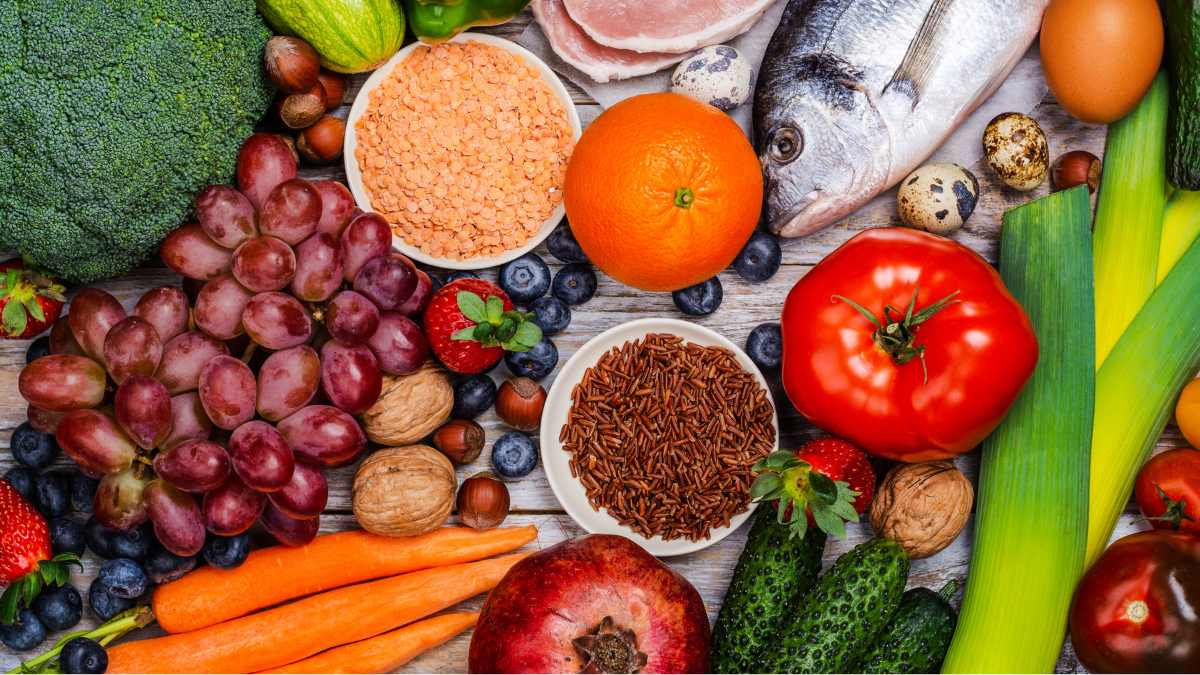

Introduction: The Mediterranean diet is widely acclaimed for its health benefits, particularly its role in promoting heart health and longevity. A key component of this diet is the balanced intake of various food groups, including fruits, vegetables, whole grains, and proteins. Among the protein sources, meat plays a significant role but is consumed in moderation. This article delves into the specifics of weekly meat consumption within the Mediterranean diet, exploring its nutritional benefits, recommended types and portions, and its overall impact on health and sustainability.
Understanding the Mediterranean Diet Basics
The Mediterranean diet is rooted in the traditional eating habits of countries bordering the Mediterranean Sea, such as Greece, Italy, and Spain. It emphasizes the consumption of plant-based foods, healthy fats, and lean proteins. The diet is rich in fruits, vegetables, whole grains, legumes, nuts, and seeds, with olive oil being the primary source of fat.
Fish and seafood are encouraged at least twice a week, while poultry, eggs, and dairy products are consumed in moderate amounts. Red meat and sweets are limited, often reserved for special occasions. This dietary pattern is not just about specific foods but also about enjoying meals with family and friends, and incorporating physical activity into daily routines.
The Mediterranean diet is not a strict regimen but a flexible guideline that allows for variations based on personal preferences and cultural differences. It promotes a balanced approach to eating, focusing on whole, minimally processed foods. The diet’s emphasis on variety and moderation helps ensure a wide range of nutrients and flavors.
One of the key principles of the Mediterranean diet is the use of fresh, seasonal ingredients. This not only enhances the nutritional quality of the meals but also supports local agriculture and reduces the environmental impact associated with food transportation.
In addition to its nutritional benefits, the Mediterranean diet is associated with a lower risk of chronic diseases, such as cardiovascular disease, diabetes, and certain cancers. This is attributed to its high content of antioxidants, anti-inflammatory compounds, and healthy fats.
Overall, the Mediterranean diet is a holistic approach to eating that promotes health and well-being through a balanced and varied intake of nutrient-dense foods. Understanding its basics is crucial for appreciating how meat fits into this dietary pattern.
Nutritional Benefits of Weekly Meat Intake
Meat, when consumed in moderation, can be a valuable source of essential nutrients in the Mediterranean diet. It provides high-quality protein, which is crucial for muscle maintenance and repair, as well as for the production of enzymes and hormones. Protein from meat is considered complete, meaning it contains all the essential amino acids the body needs.
In addition to protein, meat is rich in vitamins and minerals. For instance, red meat is an excellent source of iron, which is vital for oxygen transport in the blood. It also contains significant amounts of zinc, which supports immune function, and vitamin B12, which is essential for nerve function and the production of red blood cells.
Poultry, such as chicken and turkey, offers similar benefits but with lower fat content compared to red meat. It is a good source of niacin (vitamin B3), which helps convert food into energy, and selenium, an antioxidant that protects cells from damage.
Including meat in the diet can also enhance the absorption of certain nutrients from plant-based foods. For example, the heme iron found in meat can improve the absorption of non-heme iron from vegetables and legumes, helping to prevent iron deficiency anemia.
However, it is important to balance meat consumption with other protein sources, such as fish, legumes, and dairy, to ensure a diverse intake of nutrients. This variety also helps to reduce the intake of saturated fats and cholesterol, which are more prevalent in red and processed meats.
Moderate meat consumption, as part of a balanced diet, can contribute to overall nutritional adequacy and support various bodily functions. The key is to choose lean cuts and prepare them in healthy ways, such as grilling, baking, or steaming, to maximize their benefits while minimizing potential health risks.
Recommended Meat Types and Portions
When following the Mediterranean diet, it is essential to choose the right types of meat and consume them in appropriate portions. Lean meats, such as poultry and rabbit, are preferred over red and processed meats due to their lower fat content and healthier nutrient profile.
Poultry, including chicken and turkey, is a staple in the Mediterranean diet. It is typically consumed a few times a week, providing a lean source of protein and essential nutrients. Skinless cuts are recommended to reduce saturated fat intake.
Red meat, such as beef, lamb, and pork, is consumed less frequently, usually no more than a few times a month. When choosing red meat, opt for lean cuts like tenderloin, sirloin, or round cuts, and trim any visible fat before cooking. This helps to reduce the intake of saturated fats and cholesterol.
Processed meats, such as sausages, bacon, and deli meats, should be limited as much as possible. These products often contain high levels of sodium, preservatives, and unhealthy fats, which can contribute to various health issues, including hypertension and cardiovascular disease.
Portion control is crucial when incorporating meat into the Mediterranean diet. A typical serving size for meat is about 3 to 4 ounces (85 to 113 grams), which is roughly the size of a deck of cards. This ensures that meat is consumed in moderation and balanced with other nutrient-dense foods.
In addition to choosing lean cuts and controlling portions, it is important to prepare meat in healthy ways. Grilling, baking, steaming, and broiling are preferable to frying, as they require less added fat and help retain the meat’s nutritional value. Using herbs, spices, and marinades can enhance flavor without adding excess calories or unhealthy ingredients.
By selecting the right types of meat and adhering to recommended portion sizes, individuals can enjoy the nutritional benefits of meat while maintaining the principles of the Mediterranean diet.
Balancing Meat with Plant-Based Foods
A key aspect of the Mediterranean diet is the balance between animal and plant-based foods. While meat provides valuable nutrients, it is important to complement it with a variety of plant-based foods to achieve a well-rounded diet.
Fruits and vegetables are the cornerstone of the Mediterranean diet, providing essential vitamins, minerals, antioxidants, and fiber. They should be included in every meal, making up the bulk of the plate. Pairing meat with a generous serving of vegetables can enhance the overall nutritional quality of the meal.
Legumes, such as beans, lentils, and chickpeas, are excellent plant-based protein sources that can complement or even replace meat in some meals. They are rich in fiber, which aids digestion and helps maintain stable blood sugar levels. Including legumes in the diet can reduce the reliance on meat and contribute to a more balanced intake of nutrients.
Whole grains, such as quinoa, brown rice, and whole wheat, are another important component of the Mediterranean diet. They provide complex carbohydrates, fiber, and essential nutrients like B vitamins and magnesium. Combining meat with whole grains can create satisfying and nutrient-dense meals.
Nuts and seeds are also valuable additions to the Mediterranean diet. They offer healthy fats, protein, and various micronutrients. Including a small handful of nuts or seeds in meals or as snacks can provide a satisfying crunch and boost the overall nutrient content.
Dairy products, such as yogurt and cheese, are consumed in moderation in the Mediterranean diet. They provide calcium, protein, and probiotics, which support bone health and digestion. Pairing meat with a serving of yogurt or a sprinkle of cheese can add flavor and nutritional value.
By balancing meat with a variety of plant-based foods, individuals can enjoy the diverse flavors and health benefits of the Mediterranean diet. This approach ensures a wide range of nutrients and promotes overall well-being.
Health Impacts of Moderate Meat Consumption
Moderate meat consumption, as part of the Mediterranean diet, can have several positive health impacts. When consumed in appropriate portions and balanced with other nutrient-dense foods, meat can contribute to overall health and well-being.
One of the primary benefits of moderate meat consumption is the provision of high-quality protein. Protein is essential for muscle maintenance and repair, as well as for the production of enzymes and hormones. Including meat in the diet can help meet daily protein needs and support various bodily functions.
Meat is also a rich source of essential vitamins and minerals. For example, red meat provides iron, which is crucial for oxygen transport in the blood, and vitamin B12, which supports nerve function and the production of red blood cells. Poultry offers niacin and selenium, which play important roles in energy metabolism and antioxidant defense.
In addition to its nutrient content, moderate meat consumption can enhance the absorption of certain nutrients from plant-based foods. The heme iron found in meat can improve the absorption of non-heme iron from vegetables and legumes, helping to prevent iron deficiency anemia.
However, it is important to note that excessive meat consumption, particularly red and processed meats, has been associated with various health risks. High intake of these meats can increase the risk of cardiovascular disease, certain cancers, and other chronic conditions. Therefore, moderation and balance are key.
The Mediterranean diet’s emphasis on lean meats, such as poultry, and limited intake of red and processed meats helps mitigate these risks. By following the diet’s guidelines, individuals can enjoy the nutritional benefits of meat while minimizing potential health concerns.
Overall, moderate meat consumption within the context of the Mediterranean diet can contribute to a balanced and nutrient-rich diet, supporting overall health and well-being.
Sustainable Meat Choices in the Mediterranean Diet
Sustainability is an important consideration in the Mediterranean diet, and this extends to the choice of meat. Making sustainable meat choices can help reduce the environmental impact of meat production and support more ethical farming practices.
One way to make sustainable meat choices is to opt for locally sourced and pasture-raised meats. These options often have a lower environmental footprint compared to conventionally raised meats, as they require fewer resources and produce less pollution. Supporting local farmers also helps strengthen the local economy and promotes more sustainable agricultural practices.
Organic and grass-fed meats are another sustainable option. These meats are produced without the use of synthetic pesticides, fertilizers, or antibiotics, which can have harmful effects on the environment and human health. Grass-fed meats also tend to have a healthier nutrient profile, with higher levels of omega-3 fatty acids and antioxidants.
Reducing meat consumption and incorporating more plant-based foods is another effective way to promote sustainability. The Mediterranean diet naturally supports this approach by emphasizing fruits, vegetables, legumes, and whole grains. By consuming meat in moderation and balancing it with plant-based foods, individuals can reduce their overall environmental impact.
Choosing less commonly consumed meats, such as rabbit or goat, can also contribute to sustainability. These animals often have a lower environmental footprint compared to more popular meats like beef and pork. They also provide a unique source of nutrients and can add variety to the diet.
Minimizing food waste is another important aspect of sustainable meat consumption. Planning meals, using leftovers, and properly storing meat can help reduce waste and make the most of the resources used to produce it. Composting food scraps and supporting initiatives that reduce food waste can further enhance sustainability efforts.
By making sustainable meat choices and following the principles of the Mediterranean diet, individuals can enjoy the nutritional benefits of meat while supporting a healthier planet.
Conclusion: The Mediterranean diet offers a balanced and flexible approach to eating that promotes health and well-being. Weekly meat consumption, when done in moderation and balanced with a variety of plant-based foods, can provide essential nutrients and support overall health. By choosing lean meats, controlling portions, and making sustainable choices, individuals can enjoy the benefits of meat while adhering to the principles of the Mediterranean diet. This holistic approach not only enhances personal health but also supports environmental sustainability and ethical farming practices.
Read More…
-
Harvard T.H. Chan School of Public Health – The Nutrition Source: Mediterranean Diet
- This comprehensive guide provides an overview of the Mediterranean diet, its health benefits, and practical tips for implementation.
-
Mayo Clinic – Mediterranean Diet: A Heart-Healthy Eating Plan
- This article explains the principles of the Mediterranean diet and offers insights into its impact on heart health.
-
Oldways – Mediterranean Diet Pyramid
- Oldways provides a visual representation of the Mediterranean diet pyramid, highlighting the recommended food groups and their proportions.
-
World Health Organization – Healthy Diet
- The WHO outlines the components of a healthy diet, including the benefits of balanced meat consumption and the importance of sustainability.
-
Environmental Working Group – Meat Eater’s Guide to Climate Change + Health
- This guide discusses the environmental impact of meat production and offers tips for making more sustainable meat choices.