

Introduction:
The Mediterranean diet is widely celebrated for its numerous health benefits, including reduced risks of heart disease and improved longevity. However, like any dietary approach, it is not without its drawbacks. Understanding the potential negatives associated with this diet is crucial for anyone considering its adoption. This article explores five significant negatives of the Mediterranean diet, shedding light on nutritional limitations, cost implications, accessibility issues, caloric density, and cultural adaptation challenges.
Understanding the Mediterranean Diet: An Overview
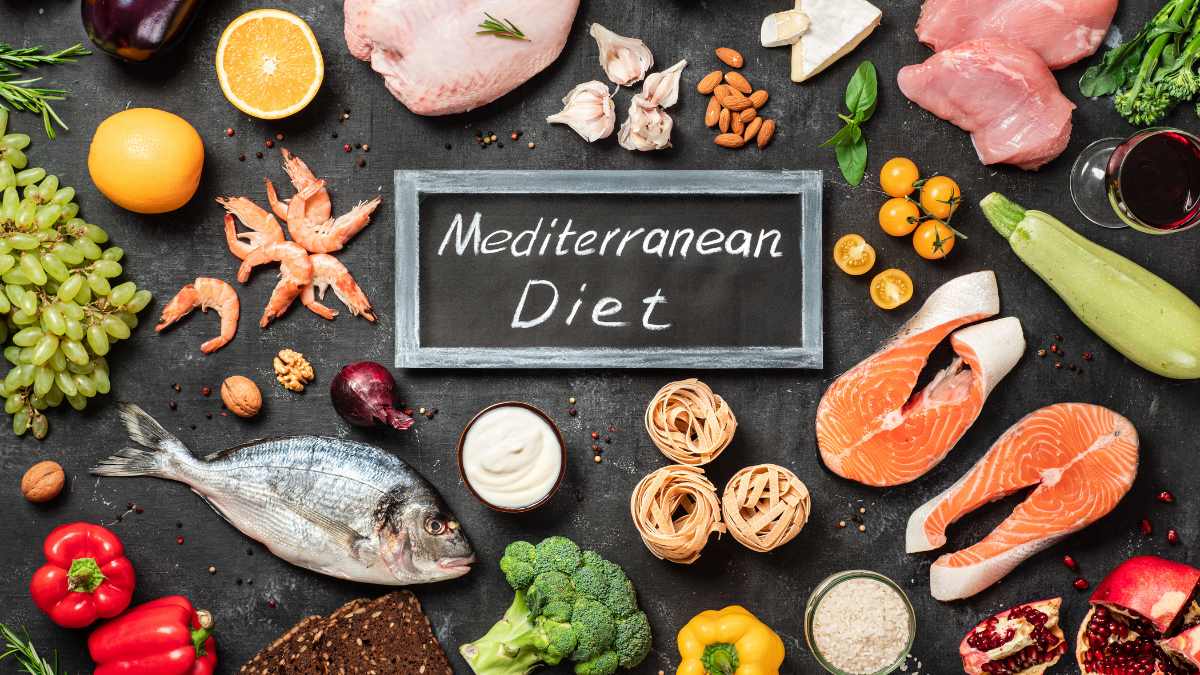
The Mediterranean diet is characterized by a high intake of fruits, vegetables, whole grains, legumes, nuts, and olive oil, along with moderate consumption of fish and poultry. It emphasizes the importance of healthy fats over saturated fats and encourages the consumption of red wine in moderation. While this diet is often praised for its health benefits, it is essential to recognize that its structure may not be suitable for everyone.
One of the primary concerns is that the Mediterranean diet may not provide a balanced nutritional profile for all individuals. For instance, those with specific dietary needs, such as individuals with certain allergies or intolerances, may find it challenging to adhere to this diet without compromising their health. Additionally, the heavy reliance on certain food groups may lead to an unintentional neglect of other essential nutrients.
Moreover, the Mediterranean diet’s focus on whole foods may inadvertently result in a lack of variety for some individuals. This can lead to boredom with meal options and may cause individuals to abandon the diet altogether. The perception that the Mediterranean diet is a one-size-fits-all solution may overlook the diverse nutritional needs of different populations.
Lastly, the Mediterranean diet’s emphasis on fresh and minimally processed foods can be overwhelming for those who are accustomed to convenience foods. Transitioning to a diet that requires more preparation and cooking can be a significant adjustment, particularly for busy individuals or families. This initial challenge may deter some from fully embracing the Mediterranean lifestyle.
Nutritional Limitations: Potential Deficiencies Explored
Despite its many advantages, the Mediterranean diet may lead to certain nutritional deficiencies if not carefully planned. For instance, while the diet is rich in healthy fats, it may lack sufficient sources of omega-3 fatty acids, particularly for those who do not consume fish regularly. This deficiency can impact heart health and cognitive function, highlighting the need for alternative sources, such as flaxseeds or algae-based supplements.
Additionally, the Mediterranean diet may not provide adequate levels of certain vitamins and minerals, particularly for individuals who have limited access to diverse food sources. For example, those who primarily consume plant-based foods may struggle to meet their iron and vitamin B12 needs, which are typically found in animal products. This can lead to anemia and other health issues if not addressed.
Another potential limitation is the diet’s reliance on high-fiber foods, which can be challenging for individuals with digestive issues. While fiber is essential for gut health, excessive fiber intake can lead to gastrointestinal discomfort, bloating, and other digestive problems. This underscores the importance of moderation and individualization in dietary choices.
Lastly, the Mediterranean diet’s focus on whole foods may inadvertently lead to a lack of fortified foods that provide essential nutrients. Many processed foods are fortified with vitamins and minerals, which can be beneficial for individuals who struggle to obtain these nutrients from whole foods alone. The absence of these fortified options in a strict Mediterranean diet may pose a risk for certain populations.
Cost Implications: Affordability of Mediterranean Foods
One significant drawback of the Mediterranean diet is its potential cost implications. Fresh fruits, vegetables, and high-quality olive oil can be expensive, particularly in regions where these items are not locally sourced. This can create a barrier for individuals and families with limited budgets, making it challenging to adhere to the diet’s principles.
Moreover, the emphasis on organic and high-quality foods can further increase costs. While these foods are often touted for their health benefits, the financial burden may lead some individuals to opt for cheaper, less nutritious alternatives. This compromises the diet’s overall effectiveness and can contribute to poorer health outcomes.
Additionally, the Mediterranean diet’s reliance on seafood can pose a financial challenge. Fish and shellfish are often more expensive than other protein sources, such as poultry or legumes. For individuals and families trying to maintain a budget, this may lead to a reduced intake of these nutrient-dense foods, ultimately undermining the diet’s health benefits.
Lastly, the cost implications of the Mediterranean diet can exacerbate existing health disparities. Individuals from lower socioeconomic backgrounds may find it particularly difficult to access and afford the foods necessary for a balanced Mediterranean diet. This raises concerns about equity in dietary choices and the potential for increased health inequalities.
Accessibility Issues: Availability of Key Ingredients
Accessibility to key ingredients is another significant challenge associated with the Mediterranean diet. In many regions, especially in urban areas, fresh produce, whole grains, and high-quality olive oil may not be readily available. This can make it difficult for individuals to adhere to the diet’s principles and achieve its health benefits.
Furthermore, seasonal variations can impact the availability of fresh fruits and vegetables. In some areas, certain produce may only be available during specific times of the year, leading to a lack of variety in meal options. This seasonal limitation can hinder individuals’ ability to maintain a diverse and balanced diet.
Additionally, individuals living in food deserts—areas with limited access to affordable and nutritious food—may find it particularly challenging to adopt the Mediterranean diet. The absence of grocery stores and farmers’ markets can restrict access to essential ingredients, forcing individuals to rely on convenience stores that often lack fresh produce and whole foods.
Lastly, cultural differences can also impact the accessibility of Mediterranean foods. In regions where traditional diets differ significantly from the Mediterranean approach, individuals may struggle to find suitable substitutes for key ingredients. This can make it difficult to fully embrace the Mediterranean lifestyle, leading to frustration and potential abandonment of the diet.
High Caloric Density: Risks of Overconsumption
While the Mediterranean diet is rich in healthy fats and nutrient-dense foods, it also poses a risk of overconsumption due to its high caloric density. Foods such as nuts, seeds, and olive oil, while healthy, are calorie-dense and can lead to weight gain if consumed in excess. This can be particularly concerning for individuals who are trying to manage their weight.
Moreover, the Mediterranean diet’s emphasis on portion sizes can be misleading. Many individuals may not be aware of appropriate serving sizes for high-calorie foods, which can result in unintentional overconsumption. This highlights the importance of education and awareness regarding portion control in maintaining a healthy weight.
Additionally, the inclusion of wine in moderation can also contribute to caloric intake. While moderate alcohol consumption is often associated with health benefits, it can add significant calories to an individual’s daily intake. This may pose a challenge for those who are not mindful of their overall caloric consumption.
Lastly, the risk of overconsumption is exacerbated by the social aspects of the Mediterranean diet. Meals are often enjoyed in communal settings, which can encourage larger portions and more frequent snacking. This cultural practice, while enjoyable, can lead to unintentional weight gain if individuals do not remain mindful of their caloric intake.
Cultural Adaptation: Challenges in Dietary Transition
Transitioning to the Mediterranean diet can be a significant cultural shift for many individuals, particularly those accustomed to different dietary patterns. This shift may involve not only changes in food choices but also alterations in cooking methods and meal preparation. For some, this transition can be overwhelming and may lead to resistance.
Moreover, the Mediterranean diet’s emphasis on fresh and minimally processed foods may require individuals to develop new cooking skills. For those who rely heavily on convenience foods, this adjustment can be daunting. The need for meal planning and preparation may deter individuals from fully embracing the diet.
Additionally, social norms and cultural practices surrounding food can impact an individual’s ability to adopt the Mediterranean diet. In cultures where processed foods and fast food are prevalent, individuals may face pressure to conform to these dietary norms. This can create a conflict between personal health goals and social expectations, making it challenging to maintain the Mediterranean lifestyle.
Lastly, the Mediterranean diet’s focus on communal meals can also present challenges. For individuals who are accustomed to eating alone or on-the-go, the emphasis on shared meals may feel foreign. This cultural adaptation may require individuals to reevaluate their relationship with food and meal times, which can be a significant hurdle in successfully transitioning to the Mediterranean diet.
Conclusions:
While the Mediterranean diet is often lauded for its health benefits, it is essential to consider the potential negatives associated with this dietary approach. From nutritional limitations and cost implications to accessibility issues and cultural adaptation challenges, understanding these drawbacks can help individuals make informed decisions about their dietary choices. By recognizing the complexities of the Mediterranean diet, individuals can better navigate their health journeys and tailor their eating habits to suit their unique needs.
Read more:
- Harvard Health Publishing: The Mediterranean Diet – An overview of the Mediterranean diet and its health benefits.
- Mayo Clinic: Mediterranean Diet Overview – A comprehensive guide to the Mediterranean diet, including potential drawbacks.
- American Heart Association: Mediterranean Diet – Insights into the Mediterranean diet and its impact on heart health.
- National Institutes of Health: Nutritional Deficiencies – A detailed exploration of potential nutritional deficiencies in various diets.
- World Health Organization: Food Security – Information on food accessibility and security, relevant to dietary choices.