

Introduction:
The Mediterranean diet is renowned for its health benefits, emphasizing whole foods, healthy fats, and a variety of flavors. Originating from the culinary traditions of countries bordering the Mediterranean Sea, this diet is not only a way of eating but also a lifestyle that promotes well-being. One of the most appealing aspects of the Mediterranean diet is the wide array of delicious snacks that fit within its guidelines. This article will explore what constitutes a healthy snack in the Mediterranean context, highlighting nutrient-dense options that align with this dietary approach.
Understanding the Mediterranean Diet and Its Nutritional Benefits
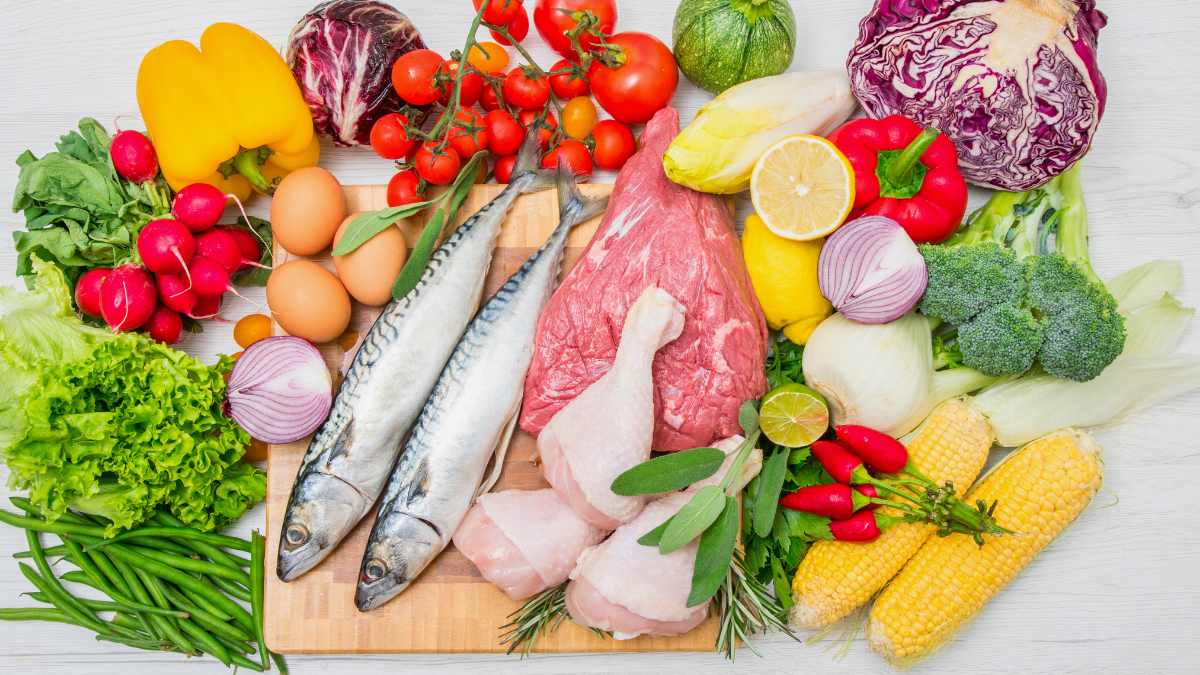
The Mediterranean diet is characterized by a high intake of fruits, vegetables, whole grains, legumes, nuts, and seeds, alongside moderate consumption of fish and poultry. It is low in red meat and processed foods, which contributes to its health-promoting properties. This dietary pattern is rich in antioxidants, vitamins, and minerals, which are essential for maintaining overall health. Moreover, the Mediterranean diet has been linked to reduced risks of heart disease, stroke, and certain cancers, making it a highly recommended dietary approach by health professionals.
The nutritional benefits of the Mediterranean diet stem from its emphasis on whole, minimally processed foods. These foods are not only nutrient-dense but also provide a variety of flavors and textures that can enhance meal enjoyment. The diet’s focus on healthy fats, particularly from olive oil and fish, supports cardiovascular health and helps in managing cholesterol levels. Furthermore, the Mediterranean diet encourages a balanced intake of macronutrients, ensuring that individuals receive adequate protein, carbohydrates, and fats.
In addition to physical health benefits, the Mediterranean diet promotes mental well-being. Studies have shown that diets rich in fruits, vegetables, and healthy fats can improve mood and cognitive function. The social aspect of Mediterranean eating, often shared with family and friends, also contributes to emotional health. This holistic approach to diet and lifestyle makes the Mediterranean diet not just a meal plan but a sustainable way of living.
Finally, the Mediterranean diet encourages mindful eating practices, which can lead to better digestion and satisfaction with meals. By focusing on quality over quantity, individuals can enjoy a variety of foods without the need for excessive portion sizes. This mindful approach is especially beneficial when it comes to snacking, allowing for a more thoughtful selection of foods that nourish the body and satisfy cravings.
Key Components of a Healthy Mediterranean Snack Selection
When selecting snacks that align with the Mediterranean diet, it is essential to focus on whole, unprocessed foods. This means choosing items that are as close to their natural state as possible, avoiding those that are high in added sugars, unhealthy fats, and preservatives. A healthy Mediterranean snack should provide a balance of macronutrients, including carbohydrates, proteins, and fats, to keep energy levels stable throughout the day.
Another key component is the inclusion of seasonal and local ingredients. The Mediterranean diet emphasizes the use of fresh produce, which not only enhances flavor but also ensures that snacks are packed with nutrients. Seasonal fruits and vegetables are often at their peak in terms of taste and nutritional value, making them an excellent choice for snacking. Additionally, incorporating local ingredients supports sustainable agriculture and can foster a deeper connection to the food being consumed.
Portion control is also crucial in maintaining a healthy snacking habit. While the Mediterranean diet includes many healthy options, it is important to be mindful of portion sizes to prevent overeating. Using smaller plates or bowls for snacks can help individuals enjoy their food while keeping portions in check. This practice aligns with the Mediterranean approach of savoring food and appreciating its flavors.
Lastly, variety is essential in a Mediterranean snack selection. Incorporating a wide range of foods ensures that individuals receive a diverse array of nutrients. This not only enhances the nutritional profile of snacks but also keeps snacking interesting and enjoyable. Experimenting with different combinations of foods can lead to discovering new favorite snacks that adhere to the Mediterranean principles.
Nutrient-Dense Snack Options: Fruits and Vegetables
Fruits and vegetables are cornerstones of the Mediterranean diet and offer a plethora of nutritional benefits. They are rich in vitamins, minerals, and fiber, which are essential for maintaining good health. Fresh fruits, such as berries, oranges, and apples, make for convenient and satisfying snacks, providing natural sweetness without the need for added sugars. Pairing fruits with a source of protein, such as Greek yogurt or nuts, can enhance satiety and provide a balanced snack option.
Vegetables, on the other hand, can be enjoyed in various forms. Raw vegetables like carrots, bell peppers, and cucumbers can be dipped in hummus or tzatziki for a flavorful and nutritious snack. Roasted vegetables, such as chickpeas or sweet potatoes, can also be seasoned with Mediterranean herbs and spices for an added flavor boost. This versatility allows for creativity in snack preparation while adhering to the principles of the Mediterranean diet.
Incorporating seasonal produce into snacks not only enhances flavor but also maximizes nutritional content. For example, tomatoes and cucumbers in the summer or squash and brussels sprouts in the fall can provide a fresh taste that aligns with the changing seasons. This practice encourages individuals to explore local markets and discover new varieties of fruits and vegetables, enriching their snacking experience.
Lastly, dried fruits can serve as a convenient and portable snack option. When choosing dried fruits, it is essential to select those without added sugars or preservatives. Options like apricots, figs, and dates can provide a concentrated source of nutrients and energy, making them ideal for on-the-go snacking. Combining dried fruits with nuts can create a satisfying trail mix that embodies the Mediterranean spirit.
Whole Grains and Legumes: Smart Snack Choices
Whole grains and legumes are integral components of the Mediterranean diet, offering a wealth of nutrients and health benefits. Whole grains, such as quinoa, barley, and whole wheat, provide complex carbohydrates, fiber, and essential vitamins. These foods help maintain energy levels and promote digestive health. Whole grain crackers or bread can serve as a base for various toppings, such as hummus, avocado, or fresh vegetables, creating a satisfying and nutritious snack.
Legumes, including chickpeas, lentils, and beans, are excellent sources of plant-based protein and fiber. They can be enjoyed in various forms, such as roasted chickpeas or lentil dips. These snacks not only provide essential nutrients but also promote feelings of fullness, making them an ideal choice for those looking to manage their weight. Incorporating legumes into snacks can also contribute to heart health, as they are low in saturated fat and high in fiber.
Another smart choice is to prepare whole grain energy bars at home using oats, nuts, seeds, and dried fruits. These bars can be customized to suit individual tastes and dietary needs while providing a convenient snack option. By controlling the ingredients, individuals can ensure that their snacks are aligned with Mediterranean principles, avoiding added sugars and unhealthy fats.
Lastly, popcorn can be a delightful whole grain snack when prepared healthily. Air-popped popcorn seasoned with herbs, spices, or a drizzle of olive oil can provide a satisfying crunch without excessive calories. This snack is not only easy to prepare but also versatile, allowing for various flavor combinations that can cater to different palates.
Healthy Fats: Incorporating Nuts and Seeds in Snacks
Healthy fats are a hallmark of the Mediterranean diet, primarily sourced from nuts, seeds, and olive oil. These fats are essential for maintaining heart health and providing a source of energy. Nuts such as almonds, walnuts, and pistachios are nutrient-dense options that can be enjoyed as snacks on their own or incorporated into other dishes. A small handful of nuts can provide a satisfying crunch and a wealth of beneficial nutrients, including omega-3 fatty acids, protein, and fiber.
Seeds, such as chia seeds, flaxseeds, and pumpkin seeds, are also rich in healthy fats and can enhance the nutritional profile of snacks. Adding seeds to yogurt, smoothies, or salads can provide an extra boost of nutrients while adding texture and flavor. These tiny powerhouses are also high in antioxidants and can contribute to overall health and well-being.
In addition to whole nuts and seeds, nut butters can serve as a delicious and versatile snack option. Almond butter, peanut butter, or tahini can be spread on whole grain toast, fruit, or vegetables for a satisfying snack. When choosing nut butters, it is essential to select those with minimal added ingredients to ensure they align with the Mediterranean diet’s principles.
Finally, incorporating olive oil into snacks can enhance flavor while providing healthy fats. Drizzling olive oil over roasted vegetables, whole grain bread, or popcorn can elevate the taste and nutritional value of these snacks. This simple addition not only aligns with the Mediterranean diet but also promotes heart health and overall well-being.
Practical Tips for Preparing Mediterranean-Inspired Snacks
Preparing Mediterranean-inspired snacks can be both enjoyable and straightforward. One practical tip is to batch prepare snacks in advance. Dedicating time to prepare snacks for the week can save time and ensure that healthy options are readily available. For example, washing and cutting fresh vegetables, making hummus, or roasting nuts can create a variety of snack choices that are easy to grab on busy days.
Another helpful approach is to experiment with flavors. The Mediterranean diet is rich in herbs and spices, which can elevate the taste of snacks without adding unnecessary calories. Incorporating ingredients like basil, oregano, or za’atar into dips and spreads can provide a burst of flavor that enhances the overall snacking experience. Additionally, using citrus zest or juice can brighten up dishes and add a refreshing touch.
Creating a snack station at home can also encourage healthier snacking habits. Designating a specific area in the kitchen for healthy snacks, such as fruits, nuts, and whole grain options, can make it easier to choose nutritious foods when hunger strikes. Keeping these snacks visible and accessible can promote mindful eating and help individuals make better choices.
Lastly, involving family members or friends in snack preparation can make the process more enjoyable. Cooking together can foster a sense of community and encourage healthier eating habits. Sharing recipes and ideas for Mediterranean-inspired snacks can lead to discovering new favorites while reinforcing the principles of the Mediterranean diet.
Conclusions:
Incorporating Mediterranean-inspired snacks into your daily routine can significantly enhance your overall diet and well-being. By focusing on whole foods, seasonal ingredients, and healthy fats, you can create a variety of delicious and nutritious snacks that align with the Mediterranean diet. This approach not only promotes physical health but also encourages mindful eating practices that can lead to a more satisfying and enjoyable culinary experience.
Read more:
- Mediterranean Diet Basics – A comprehensive overview of the Mediterranean diet and its health benefits.
- Mediterranean Diet Food List – A detailed food list to help you understand what foods fit into the Mediterranean diet.
- Nutritional Benefits of the Mediterranean Diet – An academic article discussing the various health benefits associated with the Mediterranean diet.
- Healthy Mediterranean Snack Ideas – A collection of healthy snack ideas inspired by Mediterranean cuisine.
- The Role of Nuts and Seeds in the Mediterranean Diet – An exploration of the importance of nuts and seeds within the Mediterranean dietary framework.