

Introduction:
The Mediterranean diet is celebrated not only for its delicious flavors but also for its numerous health benefits. Rooted in the traditional eating habits of countries bordering the Mediterranean Sea, this dietary pattern emphasizes the consumption of whole foods, healthy fats, and a variety of plant-based ingredients. Among the many components that define this diet, two ingredients stand out as particularly significant: olive oil and fresh vegetables. This article explores the core principles of the Mediterranean diet and delves into the role and benefits of these two recognized ingredients.
Overview of the Mediterranean Diet’s Core Principles
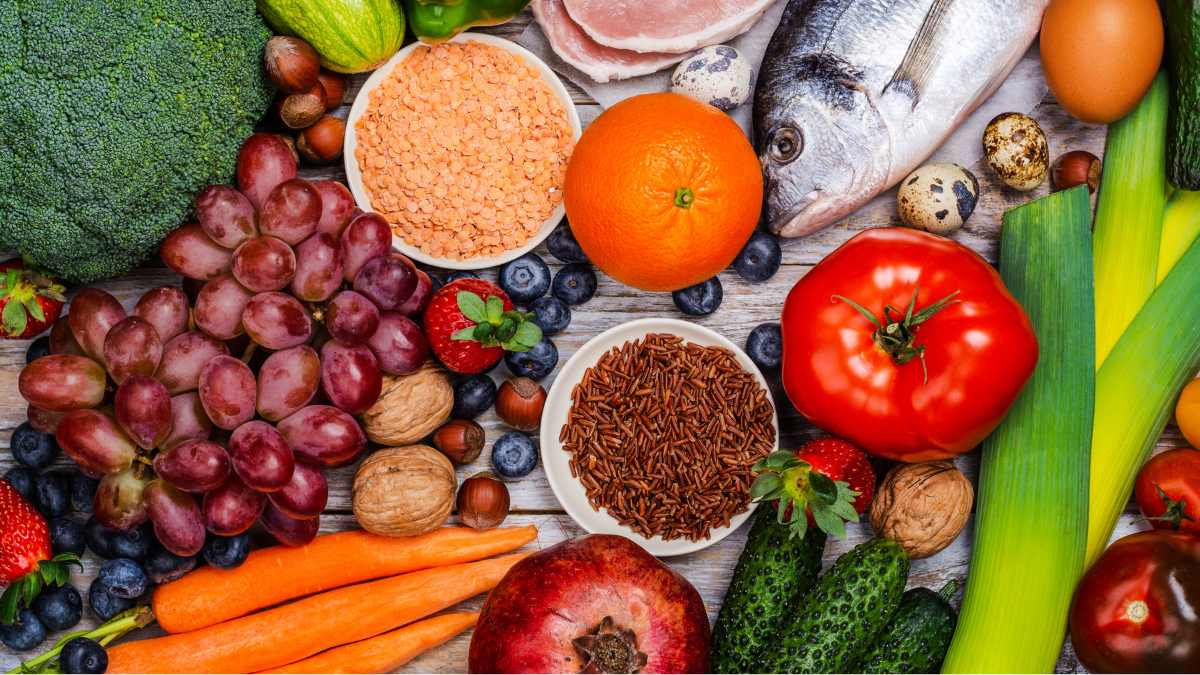
The Mediterranean diet is characterized by its focus on whole, minimally processed foods. It encourages the consumption of a variety of fruits, vegetables, whole grains, legumes, nuts, and seeds. Additionally, it promotes the use of healthy fats, particularly from olive oil, while limiting the intake of red meat and processed foods. This dietary pattern is not just about what is eaten but also how food is consumed, emphasizing communal meals and the enjoyment of food in a social context.
A key principle of the Mediterranean diet is its emphasis on balance. This means that while certain foods are encouraged, others are consumed in moderation. For instance, dairy products are typically consumed in small amounts, often in the form of yogurt or cheese. Fish and poultry are favored over red meat, which is eaten sparingly. This balanced approach contributes to a sustainable dietary pattern that can be maintained over the long term.
Another important aspect is the seasonality of ingredients. The Mediterranean diet encourages the consumption of seasonal produce, which not only enhances flavor but also maximizes nutritional value. By eating foods that are in season, individuals can enjoy a diverse array of nutrients throughout the year. This principle aligns well with the local agricultural practices of Mediterranean countries, where fresh produce is readily available.
Lastly, the Mediterranean diet is known for its cultural significance. It reflects the culinary traditions of various Mediterranean nations, each contributing unique flavors and cooking methods. This cultural diversity enriches the diet and fosters a sense of community, as meals are often shared among family and friends, making eating a pleasurable and communal experience.
The Role of Olive Oil in Mediterranean Nutrition
Olive oil is often regarded as the cornerstone of Mediterranean nutrition. This healthy fat is extracted from olives and is rich in monounsaturated fats, particularly oleic acid, which is known for its heart-healthy properties. In the Mediterranean diet, olive oil is used not only as a cooking fat but also as a dressing for salads and vegetables, enhancing the flavor of dishes while providing essential nutrients.
The use of olive oil is deeply rooted in Mediterranean culture. It has been a staple ingredient for thousands of years, and its production is often tied to local traditions and family heritage. The process of making olive oil is labor-intensive, involving hand-picking olives and cold-pressing them to preserve their natural flavors and health benefits. This artisanal approach to olive oil production ensures high quality and a rich taste that is integral to Mediterranean cuisine.
In addition to its culinary role, olive oil is celebrated for its versatility. It can be used in a variety of dishes, from dressings and marinades to sautéing and baking. Its ability to enhance the flavors of other ingredients makes it a favorite among chefs and home cooks alike. Moreover, the distinct flavor profiles of different olive oils can complement various dishes, adding depth and richness to meals.
Furthermore, the popularity of olive oil has led to a growing interest in its health benefits. Research has shown that incorporating olive oil into the diet can lead to improved cardiovascular health, reduced inflammation, and better overall well-being. This has solidified olive oil’s status as a key ingredient in the Mediterranean diet and a symbol of healthy eating.
Health Benefits Associated with Olive Oil Consumption
The health benefits of olive oil are well-documented, making it a vital component of the Mediterranean diet. Numerous studies have shown that regular consumption of olive oil is associated with a lower risk of heart disease. The monounsaturated fats found in olive oil can help reduce levels of LDL cholesterol, often referred to as "bad" cholesterol, while increasing HDL cholesterol, or "good" cholesterol.
In addition to its cardiovascular benefits, olive oil is rich in antioxidants, particularly polyphenols, which play a crucial role in combating oxidative stress. These antioxidants can help protect cells from damage and reduce the risk of chronic diseases such as cancer and neurodegenerative disorders. The anti-inflammatory properties of olive oil further contribute to its health-promoting effects, making it a powerful ally in the fight against inflammation-related conditions.
Moreover, the Mediterranean diet, with olive oil as a central ingredient, has been linked to improved cognitive function and a reduced risk of cognitive decline. Some studies suggest that the nutrients in olive oil may help protect against Alzheimer’s disease and other forms of dementia, highlighting its potential role in brain health.
Finally, the incorporation of olive oil into meals can enhance the absorption of fat-soluble vitamins, such as vitamins A, D, E, and K. This means that using olive oil in salads or cooked dishes can help maximize the nutritional benefits of other ingredients, making it an essential part of a well-rounded diet.
The Significance of Fresh Vegetables in the Diet
Fresh vegetables are another cornerstone of the Mediterranean diet, contributing not only to its flavor but also to its nutritional profile. The Mediterranean region boasts a rich variety of vegetables, including tomatoes, peppers, eggplants, zucchini, and leafy greens. These vegetables are often consumed in their freshest form, whether raw in salads, roasted, or incorporated into stews and sauces.
The emphasis on fresh vegetables aligns with the Mediterranean diet’s principle of seasonality. Eating vegetables that are in season ensures that individuals benefit from peak flavors and maximum nutritional value. This seasonal approach encourages diversity in the diet, as different vegetables are available at various times of the year, promoting a wide range of vitamins, minerals, and antioxidants.
In addition to their nutritional benefits, fresh vegetables play a significant role in the Mediterranean diet’s culinary practices. They are often used as the foundation for many dishes, providing texture, color, and flavor. The use of herbs and spices in combination with vegetables enhances their taste and makes meals more enjoyable. This focus on fresh produce encourages creativity in the kitchen and fosters a deeper appreciation for food.
Moreover, the consumption of fresh vegetables is associated with numerous health benefits. Studies have shown that a diet rich in vegetables can help reduce the risk of chronic diseases, including heart disease, diabetes, and certain cancers. The high fiber content of vegetables also promotes digestive health and helps maintain a healthy weight, making them an essential component of the Mediterranean diet.
Nutritional Value of Vegetables in Mediterranean Cuisine
Vegetables are packed with essential nutrients, making them a vital part of a balanced diet. They are low in calories and high in dietary fiber, which aids in digestion and helps maintain a healthy weight. Furthermore, vegetables provide a wealth of vitamins and minerals, including vitamin C, vitamin K, potassium, and folate, all of which are crucial for overall health.
The variety of vegetables consumed in the Mediterranean diet contributes to a diverse intake of antioxidants. These compounds help protect the body from oxidative stress and inflammation, reducing the risk of chronic diseases. For example, tomatoes are rich in lycopene, a powerful antioxidant linked to heart health, while leafy greens like spinach and kale are packed with vitamins A and K.
In Mediterranean cuisine, vegetables are often prepared in ways that enhance their nutritional value. For instance, roasting or grilling vegetables can bring out their natural sweetness and flavors, making them more appealing. Additionally, the use of olive oil in vegetable dishes not only adds healthy fats but also aids in the absorption of fat-soluble vitamins.
The cultural significance of vegetables in the Mediterranean diet cannot be overstated. They are often featured prominently in traditional dishes and are celebrated in local festivals and markets. This cultural appreciation for fresh produce fosters a connection to the land and encourages sustainable agricultural practices, further enhancing the health benefits of the Mediterranean diet.
Conclusions: Integrating Key Ingredients for Health Benefits
In summary, the Mediterranean diet is a holistic approach to eating that emphasizes the consumption of whole foods, healthy fats, and a variety of plant-based ingredients. Olive oil and fresh vegetables are two of the most recognized ingredients in this dietary pattern, each contributing unique flavors and health benefits. Olive oil serves as a heart-healthy fat that enhances the taste of dishes while providing essential nutrients, while fresh vegetables offer a wealth of vitamins, minerals, and antioxidants.
The integration of these key ingredients into daily meals not only supports physical health but also fosters a sense of community and enjoyment around food. By embracing the Mediterranean diet’s principles and focusing on high-quality ingredients, individuals can cultivate a sustainable and health-promoting eating pattern that aligns with their lifestyle.
Ultimately, the Mediterranean diet stands as a testament to the power of food to nourish both the body and the soul. By prioritizing the consumption of olive oil and fresh vegetables, individuals can enjoy a delicious and healthful way of eating that has stood the test of time.
Read more
- Mediterranean Diet: A Comprehensive Guide – This article provides an in-depth overview of the Mediterranean diet, including its principles and health benefits.
- The Health Benefits of Olive Oil – A scientific study discussing the numerous health benefits associated with olive oil consumption.
- Vegetables and Health: The Benefits of a Plant-Based Diet – This resource explores the nutritional value and health benefits of incorporating vegetables into the diet.
- Mediterranean Diet and Cognitive Health – A research article examining the relationship between the Mediterranean diet and cognitive function.
- Olive Oil: A Key Ingredient in Mediterranean Cuisine – This source delves into the culinary and health significance of olive oil in Mediterranean cooking.