

Introduction:
The Mediterranean diet is renowned for its numerous health benefits and is often regarded as one of the healthiest dietary patterns in the world. Originating from the countries bordering the Mediterranean Sea, this diet emphasizes a balanced intake of various food groups, promoting overall well-being. The Mediterranean diet is not just about the foods consumed but also encompasses a lifestyle that encourages physical activity and social interactions during meals. Understanding the main foods in this diet can help individuals make healthier choices and potentially reduce the risk of chronic diseases.
Overview of the Mediterranean Diet and Its Components
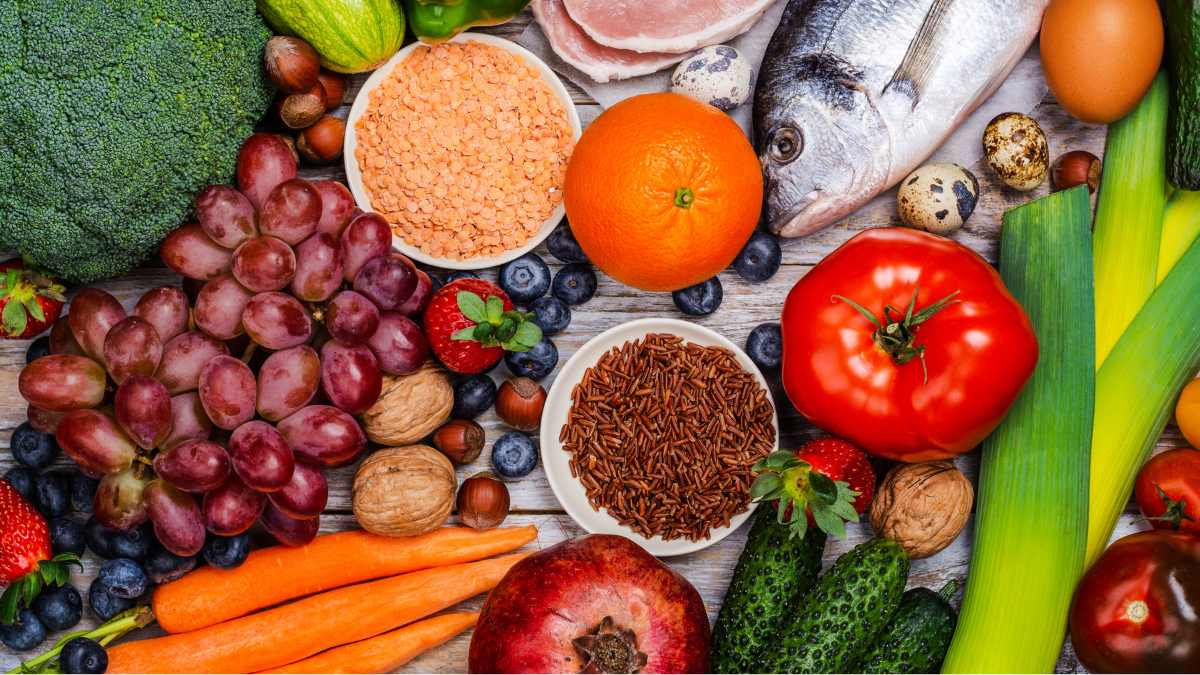
The Mediterranean diet is characterized by its emphasis on whole, minimally processed foods. It is rich in fruits, vegetables, whole grains, legumes, nuts, and healthy fats, primarily from olive oil. This dietary pattern also includes moderate consumption of fish and poultry, while red meat and sweets are consumed sparingly. The Mediterranean diet is not merely a list of foods; it represents a way of life that values fresh ingredients, seasonal produce, and culinary traditions passed down through generations.
Central to the Mediterranean diet is the concept of balance and moderation. The diet encourages a variety of foods, ensuring that individuals receive a broad spectrum of nutrients. This diversity is crucial for maintaining health and preventing nutritional deficiencies. Furthermore, the Mediterranean lifestyle promotes social interaction during meals, fostering a sense of community and enjoyment of food, which can enhance psychological well-being.
Research has shown that adherence to the Mediterranean diet is associated with numerous health benefits, including reduced risk of heart disease, stroke, and certain cancers. The diet’s focus on plant-based foods and healthy fats contributes to lower levels of inflammation and improved metabolic health. Additionally, the Mediterranean diet is linked to better cognitive function and a lower risk of neurodegenerative diseases.
In summary, the Mediterranean diet is a holistic approach to eating that emphasizes quality over quantity. By focusing on whole foods and healthy fats, individuals can nourish their bodies while enjoying the flavors and traditions of Mediterranean cuisine. This diet not only promotes physical health but also encourages a lifestyle that values connection and enjoyment in eating.
Key Food Groups: Fruits and Vegetables in the Diet
Fruits and vegetables are the cornerstone of the Mediterranean diet, providing essential vitamins, minerals, and antioxidants. These foods are low in calories and high in fiber, making them ideal for maintaining a healthy weight and promoting digestive health. The Mediterranean diet encourages a colorful variety of fruits and vegetables, including leafy greens, tomatoes, peppers, citrus fruits, berries, and stone fruits. This diversity ensures a broad range of nutrients and health benefits.
The consumption of fruits and vegetables is associated with a lower risk of chronic diseases, including cardiovascular disease and certain cancers. The antioxidants found in these foods help combat oxidative stress and inflammation, which are linked to many health issues. Moreover, the high fiber content aids in digestion and helps regulate blood sugar levels, contributing to overall metabolic health.
In the Mediterranean diet, fruits and vegetables are not only consumed as standalone items but also incorporated into various dishes. They can be enjoyed raw in salads, roasted, grilled, or used in stews and sauces. This versatility makes it easy to include a wide range of produce in daily meals, enhancing both flavor and nutrition.
Furthermore, seasonal and local produce is emphasized in the Mediterranean diet, promoting sustainability and supporting local economies. Eating in season often means fresher, more flavorful fruits and vegetables, which can enhance the overall dining experience. By prioritizing fruits and vegetables, the Mediterranean diet encourages individuals to make healthier choices while enjoying the culinary richness of the region.
The Role of Whole Grains in Mediterranean Nutrition
Whole grains are a fundamental component of the Mediterranean diet, providing essential nutrients and fiber. Unlike refined grains, whole grains retain their bran and germ, which contain valuable vitamins, minerals, and antioxidants. Common whole grains in the Mediterranean diet include whole wheat, barley, brown rice, farro, and quinoa. These grains serve as a primary source of carbohydrates, supplying energy for daily activities.
Incorporating whole grains into meals not only supports digestive health but also helps regulate blood sugar levels and reduce the risk of chronic diseases. The fiber in whole grains promotes feelings of fullness, aiding in weight management. Additionally, whole grains have been linked to a lower risk of heart disease, thanks to their ability to improve cholesterol levels and reduce inflammation.
The Mediterranean diet encourages the use of whole grains in various culinary applications. They can be used in salads, soups, and side dishes, or as a base for main courses. Whole grain bread is also a staple, often enjoyed with meals or used to make sandwiches. This versatility allows individuals to easily incorporate whole grains into their diets while enjoying their health benefits.
Moreover, the Mediterranean approach to grains emphasizes moderation and balance. While whole grains are encouraged, they are consumed in appropriate portions, allowing for a diverse diet that includes other food groups. This balanced approach helps individuals enjoy the benefits of whole grains without over-relying on any single food source.
Healthy Fats: The Importance of Olive Oil and Nuts
Healthy fats play a crucial role in the Mediterranean diet, with olive oil being the primary source. Extra virgin olive oil is rich in monounsaturated fats, which are beneficial for heart health. These fats help lower bad cholesterol levels and reduce the risk of cardiovascular disease. Olive oil is also packed with antioxidants, particularly polyphenols, which have anti-inflammatory properties and contribute to overall health.
In addition to olive oil, nuts are another important source of healthy fats in the Mediterranean diet. Almonds, walnuts, pistachios, and hazelnuts are commonly consumed and provide a wealth of nutrients, including protein, fiber, vitamins, and minerals. Nuts are also known for their heart-healthy benefits, as they can help lower cholesterol levels and improve metabolic health.
The Mediterranean diet encourages the use of these healthy fats in cooking and meal preparation. Olive oil is often used as a dressing for salads, drizzled over vegetables, or used in cooking to enhance flavor. Nuts can be enjoyed as snacks, added to salads, or used as toppings for various dishes, providing both crunch and nutrition.
Incorporating healthy fats into the diet is essential for maintaining overall health. These fats not only provide energy but also support the absorption of fat-soluble vitamins (A, D, E, and K). By prioritizing healthy fats like olive oil and nuts, individuals can enjoy flavorful meals while reaping the numerous health benefits associated with these nutrient-dense foods.
Protein Sources: Seafood, Poultry, and Legumes Explained
Protein is an essential macronutrient, and the Mediterranean diet offers a variety of sources to meet dietary needs. Seafood is a primary protein source in this diet, with fish such as salmon, sardines, and mackerel being particularly favored. These fish are rich in omega-3 fatty acids, which are known for their anti-inflammatory properties and cardiovascular benefits. Regular consumption of seafood is associated with improved heart health and reduced risk of chronic diseases.
Poultry, such as chicken and turkey, is also included in the Mediterranean diet, though it is consumed in moderation compared to seafood. Poultry provides a lean source of protein and can be prepared in various ways, from grilling to roasting. The emphasis on moderate consumption encourages individuals to explore a variety of protein sources while maintaining a balanced diet.
Legumes, including beans, lentils, and chickpeas, are another vital component of protein intake in the Mediterranean diet. These plant-based proteins are rich in fiber, vitamins, and minerals, making them an excellent choice for both vegetarians and meat-eaters. Legumes are versatile and can be used in soups, salads, and main dishes, providing a hearty and nutritious option.
In summary, the Mediterranean diet promotes a diverse range of protein sources, encouraging individuals to enjoy seafood, poultry, and legumes. This variety not only enhances the flavor of meals but also supports overall health by providing essential nutrients and promoting a balanced intake of macronutrients.
Spices and Herbs: Enhancing Flavor and Health Benefits
Spices and herbs are integral to the Mediterranean diet, adding flavor and depth to dishes while also providing numerous health benefits. Commonly used herbs include basil, oregano, rosemary, thyme, and parsley, each contributing unique flavors to Mediterranean cuisine. These herbs are often used fresh, enhancing the taste of salads, sauces, and roasted vegetables.
In addition to flavor, many herbs and spices possess antioxidant and anti-inflammatory properties. For example, rosemary and oregano are rich in antioxidants, which help combat oxidative stress in the body. Incorporating a variety of herbs and spices into meals can enhance not only the taste but also the nutritional profile of the diet.
The Mediterranean diet encourages the use of herbs and spices as natural alternatives to salt and sugar, promoting healthier cooking practices. By relying on these flavor enhancers, individuals can enjoy delicious meals while minimizing the intake of unhealthy additives. This approach aligns with the Mediterranean philosophy of using fresh, whole ingredients to create flavorful dishes.
Moreover, the cultural significance of herbs and spices in Mediterranean cuisine cannot be overlooked. They are often used in traditional recipes passed down through generations, reflecting the rich culinary heritage of the region. By embracing these flavors, individuals can connect with the history and traditions of Mediterranean cooking while reaping the health benefits associated with these natural ingredients.
Conclusions:
The Mediterranean diet is a rich and diverse culinary tradition that emphasizes whole, minimally processed foods. By focusing on key food groups such as fruits, vegetables, whole grains, healthy fats, and lean proteins, individuals can enjoy a balanced and nutritious diet. The inclusion of spices and herbs not only enhances flavor but also provides additional health benefits, making the Mediterranean diet a holistic approach to eating.
Adopting the Mediterranean diet can lead to improved health outcomes and a greater appreciation for the flavors and traditions of Mediterranean cuisine. By prioritizing fresh ingredients and a balanced lifestyle, individuals can nourish their bodies while enjoying the culinary delights of this renowned dietary pattern.
Read more
-
Harvard T.H. Chan School of Public Health – The Nutrition Source: Mediterranean Diet
This resource provides an overview of the Mediterranean diet, its components, and health benefits, backed by research from Harvard experts. -
Mayo Clinic – Mediterranean Diet: A Heart-Healthy Eating Plan
The Mayo Clinic offers insights into the Mediterranean diet, including meal planning tips and the diet’s impact on heart health. -
American Heart Association – Mediterranean Diet
This article discusses the Mediterranean diet’s principles and its benefits for heart health, emphasizing the importance of healthy fats and whole foods. -
National Institutes of Health – Health Benefits of the Mediterranean Diet
A comprehensive review of the scientific literature on the health benefits of the Mediterranean diet, published in a peer-reviewed journal. -
World Health Organization – Healthy Diet
This resource outlines the WHO’s recommendations for a healthy diet, including the principles of the Mediterranean diet as a model for healthy eating.