

Se hai un abbonamento attivo ACCEDI QUI
Introduction:
The Mediterranean diet is celebrated for its health benefits, emphasizing whole foods, healthy fats, and a variety of flavors. Among its many components, bread plays a significant role, serving as a staple in many Mediterranean meals. Understanding the types of bread that fit within this dietary framework can enhance both the nutritional value and enjoyment of meals. This article explores the various breads that align with the Mediterranean diet, their nutritional benefits, and how to incorporate them into a balanced eating plan.
Understanding the Mediterranean Diet and Its Bread Components
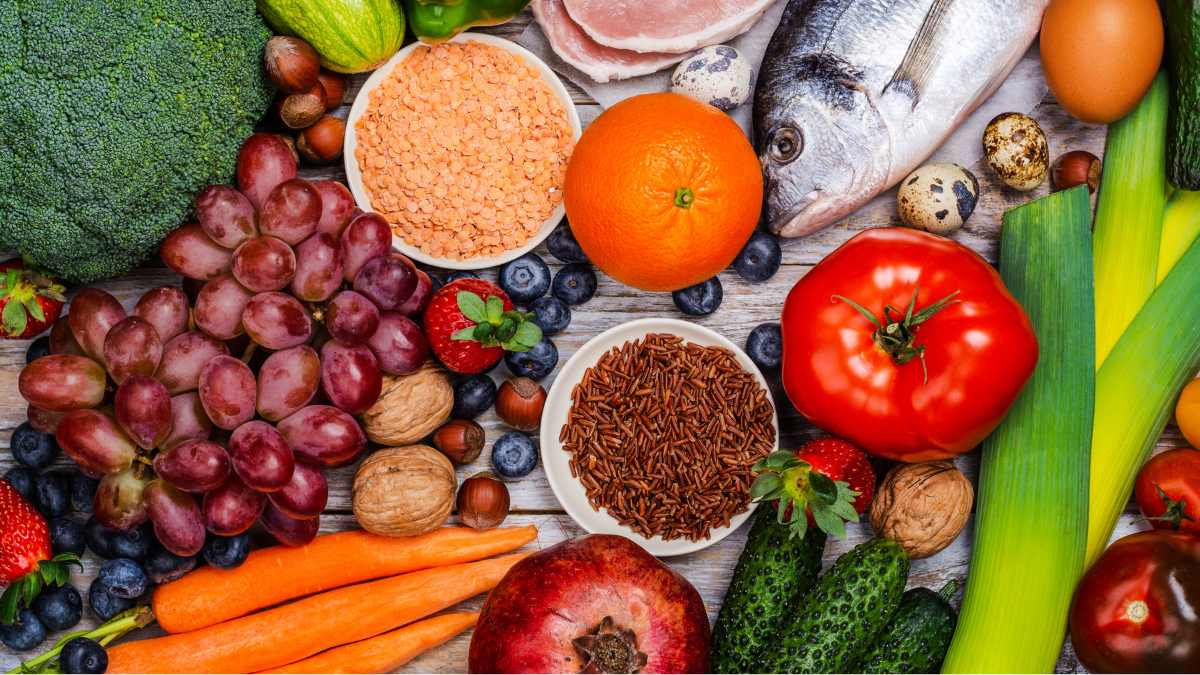
The Mediterranean diet is not just a meal plan; it is a lifestyle that promotes the consumption of fresh fruits, vegetables, whole grains, legumes, nuts, and healthy fats, particularly olive oil. Bread serves as a fundamental component of this diet, providing essential carbohydrates and fiber. However, the type of bread consumed is crucial; the emphasis is on whole grain varieties that retain their natural nutrients.
In Mediterranean cultures, bread is often enjoyed daily and is used to accompany meals, making it a versatile food. Traditional breads are typically made from whole grains, which are less processed and more nutrient-dense than their refined counterparts. This aligns with the Mediterranean diet’s focus on whole foods, ensuring that individuals receive the maximum health benefits from their meals.
Moreover, the preparation methods of Mediterranean breads often incorporate regional ingredients, reflecting local agricultural practices. This connection to the land not only enhances flavor but also promotes seasonal eating, which is a key principle of the Mediterranean lifestyle. Understanding these cultural aspects can deepen one’s appreciation for the role of bread in this diet.
Finally, the Mediterranean diet encourages moderation and balance. While bread is a staple, it is essential to consume it mindfully, focusing on quality over quantity. By choosing whole grain options, individuals can enjoy the benefits of bread while adhering to the principles of the Mediterranean diet.
Nutritional Benefits of Whole Grain Breads in the Diet
Whole grain breads are rich in essential nutrients, including dietary fiber, vitamins, and minerals. Fiber plays a crucial role in digestive health, helping to regulate bowel movements and prevent constipation. It also contributes to a feeling of fullness, which can aid in weight management—a significant aspect of the Mediterranean diet.
In addition to fiber, whole grain breads are packed with B vitamins, such as thiamine, niacin, and folate. These vitamins are vital for energy metabolism and overall health. Minerals like iron, magnesium, and selenium are also abundant in whole grains, supporting various bodily functions, including immune response and bone health.
The low glycemic index of whole grain breads means they release glucose into the bloodstream more slowly than refined breads. This can help maintain stable blood sugar levels, reducing the risk of type 2 diabetes and promoting sustained energy throughout the day. Incorporating whole grain breads into meals can therefore offer significant health advantages.
Moreover, the antioxidants found in whole grains can help combat oxidative stress in the body, potentially lowering the risk of chronic diseases such as heart disease and cancer. Emphasizing whole grain breads within the Mediterranean diet can thus enhance overall health and well-being.
Traditional Mediterranean Breads: Varieties and Characteristics
Mediterranean countries boast a rich variety of traditional breads, each with unique characteristics that reflect local ingredients and culinary traditions. Pita, a popular flatbread, is often used to scoop up dips like hummus or to wrap around grilled meats and vegetables. Its versatility and ease of preparation make it a staple in many Mediterranean households.
Another notable bread is focaccia, an Italian flatbread that is typically seasoned with olive oil, herbs, and sometimes topped with vegetables or olives. Focaccia’s rich flavor and texture make it an excellent accompaniment to soups and salads, enhancing the overall dining experience. Its use of high-quality olive oil aligns perfectly with the Mediterranean diet’s emphasis on healthy fats.
Ciabatta, known for its airy texture and crispy crust, is another beloved Italian bread. Often used for sandwiches, ciabatta can be filled with various Mediterranean ingredients, such as roasted vegetables, cheeses, and cured meats. Its chewy consistency provides a satisfying contrast to the fresh fillings, making it a popular choice for hearty meals.
Lastly, baguette and pain de campagne from France, along with lavash from the Middle East, showcase the diversity of Mediterranean breads. Each variety brings its own flavor and texture, allowing for endless culinary creativity while adhering to the principles of the Mediterranean diet.
The Role of Sourdough in Mediterranean Culinary Practices
Sourdough bread has a long-standing tradition in Mediterranean cuisine, particularly in countries like Italy and Greece. The fermentation process involved in making sourdough not only enhances its flavor but also increases its nutritional value. The natural fermentation breaks down gluten and phytic acid, making the bread easier to digest and allowing for better absorption of nutrients.
Additionally, sourdough’s unique tangy flavor and chewy texture make it a favorite among bread enthusiasts. It can be enjoyed on its own, with a drizzle of olive oil, or as a base for various toppings, such as fresh tomatoes, basil, and mozzarella. This versatility aligns well with the Mediterranean diet’s focus on fresh, seasonal ingredients.
The health benefits of sourdough extend beyond its digestibility. Studies have shown that sourdough bread can have a lower glycemic index compared to other breads, which is beneficial for blood sugar control. This characteristic makes it a suitable option for those looking to maintain stable energy levels throughout the day.
Moreover, the use of whole grain flours in sourdough recipes can further enhance the bread’s nutritional profile. By combining the benefits of whole grains with the unique qualities of sourdough, individuals can enjoy a delicious and healthful addition to their Mediterranean diet.
Gluten-Free Options: Exploring Alternative Mediterranean Breads
For those with gluten sensitivities or celiac disease, finding suitable bread options can be a challenge. However, the Mediterranean diet offers a variety of gluten-free alternatives that can still provide the flavors and textures associated with traditional breads.
One popular option is polenta bread, made from cornmeal. This bread can be baked or grilled, offering a delightful texture that pairs well with Mediterranean dishes. It can be served alongside stews or topped with olive oil and herbs for a simple yet flavorful accompaniment.
Another alternative is chickpea flour bread, such as socca, a traditional dish from the South of France. Made with chickpea flour, water, and olive oil, socca is a nutritious option that is naturally gluten-free. Its nutty flavor and crispy texture make it a great choice for serving with dips or as a base for toppings.
Almond flour bread is also gaining popularity among those seeking gluten-free options. Rich in healthy fats and protein, almond flour can be used to create a variety of bread recipes that align with the Mediterranean diet. These breads can be enjoyed as part of a balanced meal or as a snack.
Lastly, rice flour bread is another gluten-free alternative that can be found in Mediterranean cuisine. Often used in various regions, rice flour can be combined with other gluten-free grains to create delicious bread that complements the flavors of the Mediterranean diet.
Incorporating Bread into a Balanced Mediterranean Meal Plan
Integrating bread into a Mediterranean meal plan requires a thoughtful approach that emphasizes balance and variety. Whole grain breads should be prioritized, serving as a base for meals rather than the main focus. Pairing bread with nutrient-dense foods such as vegetables, legumes, and healthy fats can create a satisfying and balanced meal.
For breakfast, consider enjoying whole grain toast topped with avocado, tomatoes, and a sprinkle of feta cheese. This combination not only provides essential nutrients but also aligns with the Mediterranean diet’s principles of using fresh, seasonal ingredients. Alternatively, a slice of sourdough bread with olive oil and herbs can serve as a flavorful start to the day.
At lunch, bread can be used to create hearty sandwiches filled with grilled vegetables, lean proteins, and fresh greens. Pita bread is an excellent choice for wraps, offering a convenient way to incorporate various ingredients while maintaining a balanced meal. Pairing these sandwiches with a side salad can enhance the meal’s nutritional value.
Dinner can feature traditional Mediterranean dishes served with bread on the side. For example, a bowl of hearty vegetable stew can be complemented by a slice of crusty ciabatta or focaccia. This approach allows for the enjoyment of bread without overshadowing the nutrient-rich components of the meal.
Finally, snacks can include small portions of bread paired with dips like hummus or tzatziki. This not only satisfies hunger but also encourages the consumption of healthy fats and proteins. By incorporating bread mindfully into a Mediterranean meal plan, individuals can enjoy its benefits while adhering to the diet’s principles.
Conclusions:
The Mediterranean diet offers a wealth of options when it comes to incorporating bread into daily meals. By focusing on whole grain varieties, traditional breads, and even gluten-free alternatives, individuals can enjoy the flavors and textures that bread brings to the table while reaping its nutritional benefits. Understanding the role of bread within this diet allows for a more balanced and enjoyable approach to eating, enhancing overall health and well-being.
Read more
- Mediterranean Diet Overview – A comprehensive guide to the Mediterranean diet, including its principles and health benefits.
- Whole Grains and Health – An informative resource on the nutritional benefits of whole grains.
- The Science of Sourdough – A detailed study on the health benefits and fermentation process of sourdough bread.
- Gluten-Free Mediterranean Diet – An article discussing gluten-free options within the Mediterranean diet framework.
- Traditional Mediterranean Breads – An exploration of various traditional breads found in Mediterranean cuisine, highlighting their unique characteristics and uses.