
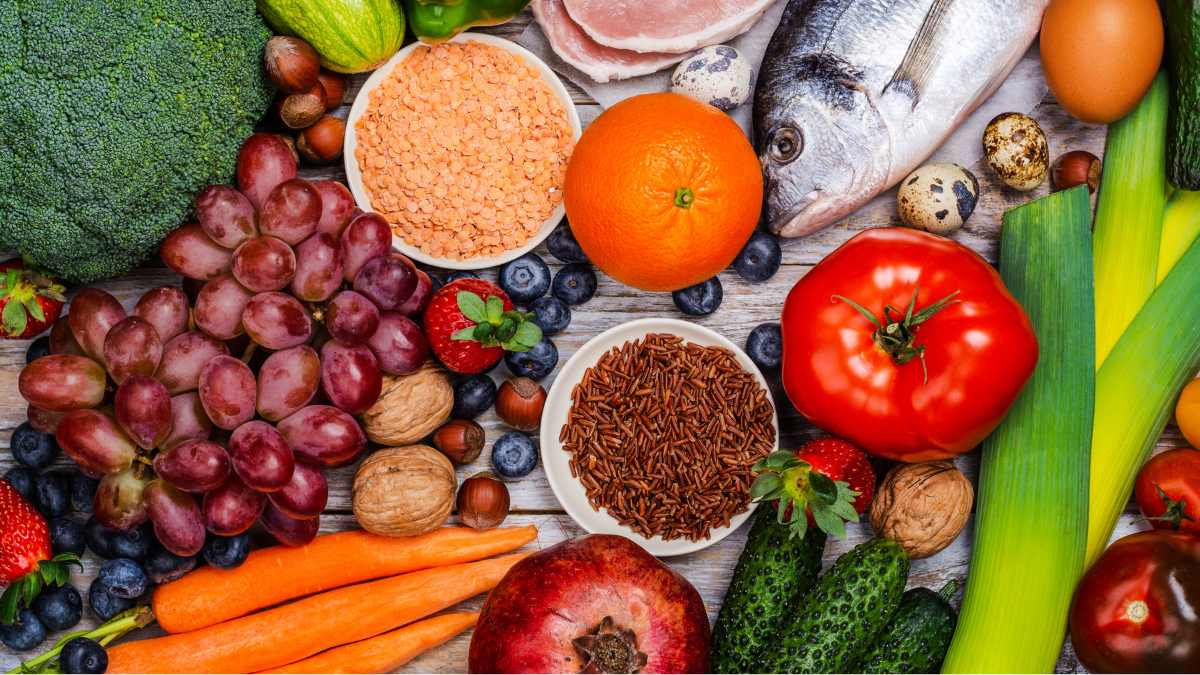

Introduction:
The Mediterranean diet is widely celebrated for its health benefits, emphasizing whole foods, healthy fats, and a variety of flavors. While olive oil often takes center stage in discussions about healthy fats, the role of butter in this diet is often overlooked. Understanding what types of butter can be included in a Mediterranean lifestyle is essential for those looking to maintain a balanced and nutritious diet. This article will explore the role of fats, the nutritional profiles of different types of butter, and how to incorporate them into a Mediterranean diet effectively.
Understanding the Role of Fats in the Mediterranean Diet
Fats are an essential component of the Mediterranean diet, contributing to flavor, satiety, and overall health. The Mediterranean diet is characterized by a higher intake of monounsaturated fats, primarily from sources like olive oil, nuts, and avocados. These fats have been linked to lower rates of heart disease and improved cholesterol levels. However, the inclusion of other fats, such as butter, can also play a role in this dietary pattern when consumed in moderation.
The Mediterranean diet promotes the idea that not all fats are created equal. While saturated fats, typically found in butter, are often viewed with caution, recent studies suggest that the context in which these fats are consumed matters significantly. When balanced with healthier fats and consumed as part of a diet rich in fruits, vegetables, whole grains, and lean proteins, butter can fit into the Mediterranean lifestyle without compromising health.
Moreover, the Mediterranean diet encourages a holistic approach to eating, emphasizing the importance of enjoying food in a social setting. This cultural aspect often includes the use of butter in traditional recipes, enhancing flavors and providing a sense of comfort. Understanding the role of fats, including butter, is crucial for those wishing to embrace this diet fully.
Finally, it is essential to recognize that the Mediterranean diet is not a strict regimen but rather a flexible framework. This allows individuals to adapt their fat sources according to personal preferences and nutritional needs, making it easier to include butter in moderation.
Types of Butter: Nutritional Profiles and Benefits
When considering butter in the context of the Mediterranean diet, it is essential to examine the different types available. Traditional butter, made from cow’s milk, is the most common type. It contains about 80% fat, with a mix of saturated and unsaturated fats. While it is high in calories, it also provides fat-soluble vitamins like A, D, E, and K, which are vital for various bodily functions.
Another option is cultured butter, which is made from cream that has been fermented with specific bacteria. This fermentation process not only adds a tangy flavor but also increases the presence of probiotics, which can benefit gut health. Cultured butter is often preferred for its richer taste and potential health benefits, making it a suitable choice for those following a Mediterranean diet.
Grass-fed butter is another noteworthy option. It comes from cows that have been fed a diet primarily of grass, which alters the nutritional profile of the butter. Grass-fed butter tends to have higher levels of omega-3 fatty acids and conjugated linoleic acid (CLA), both of which are associated with various health benefits, including improved heart health and reduced inflammation. This type of butter aligns well with the Mediterranean emphasis on nutrient-dense foods.
Lastly, ghee, or clarified butter, is worth mentioning. It is made by simmering butter to remove water and milk solids, resulting in a pure fat that has a high smoke point. Ghee is lactose-free and can be a suitable alternative for those with dairy sensitivities. Its rich flavor and versatility in cooking make it a popular choice in various cuisines, including Mediterranean dishes.
Clarified Butter: A Healthier Alternative for Cooking
Clarified butter, or ghee, has gained popularity as a healthier alternative to traditional butter, especially in cooking. The process of clarification removes the milk solids and water, resulting in a product that is more stable at high temperatures. This makes ghee an excellent option for sautéing, frying, and baking, as it does not burn as easily as regular butter.
One of the significant benefits of clarified butter is its high smoke point, which is around 450°F (232°C). This property allows it to retain its nutritional integrity and flavor when exposed to heat. As a result, it can be used in various Mediterranean recipes, from roasted vegetables to grilled meats, without compromising health.
Moreover, ghee is rich in butyrate, a short-chain fatty acid that has been linked to several health benefits, including improved gut health and reduced inflammation. This aligns well with the Mediterranean diet’s focus on foods that promote overall well-being. Incorporating ghee into the diet can enhance the flavor of dishes while providing additional health benefits.
Finally, ghee’s versatility extends beyond cooking. It can be used as a spread, similar to butter, or incorporated into sauces and dressings. This adaptability makes it an excellent choice for those looking to enjoy the rich flavors of butter while adhering to the principles of the Mediterranean diet.
The Impact of Grass-Fed Butter on Mediterranean Health
Grass-fed butter is increasingly recognized for its potential health benefits, making it a valuable addition to a Mediterranean diet. The nutritional profile of grass-fed butter differs significantly from that of conventional butter. It contains higher levels of beneficial nutrients, including omega-3 fatty acids and vitamins A and K2. These nutrients are essential for maintaining cardiovascular health and supporting the immune system.
Research suggests that the consumption of omega-3 fatty acids can reduce inflammation and lower the risk of chronic diseases, such as heart disease and diabetes. By incorporating grass-fed butter into a Mediterranean diet, individuals can enhance their intake of these healthy fats while enjoying the rich, creamy flavor that butter provides.
Additionally, the presence of CLA in grass-fed butter has been linked to weight management and improved metabolic health. CLA may help reduce body fat and increase lean muscle mass, making it a beneficial choice for those looking to maintain a healthy weight while following the Mediterranean diet.
Furthermore, grass-fed butter aligns with the Mediterranean diet’s emphasis on sourcing high-quality, nutrient-dense foods. By choosing grass-fed options, individuals can support sustainable farming practices and contribute to their overall health. This choice reflects the Mediterranean philosophy of prioritizing quality over quantity in food consumption.
Incorporating Olive Oil: A Key Component of the Diet
While butter can be a delightful addition to the Mediterranean diet, it is essential to remember that olive oil remains the cornerstone of this culinary tradition. Renowned for its heart-healthy properties, olive oil is rich in monounsaturated fats and antioxidants, making it a staple in Mediterranean cooking. It is often used in dressings, marinades, and as a finishing oil for various dishes.
Olive oil complements the flavors of butter, allowing for a harmonious balance in cooking. For instance, a blend of olive oil and butter can enhance the richness of sautéed vegetables or add depth to roasted meats. This combination not only elevates the taste but also provides a broader spectrum of nutrients, benefiting overall health.
Moreover, the Mediterranean diet emphasizes the importance of using high-quality, extra virgin olive oil. This type of oil is extracted from the first pressing of olives and retains the highest levels of nutrients and antioxidants. When combined with butter, it can create a flavorful and healthful base for various dishes.
Incorporating olive oil into the diet alongside butter allows for a diverse range of flavors and textures. This approach aligns with the Mediterranean philosophy of enjoying food in moderation and variety, ensuring that individuals can savor the richness of both fats while reaping their health benefits.
Balancing Butter Consumption with Other Healthy Fats
To fully embrace the Mediterranean diet, it is crucial to balance butter consumption with other healthy fats. While butter can add flavor and richness to dishes, it should be consumed in moderation, especially considering its higher saturated fat content. The key to a healthy Mediterranean diet lies in variety and moderation, allowing individuals to enjoy the benefits of different fat sources.
In addition to olive oil and grass-fed butter, incorporating nuts, seeds, and fatty fish into the diet can provide a broader range of healthy fats. These foods are rich in omega-3 fatty acids and other essential nutrients that contribute to heart health and overall well-being. By diversifying fat sources, individuals can enjoy a more balanced nutrient profile.
Furthermore, understanding portion sizes is critical when incorporating butter into the diet. Using butter as a flavor enhancer rather than the primary fat source can help maintain a healthy balance. For example, a small amount of butter can be used to sauté vegetables, while olive oil can be drizzled over the dish before serving.
Ultimately, the Mediterranean diet encourages a holistic approach to eating, where the enjoyment of food is paramount. By balancing butter with other healthy fats, individuals can create delicious and nutritious meals that align with the principles of this celebrated dietary pattern.
Conclusions:
Incorporating butter into a Mediterranean diet can be a delightful and nutritious choice when done thoughtfully. By understanding the different types of butter available, such as traditional, cultured, grass-fed, and clarified butter, individuals can make informed decisions about their fat sources. Balancing butter consumption with healthy fats like olive oil, nuts, and fatty fish is essential for maintaining overall health and enjoying the flavors of the Mediterranean.
The Mediterranean diet is not just about specific foods but rather a lifestyle that emphasizes variety, moderation, and the enjoyment of meals. By embracing this philosophy, individuals can savor the richness of butter while reaping the numerous health benefits associated with a Mediterranean way of eating.
Read more:
-
Mediterranean Diet: A Comprehensive Guide – This article provides an in-depth overview of the Mediterranean diet, its benefits, and how to implement it in daily life.
-
The Health Benefits of Grass-Fed Butter – A scientific study discussing the nutritional advantages of grass-fed butter compared to conventional butter.
-
Clarified Butter vs. Regular Butter: What’s the Difference? – An informative piece outlining the differences between clarified butter and regular butter, including health benefits.
-
Understanding the Role of Fats in a Healthy Diet – A detailed explanation of the different types of fats and their roles in a balanced diet.
-
Olive Oil: A Key Component of the Mediterranean Diet – A research article highlighting the importance of olive oil in the Mediterranean diet and its associated health benefits.