

Introduction:
The Mediterranean diet is renowned for its numerous health benefits, including weight loss and improved cardiovascular health. This dietary approach emphasizes whole foods, healthy fats, and a variety of plant-based ingredients. However, beverages play a crucial role in this lifestyle, influencing not only hydration but also overall health and weight management. Understanding what to drink can help individuals align their beverage choices with their weight loss goals while adhering to the principles of the Mediterranean diet.
Understanding the Mediterranean Diet: A Nutritional Overview
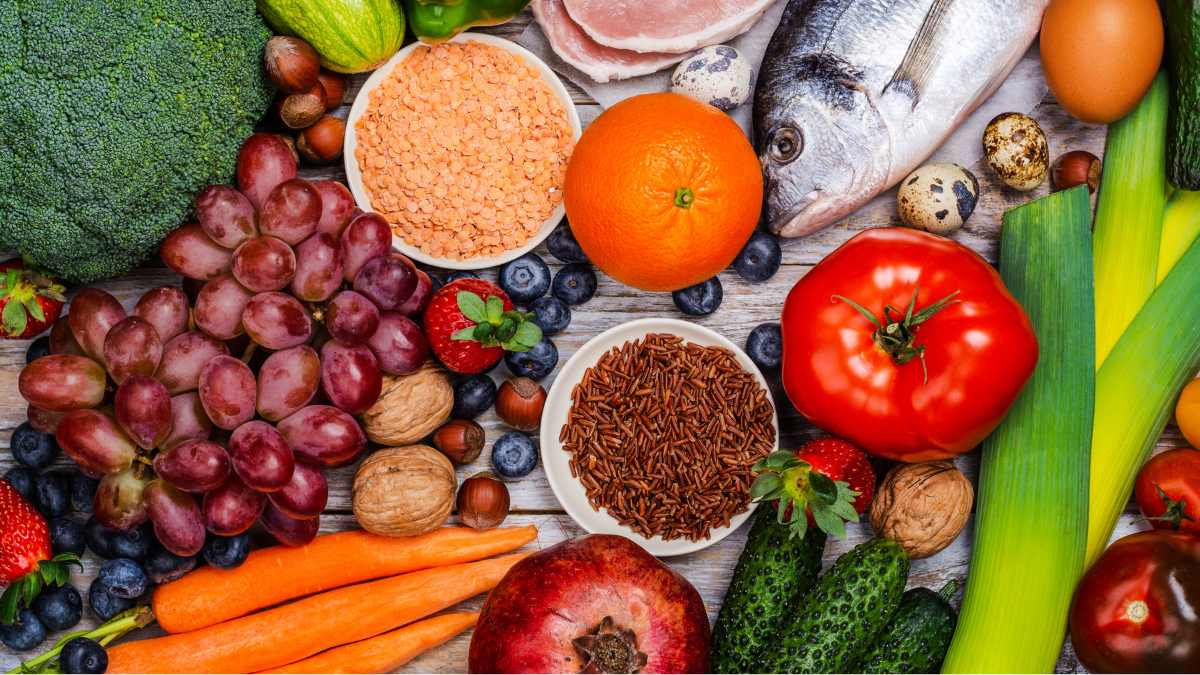
The Mediterranean diet is characterized by a high intake of fruits, vegetables, whole grains, legumes, nuts, and seeds, accompanied by moderate consumption of fish and poultry. It also includes healthy fats, primarily from olive oil, while limiting red meat and processed foods. This dietary pattern is not just about food; it incorporates a lifestyle that values social eating, physical activity, and mindful consumption.
One of the diet’s core principles is the emphasis on whole, minimally processed foods. This approach not only provides essential nutrients but also helps in managing calorie intake, which is crucial for weight loss. The Mediterranean diet is rich in fiber, which promotes satiety and helps regulate blood sugar levels, making it easier to maintain a healthy weight.
Moreover, the Mediterranean diet is associated with a variety of health benefits, including reduced risk of chronic diseases such as heart disease, diabetes, and certain cancers. The combination of nutrient-dense foods and healthy fats contributes to a balanced intake of macronutrients and micronutrients, supporting overall well-being.
In essence, the Mediterranean diet is more than just a set of dietary guidelines; it is a holistic approach to eating that encourages a sustainable lifestyle. Understanding this framework is essential for making informed choices about beverages that can support weight loss and overall health.
Key Beverages That Support Weight Loss Goals
When it comes to beverages that align with the Mediterranean diet, there are several options that can aid in weight loss. Water should be the primary choice, as it is calorie-free and essential for hydration. Staying well-hydrated can help control appetite and prevent overeating, making it a vital component of any weight loss strategy.
Another beneficial beverage is unsweetened herbal tea. Herbal teas, such as green tea, peppermint, and chamomile, not only provide hydration but also offer various health benefits. Green tea, in particular, is rich in antioxidants and has been shown to boost metabolism and promote fat oxidation, making it an excellent choice for those looking to shed pounds.
Coffee can also be included in moderation. Black coffee is low in calories and can enhance metabolic rate due to its caffeine content. However, it is essential to avoid excessive sugar and cream, which can add unnecessary calories. Opting for black coffee or a splash of milk can keep it aligned with the Mediterranean principles.
Lastly, fresh vegetable juices can be a nutritious addition to the diet. They provide vitamins and minerals while being low in calories. However, it is crucial to consume them in moderation and ensure they are made from whole vegetables without added sugars.
The Role of Water in the Mediterranean Lifestyle
Water is the cornerstone of the Mediterranean lifestyle. It is essential for maintaining hydration, supporting digestion, and facilitating metabolic processes. Drinking adequate amounts of water can help individuals feel full, reducing the likelihood of snacking between meals. This is particularly important for those aiming to lose weight.
In Mediterranean cultures, water is often consumed throughout the day, with meals and snacks. This practice not only aids in digestion but also encourages mindful eating. By drinking water before meals, individuals can better gauge their hunger levels and avoid overeating.
In addition to plain water, incorporating infused water with fruits, herbs, or vegetables can enhance flavor without adding calories. This can make hydration more enjoyable and encourage higher water intake. Options like lemon, cucumber, or mint can add a refreshing twist to plain water.
Overall, prioritizing water intake is a simple yet effective strategy for supporting weight loss within the Mediterranean diet framework. It promotes a sense of fullness, aids digestion, and supports overall health.
Herbal Teas: Benefits and Recommendations for Weight Loss
Herbal teas are a staple in the Mediterranean diet, offering a variety of flavors and health benefits. These teas are typically low in calories and can be enjoyed hot or cold, making them versatile options for hydration. Certain herbal teas, such as green tea, have been extensively studied for their potential weight loss benefits.
Green tea is particularly noteworthy due to its high concentration of catechins, which are antioxidants that may enhance fat burning and improve metabolic rate. Studies suggest that regular consumption of green tea can lead to modest weight loss, especially when combined with a healthy diet and exercise.
Other herbal teas, such as peppermint and ginger tea, can aid digestion and help reduce bloating, which can be particularly beneficial for those on a weight loss journey. Peppermint tea has a refreshing flavor and can help curb cravings, while ginger tea is known for its anti-inflammatory properties and can support metabolic health.
When incorporating herbal teas into the diet, it is essential to choose varieties without added sugars or artificial ingredients. Drinking these teas regularly can not only support weight loss but also contribute to overall well-being and hydration.
The Impact of Wine Consumption on Weight Management
Wine, particularly red wine, is often associated with the Mediterranean lifestyle. Moderate consumption of red wine has been linked to various health benefits, including improved heart health and longevity. However, when it comes to weight management, moderation is key.
Red wine contains antioxidants such as resveratrol, which may have beneficial effects on metabolism and fat storage. Some studies suggest that moderate wine consumption can be part of a healthy diet without hindering weight loss efforts. However, it is essential to limit intake to one glass per day for women and up to two glasses for men, as excessive alcohol can lead to weight gain.
Additionally, the caloric content of wine should be considered. A standard glass of red wine contains approximately 125 calories, which can add up quickly if consumed in larger quantities. To maintain weight loss goals, it is crucial to account for these calories within the overall daily caloric intake.
In summary, while moderate wine consumption can fit into the Mediterranean diet, it is essential to be mindful of portion sizes and overall caloric intake. Balancing wine with a nutrient-dense diet can help individuals enjoy its benefits without compromising their weight loss goals.
Avoiding Sugary Drinks: Healthier Alternatives to Consider
One of the primary challenges in achieving weight loss is the consumption of sugary drinks. Beverages such as sodas, sweetened teas, and energy drinks can significantly contribute to excess calorie intake without providing any nutritional value. These drinks are often high in sugar and can lead to weight gain and other health issues.
To support weight loss on a Mediterranean diet, it is crucial to avoid these sugary beverages and opt for healthier alternatives. Sparkling water with a splash of lemon or lime can provide a refreshing, low-calorie option that satisfies the craving for something fizzy without the added sugars.
Another excellent alternative is homemade iced tea. By brewing tea and chilling it, individuals can create a flavorful beverage without the excessive sugars found in store-bought versions. Adding fresh fruits or herbs can enhance the flavor, making it a delightful choice.
For those who enjoy smoothies, it is essential to focus on whole fruits and vegetables rather than fruit juices that are high in sugar. Blending whole fruits with leafy greens and water or unsweetened almond milk can create a nutritious, filling drink that aligns with the Mediterranean diet principles.
By consciously avoiding sugary drinks and choosing healthier alternatives, individuals can significantly reduce their caloric intake and support their weight loss efforts while enjoying a variety of flavorful beverages.
Conclusions:
Incorporating the right beverages into a Mediterranean diet can significantly enhance weight loss efforts. By prioritizing water, herbal teas, and moderate wine consumption while avoiding sugary drinks, individuals can create a balanced approach to hydration that supports their health goals. The Mediterranean lifestyle promotes not only nutritious eating but also mindful drinking, which is essential for achieving and maintaining a healthy weight.
Read more:
- Mediterranean Diet Overview – Mayo Clinic – A comprehensive guide to the Mediterranean diet and its health benefits.
- Green Tea and Weight Loss – Healthline – An article discussing the effects of green tea on weight management.
- The Role of Water in Weight Loss – WebMD – Insights into how water consumption aids in weight loss.
- Herbal Teas and Their Benefits – Medical News Today – A detailed look at various herbal teas and their health benefits.
- Moderate Alcohol Consumption and Health – Harvard Health – Information on the health implications of moderate wine consumption.