

Introduction:
The Mediterranean diet is celebrated for its health benefits and delicious flavors, emphasizing whole foods, healthy fats, and a variety of plant-based ingredients. While many people associate this dietary pattern with fresh fruits, vegetables, and grains, snacks also play a role in maintaining a balanced lifestyle. One common snack option is chips, which can be enjoyed in moderation if chosen wisely. This article explores the types of chips compatible with the Mediterranean diet, focusing on nutritional guidelines, ingredient evaluations, homemade alternatives, and how to balance chips with other dietary components.
Understanding the Mediterranean Diet: Key Principles Explained
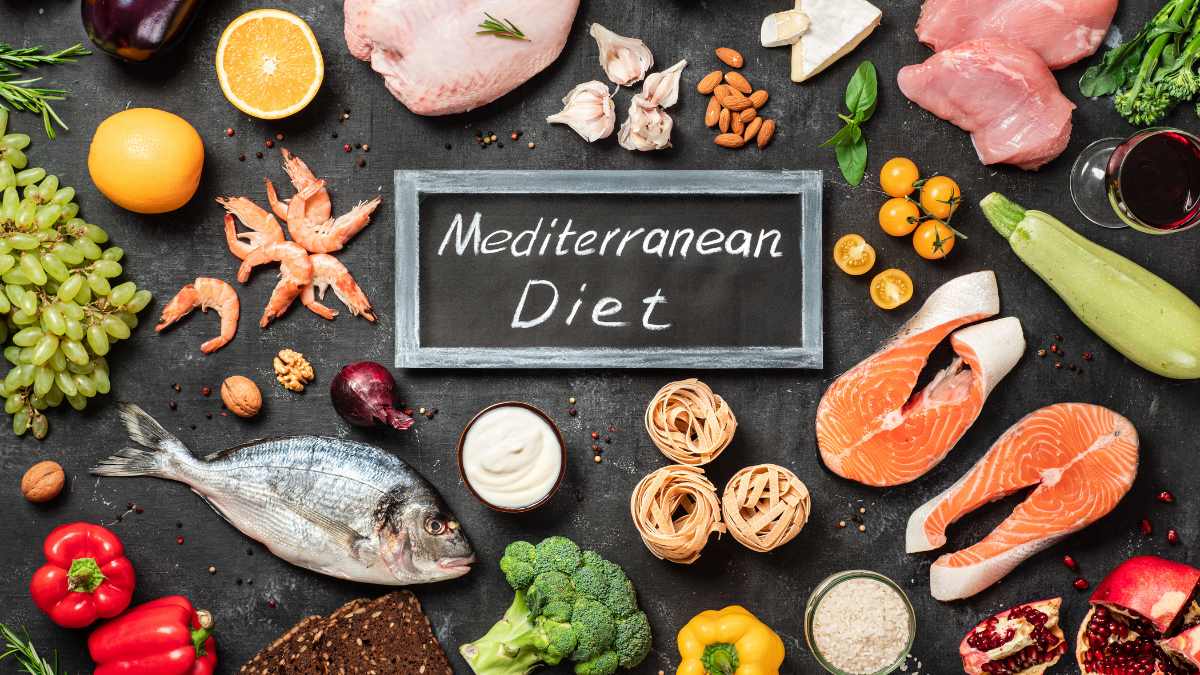
The Mediterranean diet is rooted in the traditional eating habits of countries bordering the Mediterranean Sea, such as Greece, Italy, and Spain. Its key principles include a high intake of fruits, vegetables, whole grains, legumes, and nuts, along with moderate consumption of fish and poultry. Olive oil serves as the primary source of fat, while red meat and sweets are limited. This diet is not just about food choices; it also emphasizes the importance of communal meals and physical activity, contributing to overall well-being.
One of the defining features of the Mediterranean diet is its focus on nutrient-dense foods that provide essential vitamins, minerals, and antioxidants. This approach promotes heart health, weight management, and reduced risk of chronic diseases. The diet is also characterized by its flexibility, allowing for a variety of foods and flavors, which makes it enjoyable and sustainable for many individuals.
In addition to food choices, the Mediterranean diet encourages mindful eating practices. This includes savoring meals, enjoying them with family and friends, and being aware of portion sizes. Such habits not only enhance the eating experience but also contribute to better digestion and satisfaction. Understanding these principles is crucial when considering snack options like chips, as they should align with the overall philosophy of the diet.
Ultimately, the Mediterranean diet is about balance and moderation. Incorporating chips into this dietary framework requires careful selection of ingredients and mindful consumption. By understanding the core principles of the Mediterranean diet, individuals can make informed choices about snacks that complement their overall health goals.
Nutritional Guidelines for Snack Choices in the Mediterranean Diet
When selecting snacks within the Mediterranean diet, it is essential to prioritize nutrient density and wholesome ingredients. Snacks should ideally be rich in fiber, healthy fats, and protein while low in added sugars and unhealthy fats. This means that traditional potato chips, often high in saturated fats and sodium, may not be the best choice. Instead, opting for snacks that provide essential nutrients can enhance overall dietary quality.
In general, the Mediterranean diet encourages the consumption of whole, minimally processed foods. This includes whole grain crackers, nuts, seeds, and vegetables. These options not only align with the diet’s principles but also provide sustained energy and satiety. When considering chips, it is crucial to look for options made from whole grains or legumes, as these can offer more fiber and nutrients compared to their conventional counterparts.
Portion control is another vital aspect of snacking on the Mediterranean diet. Even healthier chips should be consumed in moderation to avoid excessive calorie intake. A good practice is to pair chips with nutrient-rich dips, such as hummus or tzatziki, which can enhance the snack’s nutritional profile while promoting a balanced approach to eating.
Lastly, hydration should not be overlooked. When snacking, it’s important to drink plenty of water or herbal teas, as this can help with digestion and overall health. By following these nutritional guidelines, individuals can enjoy chips as part of a balanced Mediterranean diet without compromising their health goals.
Types of Chips Compatible with Mediterranean Dietary Practices
There are several types of chips that can fit well within the Mediterranean dietary framework. Chickpea chips, for instance, are a popular alternative that provides plant-based protein and fiber. Made from ground chickpeas, these chips are often baked rather than fried, making them a healthier option. They can be found in various flavors, adding a delightful twist to snacking.
Another option is vegetable chips, which can be made from a variety of vegetables such as kale, sweet potatoes, and beets. These chips retain many of the nutrients found in the whole vegetables and can be seasoned with Mediterranean herbs and spices. Baked vegetable chips are often lower in calories and fat compared to traditional potato chips, making them a suitable choice for those following the Mediterranean diet.
Whole grain chips, such as those made from brown rice or quinoa, also align with the diet’s principles. These chips often contain more fiber and essential nutrients compared to their white potato counterparts. They can be enjoyed plain or with dips, providing a satisfying crunch while supporting overall health.
Lastly, seaweed chips are gaining popularity as a Mediterranean-friendly snack. Rich in minerals and low in calories, these chips offer a unique flavor profile and can be a great source of iodine. When choosing chips, it is essential to read labels and select options that are minimally processed and free from artificial additives.
Evaluating Ingredients: Healthier Chip Options to Consider
When evaluating chip options for the Mediterranean diet, ingredient lists are crucial. Look for chips made from whole, natural ingredients without artificial flavors or preservatives. Ideally, the first ingredient should be a whole grain, legume, or vegetable. This ensures that the chips provide more nutrients and fiber, aligning with the diet’s emphasis on wholesome foods.
Another important factor is the type of oil used in the chips. Opt for chips cooked in heart-healthy oils, such as olive oil or avocado oil. These oils are staples of the Mediterranean diet and provide beneficial monounsaturated fats. Avoid chips fried in unhealthy oils, such as palm or soybean oil, which can negate the health benefits of the snack.
Sodium content is another aspect to consider. Many commercial chips are high in salt, which can contribute to hypertension and other health issues. Look for low-sodium options or those flavored with herbs and spices instead of salt. This not only enhances the flavor but also aligns with the Mediterranean diet’s focus on fresh, vibrant ingredients.
Lastly, consider the serving size. Even healthier chips can contribute to excess calorie intake if consumed in large quantities. It’s important to be mindful of portion sizes and to enjoy chips as part of a balanced snack that includes other nutrient-dense foods, such as fruits, vegetables, or dips.
Homemade Mediterranean-Inspired Chips: Recipes and Tips
Creating homemade chips is an excellent way to enjoy a Mediterranean-friendly snack while controlling the ingredients. One simple recipe is for baked chickpea chips. To make them, rinse and dry canned chickpeas, toss them with olive oil and your favorite spices, and bake until crispy. These chips are not only delicious but also provide a good source of protein and fiber.
Another option is to make vegetable chips. Thinly slice vegetables like zucchini, sweet potatoes, or beets, toss them with olive oil and seasonings, and bake until crispy. This method allows you to experiment with different flavors and textures while ensuring that your chips are free from unhealthy additives.
For those who enjoy a crunch, consider making whole grain crackers. Mix whole wheat flour, olive oil, and water to form a dough, roll it out thinly, and bake until crisp. These crackers can be seasoned with Mediterranean herbs like oregano or rosemary, adding a flavorful twist to your snacking experience.
Lastly, if you’re a fan of seaweed, try making homemade seaweed chips. Simply brush nori sheets with olive oil, sprinkle with sea salt, and bake until crispy. These chips are low in calories and packed with nutrients, making them a perfect addition to a Mediterranean-inspired snack platter.
Balancing Chips with Other Mediterranean Diet Components
While chips can be a delightful snack, it’s essential to balance them with other components of the Mediterranean diet. Pairing chips with nutrient-rich dips, such as hummus or baba ghanoush, can enhance their nutritional value. These dips are made from legumes and vegetables, providing additional fiber, protein, and healthy fats.
Incorporating fresh vegetables into your snacking routine is another effective strategy. Slicing cucumbers, bell peppers, or carrots to enjoy alongside chips can add crunch and nutrients. This combination not only promotes satiety but also ensures that your snack is well-rounded and satisfying.
Additionally, consider the timing of your snacks. Enjoying chips as part of a larger meal, such as a Mediterranean mezze platter, can create a more balanced eating experience. This approach allows for a variety of flavors and nutrients, making the meal more enjoyable and fulfilling.
Lastly, remember to stay hydrated. Drinking water or herbal teas while snacking can aid digestion and help you feel more satisfied. By balancing chips with other healthy components of the Mediterranean diet, you can enjoy them without compromising your overall health goals.
Conclusions:
Incorporating chips into a Mediterranean diet is possible with careful selection and mindful consumption. By understanding the principles of the Mediterranean diet and focusing on nutrient-dense, minimally processed options, individuals can enjoy chips while maintaining their health objectives. Homemade alternatives offer a creative way to indulge in this snack, ensuring that the ingredients align with the diet’s core values. Ultimately, balancing chips with other nutritious foods and staying mindful of portion sizes will allow for a satisfying and healthful snacking experience.
Read more
- Mediterranean Diet Basics – A comprehensive guide to the Mediterranean diet, including its benefits and key components.
- Healthy Snack Ideas – Tips for choosing healthy snacks that fit various dietary patterns, including the Mediterranean diet.
- Homemade Chips Recipes – A collection of healthy chip recipes that can be easily made at home.
- Understanding Nutritional Labels – A guide on how to read and understand food labels, which is essential for making informed snack choices.
- Mediterranean Diet and Heart Health – An overview of how the Mediterranean diet supports heart health and overall wellness.