

Introduction:
The Mediterranean diet is renowned for its health benefits, emphasizing whole foods, healthy fats, and a balanced approach to eating. While chips may not be the first food that comes to mind when considering this diet, there are ways to incorporate them without straying from its principles. Understanding the compatibility of chips with the Mediterranean diet requires a closer look at the diet’s core tenets, the nutritional value of chips, and the types that can fit within this framework. This article aims to explore these aspects in detail, providing insights into healthier chip options and making informed choices.
Understanding the Mediterranean Diet: Key Principles Explained
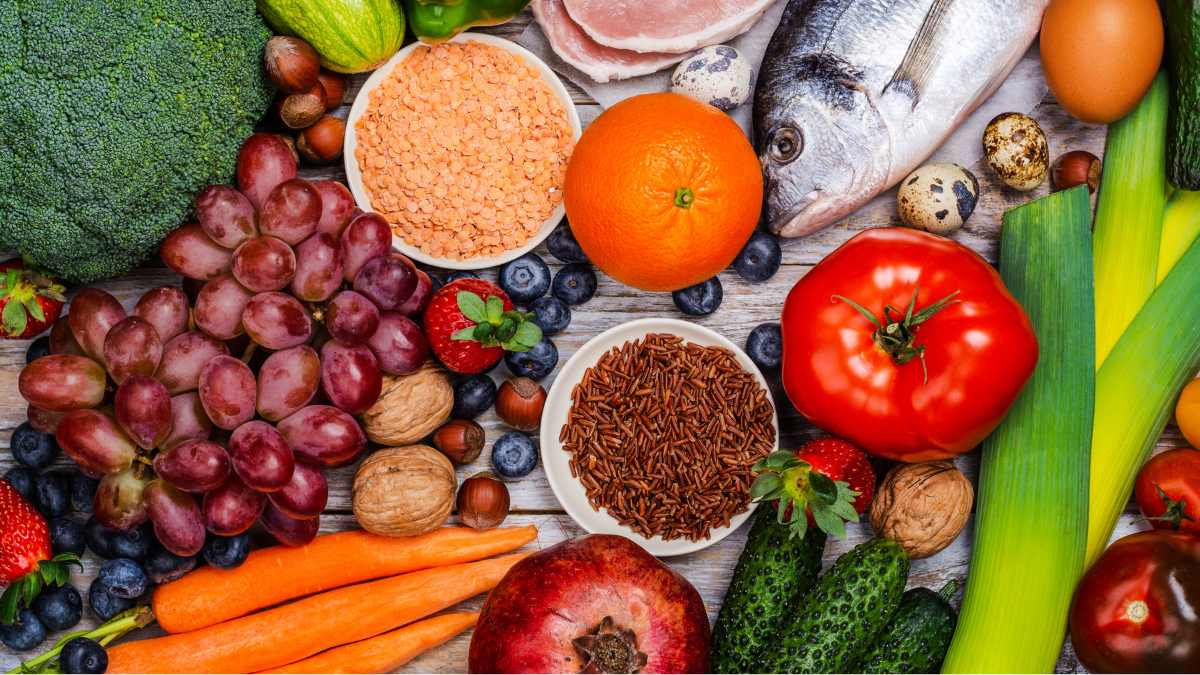
The Mediterranean diet is rooted in the traditional eating habits of countries bordering the Mediterranean Sea, such as Greece, Italy, and Spain. Key principles include a high intake of fruits, vegetables, whole grains, legumes, nuts, and seeds, along with moderate consumption of fish and poultry. Red meat is limited, and dairy products are consumed in moderation, primarily as yogurt and cheese. Olive oil is the primary source of fat, celebrated for its heart-healthy properties.
Another essential aspect of this diet is the emphasis on eating in moderation and enjoying meals with family and friends. This social component is crucial, as it promotes mindfulness and gratitude towards food. Additionally, the Mediterranean diet encourages physical activity, which complements the nutritional benefits of the food consumed. Understanding these principles is vital when evaluating what types of chips can be included in a Mediterranean-inspired eating plan.
The Mediterranean diet also prioritizes seasonal and local foods, which contribute to its sustainability and flavor. Freshness and variety are key, as they not only enhance the taste of meals but also ensure a diverse intake of nutrients. This focus on quality over quantity can help guide choices when selecting chips, steering consumers toward options that align with these values.
Lastly, the Mediterranean diet is not merely a set of rules but a lifestyle that fosters overall well-being. It promotes a balanced approach to eating, where indulgence is permissible as long as it is done thoughtfully. This philosophy can be applied to chips, allowing for enjoyment without compromising health.
Nutritional Value of Chips in a Mediterranean Context
When considering chips within the Mediterranean diet, it is essential to assess their nutritional value. Traditional potato chips are often high in unhealthy fats, sodium, and calories, which can detract from the health benefits associated with the Mediterranean lifestyle. However, not all chips are created equal. Some varieties can be made with healthier ingredients and cooking methods that align more closely with Mediterranean principles.
For instance, chips made from whole grains or legumes can offer a better nutritional profile. Whole grain chips provide fiber, which is beneficial for digestive health and can help maintain a feeling of fullness. Similarly, chips made from lentils or chickpeas are rich in protein and essential nutrients, making them a more satisfying snack option.
Moreover, the type of fat used in chip production plays a significant role in their healthfulness. Chips fried in olive oil or baked instead of fried can significantly reduce unhealthy fat content while enhancing flavor. Olive oil is a staple in the Mediterranean diet, known for its anti-inflammatory properties and heart health benefits, making it a preferable choice for chip preparation.
In summary, while traditional chips may not fit neatly into a Mediterranean diet, there are healthier alternatives that can provide a satisfying crunch without compromising nutritional integrity. Understanding these options is crucial for making informed choices.
Types of Chips Compatible with Mediterranean Guidelines
Several types of chips can be enjoyed while adhering to Mediterranean diet principles. Vegetable chips, such as those made from kale, beets, or zucchini, are excellent alternatives to traditional potato chips. These options are often lower in calories and can be baked rather than fried, retaining more nutrients and flavor.
Another popular choice is pita chips, which can be made from whole grain pita bread. When baked and seasoned with herbs and spices, they can serve as a delicious accompaniment to dips like hummus or tzatziki, both of which are staples in Mediterranean cuisine. This pairing not only enhances the flavor but also adds nutritional value to the snack.
Legume-based chips are also gaining popularity. Made from lentils, chickpeas, or black beans, these chips are high in protein and fiber, making them a more filling option. They often come in various flavors and can be a satisfying snack without the guilt associated with traditional chips.
Lastly, whole grain tortilla chips can be included in moderation. When made with whole grains and served with salsa or guacamole, they provide a crunchy snack that aligns with the Mediterranean diet’s emphasis on whole foods and healthy fats.
Recommended Ingredients for Healthier Chip Options
To create chips that fit within the Mediterranean diet, certain ingredients should be prioritized. Whole grains are a foundational component, providing essential nutrients and fiber. Look for chips made from whole wheat, brown rice, or quinoa, which can enhance the nutritional profile of the snack.
In addition to whole grains, the use of healthy fats is crucial. Opting for chips made with olive oil or avocado oil can significantly improve their healthfulness. These oils are rich in monounsaturated fats, which are beneficial for heart health and can help reduce inflammation.
Herbs and spices should also be utilized to enhance flavor without relying on excessive salt. Seasoning chips with ingredients like rosemary, oregano, garlic powder, or paprika can add depth and complexity to the taste while keeping sodium levels in check.
Finally, incorporating nutrient-dense toppings can elevate the chip experience. Pairing chips with dips made from legumes, such as hummus or bean spreads, can provide additional protein and fiber, making the snack more satisfying and nutritionally balanced.
Homemade vs. Store-Bought Chips: A Comparative Analysis
When considering chips for a Mediterranean diet, the choice between homemade and store-bought options is significant. Homemade chips allow for complete control over ingredients, cooking methods, and portion sizes. By making chips at home, individuals can use whole grains, healthy fats, and natural seasonings, ensuring that the final product aligns with the Mediterranean diet principles.
In contrast, store-bought chips can vary widely in terms of nutritional value. Many commercial brands use unhealthy oils, high levels of sodium, and artificial flavors. While some brands offer healthier options, it is essential to read labels carefully to avoid hidden ingredients that may not fit within a balanced diet.
Another advantage of homemade chips is the ability to experiment with flavors and textures. Baking or air-frying vegetables or whole grains can yield a satisfying crunch without the excess oil found in traditional frying methods. This approach not only enhances the health benefits but also allows for creative culinary exploration.
However, store-bought chips can offer convenience, making them a practical choice for busy lifestyles. If opting for store-bought, it is advisable to select brands that prioritize whole ingredients and minimal processing, ensuring that they align as closely as possible with the Mediterranean diet.
Conclusion: Making Informed Choices for a Balanced Diet
Incorporating chips into a Mediterranean diet is possible with careful consideration of ingredients and preparation methods. By choosing options that prioritize whole grains, healthy fats, and natural seasonings, individuals can enjoy a satisfying snack while adhering to the diet’s principles. Understanding the nutritional value of different chip varieties and making informed choices can enhance overall well-being.
Ultimately, the Mediterranean diet is about balance and moderation. Chips can be enjoyed as part of a varied and nutritious diet, provided they are selected and consumed mindfully. By embracing healthier chip options and preparing them at home, individuals can enjoy the crunch they crave without compromising their health goals.
Conclusions:
The Mediterranean diet offers a wealth of health benefits, and with the right choices, chips can be included in this balanced approach to eating. By understanding the principles of the diet, the nutritional value of chips, and the types that align with these guidelines, individuals can make informed decisions. Whether opting for homemade or carefully selected store-bought options, it is possible to enjoy chips while maintaining a commitment to health and well-being.
Read more
- Mediterranean Diet Overview – A comprehensive guide to the Mediterranean diet, its principles, and health benefits.
- Nutritional Benefits of Olive Oil – An exploration of the health benefits associated with olive oil, a key component of the Mediterranean diet.
- Healthy Snack Options – Recommendations for healthier snack choices that fit within various dietary frameworks.
- Legume-Based Snacks – A study on the nutritional advantages of legume-based snacks, including chips.
- Homemade vs. Store-Bought Snacks – A comparison of the benefits and drawbacks of homemade and store-bought snacks.