

Se hai un abbonamento attivo ACCEDI QUI
Introduction:
The Mediterranean diet is not just a way of eating; it is a lifestyle that emphasizes the consumption of fresh, wholesome foods, physical activity, and social interactions. This dietary pattern is inspired by the traditional eating habits of countries bordering the Mediterranean Sea, such as Greece, Italy, and Spain. One of the appealing aspects of this diet is the variety of flavors and textures it offers, largely thanks to the use of various condiments. Understanding which condiments are acceptable can enhance the enjoyment of meals while maintaining the health benefits associated with this diet.
Understanding the Mediterranean Diet: A Brief Overview
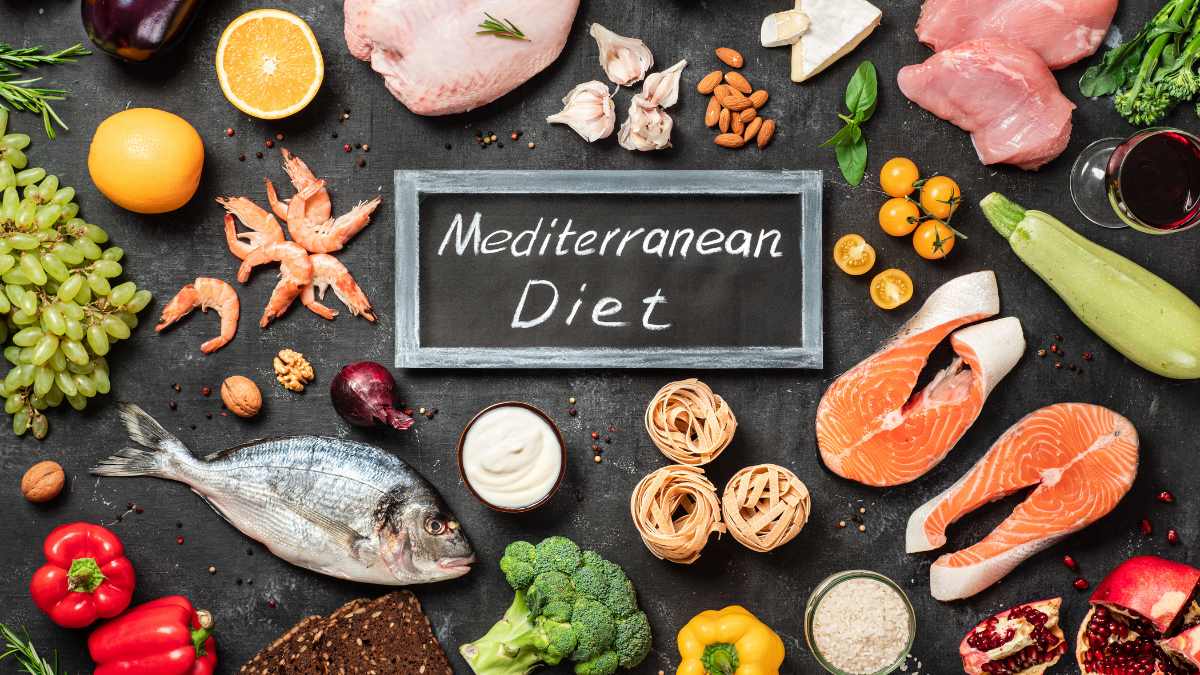
The Mediterranean diet is characterized by a high intake of fruits, vegetables, whole grains, legumes, nuts, and seeds. It encourages the consumption of healthy fats, particularly from olive oil, while promoting moderate consumption of fish and poultry. Red meat is limited, and dairy products, primarily cheese and yogurt, are consumed in moderation. This diet is rich in antioxidants, fiber, and healthy fats, contributing to numerous health benefits, including reduced risk of heart disease, diabetes, and certain cancers.
The Mediterranean diet is not merely a list of foods to eat or avoid; it is a holistic approach to eating that emphasizes balance and variety. The social aspect of meals is also significant, as sharing food with family and friends is encouraged. This communal aspect enhances the overall experience of eating and fosters a positive relationship with food. Additionally, the diet is adaptable, allowing for regional variations and personal preferences, making it accessible to many individuals.
Incorporating condiments into the Mediterranean diet can significantly enhance flavor without compromising health. However, it is essential to choose condiments wisely to align with the diet’s principles. Understanding the nutritional profiles of various condiments can help individuals make informed decisions that support their health goals while enjoying the rich flavors of Mediterranean cuisine.
The Mediterranean diet is often praised for its sustainability and environmental benefits. By focusing on plant-based foods and local ingredients, it promotes biodiversity and reduces the carbon footprint associated with food production. This aspect of the diet aligns with the growing awareness of the importance of sustainable eating practices in today’s world.
Key Principles of the Mediterranean Diet and Its Components
At the heart of the Mediterranean diet lies the principle of whole foods. This means prioritizing minimally processed foods that are rich in nutrients. Fruits and vegetables are staples, providing essential vitamins, minerals, and fiber. Whole grains, such as brown rice, quinoa, and whole wheat bread, are preferred over refined grains, contributing to sustained energy levels and digestive health.
Another key principle is the emphasis on healthy fats, particularly monounsaturated fats found in olive oil, nuts, and avocados. These fats are known to support heart health and reduce inflammation. Fish, especially fatty fish like salmon and sardines, are encouraged for their omega-3 fatty acids, which are beneficial for brain health. Poultry and eggs are consumed in moderation, while red meat is limited, aligning with the diet’s focus on plant-based foods.
The Mediterranean diet also promotes moderation and balance. It encourages enjoying food without guilt, allowing for occasional indulgences. This approach helps foster a healthy relationship with food, reducing the likelihood of binge eating or restrictive behaviors. Additionally, physical activity is an integral part of this lifestyle, with regular exercise being encouraged to complement dietary choices.
Lastly, the Mediterranean diet values seasonality and locality. Eating foods that are in season and sourced locally not only enhances flavor but also supports local economies and reduces environmental impact. This principle encourages individuals to be mindful of their food choices and fosters a deeper connection to the food they consume.
Acceptable Condiments: Analyzing Nutritional Profiles
When considering condiments for the Mediterranean diet, it is essential to analyze their nutritional profiles. Acceptable condiments are typically low in added sugars, unhealthy fats, and preservatives. Vinegars, such as balsamic and red wine vinegar, are excellent choices for dressings and marinades, offering flavor without excessive calories. They also contain antioxidants and may help regulate blood sugar levels.
Mustard is another condiment that fits well within the Mediterranean framework. It is low in calories and sugar while providing a tangy flavor that can enhance various dishes. Mustard is also rich in antioxidants and has anti-inflammatory properties, making it a healthy addition to salads and sandwiches.
Salsa and hummus are also acceptable condiments that align with the Mediterranean diet. Salsa, made from fresh tomatoes, onions, and herbs, is rich in vitamins and adds a fresh flavor to meals. Hummus, primarily made from chickpeas, is a great source of protein and fiber, making it a nutritious dip or spread. Both condiments can be easily incorporated into various dishes, enhancing flavor while providing health benefits.
Finally, yogurt-based sauces, such as tzatziki, are excellent for adding creaminess to meals without the unhealthy fats found in many traditional sauces. Made from yogurt, cucumbers, and herbs, tzatziki is refreshing and can be used as a dip or dressing. Its probiotic content also supports gut health, making it a beneficial condiment choice.
Olive Oil: The Cornerstone Condiment of the Diet
Olive oil is often regarded as the cornerstone of the Mediterranean diet, and for good reason. Rich in monounsaturated fats, particularly oleic acid, olive oil is known for its heart-healthy properties. Regular consumption of olive oil has been linked to lower levels of LDL cholesterol and reduced risk of cardiovascular diseases. Its anti-inflammatory properties also contribute to overall health, making it a staple in Mediterranean cooking.
Beyond its health benefits, olive oil is incredibly versatile in the kitchen. It can be used for sautéing, roasting, and as a base for salad dressings. The flavor profile of olive oil varies by region and type, ranging from fruity and mild to robust and peppery. This diversity allows individuals to experiment with different varieties to enhance their culinary creations.
In addition to its culinary uses, olive oil is rich in antioxidants, particularly vitamin E and polyphenols. These compounds help combat oxidative stress and may reduce the risk of chronic diseases. Incorporating olive oil into daily meals can significantly contribute to overall nutrient intake and health.
When selecting olive oil, it is essential to choose high-quality, extra virgin varieties. These oils are less processed and retain more of their beneficial compounds. Additionally, storing olive oil in a cool, dark place helps preserve its quality and flavor, ensuring that it remains a nutritious addition to the Mediterranean diet.
Herbs and Spices: Flavor Enhancers with Health Benefits
Herbs and spices play a crucial role in the Mediterranean diet, not only for their ability to enhance flavor but also for their numerous health benefits. Fresh herbs such as basil, parsley, oregano, and thyme are commonly used in Mediterranean cuisine. They are rich in antioxidants and possess anti-inflammatory properties, contributing to overall health and well-being.
Using herbs and spices as condiments allows for flavorful meals without the need for excessive salt or unhealthy sauces. For example, a sprinkle of fresh herbs can elevate a simple dish of roasted vegetables or grilled fish, adding depth and complexity. Additionally, many herbs, such as rosemary and sage, have been associated with improved digestion and cognitive function.
Spices like cumin, coriander, and paprika are also prevalent in Mediterranean cooking. They not only add flavor but also provide various health benefits. For instance, cumin is known for its digestive properties, while paprika is rich in vitamins A and E. Incorporating a variety of herbs and spices into meals can enhance flavor while promoting health.
Moreover, the use of herbs and spices aligns with the Mediterranean diet’s emphasis on whole foods and natural ingredients. By relying on these flavor enhancers, individuals can create delicious meals that are both satisfying and healthful. The versatility of herbs and spices allows for endless culinary creativity, making it easy to adhere to the principles of the Mediterranean diet.
Condiments to Avoid: Preservatives and Unhealthy Fats
While the Mediterranean diet encourages a variety of condiments, it is equally important to be aware of those that should be avoided. Many commercially available condiments contain added sugars, unhealthy fats, and preservatives that can detract from the health benefits of the diet. For example, ketchup and certain salad dressings often contain high levels of sugar and artificial ingredients, making them less desirable choices.
Mayonnaise is another condiment that can be problematic due to its high content of unhealthy fats and calories. While homemade mayonnaise can be made with healthier oils, many store-bought versions contain additives and preservatives that do not align with the Mediterranean diet’s principles. Opting for alternatives like yogurt-based dressings can provide a healthier option without sacrificing flavor.
Additionally, many sauces and marinades found in grocery stores are laden with sodium and artificial flavorings. These can contribute to excessive sodium intake, which is associated with hypertension and other health issues. Instead, individuals are encouraged to make their own sauces using fresh ingredients and herbs, ensuring that they control the quality and nutritional content.
Finally, it is essential to be cautious with processed condiments that claim to be "light" or "low-fat." Often, these products replace fat with sugar or artificial ingredients, negating their intended health benefits. By focusing on whole, natural ingredients and homemade condiments, individuals can adhere to the Mediterranean diet while enjoying flavorful meals.
Conclusions:
Incorporating condiments into the Mediterranean diet can significantly enhance the flavor and enjoyment of meals while supporting overall health. By understanding the key principles of the diet and selecting acceptable condiments, individuals can create delicious and nutritious dishes that align with this lifestyle. Emphasizing whole foods, healthy fats, and fresh herbs and spices allows for a satisfying culinary experience that promotes well-being.
Read more:
- The Mediterranean Diet: A Comprehensive Guide – A detailed overview of the Mediterranean diet, its benefits, and key components.
- Olive Oil Health Benefits – An in-depth analysis of the health benefits associated with olive oil consumption.
- Herbs and Spices: Nutritional Benefits – A research article discussing the health benefits of various herbs and spices commonly used in Mediterranean cuisine.
- Condiments to Avoid for a Healthy Diet – A guide on which condiments to avoid for better health.
- Mediterranean Diet: A Lifestyle Approach – An article from the Mayo Clinic outlining the Mediterranean diet and its lifestyle implications.