

Introduction:
The Mediterranean diet is renowned for its health benefits, emphasizing whole foods, healthy fats, and a balanced approach to eating. While many may associate this dietary pattern with savory dishes, it also allows for a variety of delicious desserts. Understanding how to incorporate sweets into this lifestyle can enhance enjoyment without compromising health. This article explores the principles of the Mediterranean diet, the nutritional components of its desserts, popular options, healthier alternatives, and how to enjoy sweets within its guidelines.
Understanding the Mediterranean Diet: A Brief Overview
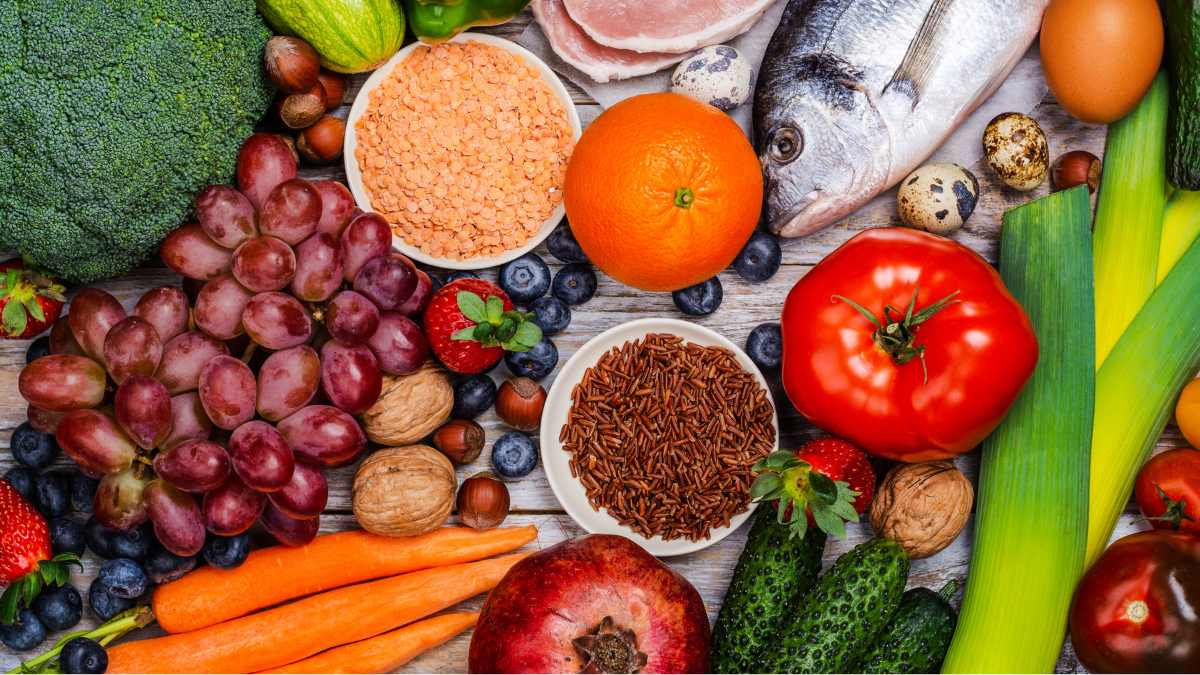
The Mediterranean diet is inspired by the traditional eating habits of countries bordering the Mediterranean Sea, including Greece, Italy, and Spain. It focuses on a high intake of fruits, vegetables, whole grains, legumes, nuts, and seeds, while promoting healthy fats, particularly olive oil. Fish and poultry are preferred over red meat, and dairy is consumed in moderation, primarily in the form of yogurt and cheese. This diet is not just about food choices; it also emphasizes the importance of enjoying meals with family and friends.
One of the key aspects of the Mediterranean diet is its flexibility. It allows for a variety of foods and encourages individuals to listen to their bodies and eat mindfully. This approach fosters a positive relationship with food, reducing the likelihood of restrictive eating patterns. Moreover, the diet is rich in antioxidants, fiber, and healthy fats, contributing to its reputation as a heart-healthy eating pattern.
Research has shown that adhering to the Mediterranean diet can lead to numerous health benefits, including reduced risks of heart disease, stroke, and certain cancers. It has also been linked to improved cognitive function and longevity. The diet’s emphasis on plant-based foods provides essential nutrients while minimizing processed foods, which are often high in sugar and unhealthy fats.
Incorporating desserts into this dietary framework can be done thoughtfully. By focusing on wholesome ingredients and traditional recipes, individuals can enjoy sweet treats without straying from the diet’s principles. Understanding the nutritional aspects of these desserts is crucial for maintaining health while indulging in occasional sweets.
Key Principles of the Mediterranean Diet and Its Benefits
At the heart of the Mediterranean diet are several key principles that guide food choices and eating behaviors. Whole, minimally processed foods are prioritized, ensuring that meals are nutrient-dense and flavorful. This includes a wide variety of fruits and vegetables, which provide essential vitamins, minerals, and fiber. The diet also emphasizes the importance of healthy fats, particularly from sources like olive oil, nuts, and fatty fish.
Another important principle is the concept of moderation. Rather than strict calorie counting or elimination of certain food groups, the Mediterranean diet encourages balanced portions and mindful eating. This approach not only promotes physical health but also fosters a positive mindset towards food. Enjoying meals with others is also a significant aspect, as it enhances the overall dining experience and encourages social connections.
The benefits of the Mediterranean diet extend beyond weight management. Studies have shown that it can lead to improved heart health, better blood sugar control, and reduced inflammation. Additionally, the diet’s focus on whole foods can support digestive health and promote a healthy gut microbiome. These benefits make it an appealing choice for those looking to improve their overall well-being.
Incorporating desserts into this framework means choosing options that align with these principles. By using natural sweeteners, whole ingredients, and traditional recipes, individuals can enjoy sweets without guilt. Understanding how to create or modify desserts to fit within these guidelines is essential for maintaining the health benefits of the Mediterranean diet.
Nutritional Components of Desserts in the Mediterranean Diet
Desserts within the Mediterranean diet often feature wholesome ingredients that contribute to their nutritional profile. Fruits play a central role, providing natural sweetness along with vitamins, minerals, and fiber. Commonly used fruits include figs, dates, oranges, and berries, which can be enjoyed fresh, dried, or incorporated into baked goods. These fruits not only satisfy sweet cravings but also add nutritional value to desserts.
Another key component is the use of whole grains. Ingredients like whole wheat flour, oats, and semolina can be used in various dessert recipes, providing additional fiber and nutrients compared to refined flours. Nuts and seeds are also prevalent, offering healthy fats, protein, and a satisfying crunch. Almonds, walnuts, and pistachios are popular choices that can enhance both flavor and texture in desserts.
Dairy products, particularly yogurt and cheese, are often included in Mediterranean desserts. Greek yogurt, for example, is a common ingredient that adds creaminess and protein to dishes like parfaits or fruit salads. Cheese, such as ricotta or mascarpone, can be used in pastries and cakes, providing a rich flavor without excessive sugar.
Finally, natural sweeteners like honey or maple syrup are preferred over refined sugars. These alternatives not only add sweetness but also come with their own health benefits, such as antioxidants found in honey. Understanding these nutritional components allows for the creation of desserts that are both satisfying and aligned with the Mediterranean diet.
Popular Mediterranean Desserts: Ingredients and Preparation
Mediterranean desserts are diverse and often reflect the local ingredients and culinary traditions of the region. One popular option is Baklava, a sweet pastry made with layers of phyllo dough, nuts, and honey syrup. The combination of textures and flavors makes it a favorite, and it can be enjoyed in moderation as part of a balanced diet.
Another delightful dessert is Panna Cotta, an Italian cream-based dessert that is typically flavored with vanilla and served with fruit coulis. This dish can be made lighter by using Greek yogurt instead of heavy cream, maintaining its creamy texture while reducing calories. Fruit salads are also common, showcasing seasonal fruits drizzled with honey or a splash of citrus juice for added flavor.
Tiramisu, a classic Italian dessert, is another example that can be adapted to fit within Mediterranean guidelines. By using whole grain coffee-soaked ladyfingers and a lighter mascarpone mixture, this indulgent treat can be made healthier without sacrificing taste. Additionally, Citrus-based desserts, such as orange or lemon sorbet, provide a refreshing end to a meal while utilizing the abundant citrus fruits of the region.
These desserts highlight the use of wholesome ingredients and traditional preparation methods, making them both enjoyable and compatible with the Mediterranean diet. By focusing on quality over quantity, individuals can savor these treats while maintaining their health goals.
Healthier Alternatives: Modifying Traditional Desserts
While traditional Mediterranean desserts are often delicious, they can sometimes be high in sugar or unhealthy fats. Fortunately, there are numerous ways to modify these recipes to create healthier alternatives. One effective strategy is to reduce the amount of sugar used, substituting natural sweeteners like honey or agave syrup. This not only lowers the glycemic index but also enhances the flavor profile.
Another approach is to incorporate more fruits into desserts. For instance, using pureed fruits as a sweetener or adding fresh fruit toppings can boost the nutritional content of cakes and pastries. Additionally, using whole grains instead of refined flour can increase fiber content and provide a more satisfying texture. Whole wheat flour, almond flour, or oat flour are excellent choices for creating healthier baked goods.
Incorporating healthy fats is also essential. Instead of using butter or margarine, consider using olive oil or avocado in recipes. These alternatives provide beneficial monounsaturated fats, contributing to heart health. Moreover, reducing portion sizes can help individuals enjoy their favorite desserts without overindulging.
Finally, experimenting with plant-based ingredients can lead to delicious and nutritious desserts. For example, using coconut milk or almond milk in place of heavy cream can create lighter versions of creamy desserts. By being creative and mindful, individuals can enjoy a wide range of desserts that align with the Mediterranean diet while still satisfying their sweet tooth.
Conclusion: Enjoying Desserts Within Mediterranean Guidelines
The Mediterranean diet offers a balanced approach to eating that includes a variety of delicious desserts. By understanding the key principles and nutritional components, individuals can enjoy sweets without compromising their health. Popular desserts such as baklava, panna cotta, and fruit salads can be enjoyed in moderation, especially when prepared with wholesome ingredients.
Modifying traditional recipes to create healthier alternatives allows for even greater enjoyment of desserts. By reducing sugar, incorporating more fruits and whole grains, and using healthy fats, individuals can indulge in sweet treats while adhering to the Mediterranean diet. Ultimately, the key is to savor these desserts mindfully, appreciating the flavors and textures while maintaining a balanced lifestyle.
Incorporating desserts into the Mediterranean diet can enhance the overall dining experience, bringing joy and satisfaction. With a focus on quality ingredients and mindful eating, individuals can enjoy a variety of desserts that align with their health goals while celebrating the rich culinary traditions of the Mediterranean region.
Read more
- Mediterranean Diet Basics – An overview of the Mediterranean diet, including its principles and health benefits.
- Mediterranean Diet Recipes – A collection of recipes that adhere to the Mediterranean diet, including dessert options.
- Health Benefits of the Mediterranean Diet – A research article discussing the health benefits associated with the Mediterranean diet.
- Traditional Mediterranean Desserts – A guide to popular Mediterranean desserts, including ingredients and preparation methods.
- Healthy Dessert Alternatives – Tips and ideas for modifying traditional desserts to make them healthier while still delicious.