

Introduction:
The Mediterranean region, known for its stunning landscapes and rich cultural heritage, also boasts a culinary tradition that is both diverse and healthful. A Mediterranean lunch is not just a meal; it is a celebration of flavors, colors, and communal experiences. This article delves into the essential components of a Mediterranean lunch, exploring its nutritional benefits, cultural significance, and the delightful array of ingredients that make it unique.
Understanding the Mediterranean Diet: A Nutritional Overview
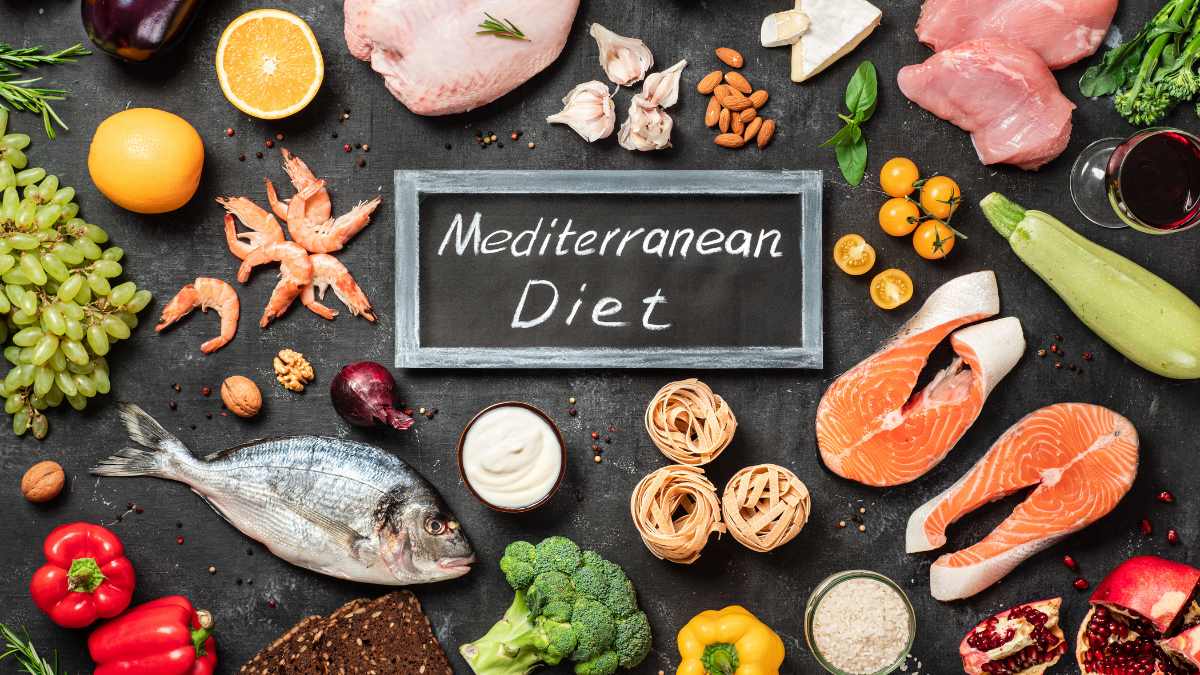
The Mediterranean diet is widely recognized for its health benefits, emphasizing whole foods and healthy fats. It is primarily based on the traditional eating patterns of countries bordering the Mediterranean Sea, such as Greece, Italy, and Spain. This diet is rich in fruits, vegetables, whole grains, legumes, nuts, and seeds, while also incorporating moderate amounts of fish, poultry, dairy, and red wine. The emphasis on plant-based foods and healthy fats, particularly olive oil, sets this diet apart from others.
Research has shown that the Mediterranean diet can lead to improved heart health, weight management, and reduced risk of chronic diseases. The high intake of antioxidants from fruits and vegetables, combined with the healthy fats found in nuts and olive oil, contributes to lower inflammation and better overall health. Additionally, the inclusion of fish provides essential omega-3 fatty acids, which are crucial for brain health and cognitive function.
Unlike many modern diets that promote restrictive eating, the Mediterranean diet encourages variety and balance. It allows for flexibility, making it easier for individuals to adhere to it long-term. This approach not only supports physical health but also promotes a positive relationship with food, focusing on enjoyment and social interaction rather than deprivation.
In essence, the Mediterranean diet is not merely a set of dietary guidelines but a lifestyle that emphasizes sustainability and cultural heritage. It encourages individuals to savor their meals, enjoy the company of others, and appreciate the flavors of fresh, seasonal ingredients.
Key Components of a Traditional Mediterranean Lunch
A traditional Mediterranean lunch typically consists of several courses, allowing diners to experience a variety of flavors and textures. The meal often begins with meze, a selection of small dishes that can include dips, salads, and finger foods. Common meze items are hummus, tzatziki, olives, and stuffed grape leaves, which serve as a delightful introduction to the meal.
Following the meze, the main course often features grilled or roasted proteins such as fish, chicken, or lamb, accompanied by seasonal vegetables. These dishes are often seasoned with herbs and spices like oregano, basil, and garlic, enhancing the natural flavors of the ingredients. Whole grains, such as couscous or brown rice, are also commonly served alongside the main protein.
Salads play a crucial role in Mediterranean lunches, often featuring fresh greens, tomatoes, cucumbers, and feta cheese, drizzled with olive oil and vinegar. These salads not only provide a refreshing contrast to the richer dishes but also add a burst of color to the table, embodying the Mediterranean spirit of abundance and variety.
Finally, a traditional Mediterranean lunch may conclude with a light dessert, such as fresh fruit, yogurt with honey, or a small serving of pastries. This sweet ending serves to balance the meal and is often enjoyed with a cup of coffee or herbal tea, reinforcing the social aspect of dining in Mediterranean cultures.
Popular Ingredients in Mediterranean Lunch Dishes
The ingredients used in Mediterranean lunches are a testament to the region’s agricultural bounty and culinary traditions. Olive oil is a staple, serving as the primary source of fat in cooking and dressings. Its rich flavor and health benefits make it a cornerstone of Mediterranean cuisine, often used in everything from sautéing vegetables to drizzling over salads.
Fresh vegetables are abundant in Mediterranean lunches, with tomatoes, cucumbers, bell peppers, and eggplants frequently featured. These vegetables are not only flavorful but also packed with vitamins, minerals, and antioxidants, contributing to the overall healthfulness of the meal. Seasonal produce is emphasized, ensuring that the ingredients are at their peak flavor and nutritional value.
Legumes such as chickpeas, lentils, and beans are also key components, providing a good source of plant-based protein and fiber. Dishes like falafel and lentil soup are popular choices, showcasing the versatility of legumes in Mediterranean cooking. They are often combined with spices and herbs to create hearty and satisfying meals.
Lastly, herbs and spices play a vital role in enhancing the flavors of Mediterranean dishes. Fresh herbs like parsley, mint, and dill are commonly used, while spices such as cumin and coriander add depth and complexity. This emphasis on fresh, aromatic ingredients is what makes Mediterranean cuisine so vibrant and appealing.
Typical Meal Structure: Appetizers to Desserts
A Mediterranean lunch is typically structured in a way that encourages leisurely dining and social interaction. The meal often begins with appetizers or meze, which are designed to be shared among diners. This communal style of eating fosters a sense of togetherness and allows everyone to sample a variety of flavors.
Following the appetizers, the main course is served, featuring a protein source accompanied by vegetables and grains. This course is usually more substantial, providing a satisfying centerpiece to the meal. The focus on fresh, seasonal ingredients ensures that each dish is both flavorful and nutritious.
After the main course, diners often enjoy a salad, which serves as a refreshing palate cleanser. Salads in Mediterranean cuisine are typically vibrant and colorful, incorporating a mix of fresh vegetables, herbs, and sometimes cheese. This course not only adds nutritional value but also enhances the overall dining experience.
Finally, the meal concludes with a light dessert, which may include fresh fruit, yogurt, or a small pastry. This sweet ending is often enjoyed with coffee or tea, allowing diners to linger at the table and savor the flavors of the meal. The structure of a Mediterranean lunch emphasizes enjoyment and connection, making it a cherished tradition in many cultures.
Nutritional Benefits of a Mediterranean Lunch Experience
The Mediterranean lunch offers numerous nutritional benefits that contribute to overall health and well-being. One of the primary advantages is the high intake of fruits and vegetables, which are rich in vitamins, minerals, and antioxidants. These nutrients play a crucial role in reducing the risk of chronic diseases, including heart disease, diabetes, and certain cancers.
The emphasis on healthy fats, particularly from olive oil, nuts, and fish, provides essential fatty acids that support heart health and brain function. These fats help to lower bad cholesterol levels while increasing good cholesterol, promoting a healthier lipid profile. Moreover, the anti-inflammatory properties of these fats contribute to overall health and longevity.
Another significant benefit of a Mediterranean lunch is the focus on whole grains and legumes, which are excellent sources of fiber. A diet high in fiber aids digestion, helps maintain a healthy weight, and lowers the risk of developing gastrointestinal disorders. Additionally, fiber-rich foods can help regulate blood sugar levels, making them a smart choice for individuals with diabetes or those looking to manage their weight.
Lastly, the Mediterranean lunch experience emphasizes mindful eating and social interaction, which can enhance the overall enjoyment of food. Taking the time to savor each bite and share the meal with others fosters a positive relationship with food, reducing the likelihood of overeating and promoting healthier eating habits.
Cultural Significance of Lunch in Mediterranean Societies
In Mediterranean cultures, lunch is more than just a meal; it is an important social ritual that reflects the values of community and family. Traditionally, lunch is the main meal of the day, often enjoyed during the early afternoon when families gather to share food and conversation. This communal aspect of dining reinforces social bonds and creates a sense of belonging.
The significance of lunch is also evident in the preparation and presentation of food. Meals are often prepared with care, using fresh, local ingredients that reflect the region’s agricultural heritage. This emphasis on quality and tradition not only enhances the dining experience but also fosters a deep appreciation for the culinary arts.
Moreover, lunch breaks in Mediterranean countries often extend beyond the typical one-hour timeframe seen in many other cultures. This leisurely approach to dining allows individuals to disconnect from work and engage in meaningful conversations, promoting mental well-being and work-life balance.
In essence, the cultural significance of lunch in Mediterranean societies underscores the importance of food as a vehicle for connection and celebration. It is a time to pause, reflect, and enjoy the simple pleasures of life, reinforcing the idea that meals are best when shared with others.
Conclusions:
A Mediterranean lunch is a vibrant tapestry of flavors, colors, and cultural significance. It embodies a lifestyle that prioritizes health, community, and the joy of eating. With its emphasis on fresh ingredients, balanced meals, and social interaction, the Mediterranean lunch experience is not only nourishing but also enriching for the soul. As we embrace the principles of the Mediterranean diet, we can cultivate a deeper appreciation for the art of dining and the connections it fosters.
Read more:
- Mediterranean Diet Basics – A comprehensive overview of the Mediterranean diet, its principles, and health benefits.
- Nutritional Benefits of the Mediterranean Diet – A research article discussing the health benefits associated with the Mediterranean diet.
- Cultural Aspects of Mediterranean Cuisine – An exploration of the cultural significance of food and dining in Mediterranean societies.
- Mediterranean Diet Food Pyramid – A visual representation of the Mediterranean diet and its key components.
- Mediterranean Diet and Heart Health – An article detailing how the Mediterranean diet can improve heart health and reduce the risk of cardiovascular diseases.