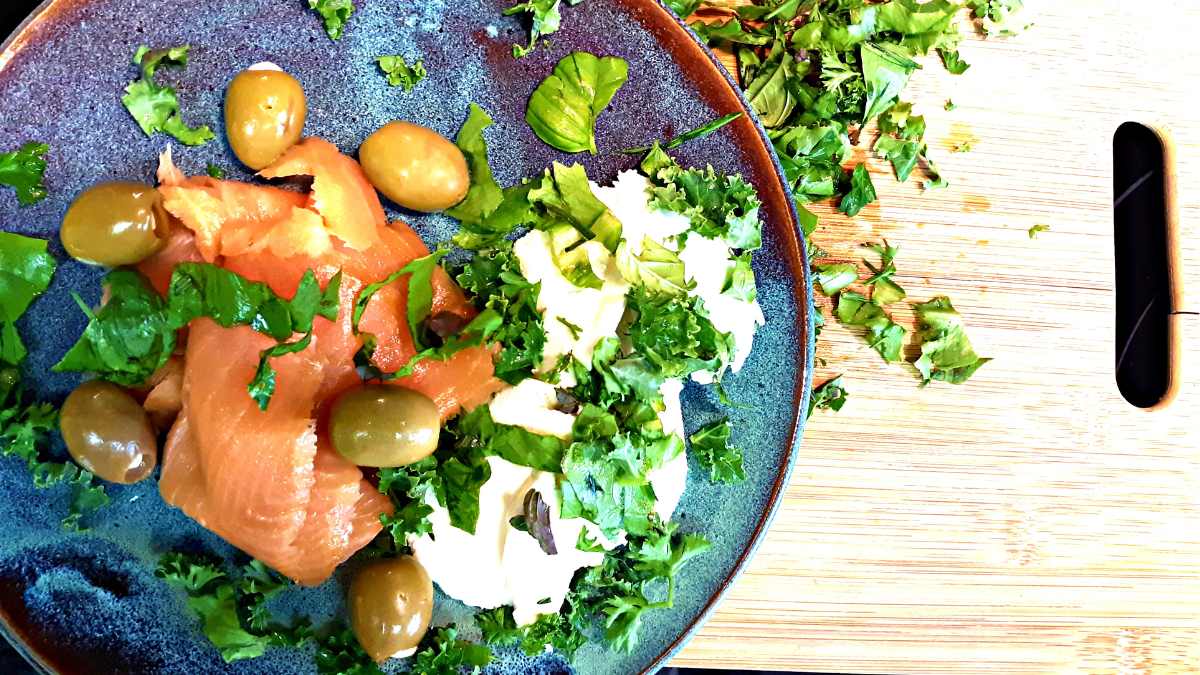


Introduction:
The Mediterranean diet is widely recognized for its health benefits, including reduced risk of heart disease, improved cognitive function, and enhanced longevity. This dietary pattern is based on the traditional eating habits of countries bordering the Mediterranean Sea, emphasizing whole foods, healthy fats, and a variety of plant-based ingredients. However, not all foods fit into this dietary framework. Understanding what foods are restricted can help individuals adhere to the principles of the Mediterranean diet while maximizing its health benefits.
Understanding the Mediterranean Diet: An Overview of Restrictions
The Mediterranean diet is not just a list of foods; it is a lifestyle that encourages moderation and balance. While the diet promotes the consumption of fruits, vegetables, whole grains, and healthy fats, it also emphasizes the importance of limiting certain food groups. These restrictions are essential for maintaining the diet’s health benefits and preventing chronic diseases.
Key restrictions include foods that are high in unhealthy fats, refined sugars, and processed ingredients. By focusing on whole, minimally processed foods, individuals can improve their overall health and well-being. The Mediterranean diet encourages mindful eating, which involves paying attention to hunger cues and savoring meals, further enhancing the experience of food.
In addition to specific food restrictions, the Mediterranean diet also promotes a holistic approach to eating. This includes enjoying meals with family and friends, engaging in regular physical activity, and making time for relaxation and mindfulness. Such practices contribute to a healthier lifestyle and foster a positive relationship with food.
Ultimately, understanding the restrictions of the Mediterranean diet is crucial for anyone looking to adopt this nutritious eating pattern. By avoiding certain foods, individuals can fully embrace the benefits of this diet and improve their overall health.
Key Principles of the Mediterranean Diet and Food Choices
The Mediterranean diet is built on several core principles that guide food choices. At its foundation is the emphasis on whole, unprocessed foods. This includes a wide variety of fruits and vegetables, whole grains, legumes, nuts, and seeds. These foods are rich in essential nutrients, fiber, and antioxidants, which contribute to overall health.
Another key principle is the inclusion of healthy fats, particularly from sources like olive oil, avocados, and fatty fish. These fats are beneficial for heart health and can help reduce inflammation in the body. However, the diet also emphasizes moderation in fat consumption, ensuring that individuals do not overindulge in high-calorie foods.
In contrast, the Mediterranean diet advises against the consumption of highly processed foods, which often contain unhealthy additives, preservatives, and excessive amounts of sugar and salt. By prioritizing whole foods, individuals can avoid the negative health impacts associated with processed options.
Lastly, the Mediterranean diet encourages a balanced approach to eating, where no food is completely off-limits. Instead, it promotes moderation and mindful consumption, allowing individuals to enjoy a variety of foods while still adhering to the diet’s principles.
Foods High in Saturated Fats: What to Avoid
One of the primary restrictions of the Mediterranean diet is the limitation of foods high in saturated fats. These fats are typically found in animal products such as red meat, full-fat dairy, and processed meats. While these foods can be enjoyed occasionally, they should not be staples in a Mediterranean diet.
Saturated fats have been linked to increased cholesterol levels and a higher risk of cardiovascular disease. Therefore, individuals following this diet are encouraged to opt for lean protein sources, such as fish, poultry, and plant-based proteins, which provide essential nutrients without the negative health effects associated with saturated fats.
In addition to animal products, certain cooking oils and fats should also be limited. For example, butter and margarine are often high in saturated fats and should be replaced with healthier options like olive oil or avocado oil. These alternatives not only provide healthy fats but also enhance the flavor of dishes.
By reducing the intake of saturated fats, individuals can better align their eating habits with the Mediterranean diet’s principles, promoting heart health and overall well-being.
Refined Grains and Sugars: Their Role in the Diet
Refined grains and sugars are another category of foods that are restricted in the Mediterranean diet. Refined grains, such as white bread, white rice, and pastries, have been stripped of their nutrients and fiber during processing. This results in a product that can lead to spikes in blood sugar levels and contribute to weight gain.
Sugars, particularly added sugars found in many processed foods and beverages, are also discouraged. High sugar intake has been linked to various health issues, including obesity, diabetes, and heart disease. The Mediterranean diet promotes the consumption of whole grains, such as brown rice, quinoa, and whole wheat bread, which provide more nutrients and fiber.
Additionally, fruits are encouraged as a natural source of sweetness. They contain essential vitamins, minerals, and antioxidants, making them a healthier alternative to sugary snacks and desserts. By focusing on whole grains and natural sugars, individuals can maintain stable energy levels and support their overall health.
In summary, avoiding refined grains and added sugars is crucial for adhering to the Mediterranean diet. By making these dietary changes, individuals can enhance their nutrition and reduce their risk of chronic diseases.
Processed Foods: Identifying Unhealthy Options
Processed foods are often laden with unhealthy ingredients, including additives, preservatives, and excessive amounts of sugar and salt. The Mediterranean diet encourages individuals to limit their consumption of these foods, as they can contribute to various health problems, including obesity, heart disease, and metabolic disorders.
Identifying processed foods can be challenging, as many products are marketed as healthy options. However, a closer examination of ingredient lists can reveal unhealthy components. For example, items that contain high fructose corn syrup, hydrogenated oils, or artificial flavors should be avoided.
Frozen meals, snack foods, and sugary cereals are common examples of processed foods that should be limited in the Mediterranean diet. Instead, individuals are encouraged to prepare meals at home using fresh ingredients, which allows for greater control over what goes into their food.
Additionally, the Mediterranean diet promotes the consumption of whole, minimally processed foods, such as fresh fruits and vegetables, whole grains, and lean proteins. By prioritizing these options, individuals can enjoy flavorful meals while avoiding the negative health impacts associated with processed foods.
Alcohol Consumption: Guidelines and Limitations in the Diet
Alcohol consumption is often associated with the Mediterranean lifestyle, particularly in countries like Italy and Spain. However, the Mediterranean diet promotes moderation when it comes to alcohol intake. Moderate consumption typically refers to one glass of wine per day for women and up to two glasses for men.
Red wine is often favored due to its potential health benefits, which include antioxidants like resveratrol that may support heart health. However, it is essential to remember that excessive alcohol consumption can lead to various health issues, including liver disease and addiction.
For those who do not drink alcohol, the Mediterranean diet does not require individuals to start. There are plenty of other ways to enjoy the benefits of this diet without alcohol, such as focusing on nutrient-dense foods and engaging in social meals with family and friends.
Ultimately, the Mediterranean diet encourages a balanced approach to alcohol consumption, allowing for enjoyment while prioritizing health and well-being.
Conclusions:
The Mediterranean diet is a well-rounded approach to eating that emphasizes whole foods, healthy fats, and moderation. By understanding the foods that are restricted, individuals can better align their eating habits with the principles of this diet. Avoiding foods high in saturated fats, refined grains, added sugars, and processed ingredients is essential for maximizing the health benefits associated with the Mediterranean lifestyle. Additionally, practicing moderation with alcohol consumption can further enhance overall well-being.
Read more:
- Mediterranean Diet Overview – Mayo Clinic – A comprehensive overview of the Mediterranean diet, including its benefits and food choices.
- Mediterranean Diet Food List – Healthline – A detailed list of foods to include and avoid in the Mediterranean diet.
- Mediterranean Diet and Heart Health – American Heart Association – Insights into how the Mediterranean diet supports cardiovascular health.
- The Science Behind the Mediterranean Diet – Harvard Health – An exploration of the scientific research supporting the Mediterranean diet’s health benefits.
- Mediterranean Diet: A Guide to Healthy Eating – USDA – A government resource providing guidelines on the Mediterranean diet and its components.