

Introduction:
The Mediterranean diet has gained popularity worldwide for its delicious flavors and numerous health benefits. Rooted in the traditional eating patterns of countries bordering the Mediterranean Sea, this diet emphasizes whole foods, healthy fats, and a balanced approach to nutrition. It is not just a diet but a lifestyle that promotes well-being and longevity. Understanding what constitutes a Mediterranean diet menu can help individuals make informed choices that align with their health goals.
Understanding the Mediterranean Diet: An Overview
The Mediterranean diet is characterized by its emphasis on whole, minimally processed foods and a balanced intake of macronutrients. It is inspired by the dietary habits of countries such as Italy, Greece, and Spain, where meals are often centered around fresh produce, whole grains, and healthy fats. The diet promotes a variety of foods, ensuring that individuals receive a wide range of nutrients essential for optimal health.
One of the key principles of the Mediterranean diet is its focus on plant-based foods. Fruits, vegetables, legumes, nuts, and seeds are staples, providing essential vitamins, minerals, and antioxidants. Additionally, the diet encourages the consumption of whole grains over refined grains, promoting better digestive health and sustained energy levels throughout the day.
Another significant aspect of the Mediterranean diet is the inclusion of healthy fats, particularly from sources such as olive oil, avocados, and fatty fish. These fats are rich in omega-3 fatty acids and monounsaturated fats, which are known to support heart health and reduce inflammation. The diet also includes moderate amounts of dairy, primarily in the form of yogurt and cheese, as well as lean proteins from fish and poultry.
Lastly, the Mediterranean diet is not just about what you eat; it also emphasizes the importance of social connections and mindful eating. Meals are often enjoyed with family and friends, fostering a sense of community and enjoyment around food. This holistic approach contributes to the overall effectiveness of the diet in promoting both physical and mental well-being.
Core Components of a Mediterranean Diet Menu
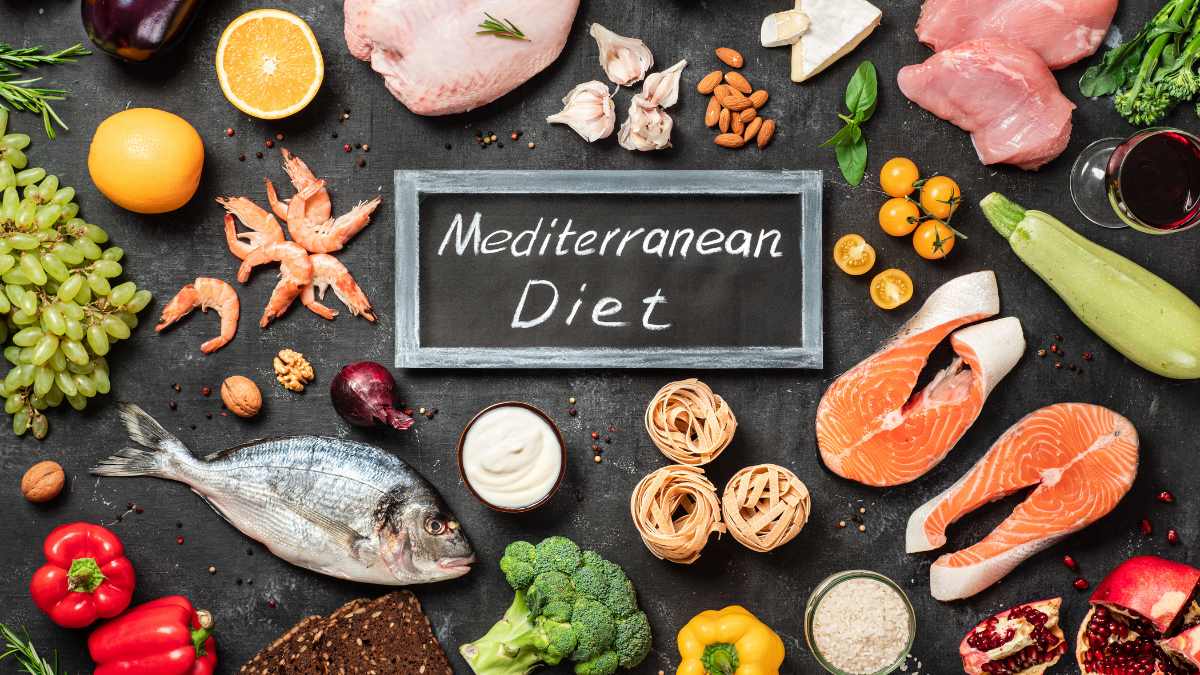
A Mediterranean diet menu is diverse and vibrant, reflecting the rich culinary traditions of the region. At its core, the menu includes a wide array of fruits and vegetables, which are consumed in abundance. Seasonal produce is favored, ensuring that meals are not only nutritious but also flavorful. Common choices include tomatoes, cucumbers, peppers, leafy greens, and a variety of fruits such as oranges, figs, and grapes.
Whole grains are another essential component of the Mediterranean diet. Foods like quinoa, brown rice, whole wheat bread, and pasta made from whole grains are staples. These grains provide fiber, which aids in digestion and helps maintain stable blood sugar levels. The emphasis on whole grains over refined options is a critical aspect of the diet, contributing to its health benefits.
Protein sources in a Mediterranean diet menu lean heavily towards fish and poultry, with an emphasis on fatty fish such as salmon, sardines, and mackerel. These fish are rich in omega-3 fatty acids, which are beneficial for heart health. Red meat is consumed sparingly, and when included, it is often in smaller portions or as part of a larger dish. Legumes, such as lentils and chickpeas, are also excellent protein sources and are frequently used in salads and stews.
Finally, the Mediterranean diet encourages the use of herbs and spices to flavor food instead of relying on salt. Ingredients like garlic, basil, oregano, and rosemary not only enhance the taste of dishes but also provide additional health benefits. The overall emphasis is on creating meals that are not only nourishing but also enjoyable and satisfying.
Nutritional Benefits of Following a Mediterranean Diet
Following a Mediterranean diet offers numerous nutritional benefits that contribute to overall health and well-being. One of the most significant advantages is its potential to reduce the risk of chronic diseases. Research has shown that individuals who adhere to this diet have a lower incidence of heart disease, stroke, and certain types of cancer, thanks to the diet’s anti-inflammatory properties and heart-healthy fats.
The Mediterranean diet is also associated with weight management. By focusing on whole foods and healthy fats, individuals are more likely to feel satiated, reducing the likelihood of overeating. The high fiber content from fruits, vegetables, and whole grains aids in digestion and promotes a feeling of fullness, making it easier to maintain a healthy weight.
Another benefit of the Mediterranean diet is its positive impact on mental health. Studies suggest that the nutrients found in this diet, such as omega-3 fatty acids and antioxidants, can contribute to improved mood and cognitive function. The social aspect of sharing meals with family and friends also plays a crucial role in enhancing emotional well-being.
Lastly, the Mediterranean diet promotes longevity. Research indicates that individuals who follow this dietary pattern tend to live longer, healthier lives. The combination of nutrient-dense foods, healthy fats, and an active lifestyle contributes to improved overall health and a reduced risk of age-related diseases.
Sample Meal Plan: A Week on the Mediterranean Diet
Creating a meal plan based on the Mediterranean diet can help individuals visualize how to incorporate these principles into their daily lives. A typical week might include a variety of meals that highlight the core components of the diet.
Day 1: Breakfast could consist of Greek yogurt topped with fresh berries and a sprinkle of nuts. For lunch, a quinoa salad with cherry tomatoes, cucumbers, and feta cheese drizzled with olive oil. Dinner might feature grilled salmon with a side of roasted vegetables and a whole grain like farro.
Day 2: Start the day with a smoothie made from spinach, banana, and almond milk. Lunch could be a whole grain wrap filled with hummus, mixed greens, and grilled chicken. For dinner, enjoy a vegetable stir-fry with chickpeas served over brown rice.
Day 3: Breakfast may include whole grain toast topped with avocado and a poached egg. A Mediterranean-style lunch could consist of a lentil soup paired with a side salad. Dinner might feature baked eggplant with marinara sauce and a sprinkle of parmesan cheese.
Day 4: A breakfast of oatmeal topped with sliced almonds and honey is a great start. For lunch, consider a tabbouleh salad made with bulgur wheat, parsley, and tomatoes. Dinner could be grilled shrimp served with a side of couscous and steamed broccoli.
Day 5: Enjoy a fruit salad for breakfast, followed by a Mediterranean grain bowl for lunch, featuring farro, roasted vegetables, and tahini dressing. Dinner may include a whole grain pizza topped with fresh vegetables and a drizzle of olive oil.
Day 6: Start with a breakfast of scrambled eggs with spinach and tomatoes. For lunch, a Greek salad with olives, cucumbers, and feta. Dinner could be a seafood paella made with brown rice and a variety of fresh seafood.
Day 7: Finish the week with a breakfast of chia pudding topped with fresh fruit. Lunch could be a wrap filled with roasted vegetables and hummus. For dinner, enjoy a hearty vegetable stew served with crusty whole-grain bread.
Key Ingredients: Staples of Mediterranean Cuisine
To fully embrace the Mediterranean diet, it’s essential to stock your kitchen with key ingredients that embody its principles. Olive oil is perhaps the most iconic staple, serving as the primary source of fat in this diet. It is rich in monounsaturated fats and antioxidants, making it a healthier choice for cooking and dressing salads.
Fruits and vegetables are at the heart of Mediterranean cuisine. Aim to include a variety of colors and types, such as leafy greens, tomatoes, peppers, citrus fruits, and berries. These foods are packed with vitamins, minerals, and fiber, contributing to overall health and vitality.
Another important category includes whole grains. Foods like brown rice, quinoa, barley, and whole wheat pasta should be staples in your pantry. These grains provide essential nutrients and fiber, supporting digestive health and providing sustained energy.
Lastly, don’t forget about legumes and nuts. Beans, lentils, chickpeas, and various nuts are excellent sources of plant-based protein and healthy fats. They can be used in salads, stews, and snacks, enhancing the nutritional profile of meals while adding texture and flavor.
Tips for Adopting a Mediterranean Diet Lifestyle
Transitioning to a Mediterranean diet lifestyle can be both enjoyable and rewarding. Start by gradually incorporating more plant-based foods into your meals. Focus on adding a variety of fruits and vegetables to your plate, aiming for at least five servings a day. This approach not only enhances nutrition but also makes meals more colorful and appealing.
Another tip is to replace unhealthy fats with healthier options. Swap out butter and margarine for olive oil, which can be used for cooking, sautéing, and drizzling over salads. This simple change can significantly improve the quality of your fat intake and contribute to better heart health.
Make an effort to plan meals ahead of time. This can help you stay on track with your dietary goals and ensure that you have the necessary ingredients on hand. Preparing meals in advance allows for greater variety and creativity in your cooking, making it easier to stick to the Mediterranean principles.
Finally, embrace the social aspect of dining. Share meals with family and friends, and take the time to enjoy the experience of eating. This not only enhances the enjoyment of food but also fosters a sense of community and connection, which is a vital component of the Mediterranean lifestyle.
Conclusions:
The Mediterranean diet is more than just a nutritional plan; it is a lifestyle that promotes health, well-being, and enjoyment of food. By understanding its core components and incorporating them into daily life, individuals can reap the numerous benefits associated with this dietary approach. From improved heart health to enhanced mental well-being, the Mediterranean diet offers a holistic way to nourish both body and mind.
Read more:
- Mediterranean Diet Basics – A comprehensive overview of the Mediterranean diet, its principles, and health benefits.
- The Health Benefits of the Mediterranean Diet – An article from Mayo Clinic discussing the health advantages associated with the Mediterranean diet.
- Mediterranean Diet Meal Plan – A sample meal plan and tips for incorporating the Mediterranean diet into daily life.
- The Mediterranean Diet Pyramid – An informative resource detailing the Mediterranean diet pyramid and its key components.
- Nutritional Guidelines for the Mediterranean Diet – A scholarly article discussing the nutritional guidelines and health outcomes related to the Mediterranean diet.