

Introduction:
The Mediterranean diet is celebrated not only for its delicious flavors but also for its numerous health benefits. This dietary approach emphasizes whole foods, healthy fats, and a variety of grains, making bread an essential component. However, not all breads are created equal. Understanding which types of bread align with the principles of the Mediterranean diet can enhance your meals and overall health. This article delves into the best bread options to incorporate into a Mediterranean lifestyle, exploring their nutritional benefits and culinary uses.
Understanding the Mediterranean Diet and Its Principles
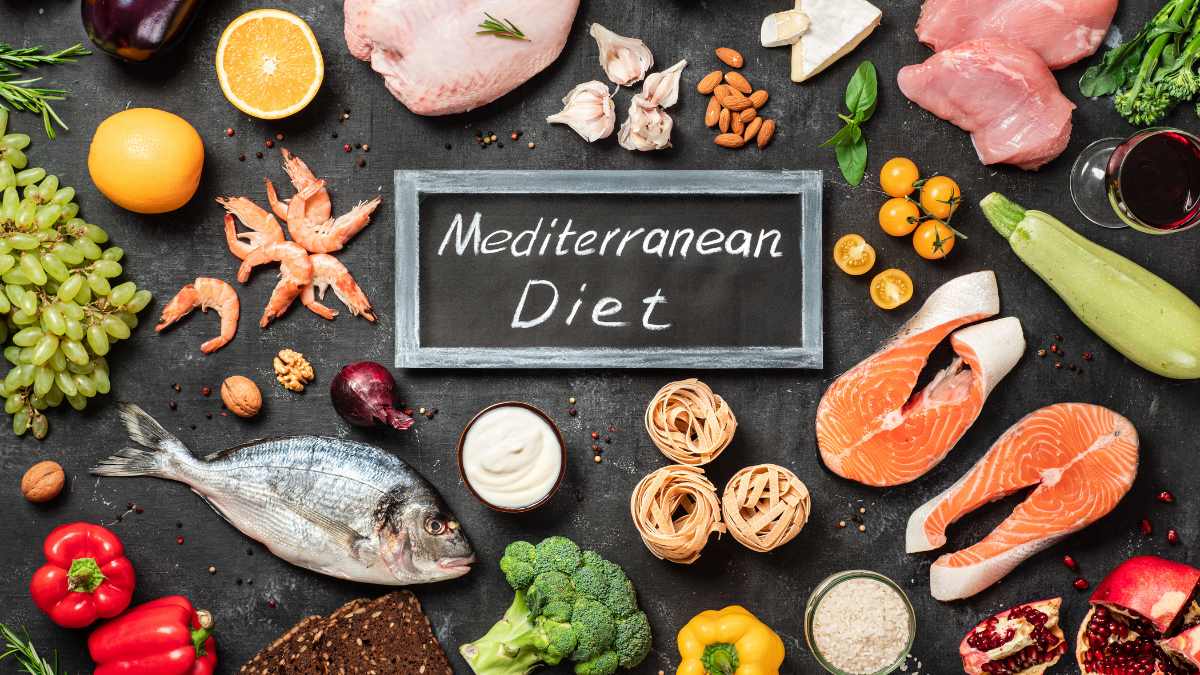
The Mediterranean diet is rooted in the traditional eating patterns of countries bordering the Mediterranean Sea, such as Greece, Italy, and Spain. It emphasizes whole, minimally processed foods, including fruits, vegetables, legumes, nuts, and whole grains. Central to this diet is the consumption of healthy fats, particularly from olive oil, which is known for its heart-protective properties. Bread plays a significant role in this dietary framework, serving as a staple that complements various dishes.
A key principle of the Mediterranean diet is moderation and balance. This means that while bread is included, it should be consumed in appropriate portions and ideally made from whole grains. The focus is on quality rather than quantity, promoting breads that are rich in nutrients and fiber. Additionally, the Mediterranean diet encourages social eating, where meals are enjoyed with family and friends, often accompanied by bread as a vehicle for sharing dips, spreads, and other dishes.
Incorporating bread into the Mediterranean diet also involves an appreciation for regional varieties. Different cultures have unique bread-making traditions that reflect local ingredients and culinary practices. For example, Italian focaccia, Greek pita, and Spanish pan de pueblo each offer distinct flavors and textures that can enhance the dining experience. Understanding these regional differences can help individuals appreciate the diversity of bread within this diet.
Ultimately, the Mediterranean diet is not just about food choices; it embodies a lifestyle that promotes physical activity, mindfulness, and enjoyment of meals. Bread, when chosen wisely, can be a delightful and nutritious part of this holistic approach to eating.
Key Nutritional Components of Mediterranean Bread Choices
When selecting bread for a Mediterranean diet, it is essential to consider its nutritional profile. Whole grain breads are typically the best choice, as they retain the bran, germ, and endosperm of the grain, providing higher levels of fiber, vitamins, and minerals. Fiber is crucial for digestive health and can help regulate blood sugar levels, making whole grain options a smart choice for maintaining energy and satiety.
In addition to fiber, whole grain breads often contain complex carbohydrates, which are digested more slowly than refined carbohydrates. This slow digestion helps maintain stable blood sugar levels and provides sustained energy, making it easier to avoid the energy crashes associated with white bread and other refined options. Furthermore, whole grain breads are often rich in antioxidants and phytochemicals, which contribute to overall health and may reduce the risk of chronic diseases.
Another important aspect of Mediterranean breads is their low glycemic index. Breads made from whole grains tend to have a lower glycemic index compared to their refined counterparts, meaning they cause a slower rise in blood sugar levels. This is particularly beneficial for individuals looking to manage their weight or blood sugar levels, as it helps prevent spikes and crashes that can lead to cravings and overeating.
Lastly, it is worth noting that many Mediterranean breads are made with natural ingredients and minimal additives. This aligns with the diet’s emphasis on whole, unprocessed foods. By choosing breads that prioritize simple, wholesome ingredients, individuals can enjoy the benefits of the Mediterranean diet while savoring delicious flavors.
Comparing Whole Grain and Refined Bread Varieties
The distinction between whole grain and refined bread is critical when considering options for a Mediterranean diet. Whole grain breads are made from grains that have not been stripped of their bran and germ, preserving essential nutrients and fiber. In contrast, refined breads are made from white flour, which undergoes processing that removes these beneficial components, resulting in a product that is often lower in nutritional value.
One of the primary concerns with refined bread is its high glycemic index, which can lead to rapid spikes in blood sugar levels. This can be particularly problematic for individuals with insulin sensitivity or diabetes. Whole grain breads, on the other hand, provide a more gradual release of energy, helping to maintain stable blood sugar levels throughout the day. This makes whole grain options a more suitable choice for those looking to support their metabolic health.
In terms of flavor and texture, whole grain breads often have a richer, nuttier taste and a denser texture compared to their refined counterparts. This can enhance the overall eating experience, especially when paired with Mediterranean staples like olive oil, hummus, or tzatziki. The heartiness of whole grain breads also makes them ideal for soaking up flavorful sauces and dips, adding to their versatility in Mediterranean cuisine.
Ultimately, while refined breads may be more widely available and convenient, the nutritional benefits of whole grain varieties cannot be overstated. Choosing whole grain breads not only aligns with the principles of the Mediterranean diet but also supports overall health and well-being.
The Role of Sourdough in Mediterranean Nutrition
Sourdough bread is a traditional staple in many Mediterranean cultures, celebrated for its unique flavor and health benefits. The fermentation process involved in making sourdough results in a bread that is not only delicious but also easier to digest. This is due to the presence of lactic acid bacteria, which break down gluten and phytic acid, making nutrients more bioavailable.
One significant advantage of sourdough is its lower glycemic index compared to other breads. The fermentation process alters the structure of the carbohydrates, leading to a slower release of sugars into the bloodstream. This characteristic makes sourdough a favorable option for those looking to manage their blood sugar levels while still enjoying the pleasures of bread.
Moreover, sourdough is often made from whole grain flours, further enhancing its nutritional profile. The combination of fermentation and whole grains results in a bread rich in fiber, vitamins, and minerals. This not only supports digestive health but also contributes to a feeling of fullness, which can aid in weight management.
Incorporating sourdough into a Mediterranean diet can also enhance the enjoyment of meals. Its tangy flavor pairs beautifully with a variety of Mediterranean dishes, from olive oil and balsamic vinegar to cheeses and cured meats. This versatility makes sourdough a delightful addition to any Mediterranean-inspired meal.
Health Benefits of Olive Oil and Bread Pairings
In the Mediterranean diet, olive oil is a cornerstone ingredient, known for its heart-healthy monounsaturated fats and anti-inflammatory properties. When paired with bread, olive oil not only enhances flavor but also contributes to a balanced meal. The combination of healthy fats from olive oil and the carbohydrates from bread can provide a satisfying and nutritious option.
One of the primary health benefits of olive oil is its ability to support cardiovascular health. Studies have shown that regular consumption of olive oil can help lower LDL cholesterol levels while raising HDL cholesterol levels, reducing the risk of heart disease. When drizzled over whole grain bread, olive oil creates a nutrient-dense snack or appetizer that aligns perfectly with the Mediterranean diet.
Additionally, olive oil is rich in antioxidants, particularly polyphenols, which have been linked to various health benefits, including reduced inflammation and improved brain health. These antioxidants work synergistically with the nutrients found in whole grain bread, creating a powerful combination that supports overall well-being.
For those looking to incorporate olive oil and bread into their meals, consider using high-quality extra virgin olive oil for dipping or drizzling. This not only elevates the flavor but also ensures that you are reaping the maximum health benefits. Pairing olive oil with whole grain or sourdough bread can create a satisfying and healthful addition to any Mediterranean-inspired meal.
Recommendations for Incorporating Bread in Your Diet
To effectively incorporate bread into a Mediterranean diet, it is essential to prioritize quality over quantity. Opt for whole grain or sourdough varieties that are rich in fiber and nutrients. When shopping for bread, look for options that list whole grains as the first ingredient and avoid those with added sugars or preservatives.
Consider using bread as a vehicle for other healthy ingredients. For example, whole grain bread can be topped with avocado, tomatoes, or hummus, creating a nutrient-dense snack or meal. Additionally, using bread to soak up flavorful sauces or dips can enhance the overall dining experience while ensuring that you are consuming wholesome ingredients.
Another approach is to enjoy bread in moderation as part of a balanced meal. Instead of making bread the centerpiece, consider serving it alongside a variety of vegetables, lean proteins, and healthy fats. This not only aligns with the Mediterranean diet’s principles but also promotes a more satisfying and nourishing meal.
Lastly, be mindful of portion sizes. While bread can be a delightful addition to your meals, it is important to consume it in moderation. A slice or two of whole grain or sourdough bread can complement a meal without overwhelming it, allowing you to enjoy the flavors and benefits of the Mediterranean diet.
Conclusions:
Choosing the right type of bread is essential for fully embracing the Mediterranean diet. Whole grain and sourdough options provide numerous health benefits, including improved digestion, stable blood sugar levels, and enhanced nutrient absorption. By incorporating high-quality bread into a balanced diet rich in fruits, vegetables, healthy fats, and lean proteins, individuals can enjoy the flavors of the Mediterranean while reaping the associated health benefits.
Read more:
- Mediterranean Diet Overview – A comprehensive guide to the Mediterranean diet, including its principles and health benefits.
- Whole Grains and Health – Information on the importance of whole grains in the diet and their health benefits.
- Sourdough Bread Benefits – A scientific exploration of the health benefits of sourdough bread.
- Olive Oil Health Benefits – An overview of the health benefits associated with olive oil consumption.
- Mediterranean Diet Recipes – A collection of delicious Mediterranean recipes to inspire healthy eating.