

1. Introduction to Mediterranean Cuisine and Its Diversity
Introduction: Mediterranean cuisine is a rich tapestry woven from the culinary traditions of the countries bordering the Mediterranean Sea. This includes nations such as Spain, Italy, Greece, Turkey, and North African countries like Morocco and Tunisia. The beauty of this cuisine lies in its diversity, which reflects the unique cultural, historical, and geographical influences of each region. Each country brings its own flavors, cooking techniques, and ingredients to the table, making Mediterranean food a fascinating subject of study.
The Mediterranean diet is often celebrated for its health benefits, but it is also a culinary art that emphasizes fresh, seasonal ingredients. The use of herbs, spices, and local produce is prevalent, creating dishes that are not only nutritious but also bursting with flavor. From the vibrant markets of Istanbul to the rustic kitchens of Tuscany, the Mediterranean culinary landscape is as varied as the people who inhabit it.
Furthermore, the region’s history of trade and migration has led to a fusion of flavors. For instance, the influence of Arab cuisine in Southern Spain is evident in dishes like paella, while Italian pasta has roots that can be traced back to ancient civilizations. This intermingling of cultures has resulted in a cuisine that is dynamic and ever-evolving.
In essence, Mediterranean cuisine is not just about food; it is a reflection of the lifestyle and traditions of the people who live in this region. Understanding its diversity allows us to appreciate the intricate relationships between food, culture, and identity.
2. Key Ingredients Defining Mediterranean Food Culture
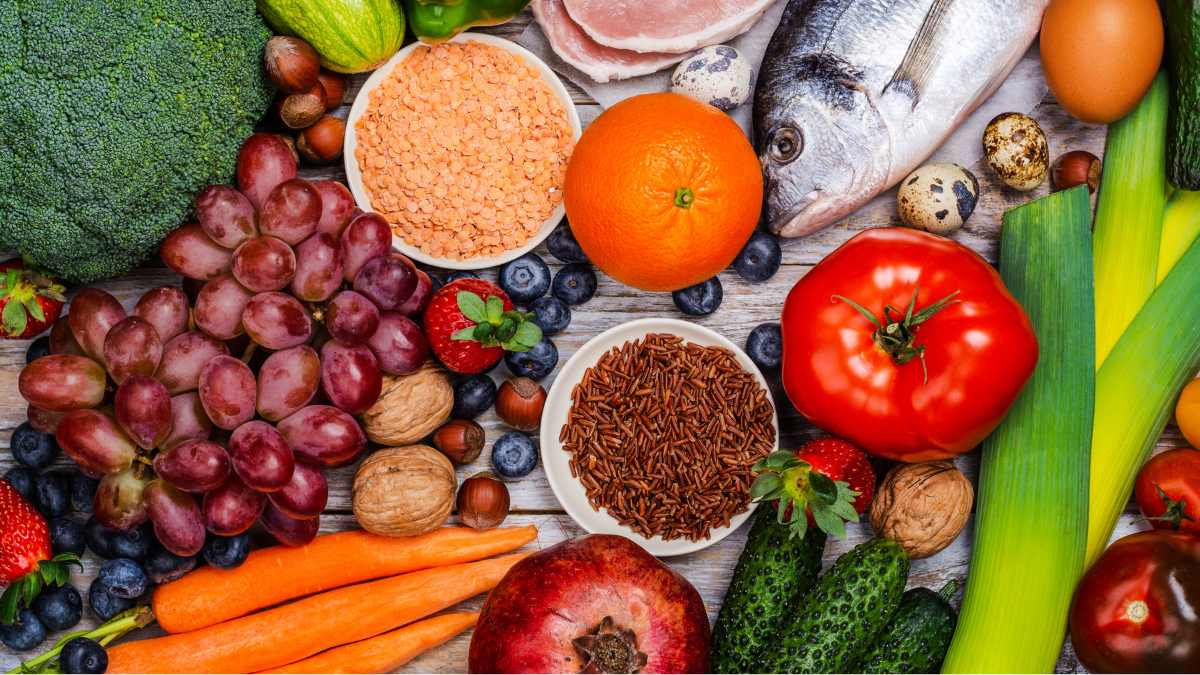
At the heart of Mediterranean cuisine are its key ingredients, which play a crucial role in defining its flavors and nutritional profile. Olive oil, often referred to as "liquid gold," is a staple in many Mediterranean dishes. It is used for cooking, drizzling, and dressing salads, providing a rich, fruity flavor while also offering numerous health benefits, including heart health and anti-inflammatory properties.
Another essential component is fresh vegetables. Tomatoes, eggplants, zucchini, and bell peppers are commonly used, often grilled, roasted, or incorporated into stews. These vegetables not only add vibrant colors to dishes but also contribute essential vitamins and minerals, making them a cornerstone of the Mediterranean diet.
Legumes, such as chickpeas and lentils, are also prevalent. They serve as a source of plant-based protein and fiber, making them a healthy alternative to meat. Dishes like hummus and falafel showcase the versatility of legumes in Mediterranean cuisine, highlighting their ability to absorb flavors while providing a satisfying texture.
Lastly, herbs and spices are fundamental in enhancing the flavors of Mediterranean dishes. Basil, oregano, rosemary, and garlic are commonly used to season food, adding depth and complexity to even the simplest of meals. The emphasis on fresh herbs not only elevates the taste but also contributes to the overall health benefits associated with Mediterranean eating.
3. Popular Dishes Across Mediterranean Regions Explored
The diversity of Mediterranean cuisine is reflected in its popular dishes, which vary significantly from one region to another. In Italy, pasta dishes like spaghetti aglio e olio and lasagna are iconic, showcasing the country’s love for wheat-based products. Italian cuisine emphasizes the use of fresh ingredients and simple preparations, allowing the natural flavors to shine.
In Greece, the famous moussaka—a layered dish made with eggplant, ground meat, and béchamel sauce—exemplifies the country’s culinary traditions. Greek salads, featuring tomatoes, cucumbers, olives, and feta cheese, are also widely enjoyed, highlighting the importance of fresh produce in Greek cooking.
Moving to North Africa, dishes like tagine and couscous are staples. Tagine, a slow-cooked stew named after the earthenware pot in which it is cooked, often features a mix of meats, vegetables, and aromatic spices. Couscous, a dish made from steamed semolina, is often served as a base for various meats and vegetables, showcasing the region’s culinary adaptability.
In the Levant, dishes such as tabbouleh and kibbeh are popular. Tabbouleh, a refreshing salad made with parsley, bulgur, tomatoes, and mint, reflects the region’s emphasis on fresh herbs. Kibbeh, a dish made from bulgur and minced meat, is often shaped into balls or patties and fried or baked, illustrating the rich flavors and textures characteristic of Levantine cuisine.
4. Nutritional Benefits of Common Mediterranean Foods
The Mediterranean diet is often lauded for its nutritional benefits, which are attributed to its emphasis on whole, minimally processed foods. The high consumption of fruits and vegetables provides a wealth of vitamins, minerals, and antioxidants, which are essential for overall health and well-being. These nutrients help combat chronic diseases and promote longevity.
Olive oil, a cornerstone of the Mediterranean diet, is rich in monounsaturated fats, which are known to support heart health. Studies have shown that regular consumption of olive oil can lower the risk of cardiovascular diseases and improve cholesterol levels. Additionally, the anti-inflammatory properties of olive oil contribute to overall health.
Legumes, another staple in Mediterranean cuisine, are an excellent source of plant-based protein and fiber. They help regulate blood sugar levels and promote digestive health, making them a valuable addition to any diet. The inclusion of legumes in meals can also aid in weight management, as they provide a feeling of fullness and satisfaction.
Finally, the Mediterranean diet encourages moderate consumption of fish and seafood, which are rich in omega-3 fatty acids. These healthy fats are essential for brain health and reducing inflammation in the body. By focusing on a variety of nutrient-dense foods, the Mediterranean diet offers a holistic approach to nutrition that supports both physical and mental well-being.
5. Cultural Significance of Food in Mediterranean Societies
Food in Mediterranean societies is deeply intertwined with cultural identity and social practices. Meals are often seen as communal events, bringing families and friends together to share not only food but also stories and traditions. The act of cooking and dining is a way to strengthen bonds and foster a sense of community, reflecting the importance of relationships in Mediterranean cultures.
In many Mediterranean countries, food is also a reflection of regional pride. Each region boasts its own specialties, often passed down through generations. Festivals and celebrations frequently center around food, showcasing local ingredients and traditional cooking methods. This cultural significance enhances the appreciation for culinary heritage and encourages the preservation of traditional recipes.
Moreover, the Mediterranean diet is recognized by UNESCO as an Intangible Cultural Heritage of Humanity, highlighting its importance beyond mere sustenance. This recognition underscores the role of food in shaping cultural practices, social interactions, and community cohesion throughout the Mediterranean region.
As globalization continues to influence culinary practices, the Mediterranean diet remains a symbol of resilience and tradition. Its emphasis on local, seasonal ingredients and communal dining serves as a reminder of the importance of food in fostering connections and preserving cultural identities.
6. Conclusion: The Most Common Mediterranean Food Revealed
Conclusions: While Mediterranean cuisine encompasses a vast array of dishes and ingredients, one food stands out as the most common: bread. Bread has been a staple in Mediterranean diets for centuries, serving as a fundamental accompaniment to meals across the region. From the crusty baguettes of France to the soft pita of the Middle East, bread is a versatile food that transcends cultural boundaries.
In Mediterranean societies, bread is often used to scoop up dips like hummus or tzatziki, or served alongside stews and salads. It is a symbol of hospitality and sharing, often breaking the barriers between people. The variety of breads available in the Mediterranean region reflects the diversity of its cultures, each with its own unique recipes and traditions.
The significance of bread in Mediterranean cuisine goes beyond its nutritional value; it is a cultural icon that embodies the essence of community and togetherness. As such, it can be considered the most common Mediterranean food, representing the rich culinary heritage and social practices that define this vibrant region.
Read more
-
Mediterranean Diet Overview – A comprehensive guide to the Mediterranean diet, detailing its principles and health benefits.
-
Cultural Significance of Mediterranean Cuisine – An exploration of the cultural importance of food in Mediterranean societies, including UNESCO’s recognition of the Mediterranean diet.
-
Health Benefits of Olive Oil – A scientific review of the health benefits associated with olive oil consumption.
-
Exploring Mediterranean Ingredients – An in-depth look at key ingredients that define Mediterranean cuisine and their culinary uses.
-
Popular Mediterranean Dishes – A curated collection of popular Mediterranean recipes to inspire home cooking.