
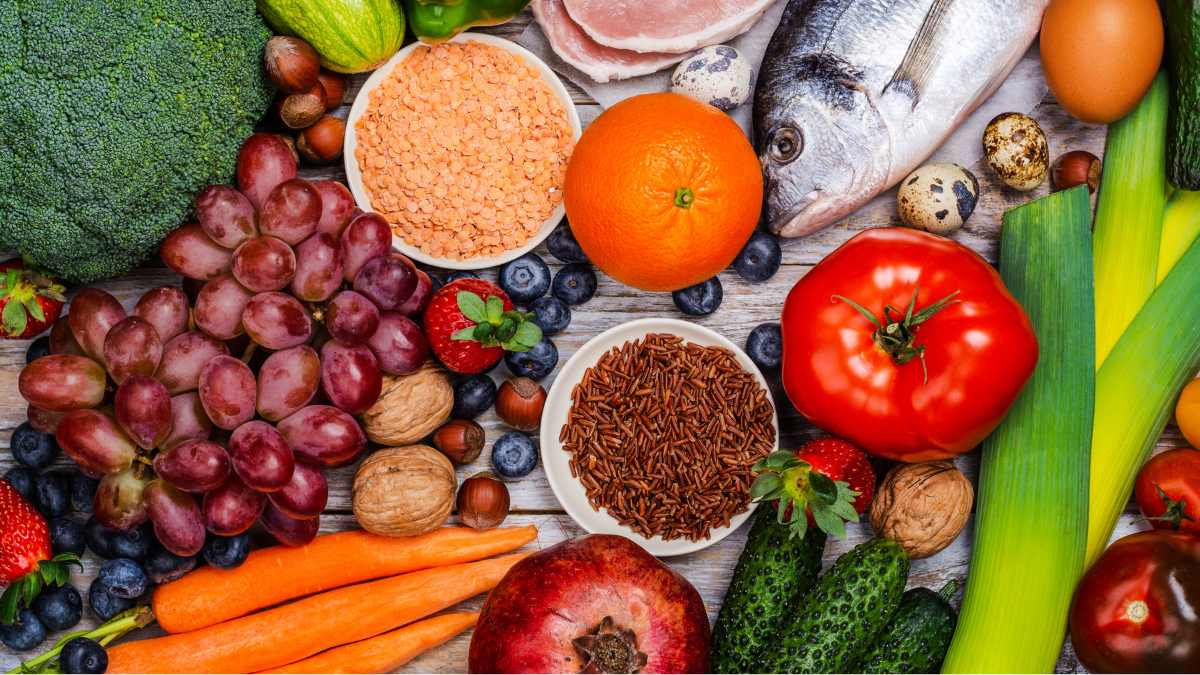

Introduction to the Concept of Healthiest Foods Globally
Introduction: The quest for the healthiest food in the world is a topic of considerable interest in both nutritional science and public health. With an abundance of food options available, determining which foods provide the most health benefits can be a complex endeavor. The term "healthiest" can vary significantly depending on individual dietary needs, cultural contexts, and specific health goals. However, certain foods consistently emerge as frontrunners in discussions about optimal nutrition.
The concept of the healthiest food often encompasses a range of factors, including nutrient density, bioavailability of vitamins and minerals, and the presence of beneficial compounds like antioxidants and phytochemicals. As health awareness increases, consumers are becoming more discerning about their food choices, seeking out items that not only satisfy hunger but also contribute positively to overall well-being.
Moreover, the global food landscape is diverse, with various regions boasting unique foods that offer exceptional health benefits. From the Mediterranean diet rich in olive oil and fish to the plant-based diets prevalent in many Asian cultures, the healthiest food can vary widely depending on geographical and cultural factors. As we explore this topic, it’s essential to consider both the scientific evidence and the cultural significance of food choices.
Ultimately, the discussion about the healthiest food is not just about individual items but also about understanding how they fit into a balanced diet. This article will delve into the nutritional criteria for evaluating food healthiness, the role of antioxidants, and the top contenders for the title, supported by scientific studies.
Nutritional Criteria for Evaluating Food Healthiness
When evaluating the healthiness of food, several nutritional criteria come into play. First and foremost is nutrient density, which refers to the amount of essential nutrients a food contains relative to its calorie content. Foods that are high in vitamins, minerals, fiber, and other beneficial compounds but low in calories are often considered healthier options. Leafy greens, berries, and legumes are prime examples of nutrient-dense foods.
Another critical factor is macronutrient balance. A healthy food should ideally provide a balanced ratio of carbohydrates, proteins, and fats. While the specific balance can vary depending on dietary preferences and health goals, whole foods such as nuts, seeds, and whole grains typically offer a favorable macronutrient profile. These foods not only provide energy but also support metabolic functions and overall health.
Glycemic index (GI) is another important criterion. Foods with a low GI are digested slowly, leading to more stable blood sugar levels. This characteristic is particularly beneficial for individuals with insulin sensitivity or diabetes. Foods such as quinoa, sweet potatoes, and most fruits fall into this category, making them excellent choices for maintaining energy levels without causing spikes in blood sugar.
Lastly, the presence of additives and preservatives can significantly impact a food’s healthiness. Whole, minimally processed foods are generally healthier than those laden with artificial ingredients, sugars, and unhealthy fats. Understanding these criteria allows consumers to make informed choices about their diets and prioritize foods that contribute to long-term health.
The Role of Antioxidants in Food Health Assessment
Antioxidants play a pivotal role in assessing the health benefits of various foods. These compounds help combat oxidative stress in the body, which is linked to chronic diseases such as heart disease, cancer, and neurodegenerative disorders. Foods rich in antioxidants can help neutralize free radicals, thereby protecting cells from damage and promoting overall health.
Fruits and vegetables are particularly high in antioxidants, with berries, dark leafy greens, and citrus fruits often topping the list. For instance, blueberries are renowned for their high levels of anthocyanins, a type of antioxidant that has been shown to improve cognitive function and reduce inflammation. Similarly, spinach and kale are packed with vitamins A, C, and E, all of which contribute to their antioxidant properties.
In addition to fruits and vegetables, other foods such as nuts, seeds, and whole grains also provide significant antioxidant benefits. For example, walnuts are rich in polyphenols, which have been linked to improved heart health. Furthermore, spices like turmeric and cinnamon contain powerful antioxidants that can enhance the health benefits of meals.
Incorporating a variety of antioxidant-rich foods into one’s diet is essential for maximizing health benefits. The diversity of antioxidants found in different foods means that a colorful plate not only makes meals visually appealing but also ensures a broad spectrum of health-promoting compounds is consumed.
Top Contenders for the Title of Healthiest Food
Several foods frequently emerge as strong contenders for the title of the healthiest food, each boasting unique nutritional profiles and health benefits. Kale, often referred to as a superfood, is rich in vitamins A, C, and K, as well as antioxidants and fiber. Its versatility allows it to be incorporated into various dishes, from salads to smoothies, making it an easy addition to a healthy diet.
Quinoa is another noteworthy contender. This whole grain is a complete protein, meaning it contains all nine essential amino acids. Additionally, quinoa is gluten-free and high in fiber, making it an excellent choice for those with dietary restrictions. Its low glycemic index also contributes to stable blood sugar levels, further enhancing its health benefits.
Blueberries are often celebrated for their high antioxidant content, particularly anthocyanins, which have been linked to improved brain health and reduced risk of heart disease. Regular consumption of blueberries has been associated with better memory and cognitive function, making them a favorite among health enthusiasts.
Lastly, salmon deserves recognition for its high omega-3 fatty acid content, which is essential for heart health and reducing inflammation. Rich in protein and various vitamins, salmon is a nutrient-dense food that supports overall wellness. These foods, among others, represent the pinnacle of nutritional value and health benefits, making them strong candidates for the title of healthiest food.
Scientific Studies Supporting the Health Benefits of Foods
Numerous scientific studies have been conducted to evaluate the health benefits of various foods, providing evidence for their nutritional claims. For instance, research published in the American Journal of Clinical Nutrition highlights the cardiovascular benefits of a diet rich in fruits and vegetables, emphasizing the role of antioxidants in reducing the risk of heart disease. This study underscores the importance of incorporating a variety of colorful produce into one’s daily meals.
Another significant study published in the Journal of Nutrition found that regular consumption of whole grains, such as quinoa and brown rice, is associated with lower risks of chronic diseases, including type 2 diabetes and heart disease. The fiber content in these grains plays a crucial role in promoting digestive health and maintaining stable blood sugar levels.
Furthermore, research in the Journal of the American College of Cardiology has demonstrated the positive effects of omega-3 fatty acids found in fatty fish like salmon on heart health. This study revealed that individuals who consume fish regularly have a lower incidence of heart attacks and strokes, highlighting the importance of including such foods in a balanced diet.
Lastly, a meta-analysis published in Nutrients concluded that diets rich in berries, particularly blueberries, are linked to improved cognitive function and a reduced risk of neurodegenerative diseases. This body of evidence reinforces the notion that specific foods can have profound effects on health, supporting the argument for their inclusion in daily diets.
Conclusion: Defining the Ultimate Healthiest Food Choice
Conclusions: The quest for the healthiest food in the world is not a straightforward one, as it depends on various factors, including individual health needs, dietary preferences, and cultural influences. However, certain foods consistently demonstrate exceptional nutritional profiles and health benefits. Kale, quinoa, blueberries, and salmon are among the top contenders, each offering unique advantages that contribute to overall health.
Ultimately, the healthiest food choice may not be a singular item but rather a combination of nutrient-dense foods that together support a balanced diet. Emphasizing variety and moderation is key, as different foods provide different nutrients and health benefits. By focusing on whole, minimally processed foods rich in antioxidants, healthy fats, and essential nutrients, individuals can cultivate a diet that promotes long-term health and well-being.
In conclusion, while the title of the healthiest food may be debated, the importance of making informed dietary choices remains clear. By prioritizing nutrient-dense foods and understanding their health benefits, individuals can take significant steps toward achieving optimal health.
Read more
- American Journal of Clinical Nutrition – A leading journal that publishes research on the impact of nutrition on health and disease.
- Journal of Nutrition – This journal focuses on the role of nutrition in health and disease, offering insights into various dietary components.
- Journal of the American College of Cardiology – A reputable source for research on cardiovascular health and dietary impacts on heart disease.
- Nutrients – An open-access journal that publishes research on all aspects of nutrition, including the health benefits of specific foods.
- World Health Organization – Healthy Diet – The WHO provides guidelines and information on the importance of a healthy diet for overall health and well-being.