

Introduction:
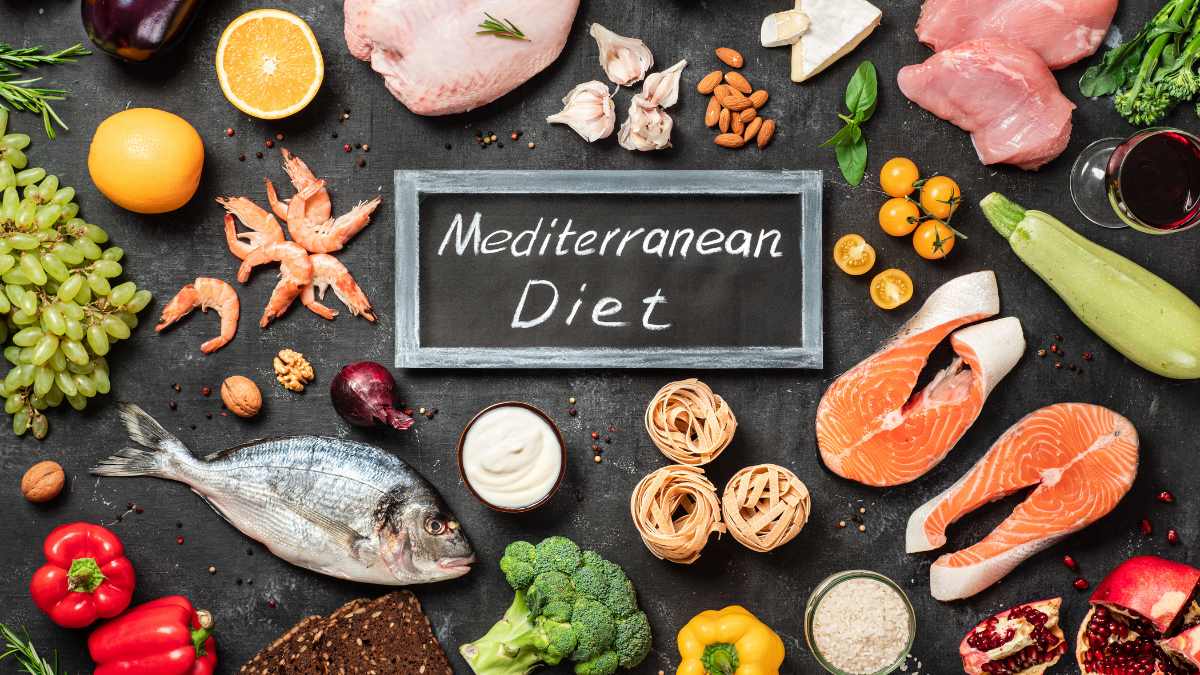
The Mediterranean diet is celebrated not only for its delicious flavors but also for its numerous health benefits. Rooted in the traditional eating habits of countries bordering the Mediterranean Sea, this diet emphasizes whole foods, healthy fats, and a variety of plant-based ingredients. While many people focus on main meals, snacks can play a crucial role in maintaining energy levels and promoting overall well-being. In this article, we will explore the principles of the Mediterranean diet and provide a range of snack options that align with its core tenets.
Understanding the Mediterranean Diet and Its Snack Principles
The Mediterranean diet is characterized by its emphasis on whole, minimally processed foods. It prioritizes fruits, vegetables, whole grains, legumes, nuts, seeds, and healthy fats, particularly olive oil. This dietary pattern is not just about what you eat but also how you eat; it encourages mindful eating and enjoying meals with family and friends. When it comes to snacks, the Mediterranean approach focuses on nutrient-dense options that provide energy without excessive calories or unhealthy ingredients.
Snacking in the Mediterranean lifestyle is not about mindless munching but rather about choosing foods that nourish the body. This means selecting snacks that are rich in vitamins, minerals, and antioxidants. The goal is to avoid processed snacks that are high in sugar, unhealthy fats, and artificial additives. Instead, Mediterranean snacks should be satisfying and wholesome, ensuring that they complement the overall dietary pattern rather than detract from it.
Moreover, the Mediterranean diet promotes portion control, which is essential for maintaining a healthy weight. Snacks should be enjoyed in moderation, serving as a bridge between meals rather than a replacement. By adhering to these principles, individuals can enjoy a variety of snacks that are both delicious and aligned with the Mediterranean lifestyle.
In summary, understanding the foundational principles of the Mediterranean diet is crucial for making informed snack choices. By focusing on whole, nutrient-dense foods and practicing moderation, individuals can enhance their health and enjoy a diverse array of flavors.
Nutrient-Dense Snack Options for Optimal Health Benefits
When considering snacks within the Mediterranean framework, it is essential to prioritize nutrient density. This means selecting foods that provide a high amount of nutrients relative to their calorie content. Options such as hummus with vegetable sticks, Greek yogurt with honey, or a handful of nuts are excellent choices that deliver essential vitamins and minerals without excessive calories.
Hummus, made from chickpeas, is rich in protein and fiber, making it a satisfying option that helps keep hunger at bay. Pairing it with fresh vegetables like carrots, cucumbers, and bell peppers adds a variety of vitamins and antioxidants. Similarly, Greek yogurt is an excellent source of calcium and probiotics, promoting gut health while providing a creamy, satisfying snack. Adding a drizzle of honey or a sprinkle of cinnamon can enhance its flavor without compromising its health benefits.
Another nutrient-dense option is a small serving of cottage cheese topped with fresh fruit. This combination offers a balance of protein, healthy fats, and carbohydrates, making it an ideal snack for sustaining energy levels. Additionally, incorporating edamame or roasted chickpeas can provide a crunchy, satisfying snack rich in plant-based protein and fiber.
By choosing snacks that are high in nutrients, individuals can support their overall health while enjoying the delicious flavors characteristic of the Mediterranean diet. These options not only satisfy hunger but also provide essential nutrients that contribute to long-term well-being.
Incorporating Fruits and Vegetables into Your Snack Choices
Fruits and vegetables are the cornerstones of the Mediterranean diet, and they make for ideal snacks due to their high water content, fiber, and vitamins. Fresh fruits such as apples, pears, berries, and citrus fruits provide natural sweetness and are packed with antioxidants. They can be enjoyed on their own or paired with a source of healthy fat, such as almond butter or a handful of walnuts, for a more balanced snack.
Vegetables can also be transformed into delicious snacks. For instance, roasted bell peppers, zucchini chips, or baked sweet potato fries can serve as flavorful alternatives to traditional chips. These options are not only lower in calories but also rich in vitamins and minerals. Additionally, creating a colorful vegetable platter with a variety of raw veggies and a yogurt-based dip can make for an appealing and nutritious snack.
Dried fruits, such as apricots, figs, and dates, can also be included in moderation. They provide concentrated sources of energy and are rich in fiber, making them a great option for a quick snack. However, it’s important to be mindful of portion sizes, as dried fruits can be calorie-dense.
Incorporating a wide variety of fruits and vegetables into snack choices ensures that individuals receive a broad spectrum of nutrients. This not only supports physical health but also enhances overall well-being, making it easier to adhere to the principles of the Mediterranean diet.
Whole Grains: Healthy Snack Alternatives to Refined Options
Whole grains are another essential component of the Mediterranean diet, offering fiber, vitamins, and minerals that are often lost in refined grain products. When selecting snacks, opting for whole grain options can significantly enhance nutritional intake. For example, whole grain crackers paired with cheese or hummus provide a satisfying crunch while delivering essential nutrients.
Popcorn is another excellent whole grain snack that can be enjoyed in various ways. Air-popped popcorn seasoned with a sprinkle of olive oil and herbs can serve as a light, crunchy snack that is low in calories but high in fiber. This makes it a perfect choice for those looking to satisfy their cravings without compromising their health.
Additionally, oatmeal can be transformed into a convenient snack. Overnight oats, prepared with Greek yogurt and topped with fruits and nuts, offer a balanced combination of carbohydrates, protein, and healthy fats. This makes for a filling snack that can be enjoyed at any time of the day.
By choosing whole grain snacks over refined options, individuals can benefit from increased fiber intake, which supports digestive health and helps maintain stable blood sugar levels. Incorporating these snacks into the Mediterranean diet not only enhances health but also adds variety and flavor to the snacking experience.
Healthy Fats: Snack Ideas Featuring Nuts and Olive Oil
Healthy fats are a hallmark of the Mediterranean diet, playing a crucial role in promoting heart health and overall well-being. Nuts, seeds, and olive oil are excellent sources of these beneficial fats and can be incorporated into snacks in various ways. A handful of almonds, walnuts, or pistachios can serve as a quick and nutritious snack, providing protein, fiber, and healthy monounsaturated fats.
Nut butter, such as almond or cashew butter, can also be used as a delicious spread on whole grain toast or paired with apple slices for a satisfying snack. These options not only deliver healthy fats but also provide essential vitamins and minerals, making them a nutrient-dense choice.
Olive oil, another staple of the Mediterranean diet, can be drizzled over popcorn, used as a dip for whole grain bread, or incorporated into homemade salad dressings. This versatile ingredient adds flavor and richness to snacks while providing heart-healthy fats that are beneficial for cardiovascular health.
Incorporating healthy fats into snack choices is essential for maintaining satiety and promoting overall health. By focusing on nuts, seeds, and olive oil, individuals can enjoy delicious snacks that align with the Mediterranean diet’s principles while reaping the benefits of healthy fats.
Balancing Protein Sources in Mediterranean Snack Selections
Protein is an essential macronutrient that plays a vital role in muscle repair, immune function, and overall health. In the context of the Mediterranean diet, there are various sources of protein that can be incorporated into snacks. Legumes, such as chickpeas and lentils, are excellent plant-based protein options that can be enjoyed in various forms, such as roasted chickpeas or lentil dips.
Dairy products, particularly Greek yogurt and cheese, are also rich in protein and can be included in snack choices. A serving of Greek yogurt topped with nuts and fruits not only provides protein but also offers a balance of carbohydrates and healthy fats, making it a well-rounded snack option. Cheese, particularly varieties like feta or mozzarella, can be paired with whole grain crackers or fresh vegetables for a satisfying snack.
For those who consume animal products, lean meats such as turkey or chicken can be included in snacks. Slices of turkey wrapped around cucumber or bell pepper sticks provide a protein-rich option that is both filling and nutritious. Additionally, incorporating hard-boiled eggs as a snack can provide a convenient source of protein that is easy to prepare and transport.
Balancing protein sources in Mediterranean snack selections ensures that individuals meet their nutritional needs while enjoying a variety of flavors and textures. By incorporating legumes, dairy, and lean meats, snacks can become an integral part of a healthy eating pattern.
Conclusions:
The Mediterranean diet offers a wealth of delicious and nutritious snack options that align with its core principles. By focusing on whole, nutrient-dense foods, individuals can enjoy a variety of snacks that support their health and well-being. From incorporating fruits and vegetables to selecting whole grains and healthy fats, there are countless ways to make snacking a delightful and healthful experience. By understanding the principles of the Mediterranean diet and making informed choices, individuals can enhance their overall diet and enjoy the many benefits that come with it.
Read more
- Mediterranean Diet Basics – A comprehensive overview of the Mediterranean diet, including its principles and health benefits.
- Snacking on the Mediterranean Diet – An article discussing healthy snack options that fit within the Mediterranean diet framework.
- The Health Benefits of Nuts – A research study highlighting the health benefits of incorporating nuts into the diet.
- Whole Grains and Health – A resource detailing the importance of whole grains in the diet and their health benefits.
- The Role of Healthy Fats in the Mediterranean Diet – An article discussing the significance of healthy fats, particularly olive oil, in the Mediterranean diet.